Cracks creeping along your walls, doors that suddenly stick, a sloping floor that was level last year – these are the kinds of changes that make homeowners uneasy, and for good reason. Foundation problems rarely fix themselves, and in a place like Dallas, TX, with its expansive clay soils and dramatic weather swings, they tend to get worse when ignored. That is why understanding foundation repair solutions is not a luxury topic; it is a practical necessity for every homeowner who wants to protect their largest investment.
What makes foundation repair especially urgent today is a combination of extremes: hotter summers, heavier downpours, and longer dry spells. These conditions cause the soil under your home to swell and shrink more than it used to, putting extra stress on foundations across North Texas. Homeowners in the Dallas area are seeing issues appear earlier and progress faster, which means the old strategy of “wait and see” is now “wait and pay more later.” Having clear, homeowner-friendly solutions – from early detection to proven repair methods – can be the difference between a manageable project and a major structural crisis.
Dalrock Foundation Repair has seen this story repeat across Dallas neighborhoods: a small, inexpensive issue grows into a major repair because it was misunderstood or postponed. The good news is that there are effective, long-lasting solutions for almost every foundation problem, and many begin with simple steps you can take yourself. When you know what to look for, when to call for help, and which repair options actually work in our soils, you gain control over a situation that often feels overwhelming.
Understanding Foundation Movement
Before exploring repair options, it helps to understand what is happening beneath your home. In Dallas, most homes are built on clay-rich soils that expand when wet and contract when dry. This constant movement exerts pressure on concrete slabs and pier-and-beam foundations, causing them to settle, shift, or heave. Over time, these subtle movements can translate into visible damage inside and outside the home.
Not all movement is catastrophic, however. Homes naturally experience minor settling in the first few years after construction, and not every hairline crack signals a structural emergency. The challenge for homeowners is distinguishing between normal settling and a foundation that is actively failing. Dalrock Foundation Repair technicians are trained to read the “story” the house is telling – examining cracks, measuring elevations, and assessing drainage patterns – to determine whether intervention is needed.
It is also important to recognize that foundation issues rarely exist in isolation. Poor drainage, clogged gutters, plumbing leaks, and landscaping choices can all contribute to foundation stress. When professionals in Dallas evaluate a home, they are not just looking at the concrete; they are looking at the entire environment that supports it. The most effective repair plans address both the underlying causes and the visible symptoms, so the problem does not return after the work is done.
Early Warning Signs Homeowners Should Watch
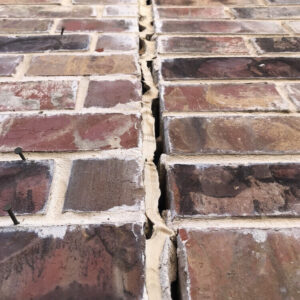
Homeowners are the first line of defense against major foundation damage because they see their house every day. The key is knowing which signs are worth paying attention to. Cracks in drywall that appear suddenly, widen over time, or run at sharp angles from door and window corners can be early indicators of movement. Similarly, diagonal cracks in brick mortar, especially in a stair-step pattern, often signal that one part of the foundation is moving differently than another.
Doors and windows that used to open smoothly but now stick or have uneven gaps are another classic warning sign. When the frame of the house shifts, these openings go out of square, and you begin to notice latches that no longer line up or doors that swing open on their own. Inside the home, sloping or bouncy floors, separated baseboards, and gaps between the wall and ceiling can also point to deeper structural movement.
Outside, pay attention to changes in the soil and hardscape around your home. If you see gaps forming between the soil and your foundation, standing water near the slab after rain, or patios and driveways tilting away from the house, these could all be signs that the soil is not supporting the structure evenly. Dalrock Foundation Repair often finds that homeowners noticed these clues months or years before calling, but did not realize they were related to the foundation. Recognizing them early allows for more targeted, less invasive repairs.
Common Foundation Repair Methods
Once a problem is identified, the next question every homeowner asks is: how will it be fixed? In the Dallas area, the most common solution for significant settlement is the installation of foundation piers. These are structural elements placed under the foundation to transfer the load of the home to deeper, more stable soil or bedrock. There are several types of piers, and the right choice depends on soil conditions, the design of the home, and budget considerations.
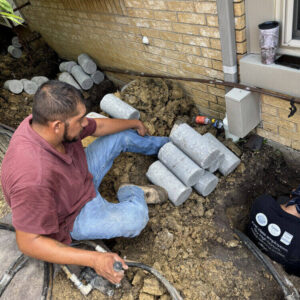
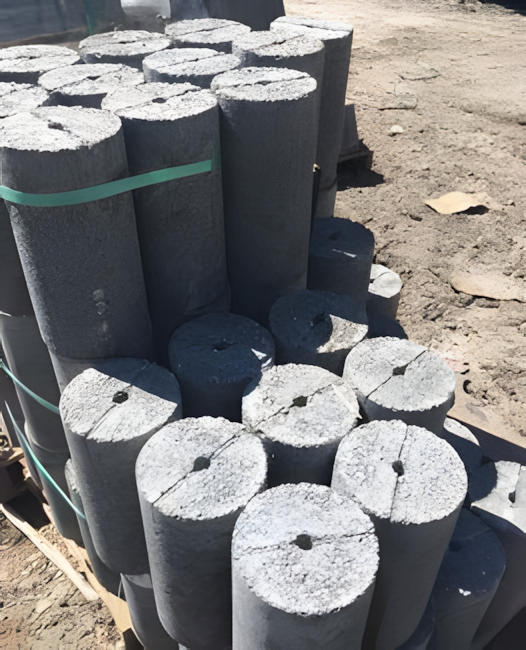
Concrete pressed piers are a widely used solution in North Texas. They involve driving precast concrete cylinders into the ground beneath the foundation until they reach a point of resistance. Steel piers are another option, often used for deeper support or in areas with particularly challenging soils. They can be driven further than concrete and provide strong, long-term stability, though they may come with a higher upfront cost. Dalrock Foundation Repair evaluates each property individually to recommend the most appropriate system rather than using a one-size-fits-all approach.
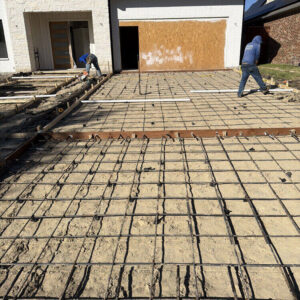
For pier-and-beam homes, the repair strategy is different. Instead of driving piers under a slab, technicians may reinforce or replace existing piers, add new supports under sagging beams, or shim and level the structure from underneath the house. In some cases, a combination of methods is needed – for example, installing piers along one side of a slab while also addressing drainage problems that caused the movement in the first place. The goal is always the same: restore stability, minimize disruption, and provide a repair that will stand up to Dallas soil conditions over time.
Drainage, Moisture Control, and Prevention
Even the strongest pier system cannot fully protect a home if water is allowed to pool around the foundation. In Dallas, where heavy storms can quickly saturate the soil, managing drainage is just as critical as the structural repair itself. Poor grading, missing or clogged gutters, and downspouts that discharge too close to the house all contribute to soil movement and foundation stress.
Effective drainage solutions can be surprisingly straightforward. Regrading the yard so that soil slopes away from the house, extending downspouts several feet from the foundation, and repairing broken gutter sections can significantly reduce moisture-related issues. In more challenging situations, French drains or surface drains may be installed to redirect water away from problem areas. Dalrock Foundation Repair frequently includes drainage recommendations as part of a comprehensive foundation repair plan, because preventing future movement is as important as correcting the current damage.
Moisture control is not only about excess water; in Dallas’s long dry spells, the opposite problem occurs. The clay soil shrinks and pulls away from the foundation, reducing support and allowing sections of the slab to settle. Some homeowners use soaker hoses or irrigation systems to maintain a more consistent moisture level around the home’s perimeter. While this must be done carefully to avoid overwatering, it can help reduce extreme soil expansion and contraction. A balanced approach to moisture management, combined with proper structural repairs, offers the best long-term protection.
What To Expect During Professional Repair
Many homeowners hesitate to call a foundation specialist because they imagine their yard being torn apart or their home becoming unlivable for weeks. In reality, modern foundation repair methods are designed to be as efficient and minimally disruptive as possible. The process typically begins with a detailed inspection and elevation survey, where the technician measures the current level of the foundation and identifies areas of settlement or heave.
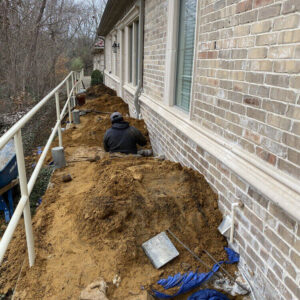
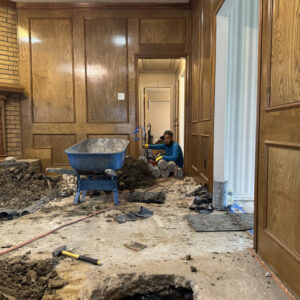
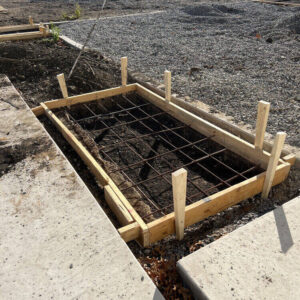
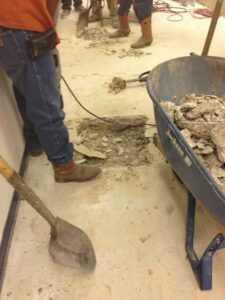
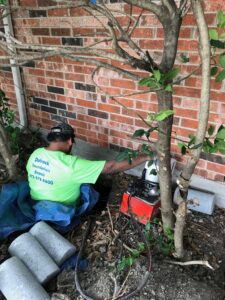
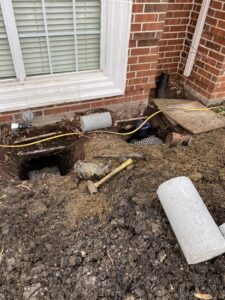
Once a repair plan is agreed upon, work usually starts with preparing access points around the foundation. For pier installation, small holes are dug along the perimeter or, in some cases, through the slab in interior areas. Piers are then installed and the foundation is carefully lifted and leveled in controlled stages. Throughout this process, experienced crews monitor the home’s response to ensure that doors, windows, and interior finishes adjust properly to the new position.
After the structural work is complete, the holes are backfilled, and the job site is cleaned up. Homeowners in Dallas are often surprised at how quickly the visible signs of the repair disappear – landscaping can be restored, and in many cases, cosmetic interior repairs like patching cracks can be done shortly after. Dalrock Foundation Repair emphasizes communication throughout the project so that homeowners know what is happening each day, how long it will take, and what to expect when the work is finished. A reputable contractor will also provide a warranty, giving you confidence that your investment is protected.
Choosing The Right Foundation Partner
With so many contractors advertising in the Dallas-Fort Worth area, choosing the right foundation repair company can feel overwhelming. Homeowners should start by looking for experience with local soils and building practices. A company that has worked extensively in Dallas understands how our clay behaves, how different neighborhoods were built, and which solutions hold up best over time. Dalrock Foundation Repair, for example, has built its processes around the specific challenges of North Texas foundations.
Transparency is another critical factor. A trustworthy contractor will explain their findings in clear, straightforward language, provide a written repair plan, and answer questions without rushing or pressuring you. They should be willing to show you where piers will be placed, how drainage will be improved, and what kind of warranty backs the work. Vague proposals or unusually low bids can be red flags, especially if they do not address the underlying causes of your foundation issues.
Finally, consider the long-term relationship, not just the immediate repair. Foundation problems can evolve over time, and having a reliable partner who will stand behind their work is invaluable. Check reviews, ask for references, and confirm that the company is insured and properly registered. When you choose a team that treats your home like their own, you gain more than a repair; you gain peace of mind that your foundation – and your investment – are in capable hands.
Frequently Asked Questions
How do I know if I really need foundation repair or just cosmetic fixes? While minor hairline cracks can be purely cosmetic, a pattern of growing cracks, sticking doors, sloping floors, or gaps around windows often points to structural movement. The safest way to know is to have a professional inspection that includes elevation measurements and a review of drainage and soil conditions. In Dallas, Dalrock Foundation Repair can differentiate between normal settling and active foundation problems, giving you a clear answer and options before you commit to any work.
Is foundation repair in Dallas permanent? No repair can completely eliminate the natural movement of expansive clay soils, but modern methods are designed to provide long-term stability. Properly installed piers, combined with good drainage and moisture management, can significantly reduce future settlement and protect your home for many years. Dalrock Foundation Repair offers warranties on its work, reflecting confidence in the systems used and the expectation that they will perform over the long term in local conditions.
Will foundation repair damage my yard or interior? Any structural work involves some disruption, but reputable companies work hard to minimize it. Most pier installations require relatively small access holes around the perimeter of the home, and landscaping can usually be restored after the project. In some cases, interior piers may require access through the slab, which is repaired once the work is complete. Crews from experienced companies in Dallas clean up the job site thoroughly, and many homeowners find that the short-term inconvenience is outweighed by the stability and value the repair provides.
How much does foundation repair typically cost? Costs vary widely depending on the extent of the damage, the size of the home, the number and type of piers required, and any additional drainage or moisture control work. A small, localized repair might be relatively affordable, while a large home with significant settlement will require a larger investment. The only accurate way to know is through an on-site evaluation and written estimate. What is consistent, however, is that addressing foundation problems early almost always costs less than waiting until the damage is severe.
Can I prevent foundation problems in the future? While you cannot control the Dallas climate or soil composition, you can take practical steps to reduce risk. Maintaining proper drainage, keeping gutters clean, ensuring downspouts discharge away from the foundation, and avoiding extreme swings in soil moisture all help protect your home. Regular visual inspections, inside and out, allow you to catch early warning signs before they become major issues. Partnering with a trusted company like Dalrock Foundation Repair for periodic checks and timely repairs gives you an added layer of protection and confidence.
To learn more about professional Foundation Repair options tailored to Dallas, TX homes, homeowners should seek expert guidance and timely inspections rather than waiting for small issues to grow.