The process begins with a detailed evaluation of the structure, including visible damage such as cracks, doors or windows that stick, sloping floors, and gaps between walls and trim. Measurements are taken, elevations are documented, and the underlying causes of movement are assessed so the repair plan can address both current damage and potential future issues. This planning phase is essential for determining the number of pilings required and their optimal placement around the foundation.
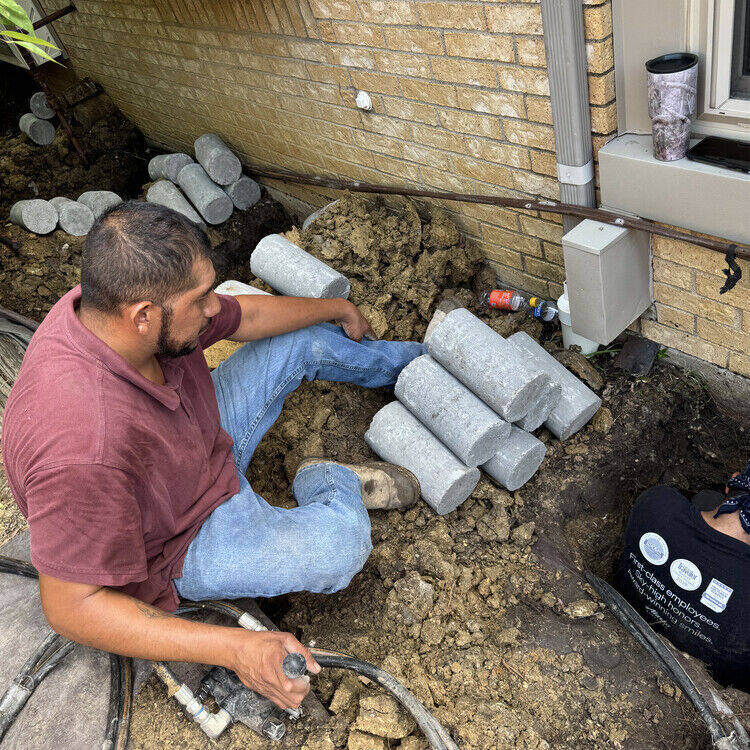
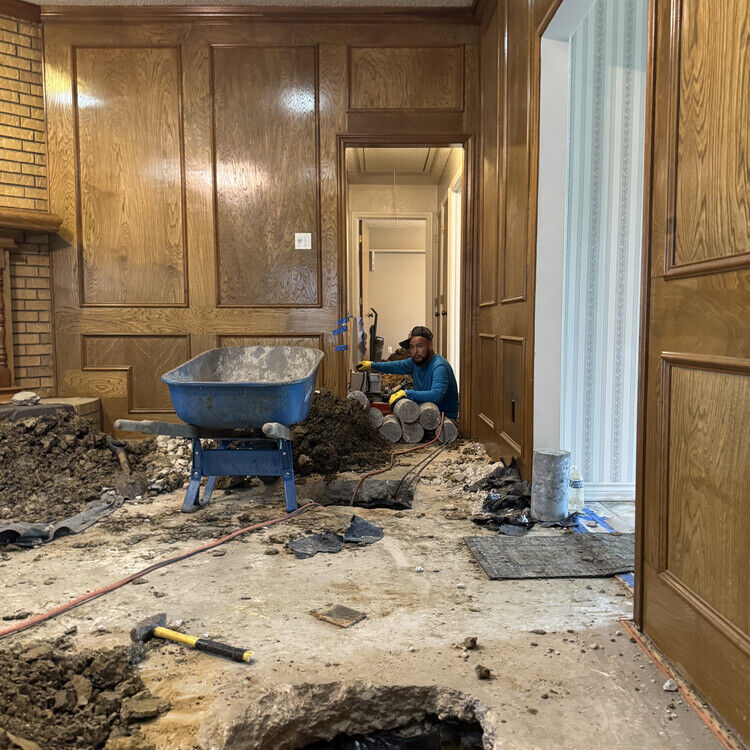
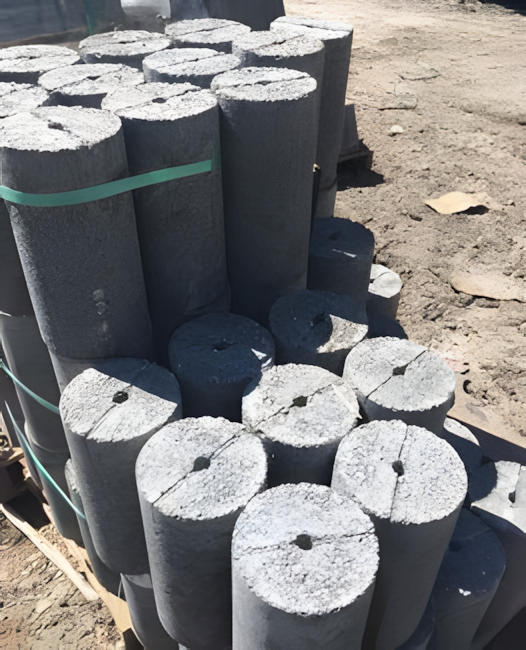
Next, access holes are created along the foundation beam where pilings will be installed. Precast concrete cylinders are then stacked and hydraulically pressed into the soil until they reach load-bearing resistance. Steel shims and brackets are added to connect the pilings to the foundation, allowing controlled lifting of settled areas and long-term support. Throughout this process, technicians monitor pressure and movement to avoid over-lifting and to ensure uniform stabilization.
After the structural adjustments are completed, the excavated areas are carefully backfilled and compacted, and the repair zone is cleaned and restored as close as possible to its original condition. Final checks are performed to confirm that doors and windows operate correctly, cracks are stabilized, and the foundation has been returned to a safe and supported position. Detailed documentation of the work performed helps property owners understand exactly how their foundation was repaired and what to expect moving forward.