Understanding Foundation Repair: When to Act

In North Texas, more than half of all homes will experience some level of foundation distress during their lifetime, yet many homeowners don’t realize there’s a problem until doors stop closing or cracks snake across the walls. What surprises most people is that foundation issues rarely appear overnight; they develop slowly, almost silently, over months and years. By the time the signs are obvious, the underlying movement in the soil and structure has often been at work for a long time.

Understanding when to act on foundation repair is less about panic and more about timing and awareness. Acting too late can mean more extensive damage, higher repair costs, and even impact on resale value. Acting too early, without a clear diagnosis, can lead to anxiety and unnecessary worry. For homeowners in Dallas, TX, where expansive clay soils and dramatic weather swings are part of daily life, learning how to read the early warning signs and knowing when to call a professional like Dalrock Foundation Repair can make the difference between a manageable fix and a major structural project.

Instead of waiting for a crisis, the key is to pay attention to the story your home is telling you: small cracks, sticky windows, uneven floors, and changes in drainage patterns are all clues. When you understand what those clues mean, and how they relate to the unique soil and climate conditions in Dallas, you can decide with confidence when to act, when to monitor, and when to bring in a foundation specialist.

Why Dallas Homes Face Unique Risks

Dallas sits on a patchwork of highly expansive clay soils that swell when wet and shrink when dry. This constant expansion and contraction acts like a slow-motion tug-of-war on your foundation. During wet seasons, the soil can heave upward and push against the slab or piers. During dry spells, the same soil shrinks and pulls away, allowing parts of the foundation to settle. Over time, this movement can cause the foundation to tilt, crack, or sink in certain areas.

On top of this, Dallas weather is notoriously unpredictable. Long summer droughts, followed by heavy storms, create rapid moisture swings in the soil. When your home’s drainage isn’t ideal, water can pool around the perimeter, saturating some areas while others remain dry. This uneven moisture distribution leads to differential settlement, where one side of the foundation moves differently than the other. That’s usually when you start seeing cracks and misalignments inside the home.

Construction methods and neighborhood age also play a role. Older areas of Dallas may have shallower footings or foundations built to standards that don’t reflect today’s understanding of soil behavior. Newer subdivisions may be built quickly, sometimes with insufficient attention to drainage grading. Dalrock Foundation Repair has seen both ends of this spectrum: decades-old homes with slowly evolving issues, and newer houses that show signs of movement within just a few years because of soil and water management problems.

All of these local factors mean that Dallas homeowners can’t rely on generic information about foundation problems. Understanding when to act requires paying attention to how these regional conditions interact with your specific house, lot, and drainage setup. A small crack in a dry climate might be cosmetic; the same crack in North Texas clay could be the first sign of ongoing movement.

Early Warning Signs You Shouldn’t Ignore

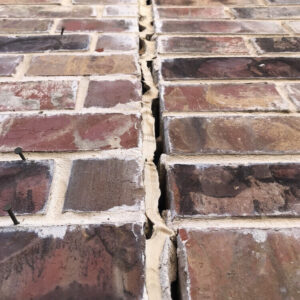
Foundation problems rarely begin with dramatic, gaping cracks. They usually start with subtle, easily dismissed changes. One of the earliest indicators is cracking in interior walls, especially around door frames, window corners, or where walls meet ceilings. Hairline cracks less than the width of a credit card may simply be normal settling, but if they lengthen, widen, or appear in a stair-step pattern along brickwork outside, they deserve closer attention.

Another early sign is trouble with doors and windows. When a foundation shifts, the frame of the house distorts slightly. Interior doors may begin to rub at the top, no longer latch, or swing open on their own. Windows that once glided smoothly may become difficult to open or close. While humidity and paint can cause sticking, if multiple doors or windows are misbehaving—especially in the same area of the house—it can be a red flag that the underlying structure is moving.

Floors can also tell you a lot. You might notice a slight slope when walking across a room, or furniture that seems to lean a bit. Tile or wood floors may start to separate or show gaps. In pier-and-beam homes, you may feel bounciness or dips in certain spots. These changes don’t automatically mean disaster, but they are signals that something is changing beneath the surface and should be evaluated before it progresses.

Outside, pay close attention to cracks in the brick veneer, gaps between the brick and window frames, or separation between the chimney and the house. These exterior clues often appear earlier than interior damage because the brick acts like a rigid shell around a moving structure. Dalrock Foundation Repair technicians in Dallas are trained to read these patterns—such as stair-step cracks in mortar joints—to distinguish between normal age-related wear and more serious foundation movement.

Cosmetic Issues vs. Structural Problems

Not every crack or sticky door means your foundation is failing. Houses are complex systems, and many minor issues are purely cosmetic. For example, small vertical cracks in drywall that don’t grow over time can be caused by temperature changes, minor settling, or even vibrations from daily living. Likewise, hairline cracks in concrete slabs like garages or patios are extremely common and often harmless.

The challenge for homeowners is knowing when these small signs cross the line into something structural. One factor is pattern: random, isolated cracks in different places may be cosmetic, but a repeating pattern—such as multiple doors in one corner of the house sticking, or a cluster of diagonal cracks all pointing toward a certain area—suggests movement. Cracks wider than about 1/8 inch, or ones that change noticeably over a few months, are more concerning than tiny, stable lines that have looked the same for years.

Another distinction is whether the issue affects how your home functions. If you have doors that no longer close at all, windows that are jammed shut, or floors that feel unsafe or extremely sloped, those are functional problems that often point to structural movement. Cosmetic repairs like patching drywall or re-caulking brick gaps won’t hold if the underlying foundation continues to shift. In these cases, it’s usually more cost-effective to address the cause than keep repainting and patching.

This is where a professional evaluation from a company familiar with Dallas soils, like Dalrock Foundation Repair, becomes essential. A trained inspector can use tools such as elevation readings, laser levels, and visual assessments to determine whether the home’s frame and foundation are moving out of tolerance. They can help you separate “normal aging” from true structural concern—so you can act confidently instead of guessing.

When It’s Time To Call A Professional

Homeowners often wait for a dramatic event before calling for help: a giant crack across the living room, a door that won’t close at all, or water intrusion in the crawlspace. In reality, it’s smarter to reach out earlier, when the signs are still moderate. If you notice several of the warning indicators happening at once—cracks spreading, multiple sticky doors, visible brick separation, or significant floor unevenness—it’s time for a professional evaluation.

Another clear “time to act” moment is when changes appear suddenly or accelerate quickly. For instance, if a small crack becomes noticeably larger within a season, or if you go from no issues to multiple problem doors after a heavy rain or prolonged drought, that suggests active movement. In Dallas, major weather shifts can trigger this kind of rapid change, especially if drainage around your home is inadequate.

Planning to sell your home is another important trigger. Many real estate transactions in Dallas involve some level of foundation evaluation, and buyers are increasingly cautious about structural issues. If you suspect a problem—or have visible signs that will raise questions—it’s wise to have Dalrock Foundation Repair inspect and, if needed, correct issues before listing. Addressing foundation concerns proactively can simplify negotiations and protect your home’s market value.

Finally, trust your instincts. If something about the way your home feels or functions has changed and continues to bother you, getting a professional opinion costs far less than living with uncertainty. A reputable contractor will tell you honestly if repairs are not needed yet and may suggest monitoring instead. Waiting until doors don’t close and floors are visibly sloped often means more extensive and expensive work is required.

What Happens During A Foundation Evaluation

Many homeowners hesitate to call for an evaluation because they imagine an invasive or high-pressure process. In reality, a thorough foundation inspection is typically non-destructive and focused on gathering information. A Dalrock Foundation Repair specialist will usually start with a conversation about your concerns: when you first noticed cracks, whether they’ve changed, and any drainage or plumbing issues you’ve experienced.

Next comes a careful visual inspection inside and outside the home. The inspector will look at cracks in walls, ceilings, and floors; test doors and windows; and examine exterior brick, siding, and the shape of the roofline. They will also walk the perimeter of your house to evaluate grading, gutters, downspouts, and any areas where water might be pooling near the foundation. These observations help identify patterns of movement and potential causes.

In many cases, the inspector will take elevation readings throughout the home using precise instruments. These measurements reveal subtle slopes or dips in the floor that may not be obvious to the naked eye. Comparing elevations from different rooms allows the specialist to map how the foundation is moving—whether one corner is sinking, a center area is heaving, or multiple sections are shifting differently.

After gathering data, the inspector will explain their findings in plain language. If repairs are recommended, they’ll outline the proposed solution, such as installing piers, improving drainage, or addressing soil moisture issues. If no repair is needed yet, they may suggest simple monitoring steps and maintenance tips. The goal is to give you a clear picture of your home’s condition so you can decide when and how to act, instead of reacting only when things become urgent.

Prevention, Maintenance, And Acting Early

While you can’t change Dallas soil, you can significantly reduce foundation stress through smart maintenance. One of the most important steps is managing moisture around your home. Properly functioning gutters and downspouts that discharge water well away from the foundation are essential. The soil around the house should be graded so that water flows away, not toward, the slab or piers. Simple corrections like extending downspouts, filling low spots, and repairing broken gutters can prevent chronic saturation near the foundation.

In long, dry Dallas summers, the opposite problem occurs: soil shrinkage. Some homeowners use soaker hoses or irrigation systems to maintain more consistent moisture levels around the foundation. The key is moderation and consistency—avoiding cycles of extreme wet followed by extreme dry. Dalrock Foundation Repair often advises homeowners on appropriate watering practices that protect landscaping without over-saturating the soil next to the house.

Regular visual inspections of your own home are another powerful tool. Set a reminder to walk through and around your property a few times a year, paying attention to cracks, door operation, and drainage patterns after heavy rains. Taking photos of cracks or problem areas and comparing them over time can help you notice changes that might otherwise slip by. If you see clear progression, that’s your cue to bring in a professional before the damage escalates.

Acting early doesn’t always mean scheduling immediate repair work. Sometimes it simply means getting a professional baseline evaluation and then checking back in a year or two. By understanding where your foundation stands today, and watching for specific changes, you can avoid surprises and make informed decisions. Dalrock Foundation Repair’s experience in Dallas, TX means they can help you strike the right balance between caution and calm, so you act at the right moment—not too late, and not out of fear.

Frequently Asked Questions

How do I know if my foundation problem is urgent? Urgency depends on the severity and speed of change. If you see large cracks (wider than 1/4 inch), doors that suddenly won’t close at all, rapidly worsening slopes in floors, or evidence of structural separation like gaps between walls and ceilings, you should schedule a professional evaluation as soon as possible. In Dallas, sudden changes after heavy rain or drought can indicate active movement. Even if the house still feels livable, addressing issues early can prevent more complex and costly repairs later.

Can I wait and just monitor small cracks? Yes, in many cases small, stable cracks can be monitored rather than repaired immediately. Marking the ends of cracks with a pencil and noting the date is a simple way to track changes. If the crack doesn’t lengthen or widen over several months, it may be cosmetic. However, if multiple cracks appear, patterns develop (such as stair-step cracks in brick), or doors and windows start sticking in the same area, it’s wise to call a company like Dalrock Foundation Repair for a professional assessment instead of relying on guesswork.

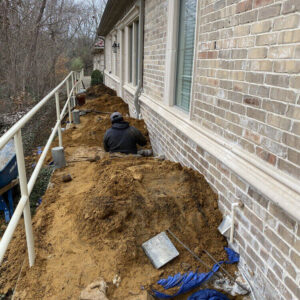
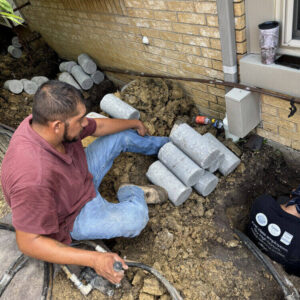
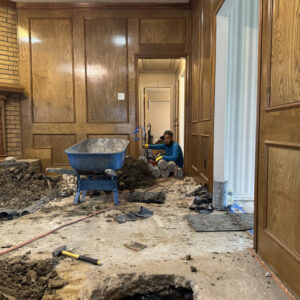
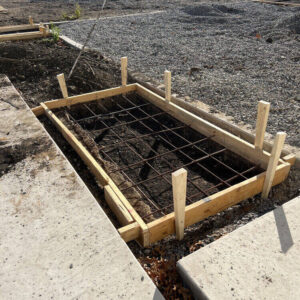
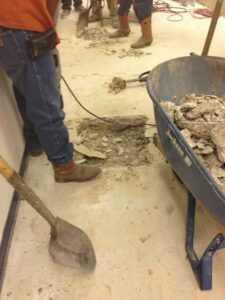
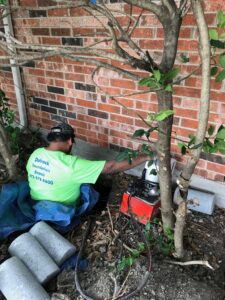
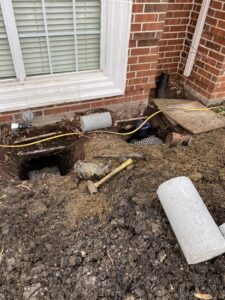
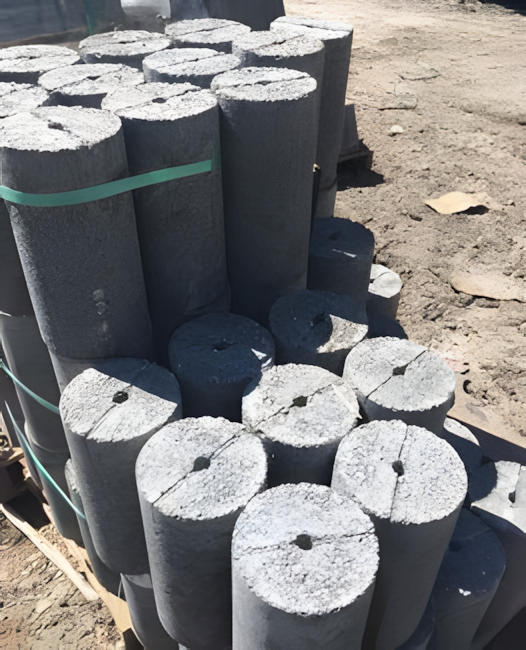
Will foundation repair damage my yard or interior? Modern foundation repair methods aim to minimize disruption, but some impact is unavoidable. Exterior pier installation generally involves digging small holes along the foundation perimeter, which can temporarily disturb landscaping. Interior piers may require lifting floor coverings and cutting small openings in the slab. A reputable contractor will explain exactly what areas will be affected and how they will be restored. In most Dallas homes, the short-term inconvenience is offset by the long-term stability and protection of your largest investment.

Is foundation repair always expensive? The cost of foundation repair varies widely based on the extent of movement, the size of the home, and the repair method needed. Some situations require only limited work in one area, while others demand more extensive stabilization. Getting an evaluation and estimate early, when problems are localized, often keeps costs down. Compared to the potential loss in home value or the cost of repeated cosmetic repairs, properly designed foundation work from a specialist like Dalrock Foundation Repair is often a sound financial decision.

Who should I contact for an inspection in Dallas? For homeowners in Dallas, TX and the surrounding areas, a local specialist who understands expansive clay soils and regional building practices is essential. Dalrock Foundation Repair has extensive experience with the specific conditions that affect North Texas homes and can provide a detailed inspection, clear explanation of findings, and tailored repair or maintenance recommendations. You can learn more and schedule an evaluation by visiting their Foundation Repair services page.

Call
Contact
Search Website
Contact
Call
Text
Email