Cracks creeping across your walls, doors that suddenly stick, floors that feel like a gentle slope instead of a flat surface – these are more than cosmetic annoyances. In Dallas, TX, where expansive clay soils constantly swell and shrink with changing moisture, these warning signs often point to foundation movement. Once you realize your home may need foundation repair, one of the most critical decisions you face is which pier system to trust beneath your house. Choosing the right pier foundation repair method is not just a technical choice; it affects your budget, your home’s long-term stability, and even future resale value.
Many homeowners assume that “a pier is a pier” and that any contractor can simply pick a method and get to work. In reality, different pier systems behave very differently in Dallas soils, carry different warranties, and require different installation equipment and access. What works beautifully for one property can be a poor fit for another just a few streets away. That is why Dalrock Foundation Repair places so much emphasis on evaluating each structure individually before recommending a solution. The goal is not just to stop movement today, but to reduce the risk of new settlement or upheaval over the coming years.
There is also a timing factor that makes this decision urgent. Foundation problems in North Texas rarely “pause” on their own. Continued dry summers, heavy rains, and irrigation patterns can accelerate movement. The longer you wait, the more the structure can distort, which sometimes means more piers, more interior repairs, and more cost. By understanding your pier options before you are in crisis mode, you put yourself in a stronger position to make a confident, informed choice when you sit down with a foundation repair specialist in Dallas.
How Dallas Soils Affect Piers
Before comparing pier systems, it helps to understand why Dallas homes need them in the first place. Much of the Dallas–Fort Worth region sits on expansive clay soils that react dramatically to moisture changes. When the soil gets wet, it swells and pushes upward on foundations. When it dries out, it shrinks and leaves voids beneath the slab or beam. This constant cycle causes the foundation to move up and down, often unevenly, which translates into cracks and misaligned framing above.
Because the soil itself is unstable, the job of a pier is to transfer the weight of the home to deeper, more reliable layers. However, the depth and consistency of those stable layers can vary from lot to lot. In some neighborhoods, solid bearing strata may be reached at relatively shallow depths. In others, particularly in parts of Dallas with highly plastic clays, it may take much deeper support to bypass the active soil zone. That variability is a key reason why no single pier type is “best” for every property.
Seasonal swings make this even more complicated. If a pier system relies heavily on friction with the surrounding soil, it may move more as the soil shrinks and swells. Systems that extend deeper or lock into stronger layers tend to offer more reliable long-term performance. Dalrock Foundation Repair technicians factor in local soil profiles, historical movement patterns, and even drainage and landscaping conditions around your home before recommending a repair method, because all of these conditions influence how different piers will behave.
Homeowners sometimes underestimate how much soil moisture management and pier selection are linked. Even the best pier can be undermined by severe erosion or unchecked drainage problems. That is why a proper evaluation in Dallas should look at gutters, grading, downspout extensions, and irrigation practices alongside the structural concerns. The foundation repair plan, including the pier type, should complement a broader strategy to stabilize moisture around your home.
Common Pier Types Used In Dallas
When you start researching foundation repair, you will see several pier types mentioned repeatedly. The most common in Dallas are concrete pressed piers, steel pressed piers, drilled concrete piers, and helical piers. Each has a distinct installation method and performance profile. Understanding these basics will make your conversations with Dalrock Foundation Repair – or any contractor – much more productive and transparent.
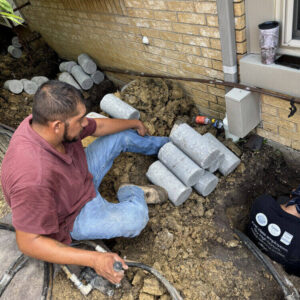
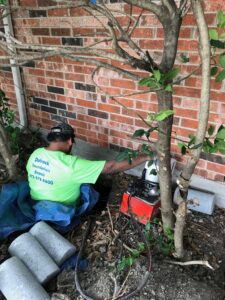
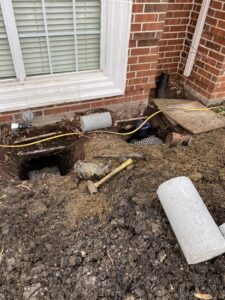
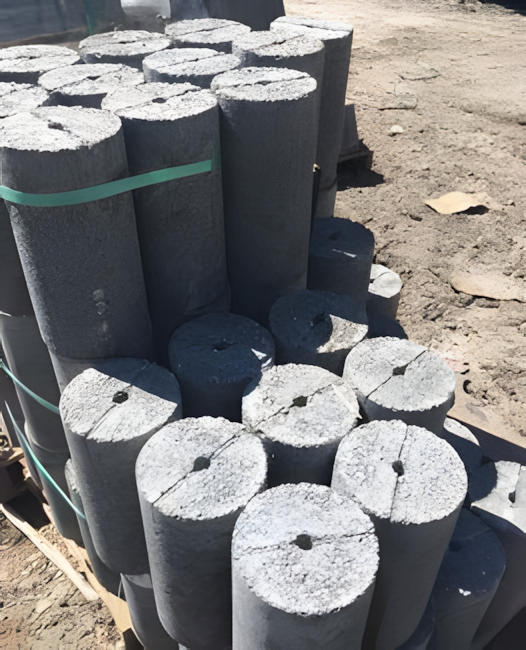
Concrete pressed piers are widely used in North Texas. They consist of precast concrete cylinders that are pressed into the ground using the weight of the structure and hydraulic rams. Once they reach sufficient resistance, they are capped and used to lift and support the foundation. These systems are often cost-effective and can be installed relatively quickly, which appeals to many homeowners facing urgent repairs. However, their performance can depend heavily on the consistency of the soil and the skill of the installer.
Steel pressed piers use a similar installation concept but rely on high-strength steel sections instead of concrete cylinders. Because steel is stronger and more slender than concrete, these piers can often be driven deeper, sometimes reaching bedrock or very dense strata. This can provide more reliable long-term support in problematic soils. They typically cost more than concrete pressed piers but can be an excellent choice when deeper load transfer is needed, especially for heavier structures or homes with a documented history of ongoing movement.
Drilled concrete piers and helical piers are somewhat different. Drilled piers involve boring holes to a specified depth, placing rebar, and filling the holes with concrete. They are often used in new construction but can be part of a repair solution in certain conditions. Helical piers, on the other hand, are steel shafts with helical plates that are screwed into the ground like large screws. They are useful in areas where access is tight or where soils require a different type of load transfer. In the Dallas area, these alternative systems may be recommended in specialized situations, such as additions, light structures, or where existing conditions limit the use of pressed piers.
How To Match Pier Type To Your Home
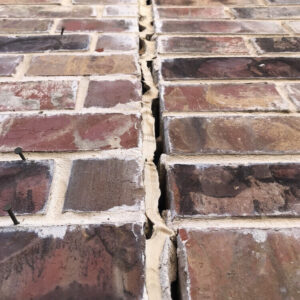
Choosing the right pier foundation repair method starts with a thorough evaluation of your home, not with a price list. Dalrock Foundation Repair will typically begin by examining the visible signs of distress: cracks in interior and exterior walls, gaps around windows and doors, sloping floors, and separations at trim or brick lines. These clues help map where the foundation has moved and in which direction. A floor elevation survey may be performed to quantify the amount of differential settlement across the structure.
Next, the contractor considers the type of foundation you have. In Dallas, many homes are built on slab-on-grade foundations, while others use pier-and-beam systems. Slab foundations often rely on piers installed along the perimeter and sometimes under the interior beams, whereas pier-and-beam homes may require different strategies, including shimming, replacement of deteriorated wood, or the addition of support in the crawlspace. The foundation type can strongly influence whether concrete pressed piers, steel piers, or a combination is most appropriate.
Soil conditions and access play a major role as well. If the property has room for equipment, and the soil is known to allow adequate depth with concrete pressed piers, that may be a practical and economical option. If the home is particularly heavy, built on a hillside, or located in an area where soils are notoriously deep and unstable, steel pressed piers or helical piers might be a better fit. Dalrock’s experience in Dallas neighborhoods allows them to draw on local soil knowledge when recommending solutions, rather than treating every home like a blank slate.
Finally, long-term goals and budget must be balanced. Some homeowners plan to stay in their homes for decades and prioritize maximum stability and the strongest warranty possible. Others may be preparing for resale in the near future and need a solution that satisfies inspection requirements without overextending their finances. A reputable contractor will explain the trade-offs between different pier systems clearly: how many piers are needed, where they will be placed, what level of lift is realistic, and what kind of performance you can expect over time.
Cost, Disruption, And Warranties
Cost is often the first thing homeowners ask about, but it should not be the only factor in choosing a pier method. Different systems have different material and labor costs, and the number of piers needed can vary with the extent of movement and the size of the home. Concrete pressed piers often come in at a lower initial price than steel systems, which is why they are common in Dallas. However, if the soil requires deeper support, the lower upfront cost may not translate into the best long-term value.
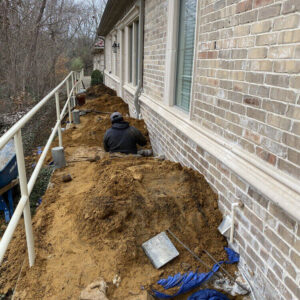
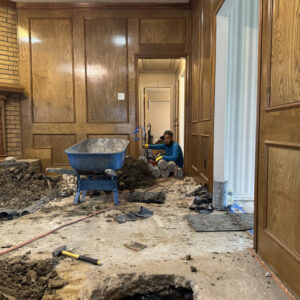
Disruption during installation is another consideration. Pier work typically requires excavation around the foundation, which can affect landscaping, walkways, patios, and sometimes interior flooring if interior piers are needed. Some pier methods require larger access areas for equipment, while others can be installed in tighter spaces. Dalrock Foundation Repair works to minimize damage and restore disturbed areas as much as possible, but it is important for homeowners to understand what the process will look like so they can plan for temporary inconveniences.
Warranties play a crucial role in your decision as well. A reputable Dallas foundation repair company will offer a clear, written warranty describing what is covered, how long coverage lasts, and what happens if additional movement occurs. Some pier methods may come with longer or more robust warranties because they are engineered for deeper, more stable support. It is important to read the fine print and ask questions: Does the warranty transfer to a new owner? Does it cover only the areas where piers were installed? How are warranty claims handled if new cracks appear?
When comparing bids, look beyond the bottom line. Ask which pier type is being proposed and why. Request a layout showing the location and number of piers. Clarify whether drainage improvements, root barriers, or plumbing tests are included or recommended. These details reveal whether a contractor has designed a solution tailored to your home or simply applied a one-size-fits-all approach. In a complex soil environment like Dallas, that customization is often what separates a lasting repair from a temporary fix.
Why Contractor Expertise Matters
Even the best pier system can underperform if it is poorly installed. That is why choosing the right pier method goes hand in hand with choosing the right contractor. Dalrock Foundation Repair brings local experience to each project, which is essential in a region where one block can have very different soil behavior than the next. Their technicians are trained to recognize subtle signs of structural movement and to adjust installation techniques accordingly.
Expertise shows up in the details: how accurately elevations are measured, how carefully excavation is done around utilities, how precisely piers are aligned and driven, and how controlled the lifting process is. A thoughtful lift aims to bring the structure back toward level without creating new stresses or damage. This requires judgment built from years of working on homes across Dallas and understanding how different building materials respond to movement.
Communication is another hallmark of a skilled contractor. Homeowners should feel informed at every stage: initial inspection, proposal, scheduling, installation, and final walkthrough. The team should explain why a specific pier method was chosen, what results are realistic, and what limitations exist. No honest contractor will promise perfection in an environment as dynamic as North Texas soil, but they should be able to explain how their chosen system and installation approach are designed to manage that risk.
Ultimately, your pier decision is not just about hardware; it is about trust. When you work with a company that specializes in Foundation Repair in Dallas and stands behind its work, you are not simply buying piers. You are investing in a long-term relationship that can help protect one of your largest assets: your home.
Frequently Asked Questions
How do I know which pier type is best for my home? The best pier type for your Dallas home depends on several factors: soil conditions, the extent and pattern of foundation movement, the weight and design of your structure, and your long-term goals. A thorough evaluation by a foundation specialist, including a visual inspection and often a floor elevation survey, is essential. Dalrock Foundation Repair will use this information, combined with local soil knowledge, to recommend whether concrete pressed piers, steel pressed piers, or another system is most appropriate. Trying to choose a pier type without this analysis is risky and can lead to underperforming repairs.
Are steel piers always better than concrete piers? Steel piers are not automatically “better” in every situation, but they can offer advantages in certain Dallas soil conditions. Because they can often be driven deeper than concrete cylinders, steel piers may provide more reliable support where deeper stable layers are needed. However, they typically cost more, and in some neighborhoods with shallower suitable bearing strata, high-quality concrete pressed piers installed by an experienced contractor can perform very well. The right choice depends on the specific conditions under and around your home.
Will pier foundation repair fix all my interior cracks and cosmetic issues? Pier installation is designed to stabilize and, when appropriate, lift your foundation, which often reduces or closes many cracks. However, not every cosmetic issue will disappear completely. Some cracks may need to be patched and repainted after the structure has been stabilized. In some cases, lifting the home back toward level can cause minor new cracks as the framing adjusts to its new position. Dalrock Foundation Repair will discuss realistic expectations with you before work begins so you understand what structural improvements to expect and what cosmetic repairs may still be needed afterward.
How long does pier installation usually take in Dallas? The duration of a pier project depends on the number of piers, site access, weather, and whether both exterior and interior piers are required. Many residential projects in the Dallas area are completed in a few days, while more complex jobs can take longer. The process typically includes excavation, driving or installing the piers, lifting and shimming the foundation, and backfilling and cleanup. Your contractor should provide a project timeline before work starts and keep you updated if conditions change.
Can I wait and see if my foundation gets worse before choosing a pier method? Delaying foundation repairs is tempting, especially if the symptoms seem minor, but in Dallas’s expansive clay environment, movement rarely improves on its own. Waiting can allow settlement or heave to progress, potentially increasing the number of piers needed and the extent of structural and cosmetic damage. It is wise to have a professional evaluation as soon as you notice signs of movement. Even if immediate repair is not necessary, you will have a baseline and a clear understanding of your options, making it easier to act promptly if conditions worsen.