Foundation Repair Myths: Separating Fact from Fiction

Most homeowners in Dallas don’t get into trouble because they ignore foundation problems; they get into trouble because they believe the wrong things about them. Friends, neighbors, and even social media groups repeat the same “facts” about cracked brick, sticky doors, and foundation repair costs until those myths start to sound like truth. By the time someone calls a professional like Dalrock Foundation Repair, they’re often shocked to discover that what they thought they knew about foundations simply doesn’t match reality.

Foundation repair myths are especially dangerous in North Texas because our soil, climate, and construction styles make homes more vulnerable to movement than in many other parts of the country. A small misunderstanding—like assuming every crack means disaster, or that all foundation work destroys your yard—can lead to costly delays or unnecessary panic. Separating fact from fiction is not just about trivia; it directly affects your wallet, your home’s safety, and your long-term peace of mind.

When you strip away the myths, foundation repair becomes far more manageable and much less mysterious. You begin to understand which signs matter, which “quick fixes” are actually harmful, and why working with an experienced local company such as Dalrock Foundation Repair in Dallas, TX gives you a clearer path forward. The goal is not to turn you into an engineer, but to give you enough truth to make calm, confident decisions about your home.

Myth 1: All Cracks Mean Disaster

One of the most common assumptions homeowners make is that any crack in the wall, floor, or brick veneer means catastrophic foundation failure. The reality is more nuanced. Houses in Dallas and the surrounding areas are constantly expanding and contracting because of temperature swings and shifting clay soils. As materials move, hairline cracks in drywall or small separations in tile grout often appear. These can be completely normal and cosmetic, not structural emergencies.

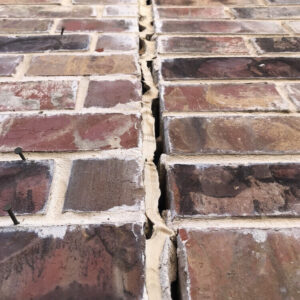
What truly matters is the pattern, size, and location of the cracks. A long, stair-step crack in brick that widens over time, or interior cracks that run from the corners of doors and windows up toward the ceiling, may indicate differential settlement—where parts of the foundation move unevenly. On the other hand, a single, thin crack that never changes in size could be the result of normal seasonal movement or even minor construction imperfections. This is why professional evaluation is so important: not every defect carries the same weight.

Dalrock Foundation Repair technicians in Dallas don’t just glance at a wall and declare doom. They take measurements, look at the entire structure, and compare multiple indicators: doors that stick, sloping floors, gaps at trim, and exterior grading. Sometimes, the recommendation is simple monitoring, not immediate repair. By understanding that not all cracks are equal, you can avoid unnecessary stress and focus on the issues that actually threaten your home’s stability.

Myth 2: Foundation Repair Can Wait

Another damaging myth is the belief that foundation problems are slow-moving and can be safely postponed for years without consequences. In North Texas, where expansive clay soils swell with moisture and shrink in drought, foundation movement can accelerate quickly when conditions change. A minor shift this year can become a major tilt in a few seasons if water drainage, plumbing leaks, and soil conditions are not managed.

Delaying repairs often leads to a chain reaction of secondary damage. As the foundation settles or heaves, walls crack deeper, floors become more uneven, and windows and doors twist out of square. This can affect roofing, plumbing lines beneath the slab, and even brick or stone veneers. What might have been a relatively straightforward repair with a smaller number of piers can evolve into a more extensive project that costs significantly more and takes longer to complete.

Dalrock Foundation Repair frequently sees Dallas homeowners who waited because a neighbor told them, “My house has been like that for years; it’s no big deal.” By the time they seek help, the cost of restoring the structure is higher than it needed to be. Acting early doesn’t mean rushing into unnecessary work; it means getting a professional evaluation and understanding your options before the problem grows. In many cases, early intervention plus better drainage and moisture management can stabilize a home and prevent more aggressive measures later on.

Myth 3: All Foundation Repairs Are The Same

Many people assume that “foundation repair” is a single, standard procedure—usually involving someone digging holes and putting in piers. In truth, there are multiple repair methods, materials, and design approaches, each with strengths and limitations. What works well for one home in Dallas may not be the right solution for another just down the street. Soil composition, home age, foundation type (slab vs. pier-and-beam), and the pattern of movement all influence the proper repair plan.

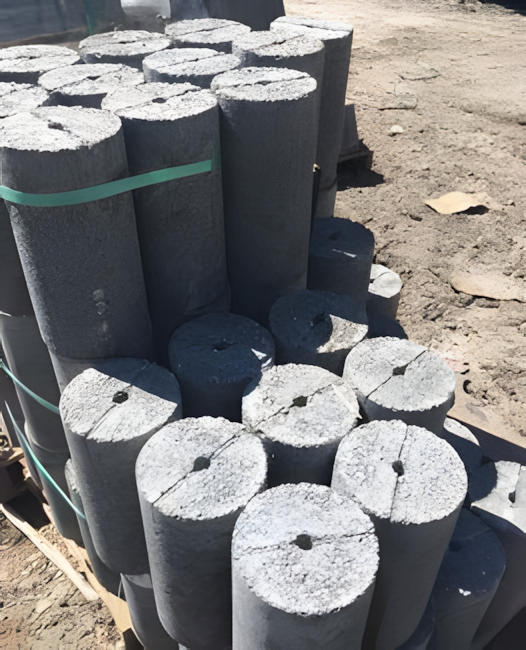
For example, concrete pressed piers, steel piers, and drilled piers each behave differently in expansive clays. Some penetrate deeper, some distribute loads differently, and some are better suited to specific site conditions or budgets. Pier-and-beam homes might need shimming, beam replacement, or under-floor drainage, while slab-on-grade homes often require perimeter piers or interior piers installed through the slab. A one-size-fits-all mindset ignores these important differences and can result in repairs that don’t fully address the root cause of movement.

Dalrock Foundation Repair evaluates each Dallas property individually, recommending solutions that match the structure rather than forcing the same method on every home. This is where experience in local soil conditions becomes crucial. A company that understands how North Texas clays behave through wet and dry cycles can design repairs that perform better over the long term. When you realize not all foundation repairs are identical, you’re better equipped to ask specific questions and compare proposals based on substance, not just price.

Myth 4: Foundation Repair Destroys Your Yard

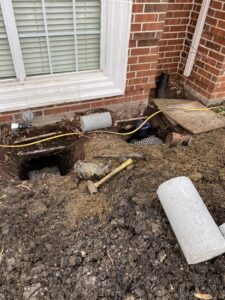
Homeowners often imagine foundation repair as a brutal process that leaves their yard ruined for months: giant trenches, broken landscaping, and a mess that never seems to end. While foundation work is intrusive by nature—after all, the work happens around or under your home—modern techniques and equipment are designed to minimize disruption. The picture of a completely destroyed yard is usually exaggerated or based on outdated practices.

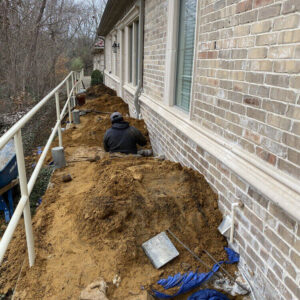
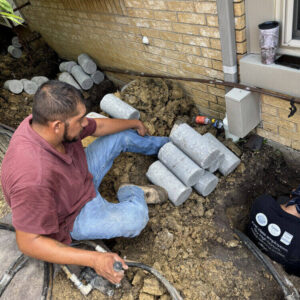
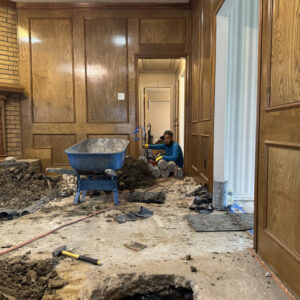
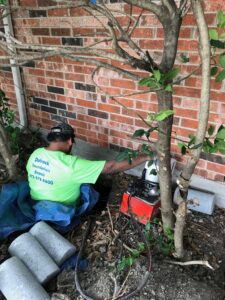
Today, many repairs use targeted excavations rather than long, continuous trenches. Crews carefully remove sections of sod, shrubs, or flower beds, then replace them after the piers are installed. In some cases, interior piers are installed from inside the home with specialized equipment, which can limit exterior disturbance. Yes, there will be some impact, but a professional company works systematically to restore your property as closely as possible to its original condition once the structural work is complete.

Dalrock Foundation Repair understands that in Dallas, curb appeal matters. Landscaping, outdoor living spaces, and irrigation systems are significant investments. Their crews plan access routes, protect as much vegetation as practical, and coordinate with homeowners about what may need to be temporarily relocated. When you understand that modern foundation repair respects your property rather than treating it as collateral damage, the idea of necessary work becomes less intimidating.

Myth 5: DIY Fixes And Quick Patches Work

It’s tempting to believe that a tube of caulk, a bit of mortar patch, or a cosmetic overlay can “fix” foundation issues. After all, if you hide the crack, the problem must be gone—right? Unfortunately, cosmetic repairs without structural correction are like repainting a car with a bent frame. The underlying movement continues, and the visible damage almost always returns, often worse than before.

DIY approaches can also create a false sense of security. A homeowner may fill a crack, see it disappear, and assume the issue is solved. Meanwhile, the soil under the home may still be shrinking unevenly, plumbing leaks may still be washing out support, or poor drainage may still be funneling water toward the foundation. By the time the crack reappears or new ones form, the structure may have shifted further, making professional repairs more complex.

There is a place for cosmetic touch-ups—after the foundation has been stabilized by a professional. Dalrock Foundation Repair routinely advises Dallas homeowners on the right sequence: first, identify and correct the cause of movement; second, allow the structure to settle into its new, supported position; and finally, repair interior finishes and exterior masonry. When you separate structural repair from cosmetic patching, you avoid the myth that surface fixes can replace true foundation work.

Myth 6: Any Contractor Can Handle It

Because foundation repair involves concrete, steel, and excavation, some people assume that any general contractor, handyman, or concrete company can do it. Foundation stabilization, however, is a specialized field that combines structural understanding, soil behavior, engineering principles, and experience with local conditions. A mistake here doesn’t just lead to an ugly result; it can compromise the long-term stability of your home.

Experienced foundation repair companies in Dallas, like Dalrock Foundation Repair, focus specifically on diagnosing and correcting structural movement. They use tools such as elevation surveys, laser levels, and plumbing tests to build a complete picture of what’s happening beneath your home. They also understand how to design pier layouts, determine load capacities, and plan lift procedures that avoid over-correction or additional damage to walls and finishes.

Credentials, warranties, and local track record matter. A specialized foundation company is more likely to stand behind its work for years, not just months, and to understand how repairs will perform through multiple wet and dry seasons. When you discard the myth that “any contractor will do,” you start looking for the right partner instead of the cheapest or most convenient option. That shift in perspective can make all the difference in the outcome of your Foundation Repair project.

Frequently Asked Questions

Do all Dallas homes eventually need foundation repair? Not every home in Dallas will require foundation repair, but many will experience some degree of movement because of our expansive clay soils and weather patterns. Minor settling is normal; the key is whether that movement affects the structure’s performance. If you notice cracks that grow, doors that suddenly stick, or visible slopes in floors, it’s wise to have a professional evaluation. Dalrock Foundation Repair can help distinguish between normal settling and movement that truly needs intervention.

How can I tell if a crack is serious or cosmetic? Size, direction, and behavior over time are the main clues. Hairline cracks in drywall that don’t change for months are often cosmetic. Wider cracks (especially more than 1/8 inch), stair-step cracks in brick, or cracks that extend from window and door corners can indicate structural movement. Monitoring is important: if a crack gets longer or wider, or if multiple signs (sticking doors, gaps at baseboards, sloping floors) appear together, it’s time to call a specialist like Dalrock Foundation Repair for a thorough inspection.

Will foundation repair fix all my interior cosmetic damage? Foundation repair is designed to stabilize and re-level the structure, not to restore every cosmetic finish. In many cases, lifting and stabilizing the foundation will help close some cracks and improve door and window operation, but drywall, flooring, and trim often need separate cosmetic repair afterward. Most professionals recommend waiting a short period after structural work before making final cosmetic fixes, to allow the home to adjust to its new, supported position.

Is foundation repair covered by homeowners insurance? In most situations, standard homeowners insurance does not cover foundation repair caused by soil movement, normal settlement, or drainage issues. However, damage from sudden events like certain plumbing leaks or other covered perils may be partially covered, depending on your policy. Because coverage varies widely, it’s smart to review your policy and speak directly with your insurance agent. Dalrock Foundation Repair can provide documentation of their findings, which can be helpful if you need to discuss a specific incident with your insurer.

How often should I have my foundation checked? There is no strict schedule, but for homes in Dallas, an inspection every few years—or sooner if you notice new warning signs—is a reasonable guideline. Major weather shifts, nearby construction, or changes in drainage patterns around your property are good reasons to schedule a checkup. An early, professional assessment from a company like Dalrock Foundation Repair can catch developing issues while they are still manageable, helping you avoid larger, more expensive repairs down the road.

Call
Contact
Search Website
Contact
Call
Text
Email