The first sign was a tiny hairline crack above the dining room doorway. It seemed harmless, the kind of cosmetic flaw you might ignore until the next paint job. Months later, that same homeowner in Dallas noticed the doors sticking on humid days, a slight slope to the living room floor, and a gap between the kitchen countertop and the wall. By the time a professional was called, the foundation had shifted enough that repairs were more complex and expensive than they needed to be. All of this started with something that could have been caught early through a simple, regular foundation inspection.
In North Texas, where soil moves with every dry spell and heavy rain, your home’s foundation is under constant stress. The problem is that foundations rarely fail overnight. They change gradually, often quietly, while life goes on inside the house. Regular foundation inspections are like annual checkups for your home’s structural health. They help you catch small issues before they grow into major structural problems that affect your comfort, safety, and wallet.
For homeowners in Dallas, TX, working with a local specialist like Dalrock Foundation Repair can mean the difference between a manageable adjustment and a full-scale repair project. Consistent inspections create a record of how your foundation is performing over time, giving you a clear picture of what’s happening beneath your floors. Instead of waiting for visible damage, you stay ahead of it, protecting what is often your biggest investment: your home.
Why Foundations Need Attention
Most people assume that once a foundation is poured, it’s “set and forget.” In reality, a foundation is constantly reacting to the soil and environment around it. In Dallas, expansive clay soils swell when wet and shrink when dry. This movement exerts tremendous pressure on the concrete slab or pier-and-beam system supporting your home. Over years of seasonal cycles, that movement can cause settling, shifting, and cracking that you may not notice right away.
Unlike a leaky faucet or a broken window, foundation problems are subtle at first. A small crack in the brick, a window that doesn’t close quite right, or a minor gap at the baseboard can be early indicators of underlying movement. Without regular inspections, it’s easy to dismiss these as normal aging. But a trained foundation specialist knows how to interpret these signs in context, distinguishing between harmless cosmetic issues and structural red flags.
Dallas homes are particularly vulnerable because of the region’s weather extremes. Long periods of drought followed by intense downpours put the soil in a constant cycle of expansion and contraction. Over time, this can cause sections of your foundation to settle unevenly. Regular inspections by a company familiar with local conditions, such as Dalrock Foundation Repair, help ensure that your foundation is not silently being compromised by forces you can’t see.
Early Detection Saves Money
One of the most compelling reasons to schedule regular foundation inspections is cost control. Foundation repairs can range from minor adjustments and crack sealing to extensive lifting and stabilization. When issues are caught early, repairs tend to be more localized, less invasive, and less expensive. Waiting until the symptoms are obvious often means the damage has progressed, requiring more materials, more labor, and more disruption to your daily life.
Consider the difference between sealing a few small cracks and installing a full set of piers around a sinking corner of the house. Both situations involve foundation movement, but the first can often be addressed quickly and affordably if it’s found early. The second typically results from years of unnoticed or ignored settling. Regular inspections act as a safeguard, giving you the chance to act while problems are still manageable.
There is also a hidden financial benefit: protecting the value of your property. Homes in Dallas with documented foundation inspections and timely repairs tend to fare better during resale. Buyers are understandably cautious about structural issues. Being able to show that Dalrock Foundation Repair or another reputable local company has monitored and maintained your foundation can give potential buyers confidence and reduce negotiation pressure over perceived risks.
What A Professional Inspection Includes
Many homeowners are unsure what actually happens during a professional foundation inspection. It is much more than a quick glance at a few cracks. A thorough evaluation starts with a visual assessment of both the interior and exterior of your home. The inspector will look at walls, ceilings, doors, windows, floors, and the perimeter of the foundation, noting any signs of movement, separation, or distortion.
Beyond the visual check, professionals often use specialized tools to measure and document foundation performance. Elevation readings are a common component. Using precise instruments, the inspector can detect subtle changes in floor levels that might not be obvious to the naked eye. These measurements help identify where the foundation may be settling or heaving, and they provide a baseline to compare against future inspections.
In Dallas, a knowledgeable inspector will also pay close attention to drainage patterns, gutters, grading, and landscaping near the home. Poor drainage can concentrate water around the foundation, intensifying soil movement. Dalrock Foundation Repair and other local experts understand how these environmental factors influence long-term foundation behavior. The final step is typically a detailed explanation of findings, including whether the foundation is stable, showing early warning signs, or in need of repair. This clear communication gives you a roadmap for what to do next.
Dallas Soil And Weather Challenges
To understand why regular inspections are so critical in Dallas, you need to look under your feet. Much of the region is built on expansive clay soil. When this soil gets wet, it swells; when it dries, it shrinks. This repeated cycling is like slowly bending a paperclip back and forth. At first the metal springs back, but eventually it weakens and breaks. Your foundation experiences a similar long-term stress from the soil’s constant movement.
Weather patterns in North Texas amplify this effect. Extended stretches of high heat and drought pull moisture out of the soil, causing it to contract and pull away from the foundation. Then, when heavy rain arrives, water rushes back in, the soil expands, and pressure builds again. These drastic changes can cause uneven lifting or sinking, sometimes affecting only part of the house. Without regular inspections, you may not notice subtle changes until they become major structural issues.
Dallas homeowners also have to consider man-made factors like irrigation systems, tree placement, and neighborhood development. Overwatering near the foundation can saturate the soil, while large trees can draw moisture away and create localized drying. New construction nearby can alter drainage patterns and soil behavior around your home. Routine inspections from a local company like Dalrock Foundation Repair ensure that someone is watching how all these variables are affecting your foundation over time.
How Inspections Protect Your Daily Comfort
Foundation problems are not just about cracks in the concrete. They ripple through your entire living space. When a foundation shifts, it can cause doors to misalign, windows to jam, and floors to slope. These changes may start as minor annoyances, but over time they affect how comfortable and functional your home feels. Regular foundation inspections help catch the root cause early, so you are not constantly adjusting doors, planing edges, or living with uneven floors.
Structural movement can also impact other systems in your home. Plumbing lines that run through or under the slab can be stressed or broken as the foundation moves. This can lead to leaks, higher water bills, or even hidden water damage that promotes mold growth. Electrical and HVAC systems can also be affected if walls and floors shift significantly. By keeping a close eye on the foundation, you reduce the risk of these secondary problems that can be more disruptive than the foundation repair itself.
From a peace-of-mind perspective, knowing that a professional has evaluated your foundation and found it stable is invaluable. Instead of worrying every time you see a new hairline crack or hear a creak, you have a clear understanding of what is normal for your home and what would be cause for concern. Dalrock Foundation Repair can provide that reassurance to Dallas homeowners, offering regular inspections that turn unknowns into knowns, and surprises into planned maintenance.
Creating A Long-Term Inspection Plan
One of the most effective ways to protect your home is to treat foundation inspections as part of your regular home maintenance routine. Just as you schedule HVAC servicing or roof checks, you can set a recurring timeline for foundation evaluations. For many Dallas homes, an inspection every one to two years is a reasonable starting point, though homes with known soil issues, past repairs, or significant landscaping changes may benefit from more frequent checks.
Keeping records is a key part of this plan. Each inspection should generate notes, measurements, and, ideally, elevation data. Over time, this information becomes a history of your home’s structural health. If movement is detected, your foundation specialist can compare current readings with past results to determine whether the change is new, ongoing, or stabilized. Dalrock Foundation Repair can maintain this continuity, providing a consistent set of eyes and data points for your property.
A long-term inspection strategy also helps with budgeting and planning. Instead of being blindsided by a sudden major repair, you might learn that a certain corner of the house is gradually settling and may need attention in the coming years. That advance notice allows you to prepare financially and logistically. It also gives you time to address contributing factors, such as improving drainage or adjusting irrigation, potentially slowing or reducing the need for major work.
Frequently Asked Questions
How often should I have my foundation inspected in Dallas? For most homes in Dallas, having a professional foundation inspection every one to two years is a smart guideline. However, if you notice new cracks, doors suddenly sticking, or changes after extreme weather, you should schedule an inspection sooner. Homes with a history of foundation issues, prior repairs, or significant soil movement may benefit from annual evaluations. A local specialist like Dalrock Foundation Repair can help you determine the best interval based on your specific property and neighborhood conditions.
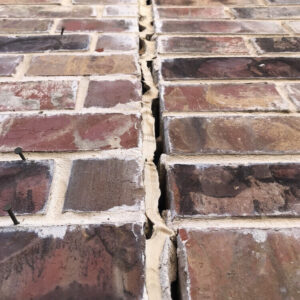
What are the early warning signs of foundation problems? Early signs can be subtle. Common indicators include small cracks in interior walls or ceilings, gaps between walls and floors, doors or windows that suddenly start sticking, and hairline cracks in exterior brick or the foundation itself. You might also notice sloping or uneven floors, separation at corners, or gaps appearing around window frames. While any one of these signs might not confirm a serious issue, a professional inspection can determine whether they point to meaningful foundation movement or are simply cosmetic.
Can I inspect my foundation myself? You can and should keep an eye on visible areas of your home, noting changes like new cracks or misaligned doors. However, a full foundation inspection requires tools, training, and experience that most homeowners do not have. Professionals use elevation measurements, understand local soil behavior, and know how to interpret patterns of movement. A do-it-yourself check can alert you to potential problems, but it is not a substitute for a comprehensive evaluation by a company such as Dalrock Foundation Repair, especially in a challenging environment like Dallas.
Do all cracks mean I need foundation repair? Not every crack is a sign of serious structural trouble. Some small, isolated cracks can result from normal settling or temperature changes. The concern arises when cracks are wider, growing, or accompanied by other symptoms like sticking doors, uneven floors, or separation at corners. During a professional inspection, the specialist will assess the size, location, and pattern of cracks, along with elevation data, to determine whether repair is needed. Regular inspections help distinguish between harmless cosmetic issues and signs of genuine foundation movement.
How do foundation inspections relate to overall home value? Regular foundation inspections can significantly protect and even enhance your home’s value. In a market like Dallas, where buyers are aware of soil and foundation risks, having documentation of consistent inspections and timely repairs builds trust. It shows that you have proactively cared for the structural integrity of the property. If you ever need actual Foundation Repair, records of past inspections and work performed provide transparency and reassurance to future buyers, reducing uncertainty and potential price reductions tied to structural concerns.