If you are buying a home for the first time in Dallas–Fort Worth, foundation issues are not just a technical detail buried in the inspection report. They can affect everything from your safety and comfort to your budget and long‑term resale value. North Texas is notorious for expansive clay soils and dramatic weather swings, which means foundations move more here than in many other parts of the country. Understanding the basics of foundation repair before you sign on the dotted line can save you from expensive surprises and help you negotiate with confidence.
Many new buyers assume that a small crack or a sticky door is a cosmetic problem. In reality, these can be early warning signs that the structure beneath your feet is shifting. Some homes in Dallas need only minor adjustments or drainage improvements, while others may require engineered repairs with piers or other support systems. Knowing the difference – and knowing when to bring in a specialist like Dalrock Foundation Repair – is what separates a smooth home purchase from a financial headache.
Foundation concerns do not have to scare you away from an otherwise great house. Instead, they should prompt better questions and smarter decisions. When you understand how foundations work, what typical damage looks like, and how repairs are designed and priced, you can evaluate homes more calmly, use inspection findings as leverage, and plan realistically for future maintenance. That is what this guide is designed to help you do.
Why Dallas Homes Shift
Dallas and the surrounding suburbs sit on soils that expand when wet and shrink when dry. This constant swelling and shrinking is one of the main reasons foundation problems are so common in North Texas. During long dry spells, the soil contracts and pulls away from your foundation, creating gaps and loss of support. When heavy rains arrive, the soil swells again, sometimes unevenly, lifting parts of the slab or pushing against piers and beams. Over time, this movement can crack concrete, distort framing, and misalign doors and windows.
In addition to the natural soil conditions, construction practices and neighborhood development patterns play a role. Older homes may have shallower footings or less robust reinforcement than newer builds. Some subdivisions were graded in a way that encourages water to collect near certain homes, putting extra stress on those foundations. Even landscaping choices, like large trees planted too close to the structure, can pull moisture from the soil and increase differential movement between one side of the house and the other.
Climate patterns add another layer of complexity. Periods of drought followed by intense storms, which are common around Dallas, amplify the expansion and contraction cycle. This is why two houses built in the same year, just a few streets apart, can have very different foundation histories. When Dalrock Foundation Repair evaluates a property, they do not just look at the cracks; they look at the soil profile, drainage, vegetation, and neighborhood context to understand why the house is moving and how best to stabilize it.
Visible Signs New Buyers Should Watch For
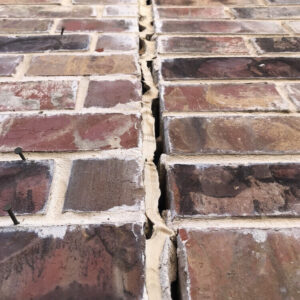
When you walk through a home as a buyer, you are usually focused on finishes, layout, and neighborhood feel. It is easy to overlook subtle clues that the foundation may be under stress. One of the most common signs is interior cracking: diagonal cracks above doors, jagged cracks at the corners of windows, and stair-step cracks in brick or masonry on the exterior. Hairline cracks in drywall can be normal, but larger gaps that keep widening, or cracks that run from the corners of openings, warrant closer attention.
Doors and windows are another giveaway. If interior doors will not latch, rub heavily at the top, or swing open or closed on their own, it can indicate that the frame has gone out of square because the underlying structure has shifted. Windows that stick or show uneven gaps around the frame may tell the same story. On the outside, look at the brick mortar lines and the trim around windows and doors. Wide, tapered cracks or gaps that you can fit a coin into are red flags.
Floors can also reveal foundation movement. In slab-on-grade homes, you may feel slopes, dips, or “ridges” as you walk across rooms. In pier-and-beam homes, listen for excessive creaking and notice if furniture seems to lean or if balls or small objects tend to roll in certain directions. While no house is perfectly level, pronounced changes in elevation over short distances can signal that part of the foundation is settling or heaving. Dalrock Foundation Repair often uses precision instruments to map these elevations, but as a buyer you can get an initial sense simply by paying attention to how the house feels underfoot.
How Professional Foundation Inspections Work
A standard home inspection will mention obvious cracks or sticking doors, but it is not a substitute for a specialized foundation evaluation. Foundation repair contractors and structural engineers use more detailed methods to determine whether movement is cosmetic, typical for the area, or serious enough to require repair. When Dalrock Foundation Repair inspects a property, they start with a thorough visual walkthrough, noting cracks, separations, and any signs of water intrusion or poor drainage around the perimeter.
The next step often involves taking elevation readings throughout the interior using a digital level or similar instrument. These measurements create a contour map showing how far different parts of the slab have moved relative to one another. For pier-and-beam homes, inspection may also involve accessing the crawlspace to check the condition of beams, joists, and supports. This quantitative data is important because it separates normal, gradual movement from more dramatic shifts that could compromise the structure.
Context is just as important as numbers. A skilled inspector will ask questions about the age of the home, prior repairs, and any changes the seller has made to drainage, landscaping, or plumbing. In many Dallas homes, plumbing leaks beneath the slab can wash out supporting soil, causing localized settlement. If there is evidence of previous foundation work, such as patched brick or pier caps visible at the base of the foundation, the inspector will try to determine whether that work is performing as intended. As a buyer, you should always ask for documentation of any prior foundation repairs, including warranties and engineering reports.
At the end of the inspection, you should receive a clear explanation, not just technical jargon. A good foundation specialist will describe what is happening, why it is happening, and what your options are. They should outline whether repairs are necessary now, advisable in the near future, or mainly a monitoring and maintenance situation. Dalrock Foundation Repair, for example, will typically walk buyers through potential repair plans, cost ranges, and how those repairs could affect the home’s value and livability.
Common Repair Methods Explained
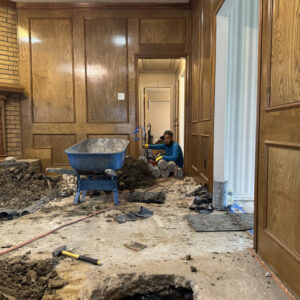
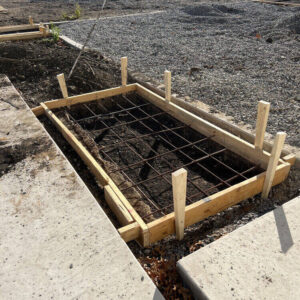
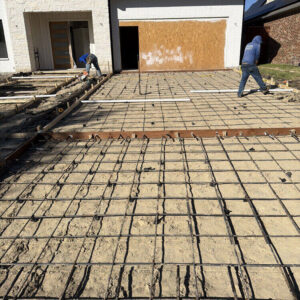
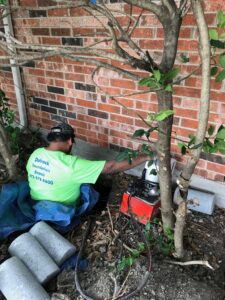
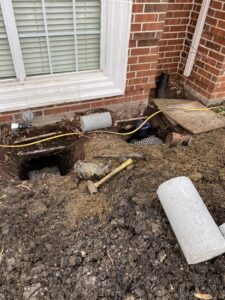
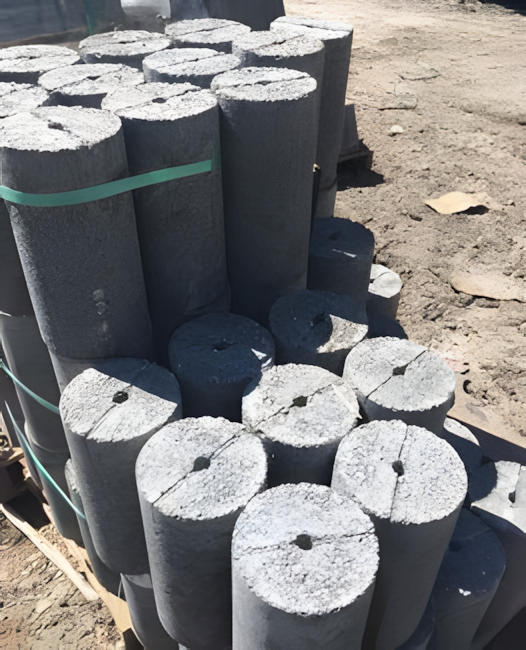
Foundation repair is not one-size-fits-all, and understanding the basic methods will make inspection reports and estimates much easier to interpret. In the Dallas area, many slab foundations are stabilized using piers installed around the perimeter or beneath interior load-bearing walls. These can be concrete pressed piers, steel piers, or drilled piers, each with their own advantages depending on soil conditions, depth to stable strata, and budget. The general idea is to transfer the weight of the structure from unstable surface soils to deeper, more stable layers.
For pier-and-beam homes, repairs may focus more on adjusting or replacing individual supports under the house. This can involve installing new concrete pads, adding or shimming piers, or replacing damaged beams and joists. Because these structures are elevated, access is easier in some ways, but moisture control under the house becomes especially critical. Proper ventilation, vapor barriers, and drainage improvements often go hand-in-hand with structural work in these homes.
Drainage correction is another key component of many repair plans. Even the best pier system will struggle if water is constantly ponding against the foundation. Solutions can include regrading soil to slope away from the house, installing surface drains or French drains, extending downspouts, and managing irrigation schedules. In Dallas, where sprinkler systems are common, overwatering near the foundation can be just as harmful as heavy rain. Dalrock Foundation Repair frequently incorporates drainage strategies into their recommendations because stabilizing the soil environment is essential to protecting your investment.
Finally, cosmetic repairs often follow structural work. Once the foundation is stabilized and, in some cases, lifted, drywall cracks can be patched, doors adjusted, and exterior brick repaired. As a buyer, it is wise to understand that some cosmetic issues may remain even after structural repairs; the goal is to stop ongoing movement, not to erase every sign that the home has ever shifted. A reputable contractor will be transparent about what repairs can and cannot accomplish from an appearance standpoint.
Costs, Warranties, and Negotiating as a Buyer
One of the biggest questions new buyers have is how much foundation repair will cost and who should pay for it. In the Dallas market, repair costs can range widely, from a few thousand dollars for minor adjustments and drainage corrections to tens of thousands for extensive pier installations on large homes. The scope of work, type of piers, depth to load-bearing strata, and access issues all influence pricing. Getting at least one detailed estimate from a trusted company like Dalrock Foundation Repair can give you a realistic number to work with during negotiations.
Warranties are another critical piece. Many foundation companies offer transferable warranties on their work, which can be a selling point for future buyers. When reviewing a home with past or proposed foundation repairs, ask whether the warranty transfers automatically, whether there are fees, and what exactly is covered. Some warranties cover only the specific areas where piers were installed, while others may be more comprehensive. Read the fine print on required maintenance, such as keeping gutters clear or maintaining proper drainage, because failing to do so can void coverage.
From a negotiation standpoint, documented foundation issues do not automatically mean you should walk away. Instead, they can become a tool for adjusting the purchase price, requesting repairs before closing, or obtaining seller credits so you can hire your preferred contractor after you take ownership. Many experienced Dallas buyers and real estate agents treat foundation reports like any other major system evaluation, similar to a roof or HVAC assessment. As long as the problem is understood, repairable, and appropriately priced into the deal, the home can still be a solid investment.
When you receive a foundation estimate, do not hesitate to ask questions. Clarify how many piers are being proposed, where they will go, and why. Ask about the expected results: Will the home be lifted, stabilized in place, or both? Will additional monitoring be needed? A transparent company will explain their reasoning and help you see how the proposed solution addresses the specific problems identified in the inspection. This clarity will make you more confident in both your repair decisions and your negotiations with the seller.
Preventive Care After You Move In
Once you own the home, your role shifts from investigator to caretaker. Preventive maintenance is one of the most powerful tools you have to protect your foundation over the long term. In the Dallas area, managing moisture around the home is at the top of that list. Aim for consistent soil moisture levels by avoiding extremes: do not allow the soil to bake and crack away from the foundation during droughts, and do not saturate it through overwatering. Many homeowners use soaker hoses placed a couple of feet away from the foundation and run them gently during extended dry periods to keep moisture more even.
Gutters and downspouts are another simple but crucial line of defense. Make sure gutters are clear and sized appropriately for your roof area, and extend downspouts far enough that water is discharged well away from the foundation. If you notice water pooling near the house after storms, consider regrading the soil, adding drains, or consulting with a contractor about more robust drainage solutions. Dalrock Foundation Repair often emphasizes that controlling water is as important as any pier system when it comes to long-term stability.
Regularly walk around your home, inside and out, looking for new cracks, separations, or changes in how doors and windows operate. Catching small issues early can allow for minor adjustments rather than major repairs later. Keep records of any changes you notice and any work you have done. This history can be invaluable if you decide to sell or if you ever need warranty service on previous repairs.
Finally, treat foundation care as part of your overall homeownership routine, not as a one-time concern. Just as you service your HVAC system and check your roof periodically, make a habit of evaluating your foundation environment. If you ever feel uncertain, schedule a checkup with a reputable company. Having an ongoing relationship with a local specialist like Dalrock Foundation Repair in Dallas means you have a trusted resource to call before minor concerns turn into major issues.
Frequently Asked Questions
Do all cracks mean the foundation is failing? Not necessarily. Many homes, especially older ones in Dallas, will have some cracking in drywall or brick that is primarily cosmetic. Hairline cracks that do not change over time may simply reflect normal settling or minor seasonal movement. However, larger cracks, cracks that widen or lengthen, or those that appear in combination with sticking doors, uneven floors, or separated trim can indicate more serious foundation movement. The safest approach is to have suspicious cracks evaluated by a foundation professional who can measure elevations and assess the overall pattern of movement.
Should I avoid buying a house that has had foundation repair? A previous foundation repair is not automatically a deal breaker. In fact, if the work was done by a reputable company and is backed by a transferable warranty, it can be a positive sign that the issue has been addressed. What matters most is the quality of the repair, the adequacy of the design, and whether the underlying cause (such as poor drainage) was also corrected. Ask for documentation, including engineering reports and warranty details, and consider having a company like Dalrock Foundation Repair review the home to confirm that the system is performing as intended.
How much does foundation repair typically cost in Dallas? Costs vary widely depending on the size of the home, the severity and location of the movement, the type of foundation, and the repair method used. Minor stabilization or drainage improvements might start in the low thousands, while extensive pier installation on a large or severely affected home can reach into the tens of thousands. Because of this range, it is important to obtain a detailed, written estimate tailored to the specific property. A thorough evaluation will identify the minimum work needed to stabilize the structure and help you understand where your money is going.
Is it better to have the seller fix the foundation or to get a credit and handle it myself? Both options can work, and the best choice depends on your comfort level and the specifics of the transaction. Having the seller complete repairs before closing can be convenient, but you will want to ensure they use a reputable contractor and that the work comes with a solid, transferable warranty. Taking a credit and hiring your own contractor after closing gives you more control over who does the work and how it is designed. Many buyers in Dallas prefer this route so they can work directly with a trusted company and fully understand the repair plan. In either case, clear documentation and communication are essential.
How do I choose a reliable foundation repair company? Look for a company with a long track record in your specific region, since local soil and climate conditions matter. Check reviews, ask for references, and verify insurance and any professional affiliations. A reliable contractor will perform a detailed inspection, explain their findings in plain language, and provide a written proposal outlining the scope of work, costs, and warranty terms. Be cautious of high-pressure sales tactics or quotes that seem dramatically lower than others without a clear explanation. In the Dallas area, companies like Dalrock Foundation Repair have built their reputation on thorough evaluations, straightforward communication, and solutions tailored to local conditions.
To learn more about local options and what to expect from a professional evaluation, you can explore resources related to Foundation Repair and speak directly with experienced specialists who understand Dallas soils and homes.