Why You Should Consider Foundation Repair

Cracks in the walls, doors that suddenly stick, floors that don’t feel quite level anymore – many Dallas homeowners notice these changes and chalk them up to “old house problems” or shifting weather. But in North Texas, where expansive clay soils and dramatic temperature swings are the norm, these subtle signs can be early warnings of foundation trouble. Choosing to ignore them is easy in the moment, yet doing so can quietly put your home’s safety, value, and comfort at risk. This is exactly why you should consider foundation repair long before the damage becomes impossible to overlook.

Right now, Dallas and the surrounding areas are experiencing cycles of drought, heavy rain, and intense heat that cause the ground to swell and shrink repeatedly. That constant movement puts tremendous stress on your foundation, even if your home looks fine from the outside. Many problems start small and progress slowly, which makes them deceptively easy to postpone. However, the difference between addressing a foundation issue early and waiting several years can be measured in thousands of dollars, major structural repairs, and serious stress. Acting sooner rather than later is not just a maintenance choice; it is a financial and safety decision.

Dalrock Foundation Repair has seen this pattern play out in neighborhoods across Dallas, TX for decades: homeowners ignore early warning signs, assuming things will stabilize on their own, only to face major structural failures later. Considering foundation repair now means taking control of your home’s future, not reacting in panic after damage has spread. It is about protecting your investment, safeguarding your family, and making sure the place you live remains solid beneath your feet.

Hidden Risks Beneath Your Home

Most of what happens to your foundation is invisible, buried under soil, landscaping, and concrete. That makes it tempting to forget about until something dramatic occurs, like a large crack or significant floor movement. The trouble is that foundations rarely fail overnight. Instead, they deteriorate in stages, and those early stages are when repairs are most manageable and cost-effective. When you take foundation issues seriously at the first sign, you stop hidden problems from spreading through the rest of your home.

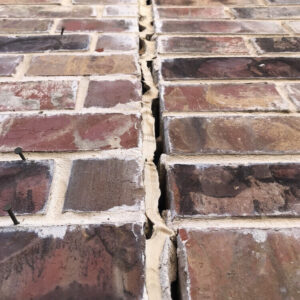
In Dallas, the expansive clay soil is a major culprit. During dry spells, the soil shrinks and pulls away from your foundation; during rainy periods, it swells and exerts massive pressure on the structure. Over time, this repeated expansion and contraction can cause the foundation to settle unevenly, tilt, or crack. You might not see the footing itself, but you will see the symptoms: diagonal cracks in drywall, gaps around window frames, separations between brick and trim, and uneven floors. These clues are your home’s way of telling you something is moving underneath.

Ignoring these warning signs can lead to more than cosmetic issues. As the foundation shifts, it can affect plumbing lines, creating leaks under the slab that further erode the soil and accelerate movement. It can strain framing members, misaligning roof structures and increasing the risk of leaks and energy loss. The longer the foundation is allowed to move unchecked, the more parts of the home become involved, turning what could have been a focused repair into a full-scale structural rehabilitation. Considering foundation repair early is essentially about preventing a domino effect.

Dalrock Foundation Repair understands how to interpret these subtle indicators and trace them back to the real source of the problem. A professional evaluation looks past the surface symptoms and examines how your entire structure is behaving. This holistic view is what allows technicians to recommend solutions that stabilize the foundation and protect the rest of your home before the damage escalates.

Financial Reasons To Act Early

Many homeowners hesitate to schedule a foundation inspection because they assume it will automatically lead to a huge expense. In reality, delaying that call is often what makes foundation work expensive. Smaller issues caught early can often be stabilized with fewer piers, less disruption, and lower material and labor costs. As movement continues and damage spreads, the scale of the required repair tends to increase dramatically.

Consider the difference between addressing a small area of settlement along one side of the house versus correcting widespread movement affecting multiple corners and interior beams. The first scenario might involve a limited number of support piers and minor cosmetic repairs afterward. The second often demands a more complex engineering plan, more piers, possible plumbing adjustments, and extensive interior and exterior restoration. The cost curve is not linear; it accelerates as the damage progresses.

Foundation problems can also impact the value of your home in very tangible ways. When it comes time to sell, buyers in Dallas, TX are increasingly educated about foundation issues. They will ask for inspection reports, look for cracks, and often request concessions if they suspect structural concerns. A documented, professionally completed repair with a warranty from a local, trusted company like Dalrock Foundation Repair can actually help preserve your home’s value. On the other hand, an unresolved foundation problem can scare away buyers or force you to accept a significantly lower price.

There is also the cost of living with ongoing problems to consider. Doors and windows that do not close properly can increase heating and cooling costs. Cracked tile and drywall may need repeated patching as movement continues. Plumbing leaks under the slab can lead to high water bills and hidden water damage. By stabilizing the foundation, you are not just paying for piers; you are investing in fewer recurring repairs and more predictable maintenance costs over the long term.

Comfort, Safety, And Daily Living

Beyond the financial and structural aspects, foundation issues directly affect how your home feels to live in. Uneven floors can make simple tasks uncomfortable or even hazardous, especially for children, older family members, or anyone with mobility challenges. Doors that jam, cabinets that shift out of alignment, and cracks that keep reappearing in walls and ceilings create a constant sense that something is not quite right. Addressing foundation problems restores a level of comfort and normalcy that is easy to underestimate until you experience the difference.

Safety is an even more important factor. As the foundation moves, the loads on your home’s framing, roof, and walls change. This can weaken structural connections and create points of stress that may not be obvious at first glance. In severe cases, brick or stone veneers can separate enough to risk falling, and interior framing can distort enough to compromise the integrity of certain rooms. While catastrophic failures are rare, the gradual decline in structural reliability is a risk not worth taking when solutions are available.

There is also the emotional toll of living with a home that seems to be slowly deteriorating. Many Dallas homeowners describe a constant background worry about whether the cracks are getting worse, whether the next rainstorm will cause more shifting, or whether they will be able to sell the home later. Choosing to pursue foundation repair with a reputable company like Dalrock Foundation Repair replaces that ongoing stress with a plan, a solution, and a warranty-backed sense of security. Knowing that the foundation has been professionally evaluated and stabilized allows you to focus on enjoying your home again.

For families planning to stay in their homes long term, comfort and safety are not optional luxuries. They are core reasons to consider foundation repair as a proactive step rather than a last resort. Fixing underlying issues now means you can renovate, decorate, and invest in other improvements with confidence that the structure beneath them will remain stable.

Why Dallas Homes Are Especially Vulnerable

Location plays a major role in how urgently you should consider foundation repair. In Dallas, TX, the combination of climate, soil conditions, and construction styles creates a perfect environment for foundation movement. The region’s expansive clay soil is notorious for its sensitivity to moisture. When it is dry, it contracts and can leave voids under your foundation. When it is wet, it swells and pushes against the slab or pier-and-beam system. This continuous cycle is more intense here than in many other parts of the country.

Climate patterns amplify this effect. Extended summer heat dries out the ground, especially during drought conditions and watering restrictions. Sudden storms or seasonal rains then saturate the soil, causing rapid expansion. Older neighborhoods with mature trees can experience even more dramatic changes because tree roots draw moisture from the soil, creating localized areas of shrinkage around the root systems. Homes in these areas often show differential settlement, where one part of the foundation moves more than another.

Construction methods also influence how foundations respond to these conditions. Many Dallas homes were built during times of rapid growth, and while most are structurally sound, not all foundations were designed with today’s understanding of soil-structure interaction. Some properties may lack adequate drainage, have improper grading, or rely on outdated foundation designs that are more susceptible to movement. These factors do not mean your home is doomed; they simply mean that being attentive to foundation performance is especially important in this region.

Dalrock Foundation Repair’s experience in Dallas, TX gives them insight into neighborhood-specific patterns. Certain areas tend to see more settlement, others more heaving, and some a mix of both. When you invite a local specialist to evaluate your home, you are drawing on this regional knowledge, not just generic construction theory. That localized expertise leads to more accurate diagnoses and repair plans tailored to the specific challenges of North Texas soil and weather.

What Professional Foundation Repair Involves

One reason some homeowners delay action is uncertainty about what foundation repair actually entails. Imagining your yard torn up or your home on jacks can be intimidating. In practice, modern foundation repair methods are precise, engineered processes designed to minimize disruption while maximizing structural benefit. Understanding the basics of the process makes it easier to see why it is worth considering.

The first step is a thorough inspection. A trained technician will walk the property, look for visible signs of movement, take elevation readings inside the home, and evaluate drainage and grading. They will ask about the history of the house, when cracks first appeared, and whether doors and windows have changed behavior over time. This information helps distinguish between normal aging and true structural concerns. From there, they can determine whether the foundation is settling, heaving, rotating, or experiencing another form of movement.

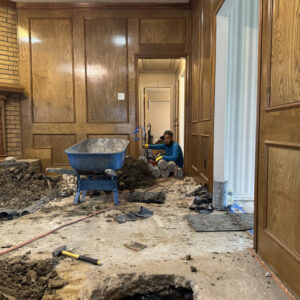
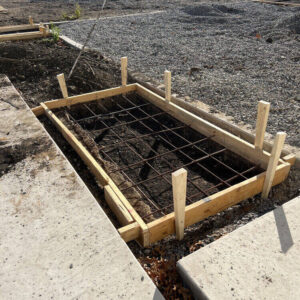
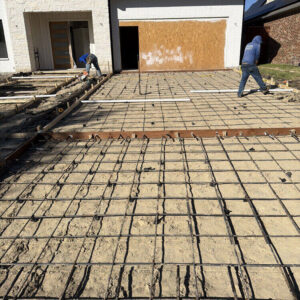
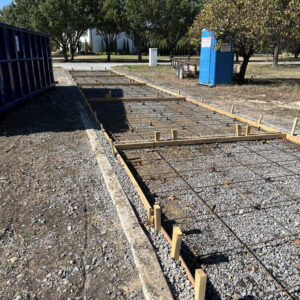
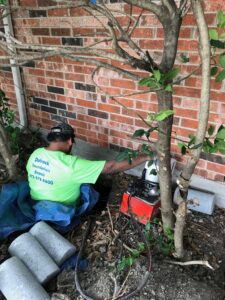
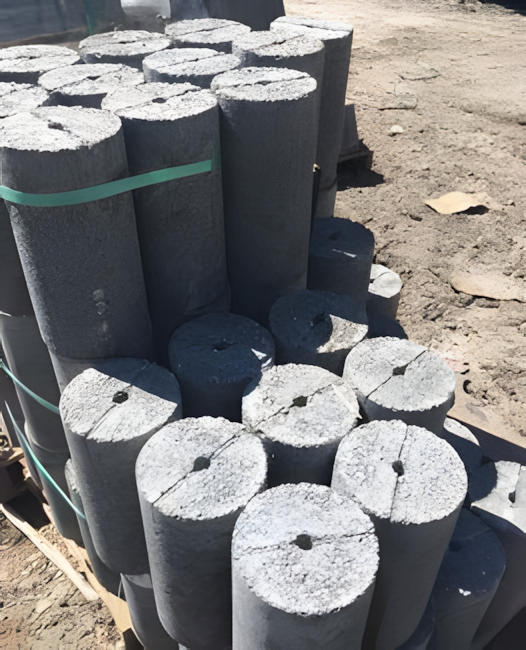
If repair is recommended, a detailed plan is developed. For slab foundations, this often involves installing support piers along the perimeter and sometimes under interior beams. These piers extend down to more stable soil or bedrock, creating a reliable base that resists further movement. Hydraulic equipment is used to carefully lift and stabilize sections of the foundation as needed. For pier-and-beam homes, repairs may include replacing deteriorated piers, adding new supports, and shimming beams to restore level floors. In both cases, the objective is to transfer the weight of the home to stable supports and stop ongoing movement.

Dalrock Foundation Repair focuses on long-term stability rather than temporary fixes. Once the structure is stabilized, homeowners can then address cosmetic repairs such as patching cracks, adjusting doors and windows, and replacing damaged flooring with confidence that these improvements will last. Many systems also come with transferable warranties, providing future buyers with documented assurance that the foundation has been professionally corrected. Knowing what to expect from the process helps you see it not as a disruption, but as a critical upgrade to your home’s structural health.

Choosing The Right Partner For The Job

If you have decided that it is time to consider foundation repair, the company you choose matters as much as the decision itself. Foundation work directly affects the safety and value of your home, so it is not an area where cutting corners pays off. You want a contractor with a solid track record in Dallas, clear communication, and solutions that are backed by engineering knowledge and real warranties.

Start by looking for a company that specializes in foundation work rather than treating it as a side service. Dedicated foundation repair firms understand local soil conditions, building practices, and permitting requirements. They should be able to explain their repair methods in plain language, answer your questions thoroughly, and provide references or reviews from other homeowners in your area. A reputable provider will not pressure you into unnecessary work; instead, they will base recommendations on measurements, evidence, and your specific goals for the property.

Dalrock Foundation Repair has built its reputation in Dallas, TX by focusing on honest assessments and durable solutions. When you schedule an evaluation, the goal is to determine whether you truly need repair and, if so, what level of intervention makes sense. In some cases, monitoring or drainage improvements may be sufficient. In others, a full stabilization plan is the most responsible course of action. The right partner will walk you through options, costs, and timelines so you can make an informed decision.

Finally, consider the long-term relationship. Foundation repair is not just a one-day project; it is an investment that should come with ongoing support. Look for clear, written warranties, transparent service policies, and a company that plans to be in business for the long haul. That way, if you ever need follow-up assistance, you know exactly who to call. Taking the time to choose wisely ensures that your decision to address foundation issues delivers the security, stability, and peace of mind you are seeking.

Frequently Asked Questions

How do I know if I really need foundation repair? You do not have to diagnose the problem yourself, but you should pay attention to warning signs such as cracks in walls or brick, doors and windows that stick or no longer latch, sloping or uneven floors, and gaps between trim and walls or ceilings. In Dallas, these issues are common indicators of foundation movement because of the local soil conditions. The best way to know for sure is to schedule a professional inspection. A company like Dalrock Foundation Repair will measure floor elevations, examine visible symptoms, and determine whether your home is experiencing normal settling or a structural issue that needs correction.

Is foundation repair worth the cost? In most cases, yes, especially when you consider the alternative. Unaddressed foundation problems tend to worsen over time, leading to more extensive structural damage, higher repair costs, and potential impacts on your home’s resale value. By stabilizing the foundation early, you protect your investment, reduce the risk of secondary damage such as plumbing leaks and roof misalignment, and make your home more attractive to future buyers. Many homeowners in Dallas view Foundation Repair as a necessary part of owning property on expansive clay soil rather than an optional upgrade.

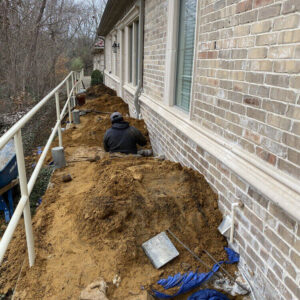
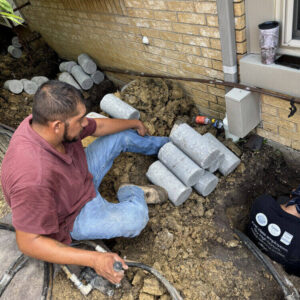
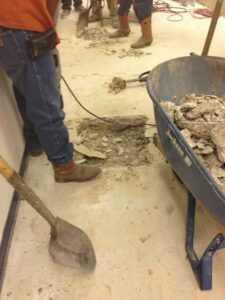
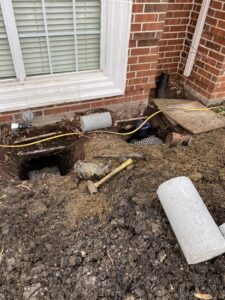
Will foundation repair damage my yard or interior? Modern repair methods are designed to minimize disruption. For slab foundations, piers are usually installed by digging small, strategic access holes around the perimeter or under certain interior areas. While there will be some disturbance to soil and landscaping, experienced crews work carefully and restore the area as much as possible once the piers are in place. Interior work, when needed, is planned to limit the impact on flooring and finishes. Dalrock Foundation Repair can explain exactly what areas will be affected before work begins so you know what to expect and can plan accordingly.

How long does foundation repair take? The timeline depends on the size of your home, the extent of movement, and the specific repair plan. Many residential projects in Dallas can be completed in a few days, while more complex jobs may take longer. The process includes setup, pier installation or pier-and-beam adjustments, lifting and stabilization, and cleanup. During your initial consultation, you will receive an estimated schedule based on your home’s needs. In most cases, you can remain in the house while work is performed, although there may be some noise and vibration during certain phases.

Can I wait and see if the problem gets worse? Waiting is always an option, but it is rarely the best one when it comes to foundation movement. Because Dallas soils expand and contract with the weather, minor issues almost never resolve themselves; instead, they tend to progress gradually. By the time the symptoms become severe, the required repairs are usually more extensive and costly. Getting a professional evaluation now does not obligate you to immediate work, but it does give you clear information about the risks of waiting. With that knowledge, you can make a conscious decision rather than hoping the problem will simply go away.

Call
Contact
Search Website
Contact
Call
Text
Email