Maximizing Home Value with Foundation Repair

How much more would your home be worth if buyers never questioned the foundation, the floors felt solid underfoot, and every door closed smoothly on the first try? For many Dallas homeowners, the hidden key to maximizing property value isn’t a kitchen remodel or new flooring—it’s a stable, professionally repaired foundation. While granite countertops can impress, a failing foundation can quietly erase tens of thousands of dollars from your asking price, or worse, kill a sale outright.

In the Dallas, TX area, where expansive clay soils and dramatic weather swings are part of daily life, foundation problems are common and often misunderstood. Many homeowners delay repairs because the issues seem “manageable” or cosmetic. Yet cracks, sticking doors, and sloping floors are more than annoyances; they are red flags to appraisers, inspectors, and buyers. Addressing these problems with a trusted specialist like Dalrock Foundation Repair doesn’t just fix structural concerns—it can significantly protect and even boost your home’s market value.

Maximizing home value with foundation repair is less about quick fixes and more about smart, strategic investment. When you stabilize your home now, you aren’t just solving today’s issues—you’re preserving future equity, strengthening your negotiating power, and positioning your property as a safer, more attractive option in a competitive Dallas real estate market.

Why Foundation Health Drives Value

Most buyers will forgive an outdated bathroom, but they rarely overlook foundation issues. That’s because structural stability is directly tied to safety, longevity, and long-term cost of ownership. When an inspector flags foundation movement or significant settlement, buyers immediately see risk: unknown repair costs, potential future damage, and complications with financing. Lenders and insurers are cautious about homes with unresolved foundation problems, which can shrink your pool of qualified buyers overnight.

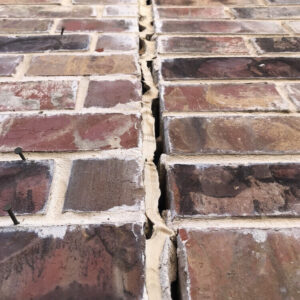
In Dallas, where clay-rich soils swell when wet and shrink when dry, foundation movement is more common than in many other parts of the country. Local buyers and agents know this, and they are trained to look for telltale signs: stair-step cracks in brick, gaps at window frames, doors that won’t latch, and uneven floors. A home that has had its foundation professionally evaluated and repaired by a local expert like Dalrock Foundation Repair often stands out as a safer bet—especially when documentation and warranties are available.

From an appraiser’s standpoint, unresolved structural issues can trigger steep value reductions. They may discount the property to reflect anticipated repair costs, add a risk premium, or in some cases flag the home as needing mandatory repairs before certain loans are approved. By contrast, a home with a documented, engineered foundation repair plan and a transferable warranty can hold its value far better, because uncertainty—the biggest enemy of pricing power—has been removed.

There is also a psychological component. Buyers typically walk into a showing imagining their furniture, their routines, and their future memories. If instead they notice cracks, misaligned doors, or sloping floors, their focus shifts from excitement to anxiety. Proactively addressing the foundation reframes the entire viewing experience, allowing cosmetic improvements and functional upgrades to shine.

Foundation Problems Buyers Notice

Many homeowners underestimate how quickly buyers and inspectors will spot foundation symptoms. Even subtle irregularities tend to stand out during a showing or inspection. Small drywall cracks above doors, for instance, might seem harmless to you, but to a buyer they can signal movement. When those are combined with doors that rub at the top or bottom, the narrative becomes clear: something is shifting beneath the surface.

Exterior signs can be even more alarming. Horizontal cracks in brick, gaps between brick and window frames, or visible separation where additions meet the original structure often raise red flags. In Dallas neighborhoods with older slab foundations, these signs are common, but that doesn’t mean buyers ignore them. Instead, they frequently use them as leverage to demand price reductions or repair credits—sometimes far exceeding the actual cost of proper foundation repair.

Inside the home, floor irregularities are among the most noticeable. When a buyer sets a marble on the floor and watches it roll, or feels a distinct slope walking down a hallway, trust in the home’s integrity drops. Even if the home is otherwise updated and attractive, those sensations can overshadow new finishes. By having Dalrock Foundation Repair assess and correct these issues, you convert a potential deal-breaker into a non-issue, allowing buyers to focus on the home’s strengths.

Left unaddressed, foundation movement can also begin to affect other systems: misaligned plumbing lines, strained HVAC ductwork, or damaged framing. When these problems appear in an inspection report, they compound the perception of risk. Tackling the foundation first often prevents this domino effect and helps keep inspection findings manageable and less intimidating to prospective buyers.

How Professional Repair Protects Equity

Think of foundation repair as an equity protection strategy. Every year that noticeable foundation issues go unresolved, they quietly chip away at your home’s perceived value. By the time you’re ready to sell, buyers may demand steep discounts “just to be safe,” even if the actual repair would have cost far less had it been handled sooner. Professional intervention from a company that understands Dallas soils and building practices helps stop that erosion.

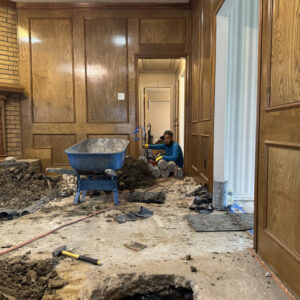
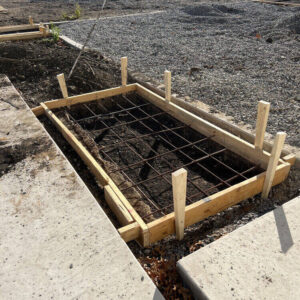
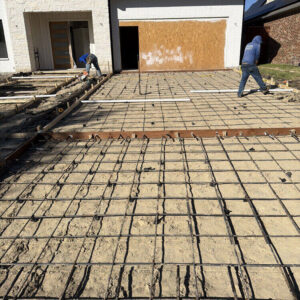
Dalrock Foundation Repair evaluates your home’s specific conditions: soil composition, drainage patterns, structural design, and the extent of movement. Instead of one-size-fits-all solutions, they can recommend targeted repair methods such as piers, beams, or other support systems suited to your property. This tailored approach is important not only for structural performance, but also for future buyers who will review repair documentation. A clear, professional plan reassures them that the problem was addressed correctly, not patched over.

Documentation and warranties are major value drivers. When you can provide an engineer’s report, before-and-after elevation readings, and a written warranty, you convert what might have been a negative into a selling point. Buyers often feel more comfortable with a home that had a known issue professionally corrected than with a home that appears fine but has no history or records. The transparency and paper trail reduce uncertainty and help preserve your asking price.

Additionally, by stabilizing the foundation, you protect future cosmetic investments. There’s little point in installing new tile, cabinets, or trim if the underlying structure continues to move and crack. Handling foundation work early ensures that your dollars spent on upgrades retain their value instead of being undone by ongoing settlement or shifting.

Boosting Curb Appeal After Repair

Once the foundation is stable, you can confidently focus on visual improvements that enhance perceived value. Repair work often addresses not just structural issues, but also related cosmetic damage: cracks in brick, separation at siding joints, or misaligned steps. After Dalrock Foundation Repair completes structural stabilization, you can coordinate cosmetic touch-ups that make the home look refreshed and well cared for.

Exterior caulking, brick tuck-pointing, and repainting trim can dramatically change first impressions. When a buyer drives up and sees straight lines, tight joints, and no visible cracks, they subconsciously assume the home has been responsibly maintained. This initial sense of quality can make them more receptive to a slightly higher asking price, especially in competitive Dallas neighborhoods where curb appeal sets the tone for the entire showing.

Inside, once walls and floors are stabilized, you can repair drywall cracks, reframe sticky doors, and adjust trim so everything looks and feels aligned. New paint, properly closing doors, and level flooring send a clear message: this house is solid. Buyers are much less likely to ask, “What’s wrong here?” and much more likely to focus on layout, finishes, and lifestyle fit.

Even small, inexpensive improvements—like rehanging doors after foundation adjustment, installing new baseboards, or refinishing patched areas—can yield outsized returns when combined with documented structural stability. In many cases, the combination of a repaired foundation and improved aesthetics can position your home at the top of its price bracket rather than the bottom.

Timing Repairs With Your Selling Plans

Homeowners often wrestle with the question: should I fix the foundation now or wait until I’m closer to selling? In Dallas, where seasonal moisture swings can accelerate movement, delaying repairs can mean more damage and higher costs later. From a value perspective, early intervention usually wins. Addressing foundation issues well before listing gives your home time to “settle” into its new, stable position and allows you to complete any follow-up cosmetic work at a comfortable pace.

Handling repairs in advance also prevents last-minute surprises during the buyer’s inspection. If an inspector discovers active foundation problems late in the transaction, it can derail financing, trigger renegotiations, or cause the buyer to walk away entirely. By having Dalrock Foundation Repair evaluate and correct issues beforehand, you enter negotiations from a position of strength, with clear documentation ready to share.

If you are planning a major remodel—like adding a room, upgrading the kitchen, or redoing floors—foundation stabilization should come first. Building on top of an unstable structure is like decorating a house of cards; the result may look good initially but will not age well. When you shore up the foundation before renovations, you protect both your construction investment and your future resale potential.

Even if you don’t intend to sell for several years, foundation repair still plays a role in long-term wealth building. A stable home is easier to refinance, more attractive to insurers, and less likely to suffer compounding damage from plumbing breaks, framing shifts, or roof misalignment. The earlier you address the root problem, the more you preserve both your comfort and your equity.

Choosing The Right Foundation Partner

Not all foundation repairs are created equal in the eyes of buyers, appraisers, or inspectors. The company you choose and the methods they use can significantly affect how much value you ultimately recover. In the Dallas, TX area, working with a local specialist like Dalrock Foundation Repair means leveraging deep familiarity with regional soil conditions, common construction practices, and local real estate expectations.

Reputation matters. Buyers and their agents often research the companies listed in repair documents. When they see a well-known, established name with strong local references, they feel more confident that the work was done correctly. Dalrock’s experience with Dallas’s expansive clay soils and varied neighborhoods allows them to design repair solutions that align with both structural needs and market expectations.

Clear communication and documentation are equally important. A detailed scope of work, elevation measurements, and a written warranty give you tangible tools to support your asking price. When buyers’ inspectors review these documents, they are more likely to confirm that the issue was responsibly handled rather than flagging it as a lingering concern.

Finally, a trustworthy foundation partner will be candid about what your home truly needs—and what it doesn’t. Over-engineering can waste money you could have invested in other value-boosting projects, while under-engineering can leave you vulnerable to future movement. A balanced, honest assessment ensures your repair dollars translate directly into long-term stability and stronger resale potential.

Frequently Asked Questions

Will foundation repair really increase my home’s value? In many cases, professional foundation repair does not simply add value—it prevents significant value loss. Homes with unresolved structural issues often sell for far less than comparable properties, or sit on the market longer while buyers negotiate steep discounts. By stabilizing the foundation, documenting the work, and addressing cosmetic damage, you protect your home’s appraised value and maintain stronger negotiating power when you decide to sell.

Should I fix the foundation before listing my home? In the Dallas market, fixing the foundation before listing is usually the smarter move. If an inspector discovers active foundation problems during a sale, buyers may demand large concessions or walk away. When you work with a company like Dalrock Foundation Repair ahead of time, you can present buyers with a completed repair, a warranty, and supporting documents. This shifts the conversation from “What will this cost me?” to “This home has already been taken care of,” which often results in smoother transactions and stronger offers.

Will buyers be scared off if I disclose past foundation repair? Most serious buyers and agents in Dallas understand that foundation issues are common due to local soil conditions. They are often more concerned about hidden or unaddressed problems than about disclosed, professionally repaired ones. When you can show that Dalrock Foundation Repair evaluated the home, completed a structured repair plan, and provided a warranty, many buyers actually feel more comfortable, because the risk has been identified and managed rather than ignored.

How do I know if my foundation issues are serious? Warning signs include cracks in walls or brick, doors or windows that stick, sloping or uneven floors, gaps between walls and ceilings, and separation around exterior trim or chimneys. While some minor cracks can be cosmetic, only a professional evaluation can determine the true cause. In Dallas, where soil movement is routine, it is wise to have symptoms checked early. Dalrock Foundation Repair can assess whether you need structural intervention, simple monitoring, or related improvements such as drainage correction.

Can I just offer a credit instead of repairing the foundation? Offering a credit might seem easier, but it often reduces your leverage and shrinks your buyer pool. Many buyers are uncomfortable taking on structural repairs, and some lenders will not approve financing on homes with known foundation problems. As a result, you may have to discount the price more than the actual repair cost to attract interest. By completing the repair in advance, supported by a reputable company and warranty, you typically retain more control over pricing and attract more confident, qualified buyers. For more information about professional Foundation Repair options in Dallas, TX, consulting a local specialist can help you understand the best path for your property.

Call
Contact
Search Website
Contact
Call
Text
Email