Common Causes of Foundation Problems Today

Most homeowners assume foundation problems come from dramatic events: a flood that fills the yard, an obvious plumbing disaster, or a visible sinkhole. In reality, many of the most serious foundation issues in Dallas, TX begin quietly, with small shifts in moisture, subtle soil movement, or construction shortcuts that leave no immediate clues. By the time doors stop closing properly or cracks appear in the drywall, the underlying causes have often been in motion for years.

Another common misconception is that foundation damage is simply “part of living in Texas” and there’s nothing you can really do about it. While it’s true that North Texas soils and weather are tough on foundations, most problems start with a combination of preventable factors: poor drainage, neglected plumbing leaks, landscaping placed too close to the house, or even well-meaning irrigation habits. Understanding these modern causes is the key to avoiding major structural repairs later.

For a company like Dalrock Foundation Repair, serving homeowners across the Dallas area, the pattern is familiar: week after week, technicians inspect homes where small, correctable issues were overlooked until they became serious. When you understand what is actually happening under and around your home today—not just what happened when the house was built—you can make smarter decisions to protect your foundation and your investment.

Expansive Clay Soils

In Dallas and much of North Texas, the ground beneath your home is often made up of expansive clay soils. These soils are highly sensitive to changes in moisture. When they absorb water, they swell; when they dry out, they shrink. That constant expansion and contraction creates powerful forces that push and pull on your foundation slab or pier-and-beam system. Over time, this movement can cause cracks, uneven floors, and misaligned doors and windows.

What surprises many homeowners is that these soil movements don’t require extreme weather to cause problems. Normal seasonal shifts, minor watering changes, or a slightly clogged gutter can create enough moisture imbalance in the soil to trigger foundation movement. One side of the house may be sitting on soil that stays consistently damp due to shade or poor drainage, while the other side bakes in the sun and dries out. This uneven behavior in the soil is a major driver of differential settlement, where one portion of the foundation moves more than the rest.

Another factor is the way lots are graded and developed in modern neighborhoods. Builders may remove or compact soil to create a level building pad, but they cannot change the fundamental nature of North Texas clay. Even a well-constructed foundation in Dallas can experience stress if the surrounding soil is not managed carefully. Dalrock Foundation Repair often sees homes less than 10–15 years old with significant movement, not because the concrete itself failed, but because the soil conditions below and around the structure were not kept stable.

Mitigating the impact of expansive clays requires a long-term mindset. Consistent moisture management, proper drainage, and sometimes engineered solutions like piers are all tools used to counteract the natural tendencies of the soil. Ignoring the soil type is one of the biggest mistakes homeowners make when evaluating their risk for foundation problems.

Water, Drainage, And Gutters

Water is both essential and dangerous when it comes to foundations. You need a relatively stable level of moisture in the soil around your home, but too much or too little in certain areas can quickly lead to trouble. Poor drainage is one of the most common and most preventable causes of foundation problems seen in Dallas today. When rainwater collects near the foundation instead of being carried away, it saturates the soil and creates pressure against the concrete or piers.

Gutters and downspouts play a much larger role than most people realize. Clogged gutters overflow, dumping water directly against the base of the house. Downspouts that end right at the foundation instead of several feet away can create a standing water zone every time it rains. Over months and years, that extra water can cause soil to soften and shift, or even erode away, leaving voids under the slab. Dalrock Foundation Repair frequently traces foundation settlement back to simple gutter and drainage issues that went unchecked.

Grading around the home is another critical factor. The ground should slope away from the foundation so that water naturally runs off. In many older Dallas neighborhoods, landscaping changes, added flower beds, or even new sidewalks can unintentionally alter this slope. Instead of shedding water, the yard begins to trap it next to the house. This standing moisture doesn’t always look dramatic on the surface, but underground it can be saturating the clay, leading to expansion and eventual movement of the foundation.

Modern irrigation systems can complicate things further. A sprinkler zone that waters too close to the foundation or runs too frequently can keep one side of a home perpetually damp, while the opposite side stays relatively dry. The result is a moisture imbalance that encourages one section of soil to swell more than another. Careful adjustment of sprinkler coverage, thoughtful drainage planning, and regular gutter maintenance are simple but powerful steps homeowners in Dallas can take to protect their foundations from water-related damage.

Tree Roots And Landscaping Choices

Beautiful shade trees and lush landscaping are a big part of many Dallas neighborhoods, but they can also be silent contributors to foundation problems. Large trees require significant amounts of water, and their root systems will extend far beyond the visible canopy in search of it. If those roots are near your home, they can draw moisture from the soil under and around the foundation, causing that soil to dry out and shrink more than surrounding areas.

This drying effect is especially pronounced during hot, dry Texas summers. When a tree pulls moisture from expansive clay soils, the soil contracts, creating gaps and lowering support under portions of the foundation. Over time, this can lead to differential settlement, cracked slabs, and sloping floors. Dalrock Foundation Repair often encounters homes where trees planted too close to the house 20 or 30 years ago are now contributing to significant structural movement.

Tree roots can also physically interact with foundations and plumbing. While roots typically follow the path of least resistance around a concrete slab, they can exploit small cracks or joints where they find moisture. Roots might encircle and stress pier foundations or invade older, brittle plumbing lines. When plumbing leaks begin, they introduce even more moisture into the soil, creating a cycle of wet-dry extremes that accelerates foundation movement.

Landscaping choices beyond trees can contribute to problems as well. Raised flower beds built against exterior walls, thick layers of mulch, and dense plantings can trap moisture next to the foundation. Decorative rock borders or edging can alter drainage patterns, unintentionally directing water toward the house. Smart landscaping around a Dallas home means considering not just appearance, but also root growth, water needs, and how each feature will affect soil moisture near the foundation over the long term.

Plumbing Leaks And Hidden Moisture

Unlike rainwater, which you can usually see pooling or running off, plumbing leaks are often hidden and continuous. A small leak in a supply line or drain under the slab can release water into the soil 24 hours a day. Over time, this creates localized areas of saturated soil that lose bearing capacity and allow the foundation to settle or heave. Because the leak is out of sight, homeowners may not connect interior symptoms to an underground plumbing issue.

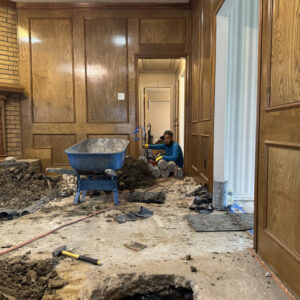
In the Dallas area, older homes and those with original cast iron or galvanized pipes are especially vulnerable to under-slab leaks. Corrosion, shifting soils, and previous repairs can all weaken lines. Even newer homes can experience leaks due to construction damage, poor installation, or movement in the soil. Dalrock Foundation Repair frequently partners with plumbing professionals to identify and address these leaks as part of a complete foundation repair strategy.

Moisture from plumbing leaks can also interact with expansive clay in damaging ways. Saturated clay swells, exerting upward pressure on the slab. If only part of the foundation is affected, the result is uneven lifting that can crack concrete and distort the structure above. When the leak is finally repaired, the soil may dry and shrink, causing the slab to settle again. This cycle of wetting and drying can be far more destructive than a single event like a heavy storm.

Recognizing the signs of potential plumbing-related foundation issues is important. Unexplained high water bills, persistent damp spots in the yard, musty odors, or areas of floor that feel “spongy” or unusually warm can all indicate trouble. Regular plumbing inspections, especially for older Dallas homes, and prompt attention to suspected leaks are critical steps in preventing foundation damage driven by hidden moisture.

Construction Practices And Age

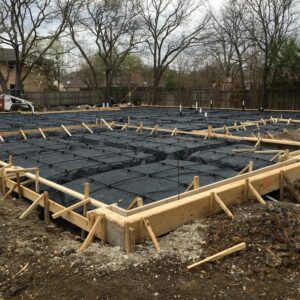
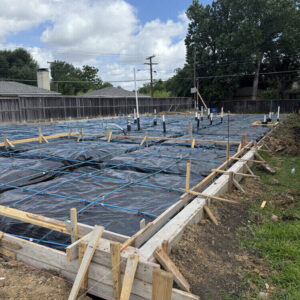
Not all foundation problems are purely environmental. The way a home was designed and built plays a major role in how it will perform over time. In fast-growing markets like Dallas, some homes were constructed quickly to meet demand, and not every builder paid equal attention to foundation design, soil studies, or long-term performance. When a foundation is poured on inadequately prepared soil, or without proper reinforcement, it becomes more vulnerable to the everyday stresses of expansive clay and changing moisture.

Even when construction quality is good, building codes and best practices evolve. A home built several decades ago may not meet today’s standards for foundation depth, reinforcement, or drainage planning. Over time, materials age and weaken. Concrete can develop shrinkage cracks, mortar joints can deteriorate, and pier-and-beam structures can suffer from decaying wood or corroding supports. Dalrock Foundation Repair sees many older Dallas homes where age-related wear combines with soil movement to create significant issues.

Another factor is the way additions and remodels are constructed. When a homeowner adds a room, garage, or second story, the new structure may sit on a different type of foundation or be connected to the original in a way that creates uneven loads. If the new foundation behaves differently than the old one due to soil conditions or design, the junction between the two can become a stress point. Cracks and separations often appear where old and new meet, reflecting different movement patterns.

Understanding the history of your home—when it was built, what type of foundation it has, and what modifications have been made—is crucial when evaluating foundation concerns. A thorough inspection by an experienced company in Dallas can help identify whether current problems are primarily due to environmental causes, construction shortcomings, or a combination of both, and what repair approach will provide the most lasting solution.

Climate Extremes And Modern Weather Patterns

North Texas has always had challenging weather, but recent years have brought more pronounced swings between heavy rain and extended drought. These extremes are tough on already reactive clay soils. After a long dry period, the ground around a foundation may shrink and pull away, leaving gaps. When heavy rains finally arrive, water can rush in and rapidly swell the soil, causing dramatic movements in a short period of time.

These rapid moisture shifts can be more damaging than slow, gradual changes. Foundations are designed to handle some movement, but not sudden, repeated cycles of shrink-swell. In Dallas, it’s not uncommon for Dalrock Foundation Repair to see an uptick in calls after a particularly wet season following drought, as homeowners notice new cracks, sticking doors, or changes in floor level that appeared seemingly overnight.

Heat is another contributing factor. Prolonged high temperatures dry out surface soils quickly, especially in areas not shaded or irrigated. If the soil nearest the surface contracts while deeper layers remain moist, it can create complex stress patterns under the slab. Homes with inconsistent watering patterns—such as irrigated front yards and dry backyards—may experience uneven effects as different sides of the house respond differently to the same weather.

While no one can control the Texas climate, homeowners can adapt by managing how their property responds to it. This includes consistent watering around the foundation during drought, effective drainage to handle heavy storms, and periodic inspections to catch early signs of movement. Recognizing that modern weather patterns are amplifying existing soil challenges helps explain why foundation problems seem more common today, even in relatively new Dallas neighborhoods.

Frequently Asked Questions

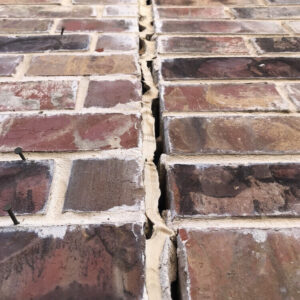
What are the earliest warning signs of foundation problems? Early signs are often subtle: small cracks in interior walls or ceilings, doors that begin to stick or won’t latch smoothly, windows that are harder to open, or slight gaps appearing between baseboards and floors. Outside, you might notice hairline cracks in brick mortar, separations at window or door frames, or areas of the yard that seem to hold water near the foundation. These may not mean severe damage has occurred yet, but they are important clues that the soil and structure are beginning to move and should be evaluated.

Are all cracks in my home a sign of foundation damage? Not every crack is serious, but they should never be ignored. Small, straight hairline cracks in drywall or concrete can be due to normal settling or material shrinkage, especially in newer homes. However, wider cracks, cracks that are diagonal or stair-stepped in brick, or cracks that grow over time are more concerning. If doors and windows are also misaligning or floors feel uneven, these combined symptoms often point to foundation movement. A professional assessment from a company experienced in Dallas soils can help distinguish cosmetic issues from structural ones.

Can I prevent foundation problems, or are they inevitable in Dallas? While no home is completely immune to movement in expansive clay soils, many foundation problems are preventable or can be greatly reduced. Consistent moisture management around the home, proper drainage, well-maintained gutters and downspouts, thoughtful landscaping, and prompt repair of plumbing leaks all make a significant difference. Regular inspections and early intervention can turn what might have become a major structural issue into a smaller, more manageable repair. Working with specialists like Dalrock Foundation Repair helps ensure that prevention and maintenance are tailored to local conditions.

How do trees near my house affect the foundation? Trees influence foundations primarily through their impact on soil moisture. Large trees can draw significant amounts of water from the soil, especially during hot, dry weather, causing the ground to shrink more under and around the root zone. If a tree is close to your home, this can lead to uneven support for the foundation and differential settlement. Roots can also interact with plumbing lines and, in some cases, with pier systems. Proper tree placement, selective root barriers, and balanced watering help reduce these risks while allowing you to keep valuable shade trees on your property.

When should I contact a foundation repair company? You should reach out as soon as you notice multiple warning signs or any sudden, significant changes such as large new cracks, rapidly sticking doors, or visible shifts in floors. It’s also wise to schedule an evaluation if you know of a long-standing drainage issue, a major plumbing leak under the slab, or if you are planning a major remodel or addition. An early inspection by a local expert in Foundation Repair can provide clarity on whether your home in Dallas, TX is experiencing normal settling or developing a genuine foundation problem that needs attention.

Call
Contact
Search Website
Contact
Call
Text
Email