Water that lingers around your home after every Dallas storm might seem like a small annoyance at first: a soggy lawn, a few muddy spots, maybe a puddle that never quite dries near the patio. But what you see on the surface is often only a hint of what’s happening underground. Poor drainage quietly changes the soil around your home, and over time, that shifting soil can twist, crack, or sink your foundation. By the time you notice sticking doors or zigzag cracks in the drywall, water has usually been working against your home for years.
In North Texas, where clay soils expand when wet and shrink when dry, drainage problems are not just cosmetic issues—they are direct threats to the structural integrity of your home. Every misdirected downspout, every low spot against your slab, and every clogged French drain is part of a chain reaction that leads to movement beneath your foundation. Dalrock Foundation Repair has seen this play out in neighborhoods all over Dallas, TX: homes of every age and style developing foundation distress for one common reason—water isn’t being controlled.
Understanding how drainage issues affect your foundation is the first step to protecting your biggest investment. When you know what water is doing beneath your feet, you can spot warning signs earlier, make smarter repair decisions, and design drainage improvements that actually work in our unique Dallas climate and soil conditions.
North Texas Soil And Water
The relationship between drainage and foundation health in Dallas starts with the soil. Much of the region is built on expansive clay, a soil type that behaves almost like a sponge. When it gets wet, it swells; when it dries out, it shrinks and hardens. This constant expansion and contraction puts stress on concrete slabs and pier-and-beam foundations, pushing and pulling them in different directions over time. If water is allowed to collect in certain areas around your home, that movement becomes uneven, which is when serious foundation problems begin.
Imagine one side of your home’s foundation sitting on soil that stays moist for weeks after a storm because water cannot drain away. That section of soil swells and lifts the slab slightly. Meanwhile, the opposite side of the house dries out faster, the soil shrinks, and the foundation settles. This differential movement creates tension within the concrete, leading to cracks in the slab, brick, and interior finishes. Dalrock Foundation Repair frequently finds that homes with the worst foundation damage also have very obvious drainage issues: gutters dumping water at the base of the house, negative grading, or standing water after every rain.
In addition to movement, water-saturated soils lose strength. When the soil is too wet, it can no longer support the weight of your home as effectively. This is especially true near the edges of slabs and along beam lines in pier-and-beam homes. Over time, the softened soil compresses or erodes, causing sections of the foundation to settle. The combination of expanding clay when wet and loss of bearing capacity when saturated is exactly why managing drainage around Dallas homes is so critical.
How Poor Drainage Shows Up
Drainage issues rarely announce themselves with a single dramatic event. Instead, they show up as patterns—small, repeating issues that gradually worsen. One of the most common signs is persistent standing water within a few feet of the house after a rain. If you notice puddles that linger more than 24–48 hours near your foundation, that’s a strong indicator that water is not moving away properly. Over months and years, this constant moisture cycle around the slab drives the expansion and contraction that leads to foundation movement.
Another indicator is erosion or exposed roots along the perimeter of the home. When water regularly flows in concentrated paths, it can wash away topsoil and even subsoil, leaving small trenches or bare areas. That erosion is not just a landscaping problem; it means soil is being removed from around and under the foundation edge. As that support disappears, sections of the slab can drop, tilting floors and stressing the structure above. In pier-and-beam homes, erosion can expose piers, allowing water to attack wooden beams and joists.
Inside the home, the effects of poor drainage often resemble typical foundation problems: diagonal cracks off window and door corners, gaps at the tops of walls, doors that rub or don’t latch, and uneven floors. While these symptoms can stem from several causes, Dalrock Foundation Repair technicians often trace them back to long-term drainage failures outside. When they see interior distress concentrated on one side or corner of the home, it’s common to step outside and find either low spots holding water, downspouts discharging right at the foundation, or soil sloping toward the house instead of away.
Gutters, Grading, And Runoff
Two of the most overlooked contributors to foundation damage in Dallas are improperly installed gutters and incorrect grading. Gutters are designed to collect roof runoff and channel it safely away from the home. When they are missing, undersized, or clogged, water spills directly off the roof edge, pounding the soil next to the foundation and creating a saturated zone. Over time, this constant wetting can cause soil heave, settlement, and even erosion that undermines the slab or piers.
Even when gutters are present, downspouts that dump water at the base of the wall are a major problem. During heavy North Texas storms, thousands of gallons of water can be shed from the roof of a single-story home. If that volume is released right beside the foundation, the surrounding soil simply cannot handle it. Extending downspouts several feet away or tying them into underground drains can dramatically reduce moisture fluctuations near the slab, which is a key preventive step Dalrock Foundation Repair often recommends during inspections.
Grading is the other half of the equation. The ground around your home should slope gently away from the foundation on all sides so that gravity naturally carries water out into the yard, street, or drainage swales. In older Dallas neighborhoods, landscaping changes, settling, and construction activity often flatten or reverse this slope over time. If the soil now tilts toward the house, rainwater is funneled directly to the foundation instead of away. Correcting grading might involve adding soil in low areas, reshaping the yard, or installing surface drains to intercept runoff before it reaches the slab.
Hidden Drainage Threats
Not all drainage problems are obvious from a quick walk around the house. Some of the most damaging issues are hidden beneath the surface or only appear under certain conditions. One example is subsurface water traveling along impermeable layers in the soil. In Dallas, variations in clay and sand layers can cause water from higher parts of a property or neighboring lots to migrate underground and emerge near your foundation. This can create chronic wet spots even when your visible surface drainage looks acceptable.
Another hidden threat comes from leaking plumbing lines beneath the slab. A slow, undetected leak in a sewer or water line can saturate localized areas of soil over months or years. Because this water source is constant, it can be even more destructive than occasional rainfall. The soil remains in a swollen, weakened state, and the foundation above settles or heaves irregularly. Dalrock Foundation Repair often coordinates with plumbing professionals to locate and address these leaks as part of a complete foundation repair plan.
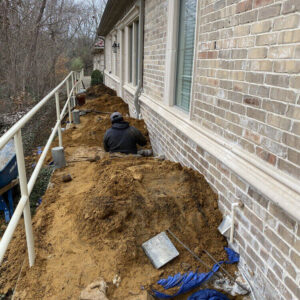
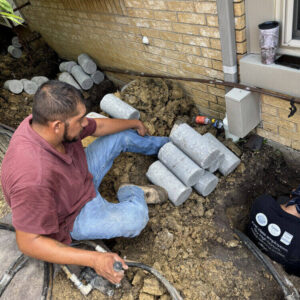
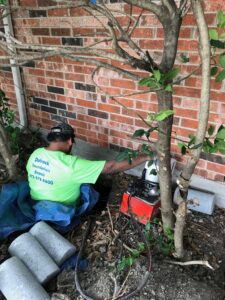
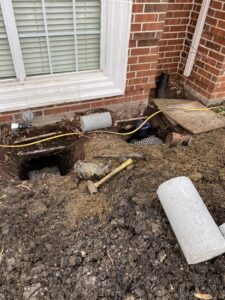
French drains and other underground drainage systems can also become part of the problem if they are improperly installed or poorly maintained. A clogged or collapsed drain line no longer carries water away; instead, it can trap moisture in the soil near your home. Homeowners sometimes assume that because a French drain exists, drainage must be adequate, when in reality that system may have failed years ago. Regular inspection and, when needed, updating of older drainage components are crucial to ensuring they still protect your foundation.
Foundation Damage Over Time
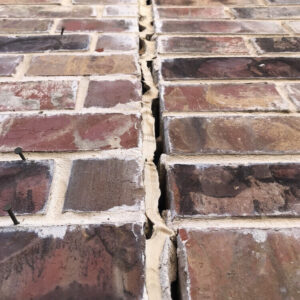
Drainage problems don’t usually cause catastrophic foundation failure overnight. The damage unfolds in stages, and understanding that progression can help you recognize when it’s time to call in a professional like Dalrock Foundation Repair. Initially, you might only see hairline cracks in exterior brick mortar or in interior drywall. Floors may feel mostly level, and doors still function, so it’s easy to dismiss these as “normal settling.” However, in the presence of ongoing drainage issues, these early signs are often the first hints of more serious movement.
As water continues to collect or flow improperly around the home, the soil’s expansion and contraction cycle intensifies. Sections of the foundation begin to move independently, leading to wider cracks, more pronounced sloping floors, and doors or windows that progressively become harder to operate. Homeowners may start to notice separation between walls and ceilings, gaps between baseboards and floors, or brick cracks that widen over time. These changes suggest that the underlying soil problems are not stabilizing on their own and that the foundation is actively shifting.
In advanced stages, the structure of the home can be significantly compromised. Floors may exhibit noticeable dips or humps, interior finishes can tear or separate, and exterior walls may lean or bow. In extreme cases, plumbing lines can break due to foundation movement, adding more water to the soil and accelerating the cycle. At this point, comprehensive foundation repair, often involving piers or other structural supports, is typically required. Addressing drainage at the same time is essential; otherwise, even well-executed repairs can be undermined by the same water-related issues that caused the problem in the first place.
Protecting Your Dallas Home
The good news is that many drainage-related foundation problems are preventable or can be minimized with proactive steps. The first line of defense is simply paying attention to how water behaves on your property. After a heavy rain, walk around your home and note where water collects, how long it takes to drain, and whether any areas near the foundation stay soggy. Look for signs of erosion, exposed roots, or mulch washing away. These observations give you a real-world picture of your drainage performance, beyond what plans or past work might suggest.
Simple improvements can make a big difference. Ensuring gutters are clean, properly sized, and installed on all appropriate rooflines keeps roof runoff under control. Extending downspouts away from the foundation and using splash blocks or drain lines can significantly reduce saturation near the slab. Adjusting landscaping—such as avoiding heavy watering right against the house, trimming back dense plantings that trap moisture, and maintaining a gentle slope away from the home—helps create a more stable moisture environment for the soil.
When drainage issues are more complex or when foundation symptoms have already appeared, bringing in professionals like Dalrock Foundation Repair is the most reliable approach. A thorough evaluation can identify not just visible foundation damage, but also the underlying water and soil conditions contributing to it. Recommendations may include structural repairs, targeted drainage solutions such as surface drains or French drains, grading corrections, or a combination of these. By addressing both the symptoms and the causes, you protect your foundation and reduce the likelihood of recurring issues.
Frequently Asked Questions
How can I tell if drainage is affecting my foundation? Look for a combination of exterior and interior clues. Outside, check for standing water near the foundation after rain, soil that slopes toward the house, eroded areas, or gutters and downspouts that discharge right at the base of your walls. Inside, pay attention to new or widening cracks in walls and ceilings, doors or windows that begin sticking, or floors that feel uneven. When these signs appear together, especially in a specific area of the home, it often indicates that drainage issues are influencing the soil and causing foundation movement.
Is installing gutters enough to protect my foundation? Gutters are a critical part of foundation protection, but they are not a complete solution by themselves. They must be properly sized, maintained, and paired with downspouts that carry water several feet away from the home. In addition, the ground around your house still needs correct grading so that water flows away rather than back toward the slab. In some Dallas properties, especially those on slopes or with heavy runoff, additional measures like surface drains, French drains, or swales may be needed alongside gutters to effectively manage water.
Can foundation repairs be done without fixing drainage problems? Technically, foundation repairs can be performed without addressing drainage, but doing so is rarely wise. If the soil around your home continues to experience extreme moisture fluctuations or saturation, it can compromise even well-installed repairs over time. Dalrock Foundation Repair typically recommends a combined approach: stabilize and support the foundation structurally, and then correct the drainage conditions that contributed to the problem. This strategy helps ensure that the repaired foundation remains stable and that you don’t face the same issues again in a few years.
What drainage solutions work best for Dallas, TX homes? The best solution depends on the specific property, but common effective strategies include properly installed gutters and downspouts with extensions, regrading soil to slope away from the foundation, and installing surface drains in low-lying areas. In some cases, French drains or other subsurface systems are used to intercept and redirect water moving through the soil. Because Dallas soils are highly expansive, the goal is to keep moisture levels around the foundation as consistent as possible, rather than letting them swing between very wet and very dry.
When should I call a professional about drainage and foundation concerns? You should consider calling a professional like Dalrock Foundation Repair when you notice recurring standing water near your home, visible erosion around the foundation, or any combination of interior signs such as new cracks, sticking doors, or sloping floors. It’s better to schedule an inspection earlier rather than waiting for problems to escalate. A professional evaluation can determine whether you need structural repairs, drainage improvements, or both. For more information about professional Foundation Repair and drainage-related solutions in Dallas, TX, an expert assessment is the safest next step.