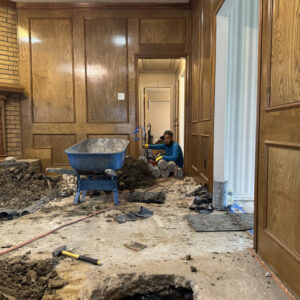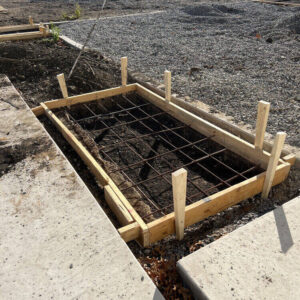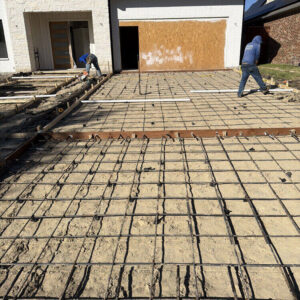
More than 60% of homes in Texas will experience some form of foundation distress in their lifetime, and many of those issues could have been minimized or avoided with simple, consistent maintenance. That statistic surprises a lot of homeowners, especially in the Dallas–Fort Worth area, where clay soils and dramatic weather swings quietly put enormous stress on slabs and piers. Foundation repair is not a “fix it and forget it” situation; what you do after the work is completed has a huge impact on how long those repairs last and how stable your home remains.
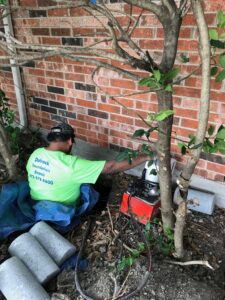
When a company like Dalrock Foundation Repair stabilizes a foundation, they’re solving today’s problem and giving your home a fresh start. But the soil underneath your house is still alive and constantly changing with moisture, temperature, and time. Post-repair maintenance is about controlling as many of those variables as possible. It’s less about complicated projects and more about consistent, smart habits that keep your foundation, your yard, and your drainage working together instead of fighting each other.
Essential tips for foundation repair maintenance revolve around four big themes: moisture management, drainage, structural monitoring, and lifestyle habits around your property. Each of these areas can either support your newly repaired foundation or slowly undermine it if ignored. In Dallas, TX, where expansive clay soils shrink and swell dramatically, these habits matter even more. With the right approach, you can protect your investment in repairs, avoid new cracks, and keep your home level and comfortable for years.
Understand Your Repaired Foundation
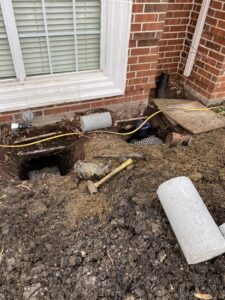
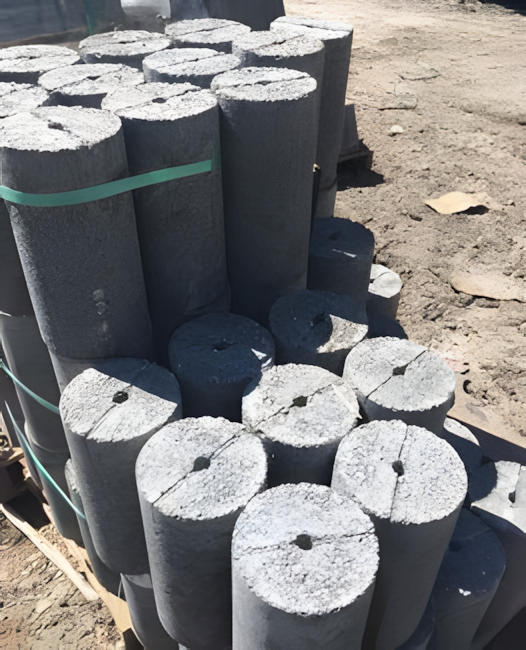
Before you can maintain a repaired foundation, you need to understand what was actually done beneath your home. Many homeowners know they “got piers” or “had leveling work,” but they don’t fully grasp where those supports are, how they function, and what conditions they rely on to stay effective. After a repair, it’s worth revisiting your paperwork from Dalrock Foundation Repair and asking for a clear explanation of the system installed: were they concrete piers, steel piers, helical piers, or another solution tailored to Dallas-area soils?
Knowing the type of repair helps you understand how sensitive the system is to movement in the surrounding soil. For example, piers driven to bedrock or stable strata are designed to bypass the active clay layer, but the soil between the piers and under the slab can still move with moisture changes. That means you’re not just maintaining the piers; you’re managing the environment around and between them. When you recognize that the foundation is part structural system and part soil system, maintenance starts to make a lot more sense.
It’s also important to understand what “normal” looks like after repairs. Some minor cosmetic cracking in walls or brick may remain, and not every door will suddenly be perfect. Dalrock Foundation Repair will typically aim for structural stability, not cosmetic perfection. Ask for a post-repair elevation report or summary so you have a baseline. Keeping a copy of this information in a dedicated home file makes it easier to monitor changes in the future and to communicate clearly if you ever need follow-up service.
Control Moisture Around The Home
In Dallas, TX, moisture control is arguably the single most important part of foundation repair maintenance. The clay soils common in the region expand when wet and contract when dry, exerting enormous pressure on your slab or beam-and-pier foundation. After the foundation has been repaired and stabilized, wild swings in soil moisture can still cause differential movement in areas that were not lifted or that remain more vulnerable. The goal is not to keep the soil perfectly dry or saturated, but to keep it as consistent as possible through the seasons.
A practical way to do this is with a regular watering schedule specifically designed for the soil near your foundation. During long, hot Dallas summers, allowing the soil right against your home to dry out and pull away can lead to new settlement or stress on your repaired areas. A soaker hose placed 12–18 inches from the foundation and run slowly can help maintain more even moisture levels. It’s important not to place the hose directly against the foundation or to run it at high volume, which can cause erosion or pooling.
Landscaping choices also play a huge role in moisture control. Large trees planted too close to the house can pull moisture aggressively from the soil, creating localized dry spots and uneven support. If you already have mature trees near your home, maintenance may involve consistent deep watering for the tree itself to reduce its need to pull moisture from the soil under your slab. Likewise, dense beds of thirsty plants right against the foundation can create chronically wet areas if overwatered. Balancing plant types, irrigation zones, and mulch thickness helps keep moisture more uniform around the full perimeter of your home.
Dial In Your Drainage System
While consistent moisture is vital, standing water near the foundation is one of the fastest ways to undermine your repairs. Good drainage is the counterpart to smart watering. After a repair, walk around your home during and after a heavy Dallas rainstorm and observe where water goes. Does it pool near your slab? Does it flow back toward the house from flower beds or sidewalks? Those are the areas you need to address to protect your foundation investment.
Gutters and downspouts are often overlooked, yet they handle thousands of gallons of water in a single storm. Clogged gutters overflow, dumping water directly next to your foundation and saturating the soil in concentrated spots. Downspouts that discharge right at the base of the house do the same. As part of your ongoing maintenance, clean gutters regularly and attach downspout extensions that carry water at least 4–6 feet away from the foundation. In many Dallas neighborhoods, simple splash blocks are not enough during heavy rains, so longer extensions or underground drains may be needed.
Grading is another critical piece of the drainage puzzle. The soil around your home should slope away from the foundation, typically at least 6 inches over the first 10 feet. Over time, soil settles, landscaping projects disturb grades, and mulch or rock beds can accidentally create dams that hold water against the house. After foundation repairs, it’s smart to reassess the grading and make gentle adjustments: add soil where it has sunk, remove barriers that trap water, and ensure walkways or patios aren’t creating channels that lead water directly back to the slab.
Monitor, Document, And Respond Early
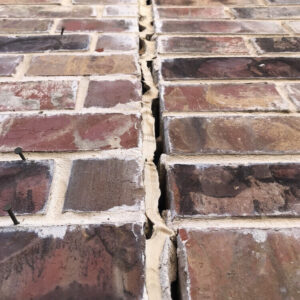
Foundation repair maintenance is not just about preventing problems; it’s also about catching small changes before they become big ones. Once your foundation has been repaired, make it a habit to walk your home inside and out every few months with a more observant eye. Look at drywall corners, tile grout lines, brick mortar joints, and window frames. Small hairline cracks are common in any home, but you’re looking for new cracks, widening gaps, or doors and windows that suddenly stick where they previously operated smoothly.
Documenting what you see makes a big difference over time. Take clear photos with dates and keep them in a folder, digital or physical. If you notice a crack in a wall or slab, mark the ends with a pencil and date it. This simple step allows you to see if the crack is stable or growing over weeks and months. Likewise, note any changes in how doors latch, how floors feel underfoot, or whether you see separation between trim and walls. These observations, shared with a professional like Dalrock Foundation Repair, can help them quickly determine if what you’re seeing is routine settling or a sign that something needs attention.
The key is to respond early rather than waiting until issues are severe. If you suspect movement, don’t panic, but don’t ignore it either. Call your foundation repair company and share your documentation. Many reputable contractors in Dallas, including Dalrock, stand behind their work with warranties and are willing to inspect and advise when concerns arise. Early intervention might mean a minor adjustment, a drainage tweak, or a simple reassurance that what you’re seeing is cosmetic. Waiting until doors won’t close and cracks are obvious to everyone usually means greater cost and disruption.
Smart Landscaping And Hardscape Choices
After a foundation repair, it’s tempting to jump straight into landscaping projects to restore curb appeal, but your choices can either help or hurt your long-term stability. Heavy hardscapes like large concrete patios, driveways, and retaining walls can alter drainage patterns and soil loading around your home. When adding or modifying these features, think about how water will flow during a storm and whether you’re creating low spots that direct water toward your slab. Slightly sloping concrete away from the house and adding drainage channels can keep water moving in the right direction.
Plant selection and placement deserve careful thought. In the Dallas climate, drought-tolerant plants are popular, but they often have deep root systems that search aggressively for water. Planting them too close to the foundation can encourage roots to invade soil that supports your slab, changing moisture profiles and potentially causing uneven settlement. Aim to keep large shrubs and trees several feet away from the home, and consider root barriers if a mature tree is already close and you’re worried about its impact.
Mulch and ground cover are helpful, but they can cause problems if used excessively. A moderate layer of mulch helps retain consistent moisture and reduce erosion, which is good for foundation stability. However, piling mulch high against the siding or brick can trap moisture and hide where soil is sloping toward the house. During your regular maintenance checks, confirm that mulch beds are not higher than your slab edge and that they still slope gently away from the foundation so water doesn’t sit against it after rain.
Partnering With Professionals Long Term
Foundation repair maintenance is not a one-time consultation; it’s an ongoing partnership between you and your repair contractor. When you work with a local company like Dalrock Foundation Repair, you’re dealing with professionals who understand Dallas soils, rainfall patterns, and neighborhood construction practices. They know where problems tend to show up and what approaches have proven durable over time in this specific region. Staying in touch with them after the repair is a smart insurance policy for your home.
Keep all your repair documents, warranty information, and elevation reports in a place that’s easy to find. If you’re ever planning large-scale renovations, such as adding a room, installing a pool, or significantly changing your landscaping, consult your foundation company beforehand. Construction activities can change loads on the structure and disturb soils, and having a foundation expert review your plans can help you avoid undoing the stabilization work that has already been done.
Finally, remember that routine inspections, even when nothing seems wrong, can be valuable. A periodic professional check can catch subtle changes that might not be obvious to a homeowner. In a dynamic environment like Dallas, where drought years and wet years alternate, having a trained eye on your foundation every few years complements your own maintenance efforts and gives you confidence that your home is staying on solid ground.
Frequently Asked Questions
How often should I water around my foundation after repairs? In the Dallas, TX climate, watering frequency depends on the season and current weather patterns, but consistency is the goal. During hot, dry months, many homeowners find that running a soaker hose around the foundation two to three times per week is effective, allowing the water to soak in slowly rather than flooding the area. In cooler or wetter seasons, you may reduce or pause watering, but avoid long periods where the soil becomes extremely dry and pulls away from the slab. Adjust based on visible soil conditions: if you see gaps between the soil and foundation, it’s a sign you need more consistent moisture.
Will foundation repairs completely stop all future movement? Foundation repairs are designed to stabilize and significantly reduce movement, especially in the most affected areas, but they cannot completely eliminate all future shifting in an active clay soil environment. The piers or supports installed by companies like Dalrock Foundation Repair create a stronger, more reliable base, yet the surrounding soil will still respond to moisture changes over time. This is why post-repair maintenance, particularly controlling drainage and moisture, is so important. Minor cosmetic changes may still occur, but major structural movement is far less likely when the repairs are combined with good maintenance habits.
Is it safe to landscape right after my foundation is repaired? Yes, you can typically landscape after repairs, but it’s wise to wait until any soil backfill has had a chance to settle and your contractor has given clearance. When you do landscape, prioritize plants with moderate water needs, place larger trees and shrubs a safe distance from the house, and design beds so they do not trap water against the foundation. Avoid installing heavy hardscapes or deep-rooted trees directly over or adjacent to repaired zones without consulting your foundation professional. Thoughtful planning ensures your landscaping enhances curb appeal without compromising your repaired foundation.
What signs suggest I should call Dalrock Foundation Repair back for an inspection? You should consider a follow-up inspection if you notice new cracks appearing in walls or brick that are wider than a hairline, doors or windows that suddenly become difficult to open or close, visible gaps between baseboards and floors, or sloping areas of flooring that weren’t present before. Also pay attention to any rapid changes, such as a crack that noticeably widens over a few weeks. While some minor cosmetic issues are normal, rapid or significant changes warrant a professional look. Sharing photos and notes you’ve kept can help the technician assess whether what you’re seeing is normal or needs action.
Can good maintenance replace the need for professional repairs? Good maintenance can delay or reduce the severity of foundation issues, but it cannot fix significant structural problems once they exist. Proper drainage, consistent moisture, and smart landscaping are preventive measures and essential for protecting any existing repairs, yet they do not lift a settled foundation or correct structural damage. If you already have signs of serious movement, such as major cracks, sticking doors throughout the home, or noticeable floor slopes, professional evaluation is necessary. Maintenance and professional Foundation Repair work best together: repairs stabilize your home, and maintenance preserves that stability.