
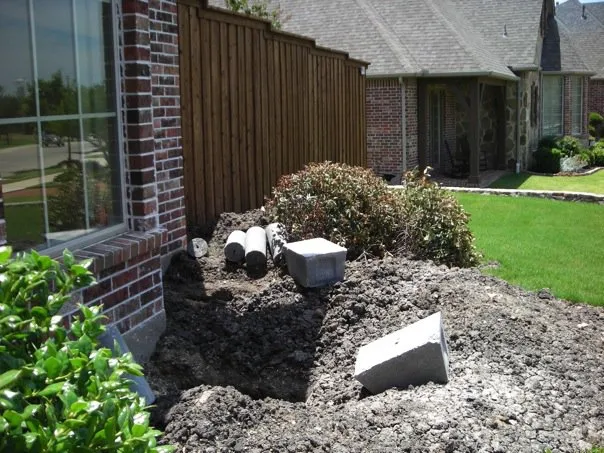
The first clue is often something small: a hairline crack zigzagging from the corner of a window, a door that suddenly sticks on humid days, or a faint slope you notice as you walk across your living room. At first, it is easy to dismiss these as quirks of an older home or the result of a recent Texas storm. In Dallas, where clay soils expand and contract dramatically with moisture changes, these subtle shifts can appear overnight. What many homeowners do not realize is that these “little” issues are frequently early warnings that the foundation beneath the house is moving, settling, or failing.
Foundation trouble rarely shows up as a dramatic collapse. Instead, it creeps in quietly through cosmetic changes, hard-to-close doors, cracks in tile or brick, and gaps around exterior trim. By the time a homeowner in Dallas, TX realizes something is seriously wrong, the damage can already be extensive and costly to fix. Recognizing the common signs you need foundation repair early is the best way to protect your home’s structure and value. Companies like Dalrock Foundation Repair see the same patterns over and over: small warning signs that were ignored for months or years before a homeowner finally called for help.
Understanding what your house is trying to tell you is crucial. When you know how to spot the symptoms of foundation distress, you can act quickly, get a professional evaluation, and prevent minor issues from turning into major structural repairs. The following sections break down the most common indicators, why they appear, and what they may mean for your Dallas-area home.
Cracks That Tell A Story
Cracks are one of the most visible signs of potential foundation problems, but not all cracks are created equal. In Dallas homes, hairline cracks in drywall can be caused by normal settling or even minor temperature fluctuations. However, when cracks grow longer, wider, and start forming patterns, they can be a strong indicator that your foundation is moving unevenly. Vertical cracks that are wider at the top than at the bottom, diagonal cracks running from window or door corners, and stair-step cracks in brick or block walls are especially concerning.
Interior wall cracks often appear around openings because these areas are naturally weaker points in the wall. If your home’s foundation shifts, stress concentrates around windows and doors, causing the drywall or plaster to fracture. When you see a crack that keeps reappearing after patching, or one that is large enough to insert a coin or fingertip, it is a sign that the underlying movement has not stopped. Dalrock Foundation Repair technicians frequently use the size, direction, and location of cracks as a roadmap to understand how the slab or pier-and-beam system is behaving.
Exterior cracks, particularly in brick veneer, stone, or concrete, can be even more revealing. Stair-step cracks in masonry, horizontal cracks near the foundation line, or gaps where bricks seem to separate from the mortar often indicate differential settlement. This means one part of the foundation is sinking or heaving more than another part, twisting or bending the structure above. In the expansive clay soils common around Dallas, changes in moisture content can cause the soil under one section of the home to swell or shrink more dramatically than under another, leading to these visible fractures.
It is also important to monitor the progression of cracks over time. A single small crack that remains stable might be cosmetic, but a crack that grows longer, widens, or multiplies is a red flag. Taking dated photos and measurements can help you and your foundation repair specialist determine whether the movement is ongoing and how urgently it needs to be addressed.
Doors, Windows, And Misalignment
Another common sign that you may need foundation repair is trouble with doors and windows. In a structurally sound home, doors swing freely and latch without effort, and windows open and close smoothly. When the foundation shifts, the frames around these openings can become out of square, causing sticking, dragging, or gaps that were not there before. Many Dallas homeowners first notice a problem because a bedroom door suddenly will not latch or a front door scrapes the threshold every time it is opened.
Sticking doors often indicate that the frame has become warped or racked due to movement below. If you look closely, you may notice that the gap between the door and the frame is wider at the top than at the bottom, or uneven from side to side. The same applies to windows: a window that used to glide open but now jams halfway can be a symptom of shifting framing members rather than a problem with the window itself. Dalrock Foundation Repair frequently inspects homes where the hardware has been replaced or adjusted multiple times, but the underlying foundation movement was never addressed.
Misalignment can also show up as visible separations around doors and windows. Look for cracks in the drywall radiating from the corners of frames, gaps between the trim and the wall, or caulking that has split apart. On the exterior, you might see that window frames no longer sit flush with the brick or siding, or that the caulk lines around them have opened up. These subtle changes are the structure’s way of revealing that the load is no longer being carried evenly across the foundation.
If several doors and windows throughout the house start having problems around the same time, that can be an especially strong indicator that the entire structure is experiencing movement. While one sticky door could be a simple carpentry issue, multiple misaligned openings, especially on different sides of the home, should prompt a professional foundation evaluation.
Floors That Slope, Sag, Or Crack
The way your floors feel underfoot can provide important clues about the health of your foundation. Many homeowners in Dallas notice an uneven or sloping floor long before they see any major cracks. You might feel like you are walking slightly uphill from one side of a room to the other, or you notice that a ball or small object consistently rolls to the same spot when placed on the floor. These sensations are not just annoyances; they can indicate that one part of the foundation is settling lower than the rest.
In pier-and-beam homes, sagging or bouncy floors can result from shifting piers, decayed beams, or soil movement under the supports. When the underlying structure is no longer level, the floorboards or subfloor can dip or flex. In slab-on-grade homes, which are common in the Dallas area, the concrete itself can crack and tilt as the soil expands and contracts. Dalrock Foundation Repair often sees homes where tile grout lines are separating, hardwood planks are gapping, or laminate flooring is buckling because the slab beneath has moved.
Cracks in floor surfaces are another sign to take seriously. Large cracks in tile, especially those that run across multiple tiles in a straight or diagonal line, can signal that the slab has fractured. Similarly, cracks in a concrete garage floor or in the slab visible at the base of a stem wall can indicate that the foundation is under stress. While some surface-level cracking can be normal, patterns of movement, displacement between sections, or vertical offsets where one side of a crack is higher than the other usually point to underlying structural issues.
Pay attention to changes over time. If a small dip in the floor seems to be getting worse, or if you start to notice squeaks, creaks, or new cracks appearing, it is wise to have a foundation expert assess what is happening beneath the surface. Early intervention can often prevent the need for more extensive leveling or reconstruction later.
Gaps, Separations, And Exterior Warning Signs
While interior symptoms are often more noticeable day-to-day, the exterior of your home provides some of the clearest signals that foundation repair may be needed. One common sign is the appearance of gaps between different building elements. You might see a separation between the brick veneer and the siding, a gap forming between the chimney and the house, or spaces opening up where exterior trim meets the wall. These separations occur because the structural components are moving differently as the foundation shifts.
Chimneys are particularly vulnerable indicators. A leaning chimney, or one with visible cracks and separations from the main structure, suggests that its footing or the surrounding foundation is no longer stable. In Dallas, where soil moisture can vary dramatically from one season to the next, chimneys sometimes settle faster than the rest of the home. Dalrock Foundation Repair often uses the condition of a chimney as a quick visual gauge of how severe the foundation movement might be.
Porches, patios, and driveways can also reveal foundation issues. If you notice that your front porch has pulled away from the main structure, or that the concrete steps are tilting or cracking, it may indicate that the soil beneath has shifted. Similarly, large cracks or uneven sections in driveways and walkways near the home can be a sign of soil movement that could be affecting the foundation as well. While some settlement of exterior flatwork is normal, pronounced or sudden changes deserve attention.
Finally, look at the roofline and fascia. A wavy or uneven roofline, sagging eaves, or fascia boards that appear to be pulling away from the house can suggest that the underlying walls and supports are no longer plumb. When combined with other symptoms like cracks and sticking doors, these exterior signs strengthen the case that a professional foundation inspection is needed.
Moisture, Drainage, And Soil Movement
In the Dallas, TX area, moisture and soil conditions play a major role in foundation performance. The region’s expansive clay soils swell when wet and shrink when dry, exerting powerful forces on slabs and piers. Poor drainage around a home can accelerate this cycle, creating conditions where some areas of the foundation are constantly wet while others remain dry. Over time, this uneven moisture exposure can lead to differential settlement and visible signs of distress inside and outside the house.
Standing water near the foundation after rainstorms is a serious warning sign. If you regularly see puddles against the slab, soggy flowerbeds, or water flowing toward rather than away from your home, the soil may be softening and losing its ability to support the structure. Gutters that overflow, downspouts that discharge too close to the foundation, and improperly graded yards all contribute to this problem. Dalrock Foundation Repair often recommends drainage improvements in conjunction with structural repairs to prevent recurring movement.
On the other end of the spectrum, extremely dry conditions can also cause trouble. During long, hot Texas summers, soil can shrink and pull away from the foundation, leaving visible gaps along the edge of the slab. These voids indicate that the soil is no longer in full contact with the foundation, reducing support and potentially allowing sections of the home to settle. Cracks in the yard, separation between the soil and concrete, and dried-out landscaping beds are all clues that the ground is contracting.
Addressing drainage and moisture management is critical to long-term foundation stability. Solutions might include regrading the yard, extending downspouts, installing French drains, or exploring options like land drainage correction. While these measures alone will not fix an already damaged foundation, they are essential components of a comprehensive repair strategy and can help protect any work performed by Dalrock Foundation Repair from future soil-related movement.
When To Call A Foundation Expert
Many homeowners struggle with the question of when a cosmetic issue becomes a structural concern. A single hairline crack or a slightly sticky door may not justify immediate alarm, but patterns, progression, and combinations of symptoms should not be ignored. If you notice multiple warning signs at once—such as wall cracks, uneven floors, and doors that will not close properly—it is time to schedule a professional evaluation. In Dallas, where soil conditions are notoriously challenging, erring on the side of caution is wise.
A reputable foundation repair company like Dalrock Foundation Repair will start with a thorough inspection, both inside and outside the home. They will look at the size and location of cracks, measure floor elevations to detect subtle slopes, examine the condition of the exterior masonry and trim, and assess drainage around the property. This data allows them to determine whether the foundation is stable, experiencing minor settlement, or undergoing more serious movement that requires intervention.
One advantage of calling an expert early is that they can distinguish between normal, harmless settling and true structural problems. Not every crack means disaster, and not every uneven floor requires major repair. However, only a trained professional with experience in local soil and building conditions can provide that assurance. Dalrock Foundation Repair’s familiarity with Dallas neighborhoods and soil profiles allows them to quickly identify common patterns and recommend appropriate solutions.
Ultimately, prompt action can save you money and stress. Foundation issues tend to worsen over time as the underlying causes—soil movement, drainage problems, or structural weaknesses—continue unchecked. By recognizing the common signs you need foundation repair and seeking expert advice, you protect your largest investment and ensure that your home remains safe, level, and comfortable for years to come.
Frequently Asked Questions
How can I tell if a crack is serious enough to need foundation repair? The seriousness of a crack depends on its size, direction, and whether it is changing over time. Hairline cracks that remain stable are often cosmetic, while wider cracks (especially those wider than 1/8 inch), diagonal or stair-step cracks, and any crack that continues to grow are more concerning. Cracks accompanied by other symptoms, such as sticking doors or sloping floors, are strong indicators that the foundation may be moving. A professional inspection from a company like Dalrock Foundation Repair in Dallas can accurately determine whether a crack is structural or cosmetic.
Are uneven floors always a sign of foundation problems? Uneven floors are a common sign of foundation movement, but they are not the only possible cause. In older homes, natural settling, worn subfloor materials, or issues with joists and beams can also lead to dips or slopes. However, when uneven floors occur along with wall cracks, misaligned doors and windows, or exterior gaps, foundation issues become much more likely. A foundation specialist will use precision elevation measurements to see how the floor varies across the home and identify whether the pattern is consistent with structural movement.
Can I wait and see if the problem gets worse before calling a foundation repair company? Waiting can be tempting, especially if the signs seem minor, but it carries risks. Foundation problems tend to progress, not improve, over time, particularly in areas like Dallas where soil moisture changes are ongoing. Delaying an inspection can allow small, manageable issues to become larger and more expensive to fix. Early evaluation does not always lead to immediate repair recommendations; sometimes, monitoring is all that is needed. However, that decision should be made with input from an experienced professional, not guesswork.
Will foundation repair damage my landscaping or interior finishes? The impact of foundation repair on landscaping and finishes depends on the type of repair required. Exterior pier installation may involve digging around the perimeter, which can affect plants or hardscaping near the foundation. Interior work in pier-and-beam homes may require access through the floor or crawlspace. Reputable companies like Dalrock Foundation Repair plan their work to minimize disruption and will explain what to expect before starting. In many cases, the long-term benefit of stabilizing the home far outweighs the temporary inconvenience or cosmetic touch-ups needed afterward.
How often should I have my foundation checked if I live in Dallas, TX? There is no one-size-fits-all schedule, but homeowners in Dallas should be particularly attentive due to the area’s expansive clay soils. If your home is relatively new and you see no signs of trouble, a professional check every few years or after major weather events (such as severe droughts or extended heavy rains) can be sufficient. If you have already experienced minor issues, or your neighborhood is known for foundation movement, more frequent monitoring may be wise. Any time you notice new or worsening cracks, sticking doors, or changes in floor level, scheduling a prompt inspection with a local expert like Dalrock Foundation Repair is a smart step.