
Doors that used to swing freely now scrape the floor. Hairline cracks above windows quietly widen month after month. Floors that once felt solid now slope just enough that you can feel it when you walk. These are the kinds of everyday frustrations that often trace back to one underlying issue: a shifting foundation. In many North Texas homes, especially around Dallas, the solution frequently points toward concrete pier foundation repair – a method designed to restore stability beneath your home and stop that creeping structural damage before it becomes a major crisis.
Concrete pier systems are one of the most time-tested ways to support and re-level a home’s foundation in our clay-heavy soils. Rather than relying solely on the original slab or perimeter footing, concrete piers add deep, strategically placed columns of reinforced concrete beneath the structure. When installed and designed properly, they transfer the weight of your home to more stable soil layers and help resist future movement. For homeowners, that can mean fewer cracks, less stress on framing, and a home that feels solid again.
This guide walks through how concrete pier foundation repair works, why it is common in the Dallas, TX area, and what to expect if you call a specialist like Dalrock Foundation Repair. We will cover warning signs, the repair process, how concrete piers compare to other methods, and practical tips to protect your investment after the work is done. Whether you are just noticing your first crack or already collecting multiple contractor estimates, understanding the basics will help you make calm, informed decisions.
Why Dallas Homes Need Help
To understand why concrete pier foundation repair is so common in Dallas, it helps to look beneath the grass in your yard. Much of the Dallas–Fort Worth region sits on expansive clay soils. These clays swell when they absorb moisture and shrink when they dry out. That seasonal expansion and contraction acts like a slow, relentless jack under your foundation, lifting some areas while letting others settle. Over time, the slab or beam-and-pier structure can crack or shift, and the house above begins to show distress.
Our weather patterns make this worse. Dallas can swing from heavy rains to long dry spells. During wet periods, clay soils can become soft and heave upward. In drought, they can contract and pull away from your foundation, leaving voids and reducing support. Trees and landscaping also play a role; thirsty roots can draw moisture from the soil under your home, creating localized shrinkage and additional movement. Even a well-built home is not immune to these natural forces, especially as it ages.
Concrete pier foundation repair is designed to counteract these soil behaviors by creating a more reliable support system. Instead of relying only on the shallow soil directly under the slab, piers extend deeper into more stable layers or distribute loads in a controlled way. For homeowners in Dallas, this can be the difference between constantly patching drywall and actually addressing the root cause of structural movement. Companies like Dalrock Foundation Repair specialize in tailoring those pier systems to the specific soil and structural conditions found across North Texas neighborhoods.
Understanding Concrete Pier Systems
Concrete piers are essentially vertical columns of concrete, often reinforced with steel rebar, installed beneath key points of a foundation. Their job is to carry the weight of the structure and deliver it to soil that can support it more consistently than the upper layers. Piers are usually placed under load-bearing walls, perimeter beams, and sometimes interior areas where floors have dropped or cracked. By adding these new supports, contractors can lift sunken areas and help bring the foundation closer to its original elevation.
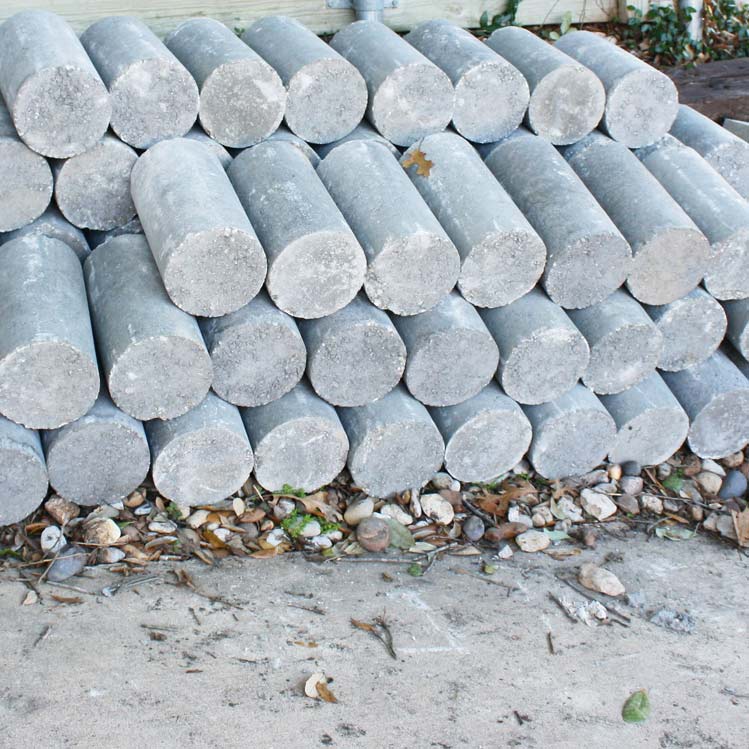
There are a few variations of concrete pier systems. Some are poured-in-place piers, where contractors drill or hand-dig holes, build a rebar cage, and pour concrete that cures on site. Others use precast concrete cylinders or segments driven into the ground using hydraulic equipment until they reach resistance. Each approach has its own advantages in terms of installation speed, depth, and cost. A reputable company like Dalrock Foundation Repair will evaluate which type fits your home’s design, soil conditions, and budget.
Compared to lighter-duty repairs, such as surface patching or cosmetic crack filling, concrete piers address structural support directly. They are not a cosmetic fix; they are a structural intervention. When designed correctly, a pier system can help reduce ongoing movement, protect plumbing lines running through or under the slab, and extend the useful life of the foundation. That is why engineers and experienced contractors often recommend them for significant settlement or heaving, especially in regions with challenging soils like Dallas.
Recognizing When Repair Is Needed
Not every crack means your home is in serious trouble, but certain patterns should get your attention. Diagonal cracks that run from the corners of doors and windows, gaps where trim pulls away from walls, or stair-step cracks in brick or masonry can be signs that different parts of the foundation are moving unevenly. When one section drops or heaves relative to another, the rigid materials of the house respond by cracking, twisting, or separating. If these signs keep getting worse, it is a strong indicator that the underlying support needs evaluation.
Inside the home, doors that stick, frames that go out of square, and windows that suddenly become difficult to open or close can all hint at foundation movement. Floors may slope, feel bouncy, or show cracks in tile or grout. In severe cases, you might see separation where walls meet ceilings or where cabinetry pulls away from walls. These changes often develop slowly, which makes them easy to ignore. However, waiting too long can allow more damage to accumulate, increasing the scope and cost of any eventual repair.
Outside, pay attention to gaps between the foundation and the soil, visible separations between brick and trim, or pronounced cracks in the concrete slab at the edges of your home. If you live in the Dallas area and notice several of these warning signs, it is wise to call a foundation specialist like Dalrock Foundation Repair for an assessment. A professional evaluation typically includes elevation measurements, visual inspection of cracks and framing, and sometimes consultation with an engineer. The goal is to determine whether concrete pier foundation repair is appropriate, or if a different approach makes more sense.
How Concrete Pier Repair Is Performed
The repair process begins with planning. After an inspection, the contractor creates a layout showing where piers should be installed and how many are needed to properly support and, if appropriate, lift the foundation. This plan accounts for the home’s design, the locations of load-bearing walls, and the areas showing significant settlement or heave. In Dallas, considerations such as access around the home, landscaping, and existing patios or driveways also factor into the plan, since these can affect where equipment can operate and how piers are installed.
On installation day, crews typically excavate small holes along the perimeter or through openings cut in interior slabs, depending on where support is needed. For poured-in-place piers, they dig or drill down to the target depth, set reinforcing steel, and pour concrete, which must then cure to reach design strength. For precast systems, they drive concrete cylinders or segments into the ground using hydraulic jacks until they reach a predetermined resistance, indicating they are bearing on stronger soil or rock. Each pier location is carefully monitored to ensure proper depth and support.
Once the piers are in place and ready to carry load, the lifting phase begins. Hydraulic jacks are set on each pier, and the foundation is slowly, carefully raised in small increments. Technicians monitor elevation readings and the behavior of the structure, watching for signs that suggest they should stop lifting to avoid causing new damage. The goal is not always to make the house perfectly level, but to achieve a stable, structurally sound position that relieves stress and closes gaps where possible. After lifting, the piers are locked into place, excavations are backfilled, and any access holes in the slab are patched.
Throughout this process, communication matters. A contractor like Dalrock Foundation Repair should explain what they are doing, how much lift they expect to achieve, and what cosmetic changes you might see as the house moves back toward level. It is common for some interior cracks to close and doors to function better after lifting. In other cases, some cosmetic repairs will still be needed after the structural work is complete. Understanding these expectations beforehand makes the process far less stressful for homeowners.
Concrete Piers vs. Other Options
Concrete piers are not the only foundation repair method available, and it is helpful to understand how they compare. In some situations, steel piers or helical piers might be recommended, especially when very deep, stable strata are needed or when loads are particularly high. Steel systems can sometimes reach greater depths than concrete segments, but they can also be more expensive. In other cases, shallow underpinning, mudjacking, or polyurethane foam injections may be used for less severe settlement or for lifting flatwork like driveways and sidewalks rather than the main structure.
Concrete piers are often a strong fit for many Dallas homes because they balance cost, performance, and adaptability. They can be installed under both slab-on-grade and pier-and-beam foundations, and they are well-suited to the clay soils common in the area when properly designed. For homeowners, the decision is less about memorizing every technical detail and more about working with a contractor who can explain why a particular system is being recommended and how it will perform over time.
Another factor to consider is engineering input. For more complex projects, or when there is significant structural damage, a structural engineer may design or review the pier layout. This adds an extra layer of assurance that the solution is tailored to your specific home and soil conditions. Dalrock Foundation Repair is familiar with regional engineering standards and can coordinate with engineers when needed, ensuring that the concrete pier system is not just installed correctly, but also thoughtfully designed from the start.
Protecting Your Investment After Repair
Once concrete pier foundation repair is complete, homeowners often feel a sense of relief – and rightly so. But the work of protecting your foundation does not end when the crew leaves. The same expansive soils and weather patterns that caused issues in the first place are still present. The difference is that your home now has a reinforced support system. To help that system perform at its best, ongoing maintenance and smart landscaping choices are important.
One of the most critical steps is maintaining consistent moisture around the foundation. This does not mean keeping the soil wet, but rather avoiding extreme swings from very dry to saturated. In Dallas, many professionals recommend using soaker hoses or drip irrigation set a few feet away from the foundation, controlled by timers, to help keep moisture levels more uniform during long dry spells. Proper drainage is equally important; gutters, downspouts, and grading should be configured to move water away from the house, not allow it to pool near the foundation.
Landscaping decisions also matter. Large trees planted too close to the home can draw moisture from the soil under the foundation, contributing to differential movement. If you already have mature trees near your house, consult with an arborist and your foundation contractor about ways to manage root growth and moisture demand. Regularly walking your property, watching for new cracks, soil separations, or changes in door and window operation, will help you catch any new issues early. If you see concerning signs, contacting a professional like Dalrock Foundation Repair promptly is far better than waiting for problems to escalate.
Frequently Asked Questions
How do I know if I really need concrete pier foundation repair? The best indicator is a combination of visible symptoms and professional evaluation. If you notice multiple warning signs – such as diagonal interior cracks, doors that no longer close properly, gaps around windows, or stair-step cracks in brick – it is time to schedule an inspection. A foundation specialist will take elevation readings, inspect the structure, and determine whether settlement or heave is significant enough to justify concrete piers. In some cases, minor cosmetic repairs may be enough; in others, structural support is clearly needed to prevent further damage.
Will concrete piers stop all future movement? No system can absolutely guarantee that a foundation will never move again, especially in expansive clay soils. However, a properly designed and installed concrete pier system significantly reduces the risk of serious, damaging movement by transferring loads to more stable soil and reinforcing key structural areas. Many homes in Dallas see a substantial improvement in performance after repair. Ongoing maintenance, such as proper drainage and moisture management around the foundation, further improves long-term results.
How long does concrete pier foundation repair usually take? The duration depends on the size of the home, the number of piers required, and site conditions. A small to medium-sized home might be completed in a few days, while larger or more complex projects can take a week or more. The process includes excavation, pier installation, lifting and leveling, and backfilling or patching. Companies like Dalrock Foundation Repair will typically provide a timeline estimate after the initial inspection so you can plan around noise, equipment, and limited access to certain areas during the work.
Will the repair damage my yard, landscaping, or interior? Some disruption is unavoidable because crews must access the foundation around the perimeter and sometimes through the interior slab. This can mean digging small holes, temporarily moving plants, or cutting and later patching sections of concrete floor. A careful contractor works to minimize damage, protect landscaping where possible, and restore disturbed areas at the end of the project. Before work begins, ask your contractor to explain exactly where access is needed so you can understand the impact and plan accordingly.
How do I choose the right foundation repair company? Look for a contractor with extensive experience in your region, clear communication, and solid references. In Dallas, it is important to choose a company that understands local soil conditions and is familiar with common structural designs in the area. Ask about licensing, insurance, warranties, and whether they work with engineers when necessary. A reputable company like Dalrock Foundation Repair will walk you through their proposed solution, explain why concrete piers (or another method) are recommended, and provide a written plan and agreement. For more information on options and processes, you can explore this resource on Foundation Repair.