
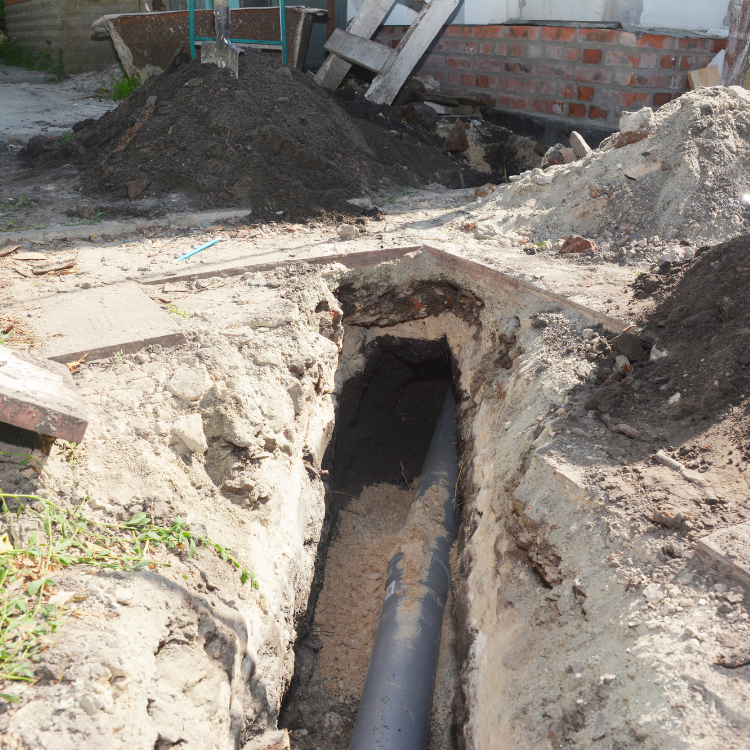
If your Dallas, TX home has cracks that seem to widen, doors that don’t latch, or a foundation wall that looks like it is leaning, you are probably dealing with a structural movement problem. This guide explains how concrete pier foundation repair can address bowed foundations, what to check before work starts, and how to avoid common contractor pitfalls.
Last summer, a homeowner in Dallas, TX noticed a new hairline crack near the corner of the living room. A few months later, the crack looked wider and the interior door started sticking at the top. When they walked outside, they also saw the foundation wall had a slight outward bow.
That combination often points to foundation settling repair needs, but the real question is whether the movement is active and what kind of underpinning will stabilize it. This guide helps you understand what concrete pier foundation repair typically targets, what should be evaluated on site, and how to plan next steps with foundation repair services that fit your situation.
Quick Answer
Concrete pier foundation repair is commonly used when a foundation wall has bowed because parts of the structure need support at deeper, more stable soil. A proper repair plan starts with identifying the movement pattern and confirming whether drainage correction is also required, since water problems can keep pushing the foundation over time. For residential foundation repair in Dallas, TX, ask for a site-specific inspection that maps cracks and wall movement, then discusses pier placement and how the repairs will be coordinated with drainage repair. If you see ongoing cracking or sticking doors, schedule an inspection promptly.
What to Check First
Before you compare repair methods, focus on a few observations that help a foundation repair company determine whether the issue is structural and active.
Look for movement clues
Check whether cracks are widening, floors are sloping, and doors or windows are sticking more than usual. Note where the bow appears strongest.
Check drainage around the home
Water pooling near foundation walls, downspouts that discharge too close to the structure, or yard grading that slopes toward the house can worsen settling.
Document what you see
Take photos of cracks and measure their width with a simple gauge. Keep a short log of when you first noticed changes.
If you are trying to narrow down the repair approach, it can also help to understand related systems. For example, you can review concrete pier foundation repair and compare it to other options like steel piers depending on your foundation type and site conditions.
Main Things Customers Should Understand
Bowed foundations are not just a cosmetic concern. When a wall bows outward, it usually indicates the structure is not sitting evenly on stable support. Concrete pier foundation repair aims to transfer the load to deeper, more dependable soil, helping bring the foundation back toward a stable position.
Professional observation: Bowed foundation repairs often require both structural support and water control. If the soil stays too wet or drainage stays poor, new movement can occur even after piers are installed.
How concrete piers typically help
In many Dallas-area homes, concrete pier underpinning is used to stabilize areas where the foundation has lost support. The goal is to create a controlled support system under the affected foundation section, rather than relying only on surface crack patching.
What a good plan should include
- Foundation assessment: mapping where the bow and cracking are occurring and whether the movement appears active.
- Pier design and placement: where piers will be installed to support the wall and improve stability.
- Coordination with drainage: identifying whether drainage correction services are part of the repair plan.
- House foundation repair scope: how interior and exterior repairs are coordinated after structural stabilization.
Concrete piers vs. other pier systems (decision table)
| Repair approach | What it’s commonly used for | What to ask your contractor |
|---|---|---|
| Concrete pier foundation repair | Bowed foundation walls and areas that need support transferred to deeper soil | How pier placement addresses your specific bow pattern and what drainage problems are being corrected |
| Steel pier foundation repair | Structural stabilization where a pier system is needed to support foundation movement | How the pier system will be engineered for your site and how the plan prevents repeat movement |
| Hybrid pier systems | Situations where multiple support strategies may be used to meet site requirements | Why a hybrid approach fits your foundation and how installation ties into drainage correction |
Related repair areas you may need
Bowed foundations often show up alongside other issues. Depending on your property, you may also need help with pier and beam stabilization (for applicable crawlspace layouts) or exterior work like sidewalk and driveway repair if settlement has affected concrete surfaces.
Why This Matters in Dallas, TX
In Dallas, TX, many homeowners deal with seasonal soil moisture swings. When drainage is poor, water can keep working its way toward foundation walls, contributing to foundation settling repair problems that do not stop on their own. That is why concrete pier foundation repair for bowed foundations typically goes hand in hand with drainage correction.
Another Dallas-area reality is that older homes and additions may have different foundation sections that respond differently to moisture and load. A repair plan should account for how the bowed area relates to the rest of the structure, rather than treating cracks as isolated cosmetic issues.
Helpful local tip: If you notice yard drainage problems around foundation corners, prioritize water control while the structural plan is being developed. Fixing drainage too late can lead to ongoing foundation settling repair concerns.
A representative Dallas-area scenario
A homeowner in the Dallas, TX area reported a bow developing along an exterior foundation wall after heavy rainfall. Inside, they saw widening cracks near the corner and a door that began sticking. The inspection focused on the pattern of movement, crack progression, and where water collected near the foundation.
The final repair approach involved stabilizing the bowed section with concrete pier underpinning, coordinated with drainage correction. After the structural stabilization scope was completed, the homeowner could address interior and exterior finishing work with confidence that the underlying movement problem was being addressed.
Need help identifying the right repair approach for a bowed foundation?
If you are dealing with cracked foundation repair concerns in Dallas, TX, Dalrock Foundation Repair can walk you through what’s happening and which foundation repair services best match your situation.
Call or contact Dalrock Foundation RepairCommon Mistakes to Avoid
Bowed foundation repairs can be costly when the scope is incomplete. Here are common pitfalls that homeowners should avoid before approving any work.
- Only patching cracks without addressing movement: crack repairs can fail if the foundation continues to shift.
- Ignoring water and drainage correction: poor drainage solutions can keep stressing the foundation even after structural stabilization.
- Choosing a pier type without an on-site assessment: the right solution depends on foundation layout, movement pattern, and site conditions.
- Underestimating coordination: exterior concrete work and interior finishing should be aligned with the structural repair timeline.
- Skipping documentation: without photos and measurements, it is harder to confirm whether problems are actively progressing.
Customer Checklist
- Confirm the symptoms match a foundation settling repair pattern (widening cracks, sticking doors, visible bow).
- Document crack locations, widths, and changes over time with photos and notes.
- Walk the perimeter and identify potential drainage problems around foundation corners and downspout discharge areas.
- Ask whether drainage correction services will be included and how yard drainage correction will be handled.
- Request a pier foundation repair plan that describes concrete pier foundation installation and pier placement strategy.
- Discuss what related repairs (like structural foundation repair finishing and affected exterior concrete) may be needed after stabilization.
- Ask how the repair plan addresses foundation water drainage solutions to reduce repeat movement risk.
Frequently Asked Questions
What does concrete pier foundation repair do for a bowed foundation wall?
Concrete pier foundation repair is designed to stabilize a foundation section that has lost even support. When a wall bows outward, the structure is often not resting consistently on stable soil. Piers transfer the load to deeper, more dependable ground so the foundation can be brought back toward a stable condition. In practice, the exact approach depends on where the bow is showing, how cracks are behaving, and whether drainage problems around the foundation are contributing to ongoing movement.
Will drainage correction be part of the repair, or can piers alone fix it?
In many cases, piers address the structural support issue, but drainage correction addresses the reason soil may keep shifting. If water is collecting near the foundation or your yard slopes toward the house, the soil can remain unstable. That is why reputable foundation repair services often evaluate drainage first and then coordinate structural foundation repair. If your situation includes drainage repair needs, ask how drainage correction services will be integrated into the overall plan.
How can I tell whether my foundation problem is actively worsening?
Active issues usually show changes over time, such as cracks that become wider or taller, doors that start sticking more noticeably, or new gaps around windows and trim. Taking photos and measuring crack width helps you track whether the problem is progressing. If you see ongoing movement symptoms, it is a good idea to request a foundation repair estimate based on an on-site inspection rather than relying on surface crack patching.
Are concrete pier underpinning repairs only for residential homes?
Concrete pier underpinning can be used for residential foundation repair and other structures depending on the foundation type and the stability needs of the site. The key is matching the repair method to the movement pattern and the foundation layout. If you have a home, a property manager, or a building owner working through structural foundation repair concerns, the same evaluation process applies: confirm movement, identify contributing drainage problems, and then design pier foundation installation accordingly.
What should I ask about the foundation repair process before work starts?
Ask how the inspection will identify the bow and crack pattern, what pier type and placement strategy will be used, and whether drainage correction will be included. You can also ask how the contractor coordinates any related repairs after stabilization, such as exterior concrete work and interior finishing. If you are comparing options, reviewing service pages like concrete pier foundation repair can help you understand the terminology you will hear during your conversation.
Get a clearer plan for your Dallas, TX foundation
If you are seeing bowed foundation signs, cracked foundation repair concerns, or drainage problems around foundation areas, Dalrock Foundation Repair can help you sort out what to address first and how concrete pier foundation repair may apply to your situation.
Call (972) 578-8800