
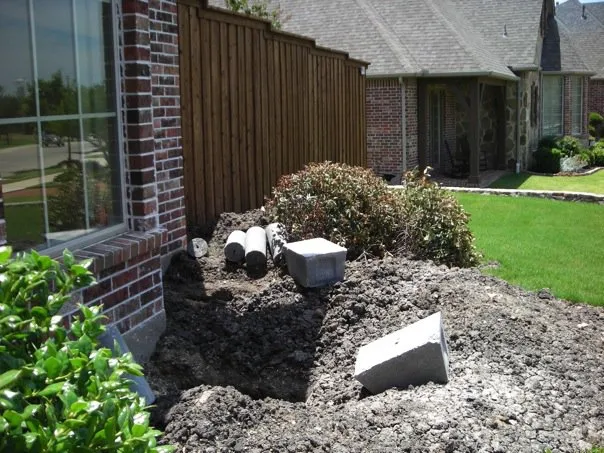
More than 80% of foundation problems in residential homes are directly related to water and drainage issues, not poor construction. That surprises many homeowners, because standing water in the yard or a soggy flowerbed feels like a landscaping problem, not a structural threat. Yet in North Texas clay soils, the way water moves, drains, and evaporates around your home can quietly determine whether your foundation stays stable or starts to crack, settle, and shift.
Effective drainage correction is not just about getting rid of puddles; it is about controlling how moisture interacts with the soil that supports your foundation. When water consistently pools near the slab or pier-and-beam system, the soil can swell, soften, or erode. When that same soil dries out too quickly, it can shrink and pull away from the foundation. This constant expansion and contraction cycle is one of the biggest enemies of foundation safety in the Dallas, TX area. Dalrock Foundation Repair sees this pattern every day: drainage problems first, structural damage second.
Thinking about drainage in terms of foundation safety changes the entire conversation. Instead of asking, “How do I get water away from my yard?” the better question becomes, “How do I manage water so my foundation stays on consistent, stable soil year-round?” That shift leads to smarter decisions about grading, gutters, downspouts, French drains, and surface drains. It also highlights why professional evaluation is so important. Effective drainage correction is part science, part engineering, and part understanding how North Texas weather and soils behave over time.
Why Water Threatens Foundations
To understand why drainage correction matters so much, you have to look below the surface. In Dallas and much of North Texas, the dominant soil type is expansive clay. This soil acts like a sponge: when it gets wet, it swells; when it dries out, it shrinks. A small moisture change can lead to significant volume change, and that movement is transmitted directly to your foundation. If water is allowed to collect along one side of the home while another side stays relatively dry, the soil under your foundation can move unevenly, causing differential settlement and stress cracks.
Water can also undermine foundations through erosion. When rainfall or sprinkler runoff flows too quickly and directly along the edge of the slab, it can wash away fine particles of soil. Over time, that creates voids or softer zones under portions of the foundation. As those areas lose support, the foundation can sink or tilt, creating interior problems like sloping floors, sticking doors, and cracked drywall. What seems like a simple drainage issue outside can be the root cause of serious structural symptoms inside.
Another hidden danger is long-term saturation. If water is not effectively directed away from the home, the soil can remain wet for extended periods. Constantly saturated soil loses bearing capacity, meaning it cannot support as much weight. For pier-and-beam homes in Dallas, this can lead to rotting or shifting piers and sagging floors. For slab-on-grade homes, it can mean a slow, uneven drop in certain areas of the slab. Dalrock Foundation Repair often finds that homes with chronic standing water issues have more severe and widespread foundation damage than homes where water is quickly dispersed.
Common Drainage Red Flags
Most homeowners notice drainage problems long before they realize there is a foundation risk involved. Puddles that remain for days after a storm, soggy patches of grass, or mulch that constantly washes away are all obvious signs. However, there are subtler indicators that water is not moving correctly around your home. Soil pulling away from the foundation, exposed roots near the perimeter, and mold or mildew on the lower portion of exterior walls can all point to moisture imbalances that need attention.
One of the most overlooked red flags is the behavior of gutters and downspouts. When gutters overflow during a normal Dallas rainstorm, that water is not disappearing; it is dumping right next to your foundation. Downspouts that discharge water only a foot or two from the slab can create concentrated zones of saturation. Over time, these conditions can cause localized foundation movement, often visible as cracks radiating from corners or changes in the way doors and windows operate near those areas.
Interior clues can also hint at drainage-related foundation stress. If you notice new cracks forming near windows, doors that suddenly start rubbing or sticking, or floor tiles separating, do not just assume it is age. These can be early signs of movement caused by moisture-driven soil changes. Dalrock Foundation Repair frequently connects these interior symptoms with exterior drainage problems such as improper grading, poorly placed downspouts, or clogged surface drains. Catching these issues early can significantly reduce the scope and cost of foundation repairs later.
How Proper Grading Protects Your Home
One of the simplest yet most powerful forms of drainage correction is proper grading. Grading refers to the slope of the ground around your home. Ideally, the soil should slope away from the foundation on all sides, creating a natural path for water to flow away instead of toward the slab. In general, a drop of about 6 inches over the first 10 feet away from the home is considered a good starting point, though specific needs may vary depending on property layout and soil type.
Over time, grading can change without you noticing. Soil settles, landscaping is added, flowerbeds are built up, and mulch accumulates. In Dallas, many homes have had multiple generations of landscaping work, each adding a little more soil or decorative material near the walls. That buildup can flatten or even reverse the slope, allowing water to run toward the foundation. Correcting grading may involve removing excess soil, re-contouring beds, or adding fill in low areas to restore a positive slope away from the structure.
Professional drainage correction looks at grading holistically. It is not enough to create a slope in one small area; water follows the path of least resistance across the entire yard. Dalrock Foundation Repair evaluates how water moves from the roof all the way to the street or alley, identifying low points, obstructions, and areas where water can become trapped. Often, grading improvements are combined with other drainage solutions like surface drains or swales to create a comprehensive system that keeps water flowing away from your foundation in a controlled, predictable way.
Gutters, Downspouts, And Extensions
Gutters and downspouts are often the first line of defense for foundation safety, yet they are frequently neglected. Every gallon of water that lands on your roof must go somewhere. In a typical Dallas storm, thousands of gallons can run off a standard home. If that water is not captured and directed away, it can pour directly against your foundation, quickly overwhelming the soil’s ability to absorb it evenly. Properly designed and maintained gutters catch roof runoff and channel it to downspouts, which then move it away from the slab.
However, many homes have downspouts that discharge too close to the foundation. A downspout that ends 1 or 2 feet from the wall can concentrate water in a narrow zone, saturating the soil and creating a problem spot. Downspout extensions, splash blocks, or buried drain lines can carry that water 5 to 10 feet away, greatly reducing the risk of localized soil movement. For homes in Dallas, where intense thunderstorms are common, ensuring that downspouts are properly sized and connected to effective discharge paths is critical.
Maintenance is just as important as design. Clogged gutters overflow, acting as if they are not there at all. Leaks at gutter joints can pour water in unintended locations, sometimes directly into flowerbeds or along walkways that slope back toward the home. Dalrock Foundation Repair often recommends that homeowners include regular gutter cleaning in their home maintenance routine and have the system inspected for proper slope and secure attachment. A well-functioning gutter and downspout system is a relatively low-cost way to significantly improve drainage and protect foundation safety.
French Drains And Surface Drains
When grading and gutters are not enough by themselves, more specialized drainage systems may be needed. Two of the most common solutions used in Dallas, TX are French drains and surface drains. While they sound similar, they address different types of water problems. A French drain is designed to intercept and redirect subsurface water, while a surface drain focuses on collecting and carrying away water that you can see on the ground.
A French drain typically consists of a perforated pipe buried in a gravel-filled trench, wrapped in filter fabric to keep soil out. It is installed in areas where water tends to saturate the soil below the surface, such as along a foundation line, at the bottom of a slope, or behind retaining walls. As water moves through the soil, it enters the gravel and then the pipe, which carries it to a safe discharge point. Properly installed French drains can significantly reduce hydrostatic pressure against foundation walls and help keep the soil moisture more consistent.
Surface drains, on the other hand, involve catch basins, channel drains, or yard inlets that collect visible water and route it through solid pipes to a lower point, such as a street, alley, or dedicated drainage easement. These systems are helpful in flat yards, low spots, or areas where water tends to pool after heavy rain. In many Dallas properties, Dalrock Foundation Repair designs hybrid systems that use both French drains and surface drains, combined with grading adjustments, to create an integrated approach that manages both visible and hidden water effectively.
Why Professional Evaluation Matters
While some drainage improvements are straightforward, many properties in Dallas present complex challenges. Multiple rooflines, neighboring properties that slope toward your home, mature trees, and existing hardscapes like patios and driveways all influence how water behaves. A quick DIY fix, such as installing a single short French drain or adding a bit of soil against the foundation, can sometimes make problems worse by trapping water or redirecting it to another vulnerable area.
Professional evaluation looks at the entire property as a system. Dalrock Foundation Repair, for example, assesses the condition of the foundation, the type and behavior of the soil, the existing drainage patterns, and the performance of current systems like gutters and drains. By combining structural expertise with drainage knowledge, they can distinguish between cosmetic issues and genuine threats to foundation safety. This is especially important when deciding where to invest in improvements, because not every wet spot is equally dangerous.
Another advantage of professional involvement is proper installation. Effective drainage correction must follow basic engineering principles: correct pipe sizing, adequate slope, appropriate discharge points, and protection against clogging and backflow. Cutting corners or using the wrong materials can lead to premature failure, leaving you with the same drainage problems and potentially more foundation damage. In a region as challenging as Dallas, TX, where soil and storm patterns put extra stress on homes, having a qualified team design and implement drainage solutions can save significant money and stress over the life of the property.
Frequently Asked Questions
How do I know if my drainage is putting my foundation at risk? Look for a combination of exterior and interior signs. Outside, pay attention to standing water that lingers more than 24–48 hours after rain, soil that slopes toward the house, gutters that overflow, and downspouts that discharge close to the foundation. Inside, watch for new or widening cracks in walls, doors or windows that suddenly stick, and uneven floors. If you see both moisture issues outside and structural symptoms inside, it is wise to have a professional like Dalrock Foundation Repair evaluate both the drainage and the foundation together.
Are French drains always the best solution? No, French drains are a tool, not a universal answer. They are most effective for managing subsurface water in specific problem areas, such as along a foundation where soil remains saturated or at the base of a slope. In some Dallas homes, proper regrading and improved gutters provide enough protection without the need for French drains. In other cases, a combination of surface drains, swales, and targeted French drains is needed. A thorough assessment determines which methods are appropriate, rather than assuming one type of drain fits every situation.
Can landscaping changes improve or harm my drainage? Absolutely. Landscaping can either support good drainage or undermine it. Adding raised beds, borders, or heavy mulch against the foundation can trap water and flatten the slope away from the home. Dense plantings can change how water flows across the yard. On the positive side, strategically placed plants, groundcover, and properly designed beds can slow runoff and reduce erosion. When planning landscaping in Dallas, it is important to consider how each change affects water movement and to maintain a clear, gentle slope away from the foundation.
How often should drainage systems be inspected or maintained? At least once a year, especially after the heavy spring or fall rain seasons common in North Texas. Gutters should be cleaned and checked for leaks and proper pitch. Downspouts and extensions need to be inspected to ensure they are securely attached and discharging far enough from the home. Surface drains and French drain inlets should be cleared of debris, leaves, and sediment. After major storms, it is a good idea to walk your property and observe where water collects or flows; if you see new problem areas, consider having a drainage and foundation professional review them.
If my foundation is already damaged, is drainage correction still necessary? Yes, in many cases it is essential. Foundation repairs address the structural consequences of past movement, but if drainage issues remain, the same forces that caused the damage can continue to act on the home. Dalrock Foundation Repair often recommends or performs drainage corrections either before, during, or after structural repairs to stabilize soil conditions and protect the investment in the repair work. Correcting drainage helps create a more consistent moisture environment, reducing the risk of future movement and extending the life of your foundation and your home.
For homeowners in Dallas, TX, managing water is one of the most powerful steps you can take to safeguard your foundation. When you pair thoughtful drainage correction with expert structural insight, you transform water from a threat into a controlled part of your property’s design. To learn more about how structural repairs and drainage solutions work together, you can explore this resource on Foundation Repair.