
In North Texas, foundation problems don’t wait for a convenient time. Expansive clay soils, sudden droughts, and heavy rains can shift a home’s foundation in a matter of months, sometimes weeks. That is why expert steel pier foundation repair techniques matter so much right now for homeowners in Dallas, TX. When a slab begins to sink or tilt, doors start sticking, cracks form in brick and drywall, and floors become uneven, the structural health of the entire house is at risk. The longer those issues are ignored, the more expensive and complicated the repair can become.
Steel piers have become the preferred solution for many structural engineers and experienced contractors because they reach deep, stable strata below the active clay layer. Unlike shallow, temporary fixes, properly installed steel piers can help permanently re-support and re-level a home. Dalrock Foundation Repair focuses on these expert steel pier techniques because they deliver predictable results in Dallas’ challenging soil conditions. With the right design, materials, and installation process, steel piers can transfer the weight of a home to competent bearing layers, reducing future movement and helping protect the homeowner’s investment for decades.
What really separates expert steel pier foundation repair from basic or “quick fix” methods is the combination of engineering insight, jobsite experience, and precise installation practices. It is not enough to simply drive steel into the ground and lift the house. The process must be tailored to the home’s structure, the soil profile, and the pattern of movement that has already occurred. When performed correctly, steel pier systems can restore elevation, close cracks, and stabilize the foundation in a way that cheaper, shallower methods rarely achieve in the Dallas area.
Understanding Dallas Soil And Movement
To understand why steel piers are so effective in Dallas, TX, it helps to look at the soil. Much of the region sits on highly expansive clay, which swells dramatically when saturated and shrinks when dry. This constant expansion and contraction behaves like a slow-motion jack under your foundation, pushing parts of the slab upward during wet periods and allowing them to sink when conditions dry out. Over time, this repeated movement can cause differential settlement, where one area of the home sits at a different elevation than another, leading to cracks and structural strain.
Shallow foundation repair techniques, such as basic concrete piers or mudjacking, often only address the upper few feet of soil. Unfortunately, this is exactly the zone that is most affected by moisture changes. When the weather cycles continue, those shallow supports can move along with the soil, and the problems come back. Homeowners may see temporary improvement, only to watch new cracks form and doors go out of alignment again. Dalrock Foundation Repair has seen this pattern many times across Dallas and surrounding communities.
Expert steel pier systems are designed to bypass that active soil layer. Instead of relying on the unstable upper strata, steel piers are driven down to deeper, more consistent bearing layers. This could be dense clay, rock, or another stable soil type that does not fluctuate with every storm or drought. By transferring the load of the structure to these deeper layers, steel piers dramatically reduce the influence of seasonal movement, providing a much more reliable foundation support system in the long term.
How Professional Steel Piers Work
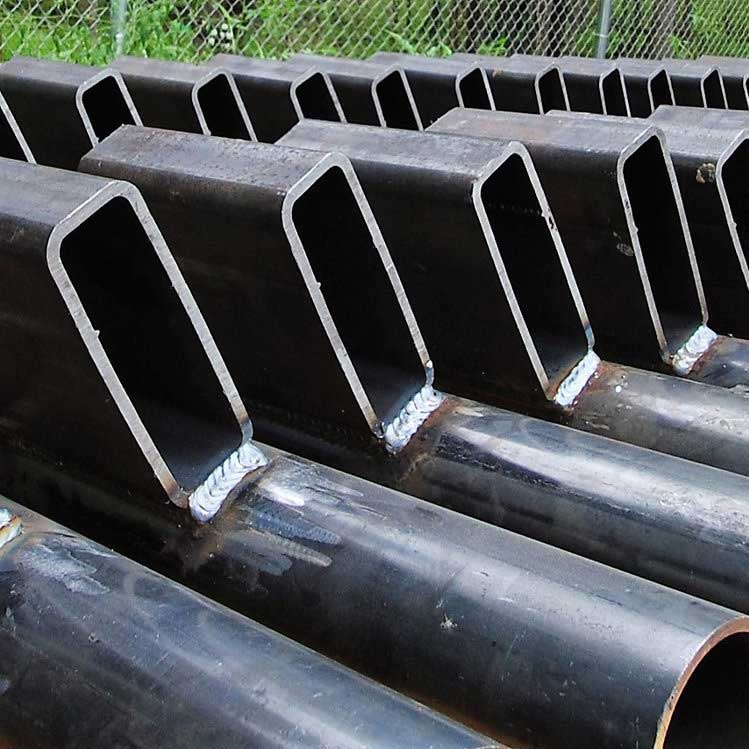
At its core, a steel pier is a series of interlocking steel sections driven into the ground beneath the foundation until they reach a point of refusal or a predetermined design depth. The sections are typically galvanized or otherwise protected from corrosion, ensuring longevity beneath the soil. Each pier is connected to the foundation with a specially designed steel bracket that anchors firmly to the underside of the footing or slab. This bracket transfers the weight of the structure directly to the pier, bypassing the weaker soils above.
The installation process is highly controlled. Dalrock Foundation Repair crews begin by excavating small access holes around the perimeter of the home where piers will be placed. The foundation is prepared, and heavy-duty hydraulic equipment is used to push steel pipe segments into the ground. Each segment is added as the pier advances deeper, with the hydraulic pressure and resistance monitored carefully. When the pier reaches a stable load-bearing layer, the resistance increases sharply, indicating that the pier has found competent support.
Once the target depth and resistance are achieved, the steel bracket is secured to the foundation and attached to the pier. After all piers are installed and connected, synchronized hydraulic jacks are used to gently lift sections of the foundation. This lift is performed slowly and methodically, with measurements taken at multiple reference points inside and outside the home. The goal is to restore the slab as close as practical to its original elevation without causing undue stress or damage to the structure. When the desired lift is reached, the system is locked in place, and the excavation holes are backfilled.
Key Techniques That Separate Experts From Amateurs
Not all steel pier installations are equal. The difference between a basic job and an expert repair often shows up years later, when some homes remain stable and others experience renewed movement. One critical technique is thorough pre-job evaluation. Dalrock Foundation Repair takes time to assess not only visible symptoms like cracks and door misalignment, but also elevation readings, drainage patterns, plumbing lines, and landscaping. This holistic view helps determine exactly where piers are needed, how many are required, and what loads each pier must carry.
Pier spacing is another important detail. Placing piers too far apart can leave spans of the foundation under-supported, causing sagging between piers. Placing them too close without proper engineering can be unnecessarily expensive without adding meaningful benefit. Expert technicians balance the structural layout of the home, the thickness and strength of the slab or footing, and the soil conditions to optimize pier locations. Corners, heavy load areas such as fireplaces, and zones with the most settlement often receive special attention.
The lifting process itself demands skill and experience. Raising a foundation unevenly or too quickly can cause new cracks or even structural damage. Expert crews lift in small increments, continuously monitoring interior doors, windows, and finishes while checking elevation readings. Sometimes, full restoration to original height is neither practical nor advisable; instead, a controlled partial lift that stabilizes the structure without overstressing it may be the best choice. This judgment call comes from years of working with Dallas homes and understanding how they respond during elevation correction.
Advantages Of Steel Piers In Dallas
Steel piers offer several advantages that are especially important in the Dallas climate and soil environment. First, they provide depth. By reaching below the active clay zone, steel piers tie the home to more stable ground. This depth is a major reason structural engineers often specify steel piers for serious settlement issues. In contrast, shallower systems are vulnerable to the same moisture-driven soil changes that caused the original problem.
Second, steel piers can be installed in relatively tight spaces with minimal disruption compared to some other deep foundation methods. The equipment is compact enough to work around existing landscaping and hardscapes in many cases, although some removal is sometimes necessary. Homeowners appreciate that, when professionally executed, a steel pier project can typically be completed in days rather than weeks. Once the work is done and the soil is backfilled, many yards can be restored with basic landscaping repairs.
Another key benefit is the ability to adjust and verify performance during installation. Because hydraulic pressure and pier movement are monitored in real time, installers know when the pier is bearing on competent strata. This feedback loop allows Dalrock Foundation Repair technicians to adapt pier depth and configuration as conditions dictate, ensuring each location achieves the required load-bearing capacity. The resulting support system is customized to the actual soil profile under the home, not just a generic depth assumption.
Planning A Steel Pier Project With Dalrock
For homeowners in Dallas, TX considering steel pier foundation repair, the process typically begins with a detailed inspection. A knowledgeable technician visits the property, documents visible issues, and takes floor elevation readings where appropriate. They discuss the history of the home, including previous repairs, plumbing leaks, or major landscaping changes that might have affected the soil. This information feeds into a repair plan that outlines how many piers are recommended, where they will be placed, and what kind of lift is realistic.
Communication is crucial during planning. Dalrock Foundation Repair explains not only what work will be done, but why specific techniques are chosen. Homeowners learn where excavation will occur, how access will be gained, and what temporary disruptions to expect. Questions about warranties, long-term performance, and maintenance are addressed up front. This transparency helps homeowners feel confident in the solution and understand the value of investing in expert steel pier techniques rather than short-term fixes.
Once work begins, a well-organized crew follows a systematic process: excavation, pier driving, bracket installation, lifting, and backfilling. Throughout the project, the team keeps the homeowner updated on progress, any unexpected findings, and the results of the lift. When the repair is complete, the homeowner receives documentation of the work performed, pier locations, and warranty terms. In many cases, cosmetic repairs such as patching interior cracks or adjusting doors can be done after the foundation has been successfully stabilized.
Protecting Your Investment After Repair
Even after expert steel pier foundation repair, ongoing care of the property matters. While the piers greatly reduce the risk of significant settlement, the surrounding soil will still expand and contract with weather changes. Good drainage practices, such as maintaining gutters, downspouts, and grading that slopes away from the home, help minimize water buildup near the foundation. This reduces the stress on the slab and helps protect both repaired and unrepaired areas.
Moisture management around the home is another consideration. In Dallas, long dry spells followed by heavy rain are common. Allowing the soil to become extremely dry and then suddenly saturated can still cause some movement in shallow areas. Many foundation professionals recommend maintaining relatively consistent moisture levels near the foundation through proper landscaping and irrigation practices. Dalrock Foundation Repair can offer guidance on what is appropriate for a particular property.
Finally, homeowners should pay attention to any new signs of movement, even after a steel pier project. While quality repairs are designed to last, changes in plumbing, major tree growth or removal, or extreme weather events can affect the structure over time. If new cracks appear or doors begin sticking again, it is wise to call the repair company that installed the piers to evaluate the situation. A reputable contractor stands behind their work and can help determine whether the issue is related to the repaired areas or a new concern elsewhere.
Frequently Asked Questions
How long do steel pier foundation repairs typically last? Properly installed steel piers are designed as a long-term, often lifetime solution. Because they transfer the weight of the home to deep, stable soil or rock, they are not subject to the same seasonal movement that affects shallow supports. In Dallas, TX, where expansive clay is a constant challenge, steel piers are one of the most durable options available. Dalrock Foundation Repair installs piers with longevity in mind, using quality steel and proven installation methods to help ensure the system performs for decades.
Will steel pier installation damage my yard or landscaping? Some disruption is unavoidable because access holes must be excavated where each pier is installed. However, experienced crews work to keep disturbance to a minimum. The holes are typically localized around the foundation perimeter, and heavy equipment is often compact enough to maneuver without tearing up the entire yard. After the piers are installed and the lift is complete, the soil is backfilled and graded. While some landscaping repair or replanting may be needed, most homeowners find the trade-off worthwhile for the structural stability gained.
How do steel piers compare to concrete piers? Concrete piers are usually larger in diameter but are often installed at shallower depths, which can be a disadvantage in highly active clay soils like those in Dallas. Steel piers are driven deeper, often until they reach a load-bearing stratum, providing more consistent support. They also allow for immediate load transfer and lifting once installed, whereas some concrete systems require curing time. While steel piers may have a higher initial cost, their depth and reliability often make them more cost-effective over the life of the home.
Is every foundation problem a candidate for steel piers? Not every issue requires steel piers, but many moderate to severe settlement problems benefit from them. Minor cosmetic cracks or very slight movement may be addressed with monitoring or simpler solutions. During an inspection, a professional from Dalrock Foundation Repair evaluates the severity of settlement, the pattern of cracks, and the structural layout to determine whether steel piers are appropriate. In some cases, they may recommend a combination of methods or focus repairs on only the most affected areas of the foundation.
How do I get started if I suspect foundation issues? The first step is to schedule a professional evaluation with a reputable local contractor experienced in steel pier systems. In Dallas, TX, that means contacting a company that understands regional soils and has a track record with deep foundation repairs. During the visit, you can expect a thorough inspection, documentation of symptoms, and a clear explanation of any recommended solutions, whether that includes Foundation Repair with steel piers or another approach. Acting early can prevent small problems from turning into major structural concerns.