
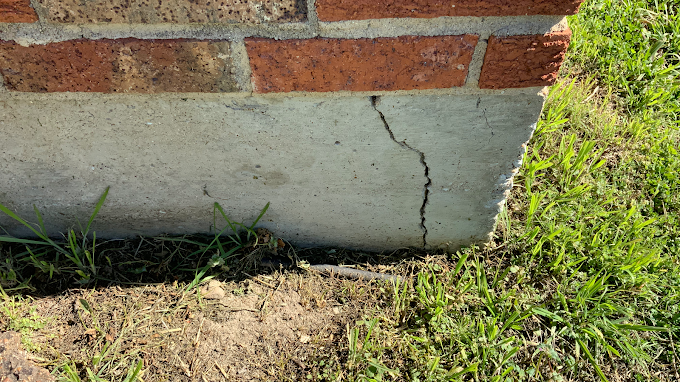
Homeowners in North Texas are often surprised to discover that two houses on the same street, with similar damage, can have foundation repair estimates that differ by thousands of dollars. In fact, nationwide data shows that foundation repairs can range from a few hundred dollars for minor cracks to well over $20,000 for extensive structural stabilization. That huge spread isn’t random; it is driven by a complex mix of soil conditions, structural design, damage severity, and repair choices that all come together on your property.
In the Dallas, TX area, where Dalrock Foundation Repair works every day, those cost-driving factors are even more pronounced because of our expansive clay soils and dramatic moisture swings. Your neighbor’s repair bill is not a reliable predictor of yours, even if your homes were built in the same year by the same builder. The way your lot drains, the type of foundation under your home, the access to work areas, and even past plumbing work can significantly influence what you will actually pay to restore stability.
Understanding what truly affects foundation repair costs puts you in a stronger position. Instead of feeling blindsided by an estimate, you can evaluate why certain recommendations were made, which items are non-negotiable for safety, and where you might have options. Below, we’ll break down the major factors that influence your foundation repair costs in Dallas and how a company like Dalrock Foundation Repair analyzes them before giving you a quote.
Soil And Site Conditions
The soil beneath your home is one of the biggest drivers of foundation repair costs, especially in North Texas. Much of the Dallas region sits on expansive clay soils that swell when wet and shrink when dry. Over time, this constant movement can cause foundations to settle, heave, or tilt. If your property is on particularly reactive soil, a repair plan often needs more piers, deeper piers, or more robust engineering to counter those forces, which naturally raises the price.
Site conditions play a major role as well. A flat, easily accessible lot is less expensive to work on than a sloped or heavily landscaped property. When Dalrock Foundation Repair evaluates a Dallas home, technicians pay close attention to how water flows across the lot, whether there are low spots where water collects, and whether large trees are close to the foundation. Poor drainage and thirsty tree roots can both intensify soil movement, requiring more extensive stabilization.
Another cost factor is how easy it is to get equipment to the work area. If a foundation crew can back a truck close to the house and work in open yard space, labor is more efficient and costs are lower. However, if access is tight, if concrete patios need to be removed, or if the home sits on a steep grade, the work becomes more labor-intensive. In some Dallas neighborhoods with narrow side yards or tight alleyways, simply moving materials and equipment to the right spot adds time and complexity that show up in the estimate.
Foundation Type And Construction
The type of foundation under your home has a direct impact on repair strategy and cost. In the Dallas area, slab-on-grade foundations are very common, but there are also pier-and-beam or crawlspace homes, especially in older neighborhoods. Each foundation type has its own failure patterns and repair methods, and that translates to different cost structures. A slab foundation often requires driven piers or drilled piers installed along the perimeter and sometimes under interior load points, while a pier-and-beam home may need sill replacement, beam shoring, or additional support piers in the crawlspace.
Construction details matter, too. The thickness of the slab, the amount of steel reinforcement, and the layout of load-bearing walls all affect how many supports are needed and where. A lightly reinforced slab that has cracked severely may need more piers to adequately lift and stabilize, compared to a stronger slab with more moderate settlement. Dalrock Foundation Repair will typically map the structure, mark high and low points, and design a pier layout tailored to the home’s unique load paths, not just a generic pattern. A more complex layout usually means more materials and labor, increasing cost.
Additionally, homes with complex footprints—such as multiple wings, bay windows, or large attached garages—are often more expensive to repair. Each jog in the foundation or transition area between structural sections is a potential movement point. Stabilizing an L-shaped or U-shaped home in Dallas often requires piers around the entire perimeter and sometimes under interior beams, whereas a simple rectangular house may need fewer supports. The more intricate your home’s foundation design, the more detailed and potentially costly the repair plan is likely to be.
Extent And Severity Of Damage
Not all foundation problems are created equal. A hairline crack that hasn’t moved in years is far different from a foundation that has dropped several inches on one side and is pulling walls and framing out of alignment. The degree of movement, the length and pattern of cracks, and visible signs like sticking doors, sloping floors, or separated brick joints all help determine how extensive the repair needs to be. Greater movement usually means more piers, deeper piers, and more time to carefully lift and level the structure.
In many Dallas homes, foundation damage has been developing slowly for years before a homeowner calls Dalrock Foundation Repair. By the time someone notices that the doors no longer close, the settlement may be substantial. Repairing advanced damage can be more complex because the structure must be lifted carefully to avoid sudden stress on brittle materials like brick or drywall. This careful, incremental lifting process takes more time, more monitoring, and sometimes additional equipment, which is reflected in labor costs.
Secondary damage also influences total project cost. While foundation repair companies like Dalrock typically focus on structural stabilization, other related issues may need to be addressed. Severe settlement can crack plumbing lines under the slab, misalign gas lines, or damage HVAC ductwork. If a leak test reveals plumbing problems, those repairs are separate but related costs you need to consider. Similarly, if interior finishes, tile, or masonry require extensive cosmetic repair after the structure is lifted, that adds to your overall out-of-pocket expenses, even if they’re performed by different contractors.
Choice Of Repair Method And Materials
There is rarely just one way to approach a foundation problem, and the repair method chosen has a major impact on cost. In the Dallas market, common solutions include concrete pressed piers, drilled concrete piers, and steel piers. Each system has its own price point and performance characteristics. For example, concrete systems may be less expensive upfront but may not achieve the same depth as steel systems in certain soil conditions. Steel solutions, such as a steel pier foundation installation, can often reach more stable strata but usually come with higher material and labor costs.
The quality and grade of materials also influence price. Higher-grade steel, corrosion-resistant components, and robust brackets cost more but can provide better long-term performance. Dalrock Foundation Repair evaluates the soil profile, load requirements, and access constraints before recommending a system. A homeowner might receive multiple options—one focused on lower upfront cost, another on greater long-term durability. Understanding that these are not “one size fits all” decisions helps explain why two estimates for similar-looking issues can be far apart.
Beyond the piers themselves, additional components such as drainage improvements, root barriers, or surface grading can factor into the total. Sometimes, stabilizing the foundation without addressing the underlying moisture problem is a short-term fix. Adding French drains, reworking gutters and downspouts, or improving yard slope can all help protect your investment, but they also add line items to the proposal. When Dalrock Foundation Repair recommends these measures for a Dallas homeowner, it’s because they reduce the risk of future movement, though they may increase the initial project cost.
Access, Labor, And Project Complexity
Labor is a significant portion of any foundation repair bill, and the more complex the job, the more hours it takes. Access is one of the biggest labor drivers. If piers must be installed under a deck, through a patio, or inside a garage with limited clearance, crews may need to hand-dig holes instead of using machinery. Hand excavation is slower and more physically demanding, which naturally raises the labor cost. Tight property lines, fences, pools, and mature landscaping all add to the complexity of getting the job done.
Interior work can also increase complexity. When a foundation has settled under interior load-bearing walls, piers may need to be installed from inside the home. That can require removing flooring, cutting through the slab, and working in confined spaces. Once the structural work is complete, those areas must be patched and restored. While Dalrock Foundation Repair aims to minimize disruption, careful interior work is meticulous and time-consuming, contributing to higher overall project costs than perimeter-only repairs.
Project management and engineering oversight are additional cost factors that are often overlooked. Larger or more complex jobs may require a structural engineer’s evaluation and stamped plans. Coordinating inspections, permits, engineering reports, and any necessary follow-up visits takes time and expertise. In Dallas, certain municipalities have specific code requirements for foundation repairs, and complying with those regulations adds to the project timeline. While these steps may increase the cost, they also provide assurance that the work meets professional standards and local codes.
Timing, Maintenance History, And Local Market
When you choose to address foundation issues can influence what you pay. Catching problems early, when movement is minimal and damage is mostly cosmetic, usually results in a smaller repair scope. Waiting until there are wide cracks, severe floor slopes, or doors that won’t close can mean a larger, more involved project. In a climate like Dallas, where drought years and heavy rain cycles can swing soil conditions dramatically, a few years of delay can turn a minor adjustment into a major structural undertaking.
Your home’s maintenance history also plays a role. Consistent gutter maintenance, proper drainage, and regular watering of the foundation during dry spells can help limit movement and reduce the extent of damage. On the other hand, homes with long-term drainage issues, neglected plumbing leaks, or uncontrolled tree growth often show more severe foundation problems. When Dalrock Foundation Repair evaluates a property, signs of chronic neglect or long-standing moisture problems often signal that repairs will be more extensive and therefore more expensive.
Finally, local market conditions affect labor and material costs. Dallas is a fast-growing metro area with high demand for construction and skilled trades. That demand influences what foundation repair companies must pay for labor, fuel, equipment, and materials. Seasonal workload also matters: during periods of extreme drought or after heavy rain events, foundation issues spike, and schedules fill quickly. While reputable contractors keep pricing consistent, high demand can lengthen project timelines and limit discounting or promotional flexibility.
Frequently Asked Questions
How much do foundation repairs typically cost in Dallas? In the Dallas, TX area, minor foundation adjustments or crack repairs might cost a few thousand dollars, while more extensive pier installations and structural leveling can range from $8,000 to $20,000 or more, depending on the size of the home and severity of damage. The wide range is driven by the number and type of piers required, access conditions, and any additional work such as drainage improvements or plumbing repairs. A detailed on-site evaluation from a company like Dalrock Foundation Repair is the only way to determine an accurate cost for your specific home.
Why did I get very different estimates from different companies? Different foundation repair companies may recommend different systems, use different materials, or propose different numbers of piers. Some may design a plan focused on minimal stabilization, while others aim for more comprehensive long-term protection. Additionally, not all contractors spend the same amount of time evaluating soil conditions, drainage, and structural layout. Dalrock Foundation Repair typically bases its proposals on a careful elevation survey and structural assessment, which can look more conservative or more extensive compared to a quick visual inspection from another provider.
Can I reduce my foundation repair costs by doing part of the work later? In some cases, repair plans can be phased, addressing the most critical areas first and less urgent sections later. However, splitting the work may increase total cost over time due to multiple mobilizations, repeated setup, and potential changes in soil conditions. It is important to discuss phasing options clearly with your contractor so you understand what risks you are accepting by delaying certain parts of the repair. Dalrock Foundation Repair can sometimes prioritize the most structurally important zones while helping you plan for future phases, but safety and structural integrity always come first.
Does homeowners insurance cover foundation repair costs? Most standard homeowners insurance policies do not cover foundation repair due to soil movement, settling, or normal wear and tear. However, if foundation damage is caused by a specific covered event, such as a sudden plumbing leak, there may be partial coverage for certain aspects of the repair. It’s important to review your policy carefully and speak with your insurance agent. Even when structural work itself is not covered, related damage such as sudden water damage from a broken pipe might be, so documenting the cause with a professional inspection from a company like Dalrock Foundation Repair can be helpful.
What can I do to keep future foundation repair costs down? Proactive maintenance is your best tool for minimizing future repair costs. In Dallas, that means managing drainage so water flows away from your home, maintaining gutters and downspouts, and avoiding extreme soil moisture swings next to the foundation. Watering the perimeter during extended dry spells, trimming or relocating large trees near the house, and addressing plumbing leaks promptly all help reduce soil movement. Regularly monitoring cracks, doors, and floors and scheduling an inspection when you see early warning signs allows companies like Dalrock Foundation Repair to recommend smaller, more manageable repairs before issues escalate.