
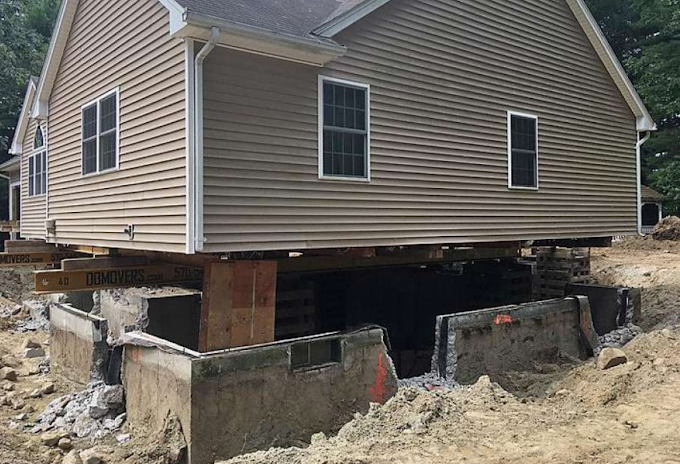
Heavy storms roll through North Texas, the creek behind the subdivision jumps its banks, and by morning the yard looks like a shallow pond. The water eventually drains, but something feels off: doors begin to stick, cracks creep along the drywall, and the once-smooth patio now slopes toward a corner. For many homeowners in Dallas and surrounding flood-prone areas, this is the moment they realize that repeated flooding and saturated soil are quietly attacking the most critical part of the house: the foundation.
Flood-prone conditions don’t always look dramatic. Sometimes it’s not a major river overflow, but a low-lying backyard, poor drainage, or clay soil that stays soggy for days after every storm. North Texas soils, especially around Dallas, expand when wet and shrink when dry. When this cycle is accelerated by frequent flooding or standing water, the foundation can heave, settle unevenly, or crack. This is where specialized foundation repair solutions designed for flood-prone areas become essential, not just to correct visible damage but to protect the structure from the next big storm.
Dalrock Foundation Repair has worked on countless homes in Dallas, Richardson, Garland, Plano, and other communities where flood risk and problem soils intersect. The most effective repairs in these environments go beyond simply lifting a slab or patching a crack. They combine structural reinforcement with drainage improvements, soil management, and long-term planning so the home stands a better chance when the next heavy rain arrives. Understanding what’s happening under your feet is the first step to choosing the right repair strategy.
How Flooding Damages Foundations
Flooding affects a foundation long before water ever reaches your floor level. Around Dallas, the primary culprit is the clay-rich soil that swells dramatically when saturated and then shrinks as it dries. When storms soak the ground repeatedly, the soil can lose consistency and bearing capacity. The home’s weight presses down on this unstable base, causing sections of the foundation to settle or tilt. Over time, differential settlement leads to cracks in the slab or beam, misaligned doors and windows, and gaps around trim or baseboards.
Hydrostatic pressure is another hidden force. Water-soaked soil exerts pressure against concrete walls, piers, and grade beams. In crawl space homes or properties with basements and retaining walls, this pressure can cause bowing, leaning, or cracking. Even slab-on-grade homes can experience uplifting or lateral movement when water accumulates along one side more than another. Homes located near creeks, drainage channels, or at the bottom of a slope are especially vulnerable to these uneven forces.
Frequent flooding also accelerates erosion. Water moving across the surface can carry away fine soil particles from beneath the foundation edges, sidewalks, and driveways. This undermines support and can create voids that lead to sudden drops or tilting. In some Dallas neighborhoods, older homes were built without modern drainage planning, so gutters dump water too close to the foundation, or yards slope toward the house instead of away. When flooding hits an already poorly drained property, the damage compounds quickly.
Finally, prolonged moisture invites secondary problems that indirectly threaten the foundation: mold in crawl spaces, wood rot in support beams, and rust on steel components. Once organic materials begin to deteriorate, the structural system can weaken, even if the concrete itself appears intact. Effective foundation repair in flood-prone areas must address this entire ecosystem of moisture, soil movement, and structural response, not just the visible cracks.
Identifying Flood-Related Foundation Issues
Homeowners often notice cosmetic signs first, but certain patterns strongly suggest that flooding and poor drainage are the underlying cause. One red flag is seasonal movement that corresponds to heavy rains. If doors stick more after storms or new cracks appear after a particularly wet month, it points to saturated soil and swelling clay. Similarly, if you see standing water along one side of the house for days after rain, that side is likely under increased stress and may show more settlement or uplift.
Look carefully at the exterior of the foundation. Horizontal cracks near the base of walls, stair-step cracks in brick, or gaps between the slab and brick veneer can indicate that sections of the foundation are shifting. In flood-prone Dallas yards, you might also see soil pulling away from the foundation in dry seasons and mud lines or water stains after major storms. These alternating signs of extreme wet and dry cycles are a hallmark of moisture-driven movement.
Inside the home, pay attention to floors and trim. Sloping floors, especially when combined with visible water issues outside, can mean that part of the slab has settled into softened soil. Cracks that appear near corners of windows or doors, separation between ceiling and crown molding, or gaps at baseboards can all be symptoms of differential movement beneath the home. While not every crack is an emergency, changes that correlate with flood events are worth professional evaluation.
Dalrock Foundation Repair typically begins with a thorough visual inspection, elevation measurements, and a look at drainage conditions around the property. In flood-prone situations, the technician will often spend extra time examining low areas of the yard, downspout locations, and grading. The goal is not just to pinpoint where the foundation has moved, but why it moved, so that the repair plan addresses both structural correction and water management.
Structural Repair Options That Withstand Flooding
When a home in a flood-prone area needs structural correction, the repair system has to do more than simply lift the foundation back to level. It must also provide stable support in soils that will continue to get wet, expand, soften, and dry out over time. One of the most common solutions in the Dallas region is the installation of concrete or steel piers that extend down to more stable strata. By transferring the home’s load to deeper, less active soil, the foundation becomes less dependent on the upper layers that are most affected by flooding.
Concrete pressed piers and steel piers are driven into the ground beneath the footing until they reach sufficient resistance. In flood-prone zones, this depth is especially important; shallow supports can still be influenced by swollen or eroded soils. Once installed, the piers are used to carefully lift and re-support the slab or beam. Dalrock Foundation Repair tailors pier placement to the home’s specific settlement pattern, often focusing on sides or corners where water consistently accumulates.
For homes with crawl spaces, pier and beam adjustments may include replacing or shimming piers, reinforcing beams, and sometimes converting older, moisture-damaged supports to more durable materials. In flood-prone crawl spaces, masonry piers, treated wood, and proper moisture barriers can all contribute to a more resilient system. The key is ensuring that supports are not resting on soil that will wash away or become mushy with every heavy rain.
In some cases, particularly where erosion has created voids under a slab, injection techniques may be used to fill gaps and stabilize the soil. However, in flood-prone environments, these methods are typically combined with other structural supports and drainage improvements, since simply filling voids without solving the water problem can offer only temporary relief. The long-term goal is a foundation that can handle both wet and dry cycles with minimal movement.
Drainage And Grading: The First Line Of Defense
No foundation repair in a flood-prone area is truly complete without addressing how water moves across and under the property. Even the best pier system will be stressed if thousands of gallons of stormwater are directed toward the house every time it rains. Around Dallas, where sudden downpours are common, managing runoff is as important as reinforcing the structure itself. This is why many repair plans from Dalrock Foundation Repair include drainage and grading improvements alongside structural work.
One of the simplest yet most effective strategies is correcting yard grading so that the ground slopes gently away from the foundation on all sides. Over the years, landscaping, settling soil, and additions can trap water near the house. Regrading can restore proper flow, guiding water toward the street, alley, or designated drainage easements. In flood-prone neighborhoods, even a few inches of elevation change can significantly reduce how long water pools near the slab.
Gutter and downspout systems are another critical component. Properly sized gutters, free of debris, capture roof runoff and send it through downspouts that discharge well away from the foundation. In many Dallas homes, downspouts terminate just a foot or two from the slab, which concentrates water at the worst possible location. Extensions, splash blocks, or buried drain lines can carry that water to safer areas, reducing saturation along the foundation line.
For properties that routinely experience standing water, French drains, surface drains, or channel drains may be recommended. French drains use perforated pipe wrapped in filter material and gravel to intercept subsurface water and redirect it. Surface drains collect water from low areas and move it through solid pipes to a discharge point. In some low-lying lots, sump pumps may be used to lift water up and out to a storm system. Integrating these solutions with foundation repair helps ensure that the soil supporting the home is not constantly overwhelmed by water.
Moisture Management And Soil Stabilization
In flood-prone areas, the challenge is not just excess water but the extreme swings between wet and dry. Dallas summers can be brutally hot and dry, causing clay soils to shrink and pull away from the foundation. Then, when heavy rains arrive, the same soil swells rapidly. This expansion and contraction cycle is what drives much of the movement under North Texas homes. Moisture management aims to reduce these extremes so the soil remains more stable year-round.
One approach is to maintain relatively consistent moisture levels around the foundation perimeter. That might sound counterintuitive in flood-prone areas, but the goal is balance, not saturation. Proper irrigation design, with drip lines set at appropriate distances from the foundation, can prevent soil from drying and shrinking too much in summer. At the same time, drainage improvements ensure that heavy rains don’t oversaturate the same zone. This controlled environment helps minimize the stress on foundation supports.
Soil stabilization products may also be used in certain situations. These can include chemical injections that alter the soil’s properties, making it less prone to swelling and shrinking. While not suitable for every property, these treatments can be part of a broader strategy on sites with particularly reactive clays. Dalrock Foundation Repair evaluates each property’s soil conditions to determine whether stabilization adds real value or if structural and drainage remedies are sufficient.
Moisture barriers are another key tool, especially for crawl space homes. Encapsulation systems, vapor barriers, and proper ventilation can drastically reduce humidity levels under the house, protecting wood components and discouraging mold. When combined with exterior drainage and grading corrections, these measures create a more controlled environment that resists the worst impacts of flooding and prolonged dampness.
Planning Repairs In A High-Risk Area
For homeowners in Dallas neighborhoods that have flooded multiple times, foundation repair decisions carry extra weight. It’s not just about fixing today’s cracks; it’s about preparing the home for the next decade of storms. That mindset changes how repairs are planned. Instead of the cheapest short-term patch, the focus shifts to systems and strategies that hold up under repeated flooding and shifting weather patterns.
A thorough assessment with a company experienced in both foundation repair and local flood conditions is invaluable. Dalrock Foundation Repair brings local knowledge of soil types, drainage patterns, and neighborhood histories that can inform the repair design. For example, a home near a creek with a known history of overflow may need more robust pier systems and extensive drainage work compared to a home on higher ground with only occasional ponding.
Budget is always a factor, but in high-risk areas, it often makes sense to phase work strategically rather than compromising on critical elements. A homeowner might begin with the most unstable sections of the foundation and urgent drainage corrections, then add additional piers or drainage features later. A well-documented inspection and repair plan helps prioritize steps in a logical, cost-effective sequence.
Finally, ongoing monitoring is part of living in a flood-prone environment. After repairs, homeowners should keep an eye on known problem spots, track any new cracks, and pay attention to how the house behaves after major storms. Periodic checkups can catch small issues before they grow. With the right combination of structural reinforcement, water management, and maintenance, even homes in challenging locations can remain safe and stable for the long term.
Frequently Asked Questions
How do I know if flooding is the cause of my foundation problems? Many signs of foundation distress look the same regardless of cause, but timing and location offer important clues. If you notice new or worsening cracks, sticking doors, or sloping floors after heavy rains or flood events, moisture is likely involved. Repeated standing water near the foundation, soggy soil along one side of the house, or erosion around patios and walkways are strong indicators. A professional inspection from a local specialist such as Dalrock Foundation Repair can connect the dots between visible symptoms, soil conditions, and drainage patterns to determine whether flooding is the primary driver.
Can foundation repairs really hold up in a flood-prone area? Yes, when designed correctly. The key is using repair systems that bypass unstable surface soils and reach deeper, more consistent layers. Piers driven to adequate depth, combined with improved drainage and grading, can significantly reduce the impact of future flood events on your foundation. While no system can completely eliminate all movement in extreme conditions, well-planned repairs can greatly increase stability and reduce the likelihood of serious structural damage, even when the area experiences repeated heavy rains.
Do I need drainage work if I’m already installing piers? In flood-prone areas around Dallas, the answer is almost always yes. Piers support the structure, but they don’t change how water behaves around your home. Without proper drainage, saturated soils can still erode, create hydrostatic pressure, and cause secondary issues like mold, wood rot, and yard instability. Integrating drainage solutions such as grading corrections, gutter improvements, and French or surface drains helps protect both the new foundation supports and the rest of your property, giving your investment much better long-term value.
Is it better to repair now or wait until flooding season is over?Waiting can allow minor problems to become major ones, especially if additional storms are likely. The Dallas area can experience heavy rain in multiple seasons, so there is rarely a completely “safe” time to delay. If you are already seeing signs of movement or damage, scheduling an inspection sooner rather than later is wise. Professionals can often work around weather conditions, and addressing drainage issues before the next big storm can prevent further foundation movement and more expensive repairs down the road.
How do I choose the right foundation repair company for a flood-prone property?Look for a contractor with deep experience in your specific region and soil conditions, not just generic foundation work. Ask about their approach to flood-prone sites, whether they routinely incorporate drainage and moisture management, and what types of pier systems they recommend for local clays. A company like Dalrock Foundation Repair, which focuses on the Dallas area, brings local knowledge of flood patterns, neighborhood histories, and municipal drainage systems. Also ask for detailed written proposals, references, and clear warranties so you understand exactly what is being done and how it is backed.
To learn more about tailored solutions for your property, you can explore Foundation Repair options and schedule a professional evaluation that accounts for both your foundation and your flood risk.