
The first sign that something is wrong with a foundation often isn’t a dramatic crack or a flooded crawlspace. It might be something subtle: a bedroom door in your Dallas home that suddenly sticks on humid days, a hairline crack that appears above a window and seems to grow a little each season, or a section of flooring that feels slightly uneven when you walk across it. These details are easy to dismiss as quirks of an older house or the normal effects of Texas weather. Yet, in many homes across Dallas, TX, those “quirks” are the earliest warnings that the foundation is shifting, settling, or failing.
Identifying foundation problems early is not about becoming a structural engineer; it is about learning to notice patterns and small changes before they become expensive emergencies. Homeowners who pay attention to these early indicators can often address issues while they are still manageable, protecting both their home’s safety and its long-term value. In a region like North Texas, where expansive clay soils and dramatic moisture swings are part of daily life, early detection is especially important. Companies like Dalrock Foundation Repair see the same story over and over: minor symptoms ignored until they evolve into major structural repairs that could have been minimized with quicker action.
When you understand how foundation problems start and what they look like in their earliest stages, you become far better equipped to protect your property. Instead of waiting until cracks are obvious or floors are visibly sloping, you can respond to the first hints of movement. This mindset shift—from reacting to disasters to proactively monitoring your home—can make the difference between a simple repair and a complex, disruptive project.
Why Dallas Homes Are Vulnerable
To spot foundation problems early, it helps to know why they are so common in Dallas, TX in the first place. The soil beneath many Dallas-area homes is rich in clay, which behaves differently than sandy or rocky soil. Clay expands significantly when it absorbs moisture and shrinks when it dries out. Over time, this constant swelling and contracting acts like a slow, powerful force on your foundation, pushing and pulling it in different directions. Even a well-built home can experience movement as the soil shifts.
Weather patterns amplify this issue. North Texas can swing from heavy rains to long, dry spells. After a period of drought, the soil can pull away from the foundation, leaving voids and reducing support. When rain finally arrives, the ground can become saturated quickly, expanding again and putting new pressure on the slab or piers. This cycle repeats season after season, and the smallest variations in soil composition or drainage can cause different parts of the foundation to move unevenly.
Construction practices and neighborhood development also play a role. As new subdivisions are built in and around Dallas, soil may be cut, filled, and compacted to create level building sites. If this process is not done properly, or if different sections of a lot are prepared differently, portions of the foundation may settle more than others over time. Understanding that these forces are constantly at work beneath your home explains why early detection is not a luxury—it is a necessity for nearly every homeowner in the area.
Reading Cracks Like Clues
Cracks are one of the most visible signs that something may be happening with your foundation, but not all cracks are equally serious. Hairline cracks in drywall or along tape joints can be normal as a home adjusts in its first few years. However, when cracks begin to follow particular patterns or appear repeatedly in the same places, they become important clues. In Dallas homes, diagonal cracks extending from the corners of doors or windows, especially those wider than a credit card, can indicate that the foundation is moving unevenly.
Exterior cracks in brick or masonry are especially informative. A vertical crack that simply follows mortar joints may be less concerning than a stepped or stair-step crack that climbs through the brick in a zig-zag pattern. These stepped cracks, particularly when they widen over time, can signal differential settlement—where one part of the foundation is dropping or rising relative to another. If you see bricks pulling away from window frames or gaps forming between bricks and trim, it is time to pay closer attention.
It is also important to consider changes rather than just snapshots. Taking pictures of suspicious cracks and revisiting them every few months allows you to track whether they are stable or growing. Marking the ends of a crack lightly with a pencil and dating it can help you see if it lengthens. Homeowners who document these changes are better prepared when they contact a professional like Dalrock Foundation Repair, because they can share concrete evidence of progression rather than vague concerns.
Doors, Windows, And Floors Talking Back
Not every foundation problem announces itself through visible cracks. Often, the first hints show up in how your home’s moving parts behave. Doors that used to close easily but now rub against the frame, latch only with force, or swing open on their own can indicate that the frame has become out-of-square. While humidity and minor wood expansion can cause some seasonal sticking, persistent or worsening issues, especially in multiple doors, should not be ignored.
Windows tell a similar story. When a foundation shifts, the rectangular openings in your walls become slightly skewed. You might notice that a window that once slid smoothly now binds halfway, or that locks no longer line up correctly. Small gaps appearing between window frames and the surrounding drywall or trim are another subtle signal. In a stable home, these gaps should not suddenly appear or noticeably change from one season to the next.
Floors provide another line of evidence. A gentle slope across a large room may be hard to notice day to day, but you might sense that furniture tends to “walk” in a certain direction or that a ball rolled on the floor never seems to stop. In some Dallas homes, tile floors begin to crack in straight lines, or grout lines open and chip. Hardwood floors may separate or bow in localized areas. When these changes occur in combination with door and window problems, it strongly suggests that the foundation is moving and needs a professional evaluation.
Exterior Warning Signs Around The Home
Many homeowners focus only on what they see inside, but the outside of your property often provides the earliest warnings of foundation trouble. One of the first things to check is the gap between the soil and your foundation or the visible slab edge. In prolonged dry periods, you may see the soil pulling away, leaving air gaps. While some separation is common in Dallas, significant or uneven gaps can be a sign that sections of the foundation are losing support as the soil shrinks.
Look closely at your home’s perimeter. Are there sections where the brick or siding appears to be tilting, bulging, or separating from trim boards? Do you notice that the line where the brick meets the foundation is no longer straight? These subtle distortions may indicate that the underlying support is no longer level. Pay attention to porch steps and attached structures like patios or garages as well. When these begin to separate from the main structure, creating visible gaps or uneven joints, it often points to differential movement between the two foundations.
Landscaping and hardscaping can also reveal issues. Retaining walls that bow or lean, fence posts that tilt unexpectedly, and concrete walkways that crack and heave are not always cosmetic problems. In the context of a shifting foundation, they may be symptoms of broader soil movement on your lot. Because Dallas properties often have sprinkler systems, it is worth noting any areas that stay soggy or erode quickly; excess moisture close to the foundation can accelerate movement and create localized trouble spots.
Moisture, Drainage, And Plumbing Clues
Water is a major player in foundation health, especially in the Dallas, TX climate. Poor drainage around your home can quickly turn minor soil movement into serious foundation stress. During a rainstorm, observe how water flows across your property. If it ponds near the foundation instead of moving away, or if downspouts discharge right at the base of the house, the soil in those areas may swell more than elsewhere, causing uneven pressure on the foundation. Over time, this can lead to noticeable settlement or heaving.
Gutters and downspouts are simple but powerful tools in managing foundation risk. Clogged gutters that overflow near the walls of your home saturate the soil repeatedly in the same spots. Extending downspouts several feet away from the foundation and ensuring that the surrounding grade slopes away from the house can significantly reduce moisture-related movement. Early identification of drainage problems is one of the easiest and most cost-effective ways to prevent foundation issues from developing or worsening.
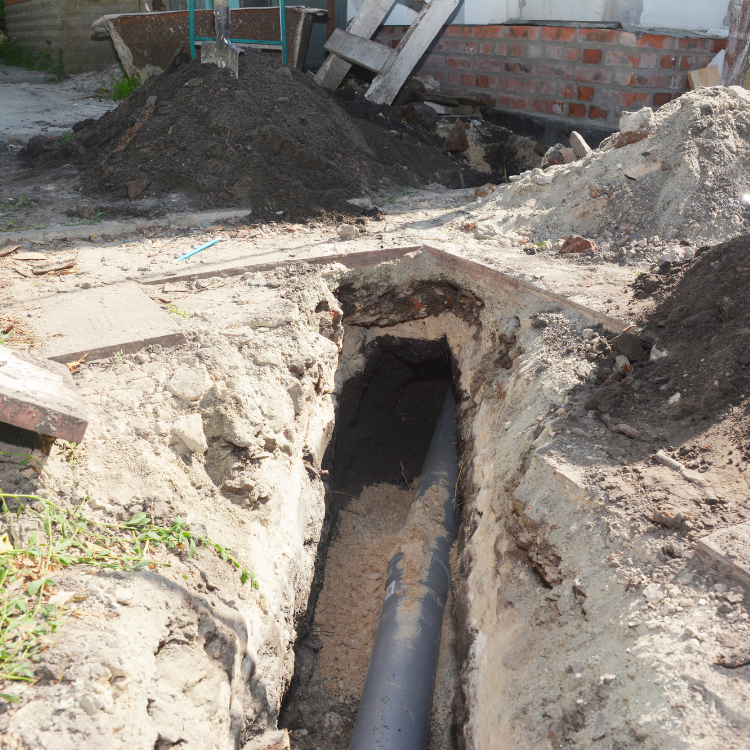
Plumbing leaks under the slab are another hidden threat. Unexplained increases in water bills, persistent damp spots in the yard, or areas of flooring that feel unusually warm (in homes with hot-water lines under the slab) may indicate a leak. In a slab-on-grade home, leaking pipes can erode soil or soften it, creating voids under the foundation. Dalrock Foundation Repair often works on homes where an undetected plumbing leak contributed to sudden or severe foundation changes. Addressing suspected leaks early, with the help of a plumber and foundation specialist, can prevent further damage.
When To Call A Professional
Not every crack or sticky door means your Dallas home is in structural danger, but knowing when to bring in an expert is crucial. A good rule of thumb is to look for patterns and combinations of symptoms rather than isolated issues. One small crack that has not changed in years may be harmless; multiple cracks that are widening, along with doors that no longer close properly and noticeable floor slopes, are cause for concern. If you find yourself repeatedly patching the same crack or adjusting the same door, it is time to ask why the underlying movement is happening.
Another signal that you should contact a professional like Dalrock Foundation Repair is any rapid change. If you suddenly notice a new crack that appears within weeks, or a door that goes from normal to severely misaligned in a single season, your foundation may be experiencing active movement. Early evaluation in these cases can reveal whether the issue is localized and simple to correct or part of a more extensive problem. Homeowners who act quickly often find that recommended solutions are less invasive and more affordable than if they had waited.
During an evaluation, a foundation repair specialist will typically measure floor elevations, inspect interior and exterior cracks, and assess drainage and soil conditions around your home. They can distinguish between cosmetic and structural issues and explain what is happening beneath the surface. Even if the conclusion is that your foundation is currently stable, you gain peace of mind and often receive practical suggestions for maintenance, such as improving drainage or monitoring specific areas. For many Dallas homeowners, this professional perspective turns vague worries into a clear plan of action.
Frequently Asked Questions
How can I tell if a crack is serious or just cosmetic? Cosmetic cracks are usually hairline, follow straight seams like drywall joints, and do not change much over time. Structural cracks tend to be wider, may run diagonally from door or window corners, or form stair-step patterns in brick. If a crack is wider than the edge of a credit card, is growing, or is accompanied by doors and windows sticking, it should be evaluated by a foundation professional in Dallas, TX.
How often should I inspect my home for foundation problems? A practical approach is to perform a visual inspection inside and outside your home at least twice a year, ideally during different seasons. Walk through each room, checking doors, windows, and walls for new or changing cracks. Outside, look at brickwork, siding, and the soil around the foundation. After major weather events, such as prolonged drought or heavy rain, take a few extra minutes to look for new signs of movement.
Can I prevent foundation problems completely? You cannot control the clay soil under your Dallas home, but you can significantly reduce the risk and severity of foundation issues. Maintaining consistent moisture levels around the foundation, ensuring good drainage, keeping gutters clean, and addressing plumbing leaks promptly are key steps. While these practices do not guarantee that you will never need Foundation Repair, they greatly increase the odds that any problems will be less severe and easier to correct.
When should I call Dalrock Foundation Repair instead of waiting? You should contact Dalrock Foundation Repair when you notice multiple warning signs at once, such as growing cracks, sticking doors, sloping floors, or separation between bricks and trim. Sudden or rapid changes are also a strong reason to call. If you are unsure whether what you are seeing is serious, an early professional assessment can give you clarity and help you avoid larger, more expensive repairs later.
Will foundation repair damage my landscaping or disrupt my home? The extent of disruption depends on the type and scope of repair needed. Many modern repair methods are designed to be as minimally invasive as possible. A reputable company like Dalrock Foundation Repair will explain the process in detail, including where access points are needed and how they will protect or restore landscaping. Addressing foundation issues early often allows for less extensive work, which generally means less disruption to your daily life and your yard.