
Most homeowners in North Texas hear “steel piers” and assume it’s just a fancier, more expensive version of traditional foundation repair. Others think every pier system is basically the same, so the only thing that matters is the price or how quickly the crew can get in and out. Both ideas miss the real story. The true value of steel pier foundation repair is not just that it props your house back up; it’s that it delivers a deeper, more stable, and more predictable solution for the unique soil conditions we live with in the Dallas–Fort Worth area.
In and around Dallas, TX, expansive clay soils swell when wet and shrink when dry, causing homes to heave, settle, and crack. Many repair methods try to “fight” this movement near the surface. Steel piers take a different approach: they transfer the weight of your home down to deeper, more stable soil or bedrock. When installed correctly by a company that understands local soil behavior, such as Dalrock Foundation Repair, steel piers can dramatically reduce ongoing movement, protect your home’s structure, and save you from the cycle of repeated patchwork repairs.
Understanding the benefits of steel pier foundation repair is about more than reading a product brochure. It’s about seeing how the system interacts with the soil, the structure of your home, and the long-term costs of ownership. Once you see how these pieces fit together, the advantages of steel piers in a place like Dallas become much clearer, and decisions about repair options stop feeling like a gamble and start feeling like a well-informed investment.
What Steel Piers Actually Do
Steel pier foundation repair is built around a simple but powerful idea: carry the load of your home down to a layer of soil or rock that doesn’t move much. Instead of relying on the upper few feet of unstable, moisture-sensitive clay, steel piers are driven deep into the ground until they reach firm bearing strata. This depth is what gives the system its strength and reliability, especially in a region where seasonal moisture swings can be extreme.
Each steel pier is made from high-strength steel sections that are hydraulically driven into the ground beside your foundation. As each segment is pushed down, additional sections are added until the pier hits a refusal point—where the resistance of the soil or rock is sufficient to support the structure above. The weight of the home is then carefully transferred onto these piers, which act like legs reaching down to stable support, often far below the active clay zone.
Once the piers are in place and properly load-tested, the foundation can be lifted, as appropriate, back toward its original elevation. This lifting process is monitored closely to avoid overcorrection and to protect the structure. The result is not just a cosmetic fix, but a structural realignment of the foundation onto a more dependable support system. When Dalrock Foundation Repair performs this work in Dallas, they’re not just installing hardware; they are engineering a long-term solution tailored to your specific home and soil profile.
Why Dallas Soils Make Steel Piers Shine
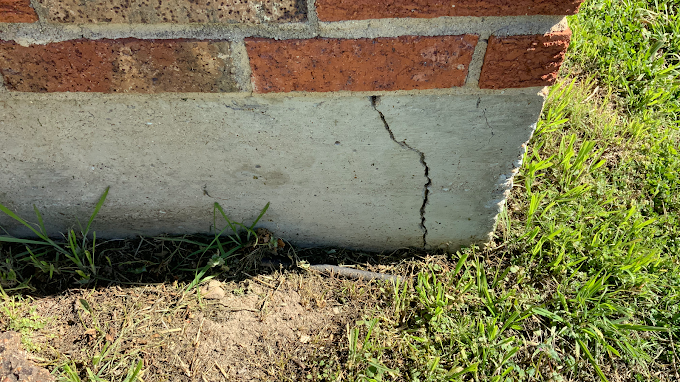
Dallas, TX is notorious for its expansive clay soils, which can change volume dramatically with fluctuations in moisture. During wet seasons, the clay swells, pushing up on your foundation. In dry summers, it contracts, allowing the structure to settle and crack. This constant movement is one of the leading causes of foundation problems in the area, and it’s why so many homes show signs of distress such as stair-step cracks in brick, doors that stick, or sloping floors.
Shallower repair methods often depend on the very soil that is causing the problem. For example, systems that use concrete cylinders or shallow piers may stop within the active clay layer, where moisture changes are most pronounced. Over time, as the soil continues to expand and contract, these supports can move with it, and the symptoms you thought were solved may return. In some cases, homeowners find themselves revisiting foundation repairs every several years, which can become both frustrating and expensive.
Steel piers, by contrast, are designed to bypass the troublesome clay and reach more stable ground. In many Dallas applications, this means driving piers to significant depths until they hit firm strata capable of bearing consistent loads. By anchoring the foundation to these deeper layers, steel piers greatly reduce the influence of seasonal moisture changes at the surface. This is one of the biggest benefits: your home becomes far less vulnerable to the ups and downs of the local climate and soil behavior.
Because Dalrock Foundation Repair works exclusively in this region, their crews understand the typical depth ranges and soil patterns across different Dallas neighborhoods. That local expertise helps ensure that steel piers are not just installed, but installed to the right depth, in the right locations, with an eye on long-term performance rather than just immediate lift.
Key Structural And Long-Term Benefits
One of the most significant benefits of steel pier foundation repair is its capacity for permanent structural support. When a foundation settles, the entire load path of the house is disrupted: walls shift, framing members are stressed, and finishes like drywall and brick begin to crack. By transferring the load to deep, stable piers, you restore a consistent support system that can carry the structure for decades. This is not a bandage fix; it is a re-engineering of how the home interacts with the ground beneath it.
Another structural advantage is the controlled, predictable lifting process that steel piers allow. Because each pier can be individually adjusted and monitored with hydraulic jacks, the repair crew can carefully raise the foundation, watching for changes in the structure as they go. This control helps minimize the risk of additional damage during lifting and allows for more precise correction of slopes and misalignments. You’re not just “propping up” the house; you’re methodically bringing it back toward level with an engineered approach.
Over the long term, the stability provided by steel piers translates into fewer recurring issues inside the home. Doors and windows are more likely to remain square, flooring becomes more even, and new cracks are less likely to appear as the years go by. This can reduce the need for repeated cosmetic repairs and ongoing maintenance related to foundation movement. For many Dallas homeowners, that long-term peace of mind is one of the most compelling reasons to choose steel piers over more temporary solutions.
From a financial standpoint, investing in steel pier foundation repair can also protect the value of your property. Potential buyers in Dallas are very aware of foundation issues. Being able to show that your home has been stabilized with deep steel piers installed by a reputable local company like Dalrock Foundation Repair can make a significant difference in buyer confidence, inspection outcomes, and negotiation leverage when it’s time to sell.
Comparing Steel Piers To Other Methods
Not all foundation repair systems are created equal, and understanding how steel piers compare to other methods helps clarify their benefits. Concrete piers, for example, are a common alternative. They can be effective in some situations but are typically larger in diameter and require more excavation. They also tend to be limited in depth, often stopping within the active clay zone. Over time, that can mean more movement and a higher chance of future adjustment or repair.
Pressed concrete piles, another frequent option in Texas, rely heavily on the weight of the structure to push segments into the ground. In some cases, especially with lighter homes, this can result in piers that do not reach truly stable strata. These systems can still provide improvement, but their performance may vary depending on soil conditions and installation quality. When the soil shifts significantly, these shallower supports can shift too.
Steel piers, by design, are slimmer, stronger, and able to reach greater depths than many concrete-based systems. The hydraulic driving process is not limited by the weight of the home in the same way, allowing piers to penetrate deeply until they meet firm resistance. Because steel is stronger in tension and compression than concrete of similar size, the piers can carry substantial loads while occupying less space, which also minimizes the size of excavations needed near your foundation.
In the Dallas market, where soil variability is high, the consistency and depth potential of steel piers are major advantages. Dalrock Foundation Repair can evaluate your specific conditions and explain why one method may be more suitable than another, but for many homes on expansive clay, steel piers are often the gold standard for long-term stability and performance.
Practical Benefits For Homeowners
Beyond the technical and structural advantages, there are very practical day-to-day benefits to choosing steel pier foundation repair. One of the most immediate is reduced disruption during installation. Although foundation work is never completely invisible, steel pier systems typically require relatively small access points along the perimeter. Crews can often complete the job in a matter of days, depending on the size of the project, allowing you to get back to your normal routine more quickly.
Another practical benefit is the way steel piers can improve the comfort and functionality of your home. When the foundation is stabilized and, where possible, lifted, floors become more level, doors close properly, and windows operate more smoothly. These changes might seem minor individually, but together they dramatically improve how your home feels and functions. You’re not just repairing a structural issue; you’re enhancing your daily living experience.
The long-term durability of steel also means less worry about deterioration of the repair itself. Steel piers are designed to resist corrosion and to maintain their load-carrying capacity over time when installed correctly. This stands in contrast to some shallower concrete systems that may be more vulnerable to soil movement or changes in moisture content. With steel piers, you’re choosing a system whose primary components are built for longevity in demanding conditions.
Finally, many steel pier installations come with robust warranties that reflect the confidence in their performance. When the work is performed by an experienced local contractor like Dalrock Foundation Repair, those warranties are backed by a company that understands the region and expects to be around to honor them. That combination of technical reliability and warranty support gives Dallas homeowners a strong sense of security about their investment.
Choosing The Right Partner In Dallas
Even the best pier system can underperform if it’s installed without proper evaluation, design, and quality control. That’s why choosing the right foundation repair partner is as important as choosing the right repair method. In the Dallas area, this means working with a company that not only offers steel piers, but also understands local clay soils, drainage patterns, construction practices, and neighborhood histories.
A thorough evaluation from a company like Dalrock Foundation Repair typically includes interior and exterior inspections, elevation measurements, and a careful review of symptoms such as cracks, door alignment, and floor slopes. The goal is to determine not just where the foundation has moved, but why it moved and how best to stabilize it. From there, a tailored pier layout is designed, specifying the number and placement of steel piers needed to address the problem effectively.
During installation, attention to detail makes a major difference. Proper depth, correct alignment, appropriate load testing, and controlled lifting all contribute to a successful outcome. A reputable contractor will communicate with you at each stage, explain what’s happening, and answer your questions about the process. This transparency helps you feel confident about the work being done beneath your home.
If you’re noticing signs of foundation distress in your Dallas home and want to understand your options, starting with a professional evaluation is the best step. You can learn more about the process and request an assessment through this link: Foundation Repair. Having an experienced, local team guide you through the decision will help you fully realize the benefits that steel pier foundation repair can offer.
Frequently Asked Questions
Are steel piers always the best option for foundation repair? Steel piers are often the preferred solution in areas like Dallas with expansive clay soils, but they are not automatically the best choice for every single property. The ideal repair method depends on factors such as soil conditions, the type of structure, access around the home, and the severity of the settlement. In many cases, especially when significant movement has occurred or when long-term stability is a priority, steel piers stand out for their depth and durability. A qualified contractor like Dalrock Foundation Repair will evaluate your specific situation and explain whether steel piers, or a combination of methods, is the right fit.
How long do steel pier foundation repairs last? Properly installed steel piers are designed as a long-term, often lifetime solution. Because they are driven to deeper, more stable strata, they are far less affected by seasonal soil changes near the surface. The steel used is engineered to resist corrosion and maintain structural integrity under sustained loads. While no system can guarantee that the rest of your property will never experience movement, the areas supported by correctly installed steel piers should remain stable for many years, often backed by strong warranties from the installer.
Will installing steel piers damage my yard or landscaping? Any foundation repair involves some level of disturbance, but steel pier systems are relatively compact compared to some alternatives. Crews need access along the perimeter where piers will be installed, which may involve removing sections of shrubs, flowerbeds, or hardscape. However, because the equipment and excavations are generally localized, damage can be minimized with careful planning. Dalrock Foundation Repair works to limit impact as much as possible and will discuss with you in advance what areas may be affected so you can plan for restoration after the work is complete.
How much does steel pier foundation repair cost in Dallas? The cost of steel pier foundation repair varies depending on the number of piers needed, the depth required to reach stable strata, access conditions, and the overall complexity of the lift and stabilization. While steel piers may have a higher upfront cost than some shallower methods, they often provide better long-term value because they reduce the risk of recurring problems and repeat repairs. The most accurate way to understand cost is to schedule an on-site evaluation, where a detailed plan and estimate can be tailored to your home’s specific needs.
Can steel piers fix all existing cracks and cosmetic issues? Steel piers address the root structural problem by stabilizing and, when appropriate, lifting the foundation. As the structure is re-leveled, many cracks in walls, ceilings, and brickwork may close or become less pronounced. However, some cosmetic damage may remain and will need to be repaired separately after the foundation work is complete. The key benefit is that once the foundation is stabilized on steel piers, new cosmetic repairs are far more likely to last, because the underlying movement has been significantly reduced.