
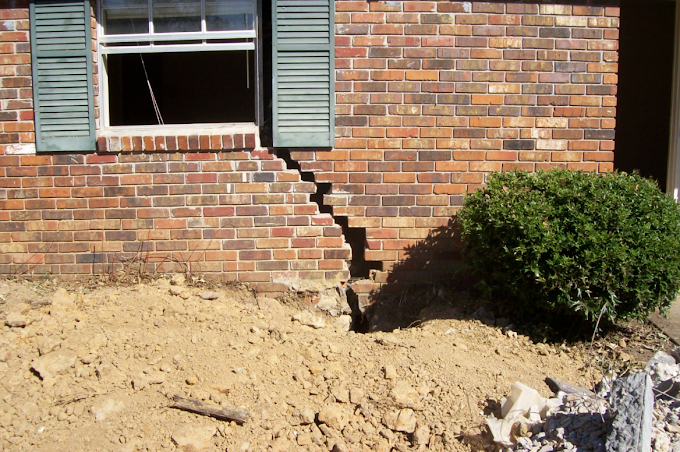
If your Dallas home has developed uneven floors, sticking doors, or cracks that seem to keep coming back, you likely need a foundation repair approach that addresses the underlying cause. This guide explains how steel pier foundation repair works, what to check first, and how to avoid common missteps before choosing contractors.
A few months after a heavy rain season in Dallas, a homeowner in the metro area notices the living room floor feels “soft” along one wall. The hallway also slopes slightly, and a closet door that used to close smoothly now catches. A quick look shows hairline cracks near the baseboards, but the drywall repairs never seem to last.
That pattern usually points to foundation settling or movement that is still active. The hard part is sorting out what is causing it, and whether your situation calls for steel pier foundation repair, concrete pier work, drainage correction, or a combination.
This guide helps you understand the red flags of uneven floors, what to inspect before scheduling a foundation repair estimate, and how steel piers are typically installed to stabilize structural foundation issues around Dallas, TX.
Quick Answer
Uneven floors in a Dallas home are often tied to foundation settling that can continue if the cause is not addressed. Steel pier foundation repair is commonly considered when a structure needs deeper, more direct support to stabilize movement, especially when piers are needed along problem areas. Before deciding, verify what is moving and why by having an inspection that evaluates floor slope, crack patterns, and drainage conditions. If water is contributing, pair structural repair with drainage correction so the stabilized foundation is not pushed off course again.
What to Check First
Before you compare foundation repair contractors, narrow the focus to what is observable in your house. Uneven floors can be caused by settlement, but the repair strategy depends on where the movement is happening and whether water is involved.
Professional observation: Uneven floors are not “just a cosmetic issue.” When a floor slope matches crack locations and door alignment problems, it usually indicates structural movement that a patch job cannot fix.
Here’s what to check on your own first:
- Crack behavior: Note whether cracks widen over time or appear in a consistent pattern near corners, openings, or along exterior walls.
- Door and window alignment: Check whether doors stick, latch unevenly, or require extra force to close.
- Floor slope: Walk room-to-room and identify which areas feel lower or higher, especially near exterior walls.
- Moisture and grading: Look for signs of water pooling near the foundation or downspouts discharging too close to the home.
- Recent changes: If the problem started after landscaping, grading, or heavy drainage changes, that context matters for the repair plan.
For background on how settlement can begin and progress, you can also review causes of foundation settlement.
Main Things Customers Should Understand
Steel pier foundation repair is designed to stabilize a house by transferring load to more stable soil layers. However, the “best” choice depends on your home’s conditions, including the foundation type, the depth and spacing needed, and whether drainage problems are contributing to movement.
When steel piers are considered
Steel pier foundation installation is typically evaluated when the structure needs targeted support along the areas showing movement. This can include uneven floors, settling along specific wall lines, and foundation settling repair where deeper stabilization is needed.
Steel vs. other pier options
Some homes are better matched to alternative foundation repair methods depending on site conditions. Comparing options like concrete piers or other pier systems helps you understand what is being installed and why.
Drainage often drives the timeline
If water is repeatedly affecting soil around the foundation, structural repair alone may not hold long-term. Drainage correction services are frequently part of a complete foundation stabilization plan.
What “uneven floors” usually mean in practice
Uneven floors can show up differently depending on the foundation system and how movement has progressed. In many Dallas-area homes, the pattern is most noticeable along exterior walls or near areas where soil conditions change. Cracks may appear in drywall joints, brick or stucco lines, or around openings.
A representative scenario (anonymized)
A family in Dallas, TX notices their dining room floor slopes toward one corner. The crack pattern follows the same line, and a nearby exterior downspout had been extended away from the house, but water still seemed to collect after storms. After an inspection, the repair plan includes steel pier foundation repair to stabilize the affected area, plus drainage correction to reduce recurring water pressure near the foundation.
Decision table: choosing a repair approach
| Situation you’re seeing | What contractors typically evaluate | Common repair direction |
|---|---|---|
| Uneven floors concentrated along an exterior wall line | Localized structural support needs, foundation movement pattern, and load transfer points | Steel pier foundation repair or other pier-based stabilization |
| Cracks plus door/window misalignment | How movement aligns with structural elements and whether it is still active | Structural foundation repair approach matched to the foundation type |
| Water pooling or repeated drainage issues after storms | Yard drainage correction, foundation water drainage solutions, and poor drainage solutions | Drainage correction alongside structural repair |
| Multiple problem areas across the house | Whether a hybrid pier system is needed to address different movement zones | Hybrid pier systems or a tailored combination |
Professional observation: In many Dallas-area homes, drainage conditions can change the “feel” of a repair plan. If water management is not addressed, the same soils can keep reacting, even after structural work.
Why this matters in Dallas, TX
Dallas homes often face cycles of heavy rain, soil moisture changes, and long stretches where yard grading and drainage can shift over time. When water consistently affects the ground around a foundation, it can contribute to foundation settling repair needs that return unless water drainage correction is part of the plan.
That is why it is common to see structural foundation repair and drainage correction evaluated together. If you suspect drainage problems around your foundation, explore hybrid pier systems to understand how different support methods may be combined when the layout and movement pattern call for it.
Ready to discuss steel pier foundation repair for uneven floors?
Call Dalrock Foundation Repair for a practical conversation about what you’re seeing in your Dallas, TX home and which repair services may apply.
(972) 578-8800Common Mistakes to Avoid
Uneven floors can be unsettling, so it is tempting to jump straight to cosmetic fixes. These are common missteps we see homeowners make when they are trying to solve foundation settling repair on their own.
- Fixing cracks without investigating movement: Hairline cracking may be a symptom. If the foundation is still moving, repairs often fail.
- Ignoring drainage problems around the foundation: If yard drainage correction is needed, structural stabilization may not hold as well over time.
- Choosing a method based on floorboards alone: Uneven floors should be evaluated alongside crack locations, door alignment, and site conditions.
- Assuming all “pier” repairs are the same: Steel piers, concrete piers, and other underpinning approaches can differ in installation details. Match the plan to the foundation type and movement pattern.
- Skipping a foundation repair estimate process: A clear estimate should reflect what is being stabilized and how drainage correction may be involved.
If you want a baseline for understanding costs and the factors that influence them, you can review foundation repair cost.
Customer Checklist
- Record when uneven floors became noticeable and whether it changes after storms.
- Take photos of cracks (near corners, openings, and along exterior wall lines) and note approximate widths.
- Check door and window operation and write down which ones stick or misalign.
- Inspect downspouts, grading, and any water pooling near the foundation.
- Ask whether steel pier foundation repair is being evaluated for your movement pattern.
- Ask how drainage correction services may connect to the structural plan.
- Request an explanation of the repair approach in plain language, including the foundation areas receiving support.
Practical recommendation for uneven floors
If you are dealing with uneven floors in Dallas, TX, focus on the combination of (1) stabilizing the structural movement and (2) reducing recurring water drainage problems around the foundation. A repair plan that addresses only the visible symptoms can leave the underlying cause in place.
For many homeowners, that means asking about steel pier foundation installation where deeper support is needed and confirming whether drainage correction is part of the same overall strategy. You can also review pier beam if your home’s symptoms suggest load transfer issues along beam lines.
Schedule a foundation repair conversation in Dallas
When uneven floors are tied to foundation settling, the sooner you clarify the cause, the easier it is to plan the right next step.
Contact Dalrock Foundation RepairFrequently Asked Questions
How do steel piers help with uneven floors?
Steel pier foundation repair is used to stabilize areas of a home that are settling or shifting. In practice, the goal is to transfer structural load from the problem area to more stable support points. When the movement is localized, steel piers can be installed along the affected lines to reduce unevenness. The right layout depends on what the inspection shows about the movement pattern, crack behavior, and floor slope. If drainage is contributing to soil changes, pairing structural work with drainage correction is often part of a durable plan.
What should I ask for during a foundation repair estimate?
A useful foundation repair estimate should explain what is being addressed and why. Ask which foundation areas are showing movement, what repair approach is being considered, and whether drainage correction services are recommended. You can also ask how steel pier foundation installation would be planned for your home’s layout. If your home has multiple problem areas, ask whether a tailored combination like hybrid pier systems is being evaluated. Clear, specific answers help you understand how the plan connects to your symptoms rather than focusing only on cracks or floor coverings.
Can drainage correction alone fix uneven floors?
Drainage correction can reduce ongoing soil movement, especially when water is pooling near the foundation or when yard drainage correction is needed. But if the home has already settled enough to create uneven floors and structural misalignment, drainage work alone may not fully restore stability. Many situations require both structural foundation repair and water management. The most practical approach is to evaluate whether the movement is still active and where the structural support is needed, then address both the cause (water) and the effect (movement).
Are steel pier foundation contractors different from other foundation repair contractors?
Foundation repair contractors can vary in the systems they recommend and how they build a repair plan. For steel pier foundation repair, you want a contractor who can clearly explain whether steel piers are appropriate for your home’s movement pattern and foundation type. It also helps to ask how the work is coordinated with drainage correction services, since water can influence whether movement continues. If you see uneven floors in Dallas, TX, choose someone who takes a whole-home view rather than applying a one-size-fits-all solution.
What’s the difference between steel piers and other pier options?
Steel piers and other pier options can differ in installation details and how they provide support based on site conditions. The best fit depends on what the inspection shows about the foundation’s movement and what support points are needed. Some homeowners may be evaluated for steel pier systems, while others may be considered for concrete pier foundation repair or other underpinning approaches. The key is to match the repair method to your home’s specific needs, not to choose based only on what sounds familiar. You can review steel pier systems to understand how these approaches are typically presented.
How can I tell if the foundation problem is still active?
Signs of active movement include cracks that widen over time, doors and windows that change in how they operate, and floor slope that feels more noticeable after heavy rain or seasonal moisture shifts. You can also observe whether symptoms progress gradually instead of staying stable. While not every crack indicates active movement, consistent patterns aligned with uneven floors and door misalignment are a strong reason to get an inspection. In Dallas, TX, water management matters, so checking for drainage problems around the foundation is part of identifying whether conditions are still contributing to movement.