
Most homeowners assume drainage only matters when there is standing water in the yard or water pouring into the house. If they do not see puddles or obvious flooding, they figure everything is fine. The problem is that water rarely announces the damage it is doing in real time. It seeps, shifts, erodes, and slowly undermines the very soil that holds your home up. By the time you notice cracks in walls or doors that no longer close properly, poor drainage may have been at work for years.
Another common misconception is that drainage issues are just a landscaping concern. People think of soggy grass, mosquito breeding areas, or muddy flower beds. In reality, drainage is a structural issue first and foremost. The way water moves around your property directly affects the stability of your foundation. In a city like Dallas, TX, where expansive clay soils swell when wet and shrink when dry, uncontrolled water flow can cause dramatic and uneven movement under your home. That is why drainage correction methods are not cosmetic add-ons; they are essential protection for your foundation investment.
Dalrock Foundation Repair sees this connection every day. Many of the foundation problems they are called to evaluate in the Dallas area have a drainage component at their core. Cracks, settlement, heaving, and misaligned framing often trace back to years of improper grading, missing gutters, short downspouts, or poorly designed landscape features. Understanding the importance of proper drainage correction methods can help you avoid expensive structural repairs, protect your property value, and extend the life of any foundation repair work you may already have completed.
Why Drainage Matters To Your Foundation
Your home rests on soil that behaves like a living material. It expands, contracts, softens, and hardens depending on moisture levels. In North Texas, the dominant clay soils are particularly reactive. When these soils absorb too much water, they swell and can lift portions of your foundation. When they dry out, they shrink and can leave voids beneath your slab or piers. Drainage correction methods are designed to manage how much water reaches the soil around and under your foundation, reducing these extreme cycles.
When water is allowed to pool near the foundation, it does more than just make the ground damp. It can erode supporting soil, wash fines away, and create soft, unstable zones. Over time, this leads to differential settlement, where some parts of your foundation sink more than others. That uneven movement is what causes cracking in walls, separation at trim joints, sloping floors, and other distress signals inside your home. Addressing drainage early keeps the soil support more uniform and stable.
It is also important to realize that drainage problems can be invisible from the surface. Water may be running along buried utility trenches, moving through loose fill dirt, or seeping toward low points at the base of your foundation. You may not see standing water, but the soil can still be oversaturated in critical areas. Professional drainage evaluation, like the type Dalrock Foundation Repair performs for Dallas homeowners, focuses on how water moves during and after rainfall, not just what the yard looks like on a sunny day.
Common Drainage Problems Around Dallas Homes
In the Dallas area, one of the most frequent culprits behind drainage issues is improper grading. Many lots are relatively flat, or they may have been altered during construction in ways that no longer direct water away from the home. Over time, landscaping changes, settling soil, or even new patios and walkways can change the way water flows. If the soil around your foundation slopes toward the house instead of away from it, you have a built-in water collection system right where you least want it.
Gutter systems are another major factor. Some homes have no gutters at all, allowing roof runoff to fall directly at the foundation line. Others have gutters but lack sufficient downspouts or have downspouts that discharge only a foot or two from the house. During a Texas thunderstorm, thousands of gallons of water can come off your roof in a short period. Without a proper collection and redirection system, all that water saturates the perimeter soils and increases foundation stress.
Hardscape and landscaping features can also unintentionally worsen drainage. Decorative borders, raised beds, retaining walls, and concrete pathways can trap water against the house if they are not designed with drainage in mind. Mulch and dense plantings can mask low spots where water lingers. Even HVAC pads, pool decks, and driveways can redirect runoff toward instead of away from the structure. A thorough drainage assessment looks at the entire property, not just the soil immediately next to the foundation.
Key Drainage Correction Methods Explained
Effective drainage correction is rarely a one-size-fits-all solution. Instead, it often involves a combination of methods tailored to the specific property. One of the foundational techniques is regrading the soil around the home. This means reshaping the ground so that it slopes gently away from the foundation on all sides, typically at a minimum of 5% slope for several feet. Regrading helps ensure that rainwater naturally flows away from the structure rather than pooling near it.
Gutter and downspout improvements are another critical component. Installing properly sized gutters, adding enough downspouts, and extending those downspouts far from the foundation can dramatically reduce water concentration at the base of your home. In some cases, downspout extensions are tied into underground drain lines that carry water to a safe discharge point, such as a curb, alley, or designed drainage swale. This controlled routing prevents erosion and keeps perimeter soils more stable.
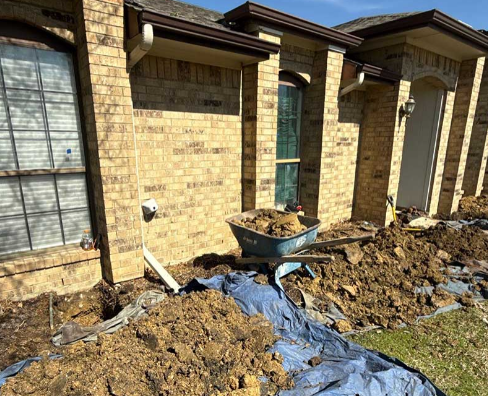
For properties with more complex water issues, surface and subsurface drains may be recommended. Surface drains, such as catch basins and channel drains, collect water from low spots and hardscape areas, then move it away through pipes. French drains and other subsurface systems are installed below ground to intercept water moving through the soil. These involve perforated pipes, gravel backfill, and filter fabrics to capture and redirect excess moisture before it reaches the foundation. Dalrock Foundation Repair evaluates which of these methods, or which combination, best addresses the specific drainage pathways on a Dallas property.
How Drainage Supports Foundation Repairs
Many homeowners first hear about drainage correction when they are already facing foundation problems. After cracks appear or floors begin to slope, a foundation company is called in to evaluate the damage. What surprises many people is that a reputable contractor will not just talk about piers, beams, or slab lifting; they will also discuss how water moves around the house. The reason is simple: without proper drainage, even the best structural repair can be compromised over time.
When foundation piers or other structural supports are installed, they are designed based on the existing soil conditions and expected loads. If drainage problems continue to cause extreme wet-dry cycles, the soil around and between those supports can still shift. This can lead to ongoing movement, new cracks, or the need for additional adjustments. By correcting drainage at the same time as structural repairs, you stabilize the environment around the repaired foundation and help protect your investment.
Dalrock Foundation Repair, working throughout Dallas and surrounding communities, often recommends drainage correction as part of a comprehensive plan. They understand that homeowners want long-term solutions, not temporary fixes. Integrating drainage improvements with services such as foundation settling repair creates a system where structural supports and water management work together. The result is a more predictable soil environment, fewer seasonal fluctuations, and reduced risk of recurring foundation issues.
Financial And Long-Term Benefits Of Proper Drainage
It is easy to view drainage correction as an optional upgrade, especially if you are not currently dealing with obvious foundation damage. However, the financial reality is that managing water now is usually far less expensive than repairing structural damage later. Foundation repairs can involve significant labor, materials, and disruption. By contrast, many drainage improvements, such as regrading and gutter extensions, are relatively modest investments that prevent far larger problems.
Proper drainage also protects more than just your foundation. It helps preserve landscaping, prevent soil erosion, and reduce the risk of water intrusion into crawl spaces or basements. Standing water can attract pests, promote mold growth, and damage exterior finishes. Over time, these issues can add up to substantial repair and remediation costs. Correct drainage design acts as a first line of defense for the entire property, not just the structure.
From a property value perspective, homes with obvious drainage issues are less attractive to buyers and can raise red flags during inspections. Visible foundation cracks, soil erosion, or evidence of water pooling can lead to reduced offers or demands for concessions. On the other hand, a home with documented drainage improvements and a stable foundation is more marketable. In a competitive real estate environment like Dallas, that can make a meaningful difference when it comes time to sell.
When To Call A Professional For Drainage Help
Some drainage issues are straightforward enough that a handy homeowner can address them, such as adding inexpensive downspout extensions or filling a small low spot with soil. However, if you notice signs of ongoing water problems, it is wise to involve a professional. Warning signs include recurring puddles near the foundation, soil pulling away from the slab during dry spells, cracks in brick or interior drywall, doors or windows sticking, or areas of the yard that never seem to dry out.
A professional drainage and foundation evaluation goes beyond surface observations. Specialists like Dalrock Foundation Repair look at grading, roof runoff patterns, soil types, and structural indicators inside and outside the home. They may visit after a rain or use levels and other tools to understand how water is behaving on your property. Based on that analysis, they can recommend targeted correction methods that address the root causes rather than just the symptoms.
In Dallas, consulting a local company with experience in regional soils and weather patterns is particularly important. North Texas clay behaves differently from sandy or loamy soils in other parts of the country, and seasonal rainfall patterns create unique stresses. A contractor familiar with these conditions can design drainage systems that perform reliably during sudden downpours, extended wet periods, and long dry spells. That local insight helps ensure that the solutions you invest in are effective for your specific environment.
Frequently Asked Questions
How do I know if my home needs drainage correction? Common signs include standing water near the foundation after rain, soil erosion or washouts, cracks in exterior brick or interior walls, doors that stick or do not latch properly, and noticeable slopes in floors. In Dallas, you might also see soil shrinking away from the slab in dry periods and becoming extremely soft after storms. If you notice more than one of these issues, it is a good idea to have a professional evaluate both your drainage and your foundation.
Can I fix drainage problems myself, or do I need a professional? You can often handle basic improvements such as cleaning gutters, adding downspout extensions, or lightly regrading small areas. However, if water problems are persistent, widespread, or accompanied by foundation symptoms like cracks and misaligned doors, a professional assessment is recommended. A company like Dalrock Foundation Repair can identify underlying issues that may not be obvious, such as subsurface water flow or improper lot grading, and design a comprehensive correction plan.
Are French drains always the best solution? French drains are a useful tool, but they are not a universal answer. They are most effective when there is subsurface water that needs to be intercepted and redirected. In some cases, simple surface grading or improved gutters and downspouts provide better results at lower cost. In other situations, a combination of surface drains, French drains, and regrading is needed. A proper evaluation will determine whether a French drain is appropriate or if another method is more suitable for your property.
Will drainage correction stop all foundation movement? No drainage system can completely eliminate natural soil movement, especially in expansive clay regions like Dallas. However, proper drainage significantly reduces the extremes of wetting and drying that cause the most harmful shifts. By keeping moisture levels around the foundation more consistent, drainage correction methods help minimize differential settlement and heaving. This makes any current or future foundation repairs more effective and reduces the likelihood of new damage developing.
Is drainage correction necessary if I have already repaired my foundation? Yes, in many cases it is essential. If the drainage issues that contributed to the original foundation problem are not addressed, the soil around your repaired foundation can continue to move excessively. This ongoing movement can stress the repaired areas and lead to new cracking or misalignment. Integrating drainage correction after or alongside foundation work helps protect your repair investment and promotes long-term stability for your home.