
The first sign is often something small: a hairline crack zigzagging up a living room wall, a door that suddenly sticks, or a window that no longer closes quite right. Many Dallas homeowners shrug it off, assuming it is just the house “settling” and nothing more. But in North Texas, where expansive clay soils swell when wet and shrink when dry, these subtle changes can be early warnings that the home’s foundation is under stress. Ignoring these signals is like ignoring a slow leak in a roof; the damage rarely stays small for long.
Foundation repair is not simply about fixing cosmetic flaws or making doors line up again. It is about protecting the structural integrity, safety, and long-term value of the entire home. When the base of a house begins to move, every component above it is affected: framing, plumbing, roofing, flooring, even brick and stone exteriors. That is why timely, professional foundation repair is essential, especially in areas like Dallas, TX, where soil conditions and weather patterns constantly challenge home foundations. Companies like Dalrock Foundation Repair see every day how early intervention can prevent major structural damage and expensive restoration later.
For many homeowners, the idea of foundation repair feels overwhelming or easy to postpone. It is not as visible or exciting as a kitchen remodel, and there is often a fear of cost, disruption, or bad news. Yet the reality is that addressing foundation problems early is one of the most cost-effective and protective decisions you can make for your property. Instead of waiting for cracks to widen or floors to slope noticeably, understanding why foundation repair is essential – and how it safeguards your home and finances – can help you make informed, confident decisions.
The Role Of Your Foundation
Every home relies on its foundation as the primary structural support system. It distributes the weight of the building evenly into the ground, keeps the structure level, and resists shifting forces over time. When the foundation is stable, everything else in the home can perform as intended: walls remain plumb, floors stay flat, doors and windows operate smoothly, and finishes like tile or drywall stay intact. A compromised foundation, however, turns this balance upside down and introduces stress points throughout the structure.
In Dallas, foundations work especially hard because of the region’s clay-rich soils. These soils expand when saturated with rain and contract during dry spells, creating a cycle of movement under and around the home. Over years, this expansion and contraction can cause differential settlement, where one part of the foundation moves more than another. That uneven movement is what leads to cracks, gaps, and misalignments you can see and feel inside the home.
When a professional contractor like Dalrock Foundation Repair evaluates a home, they are not just looking at surface damage. They assess how the entire structure is interacting with the soil, where the loads are being transferred, and how moisture patterns are affecting the foundation. This broader understanding is critical because it allows them to design a repair plan that stabilizes the structure long-term instead of simply patching visible symptoms. Recognizing the foundation as the home’s core structural system shows why its health is non-negotiable.
Hidden Costs Of Ignoring Problems
One of the biggest misconceptions among homeowners is that foundation issues are primarily cosmetic until something catastrophic happens. In reality, the hidden costs of ignoring foundation movement accumulate quietly over time. Small cracks in walls and ceilings may seem harmless, but they often indicate ongoing movement that will gradually worsen. Left unaddressed, these minor defects can turn into major structural repairs that are far more expensive and invasive.
Consider how foundation movement affects other systems in the home. Plumbing lines, especially those beneath the slab, are vulnerable to shifting and can crack or separate as the foundation moves. A small leak under the house can wash away supporting soil, accelerating settlement and creating a vicious cycle of damage. Repairing slab leaks, replacing damaged plumbing, and remediating moisture-related issues can cost significantly more than addressing the original foundation problem when it was smaller and more manageable.
There is also the question of resale value. In a competitive market like Dallas, TX, buyers are increasingly savvy and often hire inspectors who look closely for signs of foundation movement. A home with unresolved foundation issues can sit on the market longer, sell for less, or require costly concessions at closing. On the other hand, a home that has had professional foundation repair, with documentation from a reputable contractor such as Dalrock Foundation Repair, can reassure buyers and protect the seller’s equity.
Insurance considerations also come into play. While standard homeowners insurance often does not cover foundation repairs caused by soil movement, it may cover secondary damage such as sudden pipe breaks. However, if an insurer can show that a homeowner neglected known structural problems, it may complicate claims or reduce payouts. Addressing foundation issues promptly not only safeguards the home but can also prevent disputes and complications with insurance in the future.
Why Dallas Homes Are At Higher Risk
North Texas has a unique combination of climate and soil conditions that makes foundation problems more common than in many other parts of the country. The region’s expansive clay soils are particularly reactive to moisture changes. During rainy periods, the soil swells and exerts pressure against foundations. During hot, dry summers, the same soil shrinks and pulls away, creating voids and reducing support. This repeated cycle causes the ground beneath a home to behave almost like a sponge, constantly changing size and stability.
In Dallas, temperature extremes intensify this effect. Long stretches of intense heat can dry the soil to significant depths, while heavy storms or irrigation can quickly reintroduce moisture. Homes built on slabs or pier-and-beam foundations both face challenges in this environment. Slab foundations may crack or tilt if parts of the slab lose support, while pier-and-beam structures can experience shifting piers, sagging beams, or rotting components when moisture is not properly managed.
Urban development patterns also contribute to foundation stress. As neighborhoods grow, natural drainage paths are altered by streets, driveways, and landscaping changes. Poor drainage around a house can lead to water pooling near the foundation, saturating the soil and increasing movement. Dalrock Foundation Repair frequently encounters homes where improper grading, clogged gutters, or misdirected downspouts have accelerated foundation problems that might otherwise have developed more slowly.
Because these risk factors are so common in Dallas, proactive attention to foundation health is especially important. Homeowners who understand the local soil behavior, maintain proper drainage, and seek professional evaluation at the first sign of trouble are far more likely to keep their homes stable and avoid major repair costs. In this region, foundation repair is not a rare emergency; it is a routine part of responsible homeownership.
Early Warning Signs You Should Never Ignore
Foundation problems rarely appear out of nowhere. Instead, homes tend to give a series of early warning signs that something is changing underneath. Learning to recognize these signs can help you act before the damage becomes severe. One of the most common indicators is cracking: stair-step cracks in brick, horizontal cracks in foundation walls, or wide vertical cracks in interior drywall. While some hairline cracks can be normal, cracks that widen over time or appear in multiple areas of the home are cause for concern.
Doors and windows that suddenly become difficult to open or close are another important signal. When a foundation shifts, it can twist or rack the framing of the house, causing openings to go out of square. You may notice doors rubbing at the top, gaps around frames, or latches that no longer line up. Similarly, windows may stick, or you might see light shining through places where frames used to fit tightly. These functional changes often appear before visible structural damage becomes dramatic.
Floors can also reveal foundation issues. You might feel a slope when walking across a room, notice gaps between baseboards and flooring, or see tile cracking in patterns that suggest movement beneath. In pier-and-beam homes, soft spots or bouncy areas in the floor can indicate problems with piers or beams that have shifted or deteriorated. Outside, you may observe separation between the home and attached structures such as garages, patios, or chimneys, signaling differential movement between different parts of the property.
When Dalrock Foundation Repair evaluates a home in Dallas, technicians consider all these symptoms together rather than in isolation. A single sticking door may not mean much, but combined with wall cracks, sloping floors, and exterior separation, it paints a clearer picture of foundation distress. The key is not to dismiss these signs or assume they are purely cosmetic. An expert assessment can determine whether the foundation is stable, needs monitoring, or requires repair.
How Professional Repair Protects Your Home
Foundation repair is both a science and a craft. It begins with a thorough inspection and evaluation, during which professionals measure elevation changes, examine cracks, and analyze soil and drainage conditions. For a company like Dalrock Foundation Repair, this step is crucial to designing a solution tailored to the specific home and soil conditions in Dallas, TX. There is no one-size-fits-all repair; the right approach depends on foundation type, degree of movement, and site conditions.
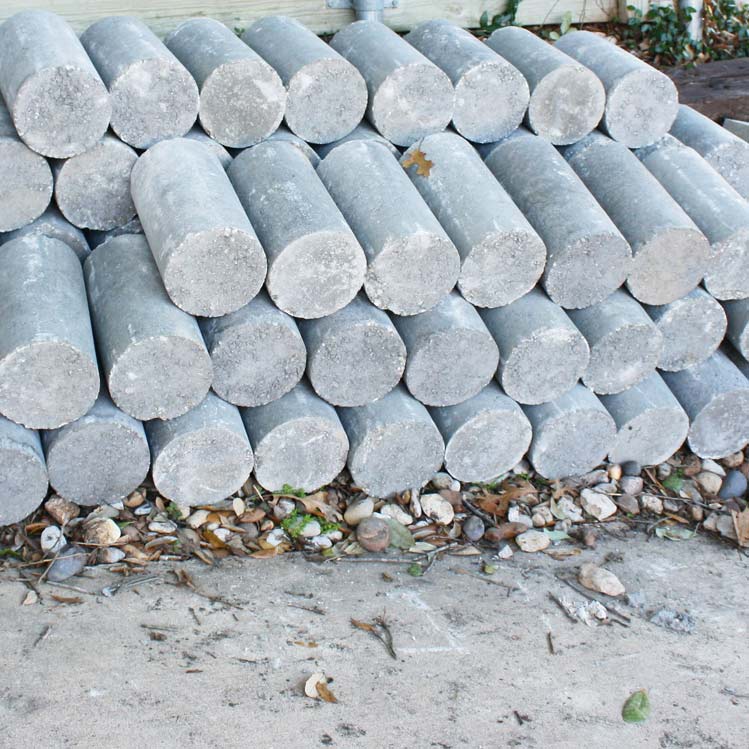
For slab foundations, one common solution is the installation of piers beneath the footing or slab. These piers, which can be concrete or steel, are driven or installed to stable soil or bedrock below the active clay layer. Once in place, they support the foundation and can often be used to gently lift and re-level the structure. This process not only stops further settlement but can also close some cracks and restore more normal function to doors and windows. Properly designed and installed piers are intended as a long-term stabilization method, not a temporary fix.
Pier-and-beam homes may require different techniques, such as repairing or replacing deteriorated piers, shimming beams, or improving ventilation and moisture control in the crawl space. Addressing water management around the home is often part of the solution as well. Adjusting grading, adding drainage systems, or extending downspouts can help divert water away from the foundation, reducing the soil movement that caused problems in the first place. A comprehensive repair considers both structural support and environmental factors.
Professional foundation repair offers more than technical solutions; it provides documentation and assurance. Reputable contractors supply detailed repair plans, warranties, and elevation reports that can be invaluable when you sell your home or need to show proof of structural work. For Dallas homeowners, partnering with an experienced local specialist means gaining insight into how the region’s soil behaves and how best to protect your property against ongoing movement.
Long-Term Benefits For Value And Safety
When you invest in foundation repair, you are not just fixing a problem; you are increasing the resilience and value of your home. A stable foundation helps preserve everything built on top of it, from finishes to mechanical systems. By stopping ongoing movement, you reduce the risk of new cracks, misaligned doors, and damaged flooring, which in turn lowers ongoing maintenance and repair costs. Instead of constantly patching symptoms, you address the root cause.
From a financial standpoint, a sound foundation is a critical component of your home’s marketability. Real estate professionals in Dallas know that foundation concerns can scare buyers away or become a major negotiation point. A documented repair from a trusted contractor such as Dalrock Foundation Repair can transform a potential liability into a selling advantage. Buyers often feel more comfortable with a home that has been professionally evaluated and repaired than with one that shows signs of movement but no clear history of corrective work.
Safety is another major benefit. Significant foundation movement can compromise load-bearing walls, create tripping hazards from uneven floors, or lead to structural shifts that reduce a home’s ability to withstand extreme weather. While total structural failure is rare, the incremental weakening of critical components is a real concern. Ensuring that your foundation is stable gives you confidence that your home will better endure the stresses of storms, temperature swings, and ongoing soil changes.
Finally, there is peace of mind. Living with unexplained cracks and sticking doors can be unsettling, especially if you worry that each new change means the house is getting worse. A professional assessment and repair plan replace uncertainty with knowledge and action. In a region like Dallas, where soil and weather are constantly working against foundations, that peace of mind is one of the most valuable outcomes of timely foundation repair.
Frequently Asked Questions
How do I know if my home really needs foundation repair? The only way to know for sure is to have a professional evaluation, but certain signs strongly suggest the need for inspection. Look for cracks wider than a credit card in walls or brick, doors and windows that suddenly stick, sloping or uneven floors, and gaps between walls and ceilings or floors. If you see multiple symptoms, especially in different parts of the house, it is wise to contact a local expert such as Dalrock Foundation Repair for a thorough assessment. They can determine whether the foundation is stable, needs monitoring, or requires repair.
Is foundation repair in Dallas always very expensive? Costs vary widely depending on the severity of the problem, the size and type of the home, and the repair method used. Minor settlement issues caught early can often be addressed for far less than major structural failures that have been ignored for years. While foundation repair is a significant investment, it is important to compare it to the potential costs of doing nothing: escalating damage, plumbing problems, reduced home value, and difficult resale. Many homeowners find that acting early keeps costs more manageable and protects their largest asset.
Will foundation repair damage my landscaping or yard? Some disruption is usually necessary because access to the foundation is required, especially for installing piers. However, experienced contractors work carefully to minimize impact on landscaping and restore disturbed areas as much as possible. In many cases, shrubs, flower beds, and grass can recover well after the work is complete. When you consult with a foundation repair company like Dalrock Foundation Repair, they can explain exactly what areas will be affected and how they will be restored.
How long do foundation repairs last? Properly designed and installed foundation repairs are intended to be long-term solutions. Piers driven to stable soil or bedrock beneath the active clay layer are not expected to move significantly, even as surface soils expand and contract. The longevity of the repair also depends on controlling moisture and drainage around the home after the work is done. Following the contractor’s recommendations on grading, gutters, and watering practices will help ensure that your repaired foundation remains stable for many years.
Can I wait and just monitor the cracks for a while?Monitoring is reasonable for very minor, stable cracks that are not accompanied by other symptoms. However, if you see cracks growing, doors and windows becoming harder to operate, or new signs of movement appearing, delaying an inspection can be risky. Foundation issues rarely resolve themselves and often worsen over time, making repairs more complex and costly. In the Dallas area, where soil conditions can change quickly with weather, having an expert like Dalrock Foundation Repair evaluate your home sooner rather than later is usually the safest and most cost-effective choice.