When a hairline crack quietly stretches across your living room wall or a door that used to close easily starts rubbing the frame, it rarely feels like an emergency at first. Yet these subtle shifts are often the earliest warning signs that your foundation is moving, and in North Texas soil, movement can accelerate quickly. Homeowners in Dallas, TX know that a small foundation issue left alone through a few more seasons of heat, drought, and heavy rain can turn into sloping floors, separated brick, and major structural repairs. Understanding how to approach foundation repair from the start can be the difference between a smart, controlled fix and a costly, disruptive project.
Successful foundation repair is not just about stopping the damage you see today; it is about stabilizing your home so it performs well for decades. That requires more than a quick patch job or a guess about what is happening underground. It calls for thoughtful diagnosis, the right repair system for your soil and structure, and a contractor who understands how Dallas-area homes respond to climate and clay. Companies like Dalrock Foundation Repair have built their reputation by combining technical expertise with practical, homeowner-friendly strategies that keep projects on track and homes secure.
Below are expert tips that walk you through the entire process: recognizing genuine warning signs, choosing the right repair team, understanding the methods that work best in our region, and protecting your investment after the work is done. Whether you are already collecting bids or just starting to notice signs of settlement, these insights will help you make smarter decisions and avoid costly missteps.
Recognize Problems Early
The first expert tip is deceptively simple: pay attention to small changes before they become large ones. In Dallas, TX, expansive clay soils swell with moisture and shrink during drought, which places significant stress on foundations. Early signs of trouble often show up as diagonal cracks above doors and windows, gaps between baseboards and floors, or doors that suddenly stick or swing open on their own. While a single hairline crack is not always cause for alarm, a pattern of changes appearing over a few months usually signals movement that deserves a professional look.
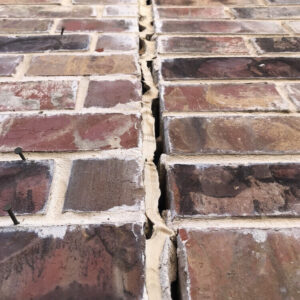
Walk the outside of your home a few times a year, especially after a season of intense weather. Look for stair-step cracks in brick, mortar separation, or gaps where trim pulls away from the exterior. Pay attention to areas where soil has noticeably pulled back from the foundation, leaving voids that allow water to pool or rush under the slab. Homeowners who build this simple inspection habit often catch foundation issues early enough that repair can be more targeted, less invasive, and more affordable.
Inside the house, use both your eyes and your feet. Take note of any places where the floor feels uneven, spongy, or sloped. Observe whether cabinetry seems to pull away from walls, countertops separate at the backsplash, or tile grout lines begin to crack. None of these symptoms alone confirm a foundation problem, but they form a story that an experienced foundation specialist, such as Dalrock Foundation Repair, can interpret. The key is not to dismiss these clues as mere “old house quirks” without a proper evaluation.
Choose The Right Specialist
Once you suspect foundation trouble, choosing the right contractor becomes the most critical decision you will make. In a market like Dallas–Fort Worth, where foundation repair is common, you will find no shortage of companies willing to look at your home. The challenge is separating true specialists from general contractors who dabble in foundation work. Experienced companies like Dalrock Foundation Repair focus on foundation systems every day, understand local soil behavior, and can explain why certain methods are recommended for your particular home.
Start by asking pointed questions during the initial visit. How long has the company been working in Dallas, TX? What types of homes and soil conditions do they see most often? Which repair systems do they use, and why? A reputable contractor will not rush through this conversation or jump straight to a sales pitch. Instead, they will take measurements, examine interior and exterior symptoms, discuss the history of your home, and explain how seasonal moisture changes may have contributed to the problem.
Also pay close attention to how the proposed solution is presented. An expert will provide a written plan that shows pier locations, expected lift points, and how the repair addresses the root cause of movement. They should be able to clearly describe what will happen on each day of the project, how your landscaping will be protected, and what condition they will leave your property in when they are finished. If any part of the explanation feels vague, ask for clarification. A trustworthy foundation repair specialist will welcome questions and provide references from other Dallas-area homeowners with similar repairs.
Understand Repair Methods
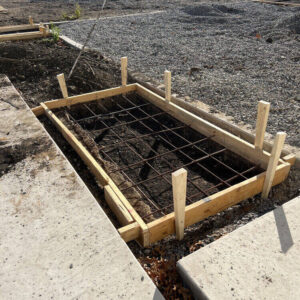
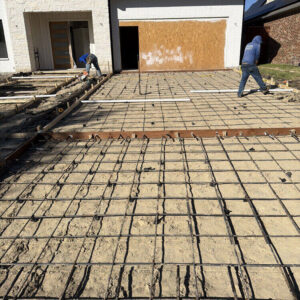
Another expert tip is to invest a little time in understanding the major types of foundation repair systems before you sign a contract. In North Texas, the most common approaches involve pier systems that extend below the active soil layer, providing a stable bearing surface for your home. These can include concrete pressed piers, drilled piers, and steel piers. Each system has its place, and a professional like Dalrock Foundation Repair will recommend one based on your home’s weight, soil profile, and access around the structure.
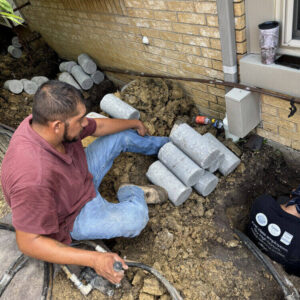
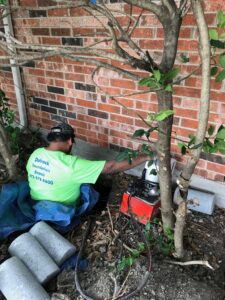
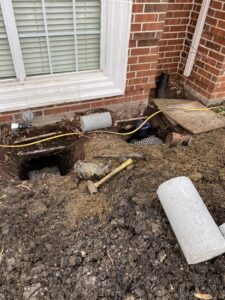
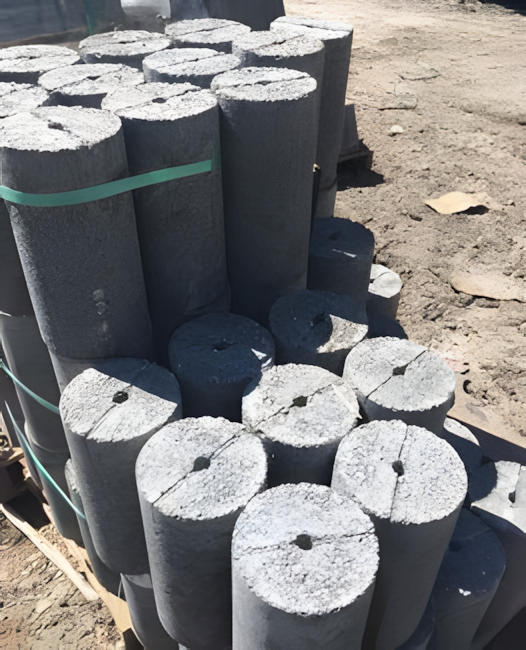
Pressed concrete piers are often used in residential settings because they can be installed relatively quickly and are cost-effective. They involve pressing concrete cylinders into the ground using the weight of the structure. However, their performance is closely tied to soil conditions; in some areas of Dallas with highly variable clay layers, other systems may offer better long-term stability. Understanding these trade-offs helps you see why two bids for the “same” house can look very different.
Steel piers, by contrast, are driven deeper and can reach more stable strata below the active clay layer. Many homeowners researching options will come across terms like steel pier underpinning, which refers to using steel piles to support and potentially lift the structure. These systems typically cost more upfront but can provide superior long-term performance in challenging soils. When a contractor explains why they are recommending one method over another, listen for specific references to your soil, your home’s design, and your particular pattern of settlement, rather than generic claims that one system is always best.
Plan For The Whole Property
Foundation repair does not happen in a vacuum; it affects and is affected by everything around your home. One expert-level strategy is to evaluate the entire property, not just the cracks and doors that are bothering you today. In Dallas, yard grading, drainage patterns, and even where you place flowerbeds and trees can influence soil moisture and therefore foundation performance. Before, during, and after repair, it is wise to think holistically about how water moves across your lot and how your landscaping interacts with the foundation.
A quality contractor will look beyond the slab or beam and pier system to assess gutters, downspouts, and surface drainage. If water is allowed to pool against the foundation during storms, or if one side of the home stays consistently wetter than the other, the soil will expand and contract unevenly. This often leads to differential settlement, where part of the home sinks more than another, creating the very cracks you are trying to repair. Addressing drainage issues in tandem with foundation work helps protect your investment and reduce the likelihood of new movement.
Landscaping choices also play a role. Large trees planted too close to the home can draw moisture from the soil, especially during hot Dallas summers, accelerating shrinkage and settlement. At the same time, heavy watering near the foundation in an attempt to keep plants healthy can oversaturate the soil. The expert approach is to aim for consistent, moderate moisture around the entire perimeter, using soaker hoses or irrigation systems adjusted to your soil type. Dalrock Foundation Repair often advises homeowners on simple watering schedules and landscape adjustments that complement the structural repairs.
Prepare Your Home And Schedule
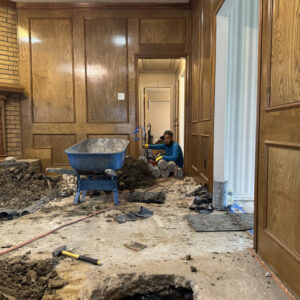
Once you choose a contractor and approve a repair plan, the way you prepare for the project can significantly influence how smoothly it goes. Foundation repair is a construction process; it involves excavation, equipment, and crews working around your home. Experienced companies in Dallas will outline what to expect, but homeowners who take a few proactive steps often find the process less stressful. Start by clearing access points along the foundation where work will occur, moving outdoor furniture, potted plants, and decorations out of the way.
Inside, consider how lifting and stabilizing the foundation may affect doors, windows, and fragile finishes. While contractors take care to minimize disruption, some homes experience minor cosmetic changes as the structure is adjusted. Removing delicate wall hangings, securing valuables, and providing clear pathways for workers to enter and exit can reduce the risk of accidental damage. Talk with your contractor about whether you need to move heavy items like bookcases or appliances in specific areas.
Scheduling is another important factor. In Dallas, foundation repair companies can be especially busy after extreme weather seasons, such as prolonged droughts followed by heavy rains. Booking early, allowing for flexible start dates, and understanding that weather can impact excavation work will make the experience more predictable. Dalrock Foundation Repair typically provides a project timeline that includes start and finish estimates, but they also communicate if rain or soil conditions require minor adjustments for safety and quality.
Protect Your Investment After Repair
The final expert tip is to treat foundation repair as the start of long-term stewardship, not a one-time event you can forget about. After the piers are installed and the home is stabilized, your goal is to maintain conditions that support the work that was done. This begins with following any post-repair instructions your contractor provides. These might include waiting a set period before making cosmetic repairs to walls and trim, or monitoring certain areas of the home for changes as the structure settles into its new position.
Pay close attention to warranties and service agreements. Reputable companies like Dalrock Foundation Repair offer warranties on their work, often transferable to future owners, which adds value if you ever decide to sell your home. Make sure you understand what is covered, how to request service if you notice new movement, and whether periodic checkups are recommended. Keep your paperwork in a safe place and share it with potential buyers as part of your disclosure package.
Continuing to manage drainage and moisture around your home is just as important after repair as it was before. Maintain gutters and downspouts so they direct water away from the foundation, adjust irrigation during very wet or dry seasons, and avoid sudden changes such as installing large new flowerbeds right against the slab without proper drainage. By combining professional repair work with smart homeowner habits, you can dramatically extend the life of your foundation and preserve the structural integrity of your Dallas, TX home.
Frequently Asked Questions
How do I know if my foundation really needs repair? The most reliable way is to combine what you see with a professional evaluation. If you notice multiple signs such as diagonal wall cracks, doors that stick, uneven floors, or exterior brick separation, it is wise to call a foundation specialist for an inspection. In Dallas, TX, where soil movement is common, companies like Dalrock Foundation Repair can measure elevation changes, examine your structure, and determine whether the symptoms are cosmetic or structural. They will then explain whether monitoring, minor maintenance, or full repair is recommended.
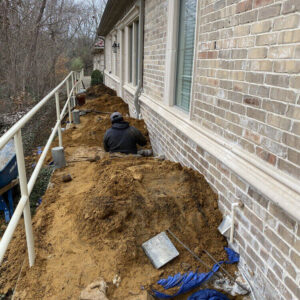
Is foundation repair going to damage my yard or landscaping? Some level of disturbance is unavoidable because crews need to access the foundation to install piers or other support systems. However, experienced contractors plan pier locations and excavation carefully to minimize impact. They typically remove and replace soil in an orderly way, protect nearby plants when possible, and clean up thoroughly after the work is done. Before the project starts, ask your contractor which shrubs, trees, or hardscape elements may be affected, and discuss options for preserving or relocating important landscaping features.
How long does a typical foundation repair project take? The duration depends on the size of your home, the number of piers required, and site conditions. Many residential projects in the Dallas area take anywhere from one to three days of on-site work, though larger or more complex jobs can extend beyond that. Dalrock Foundation Repair generally provides a project schedule during the proposal phase so you know how many days crews will be present, what time they will arrive, and when you can expect the most disruptive work, such as excavation and lifting, to occur.
Will foundation repair fix all my cracks and cosmetic issues? Structural repair focuses on stabilizing and, when appropriate, lifting the foundation. This process often improves or closes many cracks, re-aligns doors and windows, and reduces visible gaps. However, not every cosmetic issue disappears automatically. Some cracks may remain visible and will need patching or repainting, and in a few cases, new minor cracks can appear as the home adjusts to its corrected position. Most contractors recommend waiting a short period after repair before doing final cosmetic touch-ups, so the structure has time to settle into its new, stable alignment.
Can foundation problems come back after repair? When the right repair method is used and installed correctly, and when moisture and drainage are managed properly, the areas that were repaired are typically stable for the long term. That said, future movement can occur in parts of the foundation that were not previously affected, especially if soil or moisture conditions change significantly. This is why ongoing drainage maintenance, consistent watering practices, and periodic visual inspections are important even after the work is completed. A solid warranty and a responsive contractor, such as Dalrock Foundation Repair, provide added peace of mind if new concerns arise down the road.