
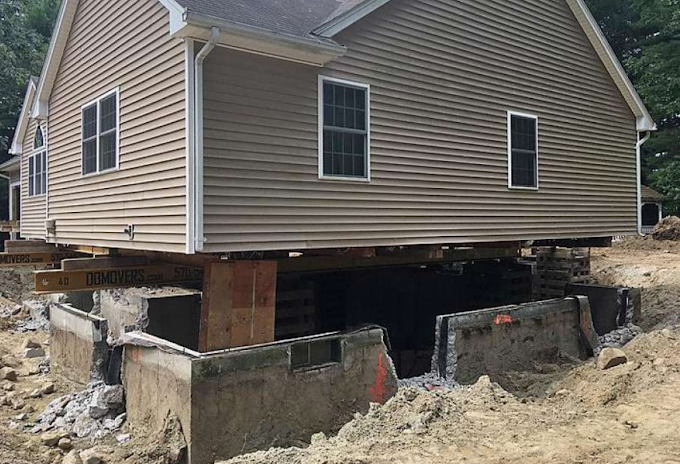
On a quiet evening in Dallas, a homeowner notices something unsettling: the hairline crack in the living room wall that used to be barely visible now stretches like a roadmap across the paint. Doors that once closed smoothly are sticking, and the floor near the front window has a slight but undeniable slope. After a brief panic and some late-night internet searches, they discover the likely culprit—foundation movement—and one solution keeps coming up as a long-term answer: concrete pier foundation repair.
This is the moment when many Dallas-area homeowners realize that foundation repair is not just an expense; it can be a strategic investment in the stability, safety, and value of their property. Concrete piers, when properly designed and installed, act like durable legs under the home, transferring weight to more stable soil and helping halt further settlement. For a region like North Texas, where clay soils expand and contract dramatically, concrete pier foundation repair can provide the kind of structural reassurance that pays dividends for years to come.
Dalrock Foundation Repair has seen this story play out again and again across Dallas, TX. Homeowners come to them worried about cracks, sloping floors, and misaligned doors, and leave with a stronger, more stable home supported by well-engineered concrete piers. When you look beyond the initial cost and focus on long-term performance, it becomes clear that concrete pier foundation repair is not just a fix—it is a solid investment in your home’s future.
Why Foundations Fail In Dallas
To understand why concrete pier foundation repair is such a powerful solution, it helps to know what your home is up against in the Dallas area. North Texas is notorious for its highly expansive clay soils. These soils swell when they take on moisture and shrink when they dry out. Over time, that cycle of movement can exert enormous pressure on a home’s foundation, causing parts of it to rise and fall at different rates. Even a few fractions of an inch of differential movement can lead to visible cracks and misalignments.
Weather patterns in Dallas amplify this problem. Long periods of drought followed by heavy rains create extreme moisture swings in the soil. During dry spells, the clay contracts and pulls away from your foundation, leaving voids and gaps. When soaking rains finally arrive, the soil rehydrates, swells, and shifts again. This constant push-and-pull beneath your home is not uniform, so some areas settle more than others. That uneven settlement is what ultimately causes so much distress in walls, floors, and brickwork.
Construction practices and age can also contribute to foundation issues. Older homes may have shallower footings or minimal reinforcement compared to modern standards. Even newer homes can be at risk if the original builder did not account properly for soil conditions or drainage patterns. As a result, Dallas homeowners often find themselves dealing with foundation movement much sooner than they expected, and that is where a long-term, engineered solution like concrete piers becomes crucial.
Without proper intervention, these underlying conditions do not simply resolve on their own. Cracks typically widen, doors and windows become more difficult to operate, and structural components can be stressed. Rather than patching cosmetic issues year after year, addressing the foundation with concrete piers allows homeowners to attack the problem at its source—stabilizing the structure and reducing ongoing damage.
What Concrete Piers Actually Do
Many homeowners hear the term “concrete pier” but are not entirely sure what that means in practical terms. At its core, a concrete pier is a vertical column of reinforced concrete installed beneath the foundation to help carry and distribute the weight of the structure. Think of it as creating a series of sturdy posts under strategic points of your home, so instead of relying solely on soil close to the surface, your foundation is supported by deeper, more stable layers.
When Dalrock Foundation Repair installs concrete piers in Dallas, TX, the process typically involves excavating or coring access points around the perimeter (and sometimes inside) of the home, then installing steel-reinforced concrete piers at calculated intervals. These piers are placed under key load-bearing points to lift, level, and support the foundation. Once the concrete cures and the piers are locked in, they help transfer the structural load away from unstable surface soils to more reliable ground below.
One of the key advantages of concrete piers is their durability. Properly engineered concrete, reinforced with steel and installed to the correct depth, can provide decades of service under typical residential loads. Unlike temporary shims or superficial cosmetic fixes, these piers are part of a structural system designed to reduce future movement. That is why concrete pier foundation repair is often described as an investment rather than a simple repair bill.
Another important aspect is adjustability at the time of installation. Technicians can carefully lift portions of the home back toward their original elevation using hydraulic jacks on the newly installed piers. This controlled lifting process can help close cracks, re-align doors and windows, and restore the home’s overall levelness. While no repair can completely erase years of movement in every case, concrete piers give professionals a powerful tool for both stabilizing and improving the home’s position.
Why Concrete Piers Are A Smart Investment
When homeowners in Dallas first hear the estimate for foundation repair, it is natural to focus on the immediate cost. But it is essential to weigh that cost against what you are protecting. Your home is likely your largest single asset. Allowing ongoing foundation movement to continue can lead to escalating damage: widening cracks, failing brick, broken tile, misaligned framing, and even plumbing issues under the slab. These secondary repairs add up quickly and can far exceed the cost of addressing the foundation properly.
Concrete pier foundation repair helps break that cycle. By stabilizing the foundation, you reduce the rate of ongoing damage to finishes and structural components. Instead of paying repeatedly for patching drywall, re-leveling floors, or repairing masonry, you are investing in a system that addresses the root cause. Over the long term, that can mean fewer surprise expenses and a more predictable maintenance budget for your property.
There is also the question of resale value and marketability. In a competitive real estate market like Dallas, buyers are increasingly savvy about foundation issues. A home with obvious signs of movement and no professional repair history may sit longer on the market or invite low offers. Conversely, having documented concrete pier foundation repair from a reputable company like Dalrock Foundation Repair can provide reassurance to potential buyers. It demonstrates that the issue was recognized and resolved with a permanent, structural solution, rather than ignored.
Finally, there is the peace of mind that comes with knowing your home is structurally supported. Living with a shifting foundation can be stressful; every new crack or sticky door becomes a source of worry. Once concrete piers are in place and the foundation is stabilized, that daily anxiety tends to fade. From a quality-of-life standpoint, that relief is a very real part of the return on your investment.
How Dalrock Approaches Concrete Pier Repair
Not all foundation repairs are created equal, and the value of concrete piers depends heavily on how they are planned and installed. Dalrock Foundation Repair follows a methodical process tailored to the particular challenges of Dallas-area soils and home construction. It begins with a detailed evaluation of the property, including measurements of elevation changes, inspection of cracks, and assessment of drainage and soil conditions. This step ensures that any proposed pier layout addresses the actual movement patterns of the structure.
Once the evaluation is complete, a repair plan is developed that specifies the number and location of concrete piers. Critical load-bearing points such as corners, heavy wall lines, and areas with significant settlement are given priority. Dalrock’s crews then carefully excavate or core access points at these locations, being mindful of landscaping, hardscapes, and utilities. The goal is to expose the footing or slab edge where support is needed while minimizing disruption to the property.
Concrete piers are then formed and reinforced, typically using steel rebar for added strength. Depending on the design, piers may be poured in place to a depth that reaches more stable soils, or pre-formed components may be used. After the piers have cured sufficiently, hydraulic jacks are placed, and technicians slowly apply pressure to lift and re-level sections of the home. This lifting process is done gradually and carefully, monitoring the structure for any signs of undue stress.
After the desired elevation adjustments are made, the piers are locked into place with permanent shims or brackets, and the excavated areas are backfilled and cleaned up. Dalrock’s focus on both structural performance and jobsite cleanliness means that homeowners are left with a stronger foundation and a property that is ready to be lived in and enjoyed, rather than a construction zone. The combination of engineering, craftsmanship, and local experience is what helps ensure that the concrete pier repair truly functions as a long-term investment.
Comparing Concrete Piers To Other Options
When researching foundation repair, Dallas homeowners will encounter a variety of methods: steel piers, pressed pilings, helical piers, mudjacking, and more. Each system has its own ideal applications, but concrete piers remain a popular and proven choice for many residential foundations. One reason is their compatibility with typical slab-on-grade and pier-and-beam structures in the region. Properly designed concrete piers can deliver excellent load-bearing capacity and long-term reliability in North Texas soils.
Compared to some alternative methods, concrete piers often strike a balance between cost and performance. High-end steel pier systems can sometimes reach deeper, more stable strata, and may be preferred in very challenging soil conditions or for extremely heavy structures. However, they also tend to come with a higher price tag. On the other end of the spectrum, low-cost, shallow solutions may not provide sufficient depth or durability to truly stabilize the structure, leading to recurring problems.
Concrete piers occupy a middle ground: robust enough to provide significant structural support and long-term stability, yet still accessible for many homeowners’ budgets. Their materials—concrete and steel—are well-understood, readily available, and time-tested in structural applications. When installed by an experienced contractor like Dalrock Foundation Repair, concrete piers can deliver a strong combination of value, performance, and peace of mind.
It is also worth noting that no single repair method is right for every home. A reputable foundation repair company will evaluate the specific conditions at your property and explain why concrete piers, or another method, are recommended. The key is choosing a solution that is engineered for your soil conditions, structural design, and long-term goals, rather than a one-size-fits-all approach.
Planning, Budgeting, And Timing
Once homeowners recognize the need for foundation repair, the next questions usually involve timing and budgeting. In Dallas, it can be tempting to delay repairs until “things get worse,” but that strategy often backfires. As the foundation continues to move, secondary damage accumulates—brickwork, drywall, flooring, cabinets, and even plumbing can be affected. Addressing the foundation earlier, with concrete piers, can help limit the extent and cost of those additional repairs.
From a budgeting standpoint, it helps to think of concrete pier foundation repair as a capital improvement rather than a routine expense. Many homeowners set aside funds or explore financing options, recognizing that they are preserving the value of their largest asset. Dalrock Foundation Repair can often provide a detailed, written estimate that breaks down the number of piers and the scope of work, giving you a clear picture of the investment required. This transparency makes it easier to plan and avoid surprises.
Seasonal timing can also play a role, especially in a climate like Dallas. While foundation repair can be performed year-round, certain times may be more convenient or offer scheduling advantages. For instance, addressing issues before extreme summer heat or heavy fall rains can help stabilize the structure before the most severe soil movements occur. The most important factor, however, is not the month on the calendar but the condition of your home. If you are seeing active signs of movement, waiting rarely improves the situation.
Ultimately, the decision to move forward with concrete pier foundation repair is about taking control of your home’s future. Rather than reacting to new cracks and misalignments year after year, you are choosing a structured, engineered solution designed to protect your investment over the long term. With the right plan and an experienced contractor, that decision can pay off in stability, safety, and confidence for many years to come.
Frequently Asked Questions
How do I know if my Dallas home needs concrete pier foundation repair? Common signs include cracks in walls or brick, doors and windows that stick or do not latch properly, sloping or uneven floors, and gaps between walls and ceilings or baseboards. In Dallas, these symptoms are often related to soil movement beneath the foundation. The only way to know for sure is to have a professional evaluation. Dalrock Foundation Repair can perform measurements and inspections to determine whether your foundation is moving and if concrete piers are the right solution.
Will concrete piers stop all future movement? No repair method can guarantee that a home will never move again, because soil conditions and moisture levels can continue to change over time. However, properly designed and installed concrete piers significantly reduce the likelihood and magnitude of future settlement in the supported areas. By transferring loads to deeper, more stable soils and providing a solid bearing surface, concrete piers greatly improve the stability of your foundation compared to doing nothing or using superficial fixes.
How long does concrete pier foundation repair usually take? The duration depends on the size of the home, the number of piers required, and site conditions. Many residential projects in Dallas can be completed in a few days to a week. The process includes excavation or coring, forming and pouring the piers (if poured in place), allowing appropriate curing time, and then lifting and stabilizing the structure. Dalrock Foundation Repair will outline a project timeline during the evaluation so you know what to expect and how to plan around the work.
Will foundation repair damage my yard or landscaping? Some disruption is unavoidable because technicians need access to the foundation perimeter and, in some cases, interior areas. This can involve digging holes near the slab edge and temporarily removing sections of landscaping or hardscape. Reputable contractors work to minimize disturbance and restore the area after the piers are installed. Dalrock’s crews are accustomed to working carefully around existing features and will discuss any potential impacts with you before work begins.
Is concrete pier foundation repair worth the cost if I plan to sell my home? In many cases, yes. Buyers in Dallas are very aware of foundation issues, and an unrepaired problem can lead to reduced offers, longer time on the market, or failed inspections. Having documented concrete pier foundation repair from a trusted company like Dalrock Foundation Repair can make your home more attractive and easier to sell. It shows that you have taken responsible steps to protect the structure, which can increase buyer confidence and help preserve your home’s value.