
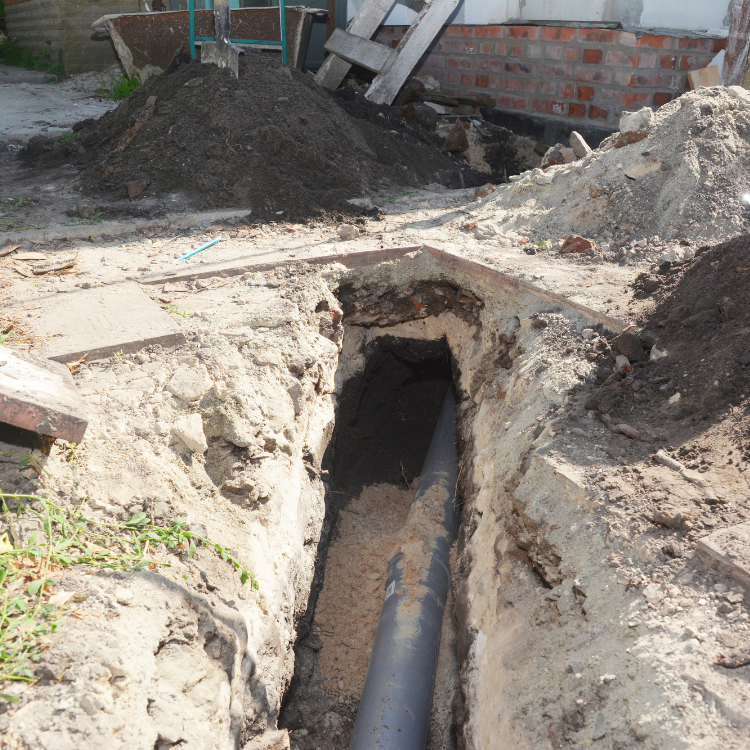
Have you ever walked into your Dallas home after a heavy storm and noticed that unmistakable damp smell, a small puddle near the wall, or mysterious cracks creeping along the foundation? Those signs are often blamed on “waterproofing issues,” but the real story usually runs deeper. To truly protect a home, you have to understand how waterproofing and drainage correction work together, not as separate fixes, but as a coordinated system that keeps water moving away from your foundation. When either piece is missing or poorly designed, North Texas clay soils and intense storms can quickly expose the weakness.
Waterproofing alone is like putting a bandage on a wound without treating what caused it. You can coat walls, seal cracks, and install interior systems, but if water continues to pool around your foundation, pressure will build and new problems will appear. Likewise, drainage improvements without proper waterproofing can still leave basements, crawl spaces, and slab edges vulnerable to moisture intrusion. Dalrock Foundation Repair, serving Dallas, TX and surrounding communities, sees this every day: homes where well-intentioned partial fixes failed because they didn’t address both water control and soil behavior together.
Understanding waterproofing with drainage correction means looking at your home as an integrated structure sitting in a constantly changing environment. Rainfall, irrigation, soil movement, roof runoff, and even the slope of your neighbor’s yard all influence how water behaves around your foundation. When those forces are managed strategically, your foundation stays stable, your interior stays dry, and you avoid the costly cycle of repeated repairs. When they’re ignored, even the most expensive waterproof coating can be overwhelmed.
Why Water Around Foundations Matters
Water might seem harmless at first glance, but in the context of Dallas-area foundations, it is one of the most destructive forces your home will face. North Texas is known for its expansive clay soils, which swell dramatically when wet and shrink when dry. This constant expansion and contraction puts tremendous stress on concrete slabs, piers, and basement walls. When water is allowed to collect near the foundation, those soil movements become more intense, leading to cracks, settlement, and uneven floors.
Excess water also creates hydrostatic pressure, which is the force of water pushing against your foundation walls and slab. Even small amounts of trapped water can exert a surprising amount of pressure, enough to force moisture through hairline cracks or porous concrete. Over time, this can cause bowing walls, seepage lines, and persistent dampness in crawl spaces or basements. In Dallas, where intense thunderstorms can dump large amounts of rain in a short time, this pressure can spike suddenly, revealing problems that seemed invisible during dry weather.
Beyond structural damage, lingering moisture invites secondary issues that are just as serious. Mold and mildew thrive in dark, damp environments, and once they take hold along foundation walls or under flooring, they can affect indoor air quality and trigger health concerns. Wood framing and floor joists can rot, insulation can lose effectiveness, and pests are more likely to invade. When Dalrock Foundation Repair evaluates a home, they often find that what started as “a little water in the corner” has quietly undermined both the structure and comfort of the living space.
Recognizing water as a foundation threat is the first step. The next is understanding that controlling it requires more than one product or quick fix. It takes a coordinated plan that starts outside the home and works inward, combining drainage correction with targeted waterproofing to manage water before it becomes a problem.
What Waterproofing Really Does
Many homeowners think of waterproofing as a single product: a paint, a membrane, or a sealant applied to the inside or outside of a wall. While those materials are important, true waterproofing is a system of defenses designed to keep water from entering and to safely manage any moisture that does get close. In Dallas, where foundations are often slab-on-grade or pier-and-beam, waterproofing has to be tailored to the type of structure and the way water naturally moves across the property.
On the exterior, waterproofing may involve applying specialized coatings or membranes to below-grade walls, sealing foundation penetrations, and protecting vulnerable joints. These barriers resist water intrusion and help direct moisture downward toward drainage systems instead of into living spaces. But even the best membrane is only as effective as the drainage supporting it. If water is allowed to stand against the wall because of poor grading or clogged drains, it will eventually find a way in.
Interior waterproofing approaches, such as sealants on basement walls, interior drainage channels, or sump pump systems, act as a second line of defense. They are particularly useful when exterior access is limited or when an existing structure needs retrofit solutions. However, interior systems should never be seen as a substitute for proper exterior drainage correction. They manage symptoms inside the home; drainage correction reduces the external forces that create those symptoms in the first place.
When Dalrock Foundation Repair assesses waterproofing needs in Dallas, TX, the team looks beyond product labels and focuses on function: where is water coming from, how is it moving, and what combination of barriers and pathways will keep it from harming the foundation? That mindset is what separates short-term fixes from durable, long-lasting protection.
Drainage Correction: The Missing Half
Drainage correction is the often-overlooked counterpart to waterproofing. It addresses how water gets to your foundation in the first place. Even a perfectly sealed wall will struggle if rainwater from your roof, neighboring yards, or poorly sloped landscapes is constantly directed toward your home. Correcting drainage means reshaping the environment so that water naturally flows away, reducing the load on any waterproofing system and limiting soil movement.
One of the simplest yet most critical aspects of drainage correction is grading. The soil around a home should slope away from the foundation, typically dropping several inches over the first few feet. In Dallas neighborhoods, time, erosion, and landscaping changes can flatten or even reverse this slope, turning flowerbeds and lawns into unintended basins that trap water against the foundation. Re-establishing proper grading can dramatically reduce pooling and help water drain safely.
Gutter and downspout management is another key piece. Roofs collect large volumes of water, and if that water is discharged directly at the base of the home, it quickly saturates the surrounding soil. Effective drainage correction often includes extending downspouts, installing underground drain lines, or adding surface drains to route runoff to safer discharge points. These relatively straightforward changes can significantly lower the moisture load around your foundation.
In more complex cases, especially on sloped lots or properties with heavy runoff, drainage correction may involve French drains, surface swales, catch basins, or other engineered solutions. Dalrock Foundation Repair evaluates how water enters and exits a property, then designs drainage improvements that work with the natural contours of the land. By doing so, they reduce the need for your foundation and waterproofing systems to constantly fight against water; instead, the water is guided along controlled paths away from vulnerable areas.
How Waterproofing and Drainage Work Together
Thinking of waterproofing and drainage correction as separate projects is one of the biggest mistakes homeowners make. In reality, they are complementary halves of a single strategy. Drainage correction focuses on prevention by redirecting water before it becomes a threat. Waterproofing focuses on protection by blocking or managing moisture that still reaches the foundation. When these elements are coordinated, the overall system is stronger and more reliable.
Consider a home in Dallas with recurring water intrusion along one side of the slab. A homeowner might be tempted to simply seal the visible cracks on the inside. That may help temporarily, but if the underlying issue is that the yard slopes toward the house and downspouts are dumping water in the same area, the pressure on that wall will continue. Over time, new cracks will form, and the problem will return. When Dalrock Foundation Repair approaches this scenario, they would look at both the interior symptoms and the exterior conditions, recommending grading changes, downspout extensions, and targeted waterproofing to address both cause and effect.
Another example is a pier-and-beam home with a damp crawl space. Waterproofing measures might include vapor barriers and sealing vents or penetrations. But without drainage correction, water can still collect under the home during storms, saturating soils and causing piers to shift or wood components to rot. Adding perimeter drains, improving surface runoff patterns, or installing sump systems in conjunction with crawl space waterproofing creates a comprehensive solution that keeps both the structure and the air beneath the home dry.
The real power of combining waterproofing with drainage correction is durability. Each component lightens the load on the other. Good drainage reduces hydrostatic pressure and soil movement, meaning waterproofing materials are less stressed and last longer. Strong waterproofing ensures that any residual moisture that reaches the foundation is controlled and managed, rather than infiltrating and causing damage. Together, they create a stable, predictable environment around your home’s foundation.
Dallas-Specific Challenges And Solutions
Homes in Dallas, TX face a unique combination of climate and soil conditions that make waterproofing with drainage correction especially important. The region’s expansive clay soils are highly reactive to moisture changes, and seasonal patterns of heavy rain followed by extended dry periods amplify this cycle. During wet seasons, the soil swells, exerting upward and lateral pressure on foundations. During drought, the same soil contracts, leaving voids and causing settlement. Managing water effectively is crucial to moderating these movements.
Intense thunderstorms and occasional flash flooding add another layer of challenge. A single storm can deliver more water than the surrounding soil can absorb quickly, leading to surface runoff and temporary saturation around foundations. In older Dallas neighborhoods, aging drainage infrastructure or changes in neighboring properties can further alter how water flows through a community. Dalrock Foundation Repair takes these local realities into account when designing waterproofing and drainage correction plans, recognizing that solutions must be robust enough to handle both sudden downpours and long-term soil behavior.
Another Dallas-specific issue is the prevalence of slab-on-grade construction. While slabs are common and cost-effective, they sit directly on the soil and are highly influenced by moisture changes around the perimeter. Proper drainage correction around the slab edges, combined with targeted waterproofing and, when needed, structural support methods such as steel pier underpinning, can significantly extend the life of the foundation and reduce the risk of major repairs.
Local building practices, landscaping trends, and even irrigation habits also play a role. Overwatering lawns or placing beds too close to the foundation can unintentionally create chronic moisture problems. Dalrock’s experience in the Dallas area allows them to identify these patterns quickly and recommend practical changes homeowners can implement alongside professional drainage and waterproofing work to create a long-term protective strategy.
What To Expect From A Professional Evaluation
When a homeowner in Dallas contacts Dalrock Foundation Repair about water or foundation concerns, the process begins with a thorough evaluation, not an off-the-shelf solution. The goal is to understand how water is interacting with the home and what combination of drainage correction and waterproofing will provide lasting results. This starts with a detailed inspection of both the interior and exterior of the property.
Outside, a specialist will look at grading, gutter and downspout placement, visible signs of erosion, ponding water, and how neighboring properties might influence runoff. They will examine foundation walls or slab edges for cracks, discoloration, or signs of repeated wetting and drying. The condition of driveways, patios, and walkways may also be reviewed, since these surfaces can either help or hinder drainage patterns around the home.
Inside, the inspector will check for cracks in walls and floors, sticky doors or windows, separation between walls and ceilings, and any visible moisture or staining. In basements or crawl spaces, they will look for dampness, mold, musty odors, and structural issues like sagging joists or leaning walls. All of these clues help build a picture of how water is affecting the foundation and which systems are needed to correct it.
Based on this assessment, Dalrock Foundation Repair can propose a customized plan that might include grading improvements, drainage installations, exterior waterproofing, interior moisture control, and, if necessary, structural reinforcement. The emphasis is on addressing root causes rather than simply covering up symptoms. Homeowners receive clear explanations of recommended steps, how they work together, and what kind of long-term protection they can expect.
Frequently Asked Questions
Why isn’t waterproofing alone enough to protect my foundation? Waterproofing materials are designed to resist water intrusion, but they do not eliminate the source of the water or the pressure it creates. If water continues to accumulate around your foundation because of poor drainage, hydrostatic pressure will build, soils will continue to swell and shrink, and new cracks or leaks may develop over time. By combining waterproofing with drainage correction, you reduce the amount of water reaching the foundation in the first place and give the waterproofing system a much better chance to perform effectively and last longer.
How can I tell if I need drainage correction at my Dallas home? Common signs include standing water near your foundation after rain, soil erosion around the house, water flowing toward instead of away from your home, damp spots on interior walls or floors along the perimeter, and recurring musty odors in basements or crawl spaces. You might also notice that your gutters overflow frequently or that downspouts discharge water right next to the foundation. If you see any of these conditions, it is wise to have a professional like Dalrock Foundation Repair evaluate your property to determine whether drainage correction is needed.
What types of drainage solutions are typically used around foundations? Solutions vary depending on the property, but they often include regrading the soil to create a proper slope away from the house, extending or redirecting downspouts, installing French drains or surface drains, creating swales to guide water, or adding catch basins in low areas. In some cases, underground piping is used to carry water to a safer discharge point. The best approach is one that works with the natural contours of your yard while ensuring that water does not collect near the foundation.
Will improving drainage also help with existing foundation problems? Drainage correction is a critical part of stabilizing an existing foundation problem, but it may not, by itself, reverse damage that has already occurred. For example, if your foundation has settled or cracked due to long-term moisture issues, structural repairs may still be necessary. However, without correcting drainage, any structural repairs are at risk of being compromised in the future. Dalrock Foundation Repair often combines foundation repair methods with drainage correction and waterproofing to both fix current issues and prevent them from recurring.
How does Dalrock Foundation Repair approach waterproofing and drainage in Dallas, TX? Dalrock takes a holistic, site-specific approach. Rather than applying a one-size-fits-all product, they begin with a detailed evaluation of how water moves across and under your property, how your foundation is performing, and where moisture is entering or causing stress. They then design a plan that may include exterior and interior waterproofing, grading adjustments, drainage installations, and, when needed, structural reinforcement. The goal is to create a coordinated system that manages water from the moment it hits your roof or yard all the way to its safe discharge point, providing long-term protection for your Dallas home.