
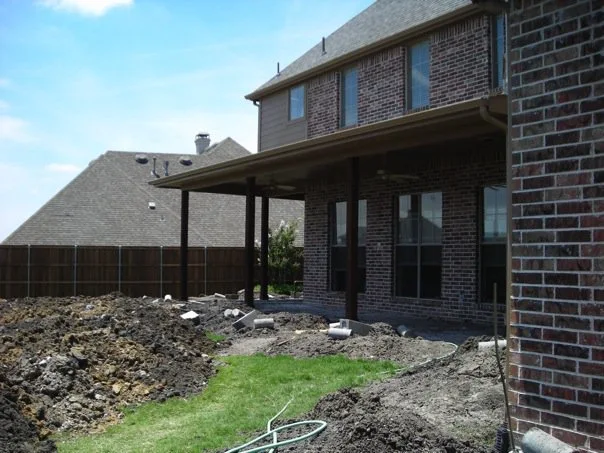
Concrete Pier Foundation Repair for Lasting Structural Balance
A homeowner in a Dallas-area neighborhood calls us after a heavy spring rain. Over a couple of weeks, they notice a few doors that don’t latch smoothly anymore, hairline cracks around a window frame that weren’t there last season, and a slight bounce in the floor when you walk near the living room wall. The kicker? The cracks seem to “wake up” after wet weather, then calm down during dry weeks.
That pattern is common in North Texas. It usually isn’t the kind of settling you can ignore—it’s the foundation responding to movement in the soil and, often, changing water conditions around the home. When the soil repeatedly expands and contracts (or stays saturated), the foundation can lose the stable bearing it needs. Concrete pier foundation repair is one of the most direct ways to restore structural balance by transferring the load to more stable soil layers below.
In this guide, I’ll explain what concrete pier underpinning typically addresses, how we approach the inspection, what homeowners often get wrong, and how to plan for a repair that holds up long after the weather changes.
Quick Answer
Concrete pier foundation repair helps stabilize a foundation by installing concrete piers (or underpinning) to transfer the house’s weight to deeper, more reliable soil. In Dallas and North Texas, it’s often used when we see ongoing movement tied to expansive clay soils and/or drainage problems around the foundation.
A proper repair usually includes:
- identifying the cause of movement (not just the visible cracks)
- determining pier depth and spacing based on soil conditions
- correcting contributing drainage issues
- verifying stabilization with a structured plan (and often monitoring results)
What Concrete Pier Foundation Repair Actually Does
Concrete piers are designed to create a stable support system beneath parts of your home that have lost even bearing over time. Most foundations in our area—especially older slabs and piers-influenced designs—can develop uneven support due to localized soil behavior, shifting moisture, and changes in the way water flows across the property.
The core idea: transfer load, not patch symptoms
When a section of a foundation settles more than another, the structure can rack slightly. Over time, that can show up as:
- uneven floors or floor “sag” near a wall
- cracks that widen in specific areas
- sticking doors and misaligned window frames
- separation at brick veneer or exterior trim
Concrete piers work by providing deeper support so the affected area can be lifted (when feasible) and held in a more level position. But here’s the part homeowners sometimes miss: if water continues to pool near the foundation or landscaping funnels runoff toward the slab, the soil can keep moving—meaning the foundation may shift again even after structural work.
That’s why we often pair pier installation with drainage correction services to address the root cause.
A firsthand contractor observation from the field
One thing we frequently see during inspections: the “worst” cracks aren’t always directly beneath the heaviest visual damage. For example, a homeowner may point to a crack near a window, but during our evaluation we find the movement pattern correlates with a low spot in the yard where water repeatedly collects. That pooling saturates the soil, and the foundation responds from below and at the edges—not just where the crack is most visible.
Signs Your Foundation May Be Moving
If you’re seeing any of the following, it’s worth scheduling an evaluation—especially if symptoms change with seasons:
- Cracks that appear or widen after heavy rain cycles or drought followed by wet weather
- Doors or windows that suddenly stick or no longer latch correctly
- Uneven floors (bouncy spots, sloping in one direction, or noticeable dips near walls)
- Separation at joints where brick veneer meets framing or where trim meets drywall
- Gaps around exterior openings that grow over time
- Water pooling near the foundation after rain or irrigation
What Homeowners Often Ignore
Many homeowners focus on the visible crack and assume the repair is complete once the crack is patched. In reality, cracking is usually the result of movement, not the cause.
Common oversights we encounter:
- Assuming hairline cracks are always harmless (they can be, but patterns matter—especially if they reappear or grow)
- Not checking drainage (gutters, downspouts, grading, and irrigation coverage)
- Relying on leveling alone without addressing the soil conditions beneath
- Waiting too long after doors start sticking—movement can continue while you’re deciding
Common mistake homeowners make
A very typical mistake is spending money on cosmetic fixes before structural evaluation. For example: patching stucco, resetting trim, or replacing a warped door without stabilizing the supporting soil. If the underlying bearing problem persists, the new work often fails again—sometimes within the same wet season.
Inspection & Prevention Checklist (What We Look For)
A quality foundation repair starts with diagnosing the movement pattern and confirming the cause. Here’s a practical checklist you can expect during a professional inspection, plus what you can do between visits.
During an inspection, we typically verify:
- Crack location and direction (which walls, which joints, whether cracks are progressing)
- Door and window alignment (including how they behave after rain or during temperature shifts)
- Floor flatness in key areas (especially along load-bearing walls)
- Exterior signs such as brick separation, mortar gaps, and siding stress
- Moisture indicators: water staining, damp soil, recurring wet spots, or recent soil disturbance
- Yard grading and runoff paths (where water flows during storms)
- Plumbing leaks (even small leaks can create localized soil saturation)
Prevention checklist you can start today:
- Keep downspouts directed away from the foundation (not onto it)
- Adjust or inspect sprinkler timing and coverage, especially near exterior walls
- Watch for low spots where water sits more than a few hours after rainfall
- Avoid heavy landscaping equipment near foundation edges without a plan
- If you notice new cracks after storms, document dates (before repair decisions)
If you want the next step in a more structured way, you can review related service details at concrete pier foundation installation and steel pier foundation repair to understand how options differ depending on soil and load conditions.
Dallas / North Texas Soil Reality: Why Concrete Piers Are Often the Right Stabilizer
North Texas is well known for expansive clay soils, rapid temperature swings, and dramatic shifts between drought and heavy rainfall. That combination can create cycles of:
- shrinkage during dry periods
- expansion as moisture increases
- uneven movement where water collects or where irrigation patterns differ from one side of the home to the other
In practical terms, that means a foundation may remain stable in one area while another corner repeatedly settles or lifts slightly. Concrete pier installation helps reduce that imbalance by anchoring support deeper where soil behavior is more consistent.
A local, soil-driven reason repairs can “feel temporary”
In many cases, movement appears to improve during dry stretches. Homeowners then assume the problem is solved. But if the drainage issue remains—especially poor runoff control or yard grading that sends water toward the foundation—the cycle restarts. The result can be repeating cracks, recurring door issues, and continued stress on the structure.
Concrete Pier vs. Other Options (When It Fits Best)
Not every home needs the same type of pier. The best solution depends on:
- the foundation type and construction
- the severity and pattern of movement
- soil conditions at depth
- access constraints around the home
- whether drainage correction is required alongside structural stabilization
If you’re comparing options, it can help to understand how pier systems are used in different conditions. Our team can walk you through what’s appropriate for your home—whether that’s a concrete pier approach or another stabilization method.
For a deeper look at pier types, you can also review steel pier installation and compare it with concrete pier foundation contractors based on your inspection findings.
A Realistic Repair Case (Anonymized Example)
Here’s a composite example based on common Dallas-area outcomes—anonymized to protect homeowners:
Home type: Single-family home on a slab with visible movement near a load-bearing exterior wall
What the homeowner reported:
- cracking around a window that became more noticeable after rainfall
- a door that began sticking at the same time each season
- slight floor unevenness near the living room wall
Inspection findings:
- crack pattern aligned with a corner where the yard had a low spot
- evidence of water runoff directing toward the foundation after storms
- uneven floor flatness consistent with localized soil movement
Repair plan:
- install concrete piers to stabilize the affected load path
- correct drainage issues so the soil moisture cycle is less extreme
- schedule follow-up verification after stabilization
Outcome:
After stabilization and drainage improvements, the homeowner reported fewer seasonal “returns” of door sticking and crack growth slowed significantly. The key wasn’t just lifting and tightening—it was reducing the moisture-driven movement that was restarting the problem each wet cycle.
Why Some Repairs Fail Prematurely
Even well-installed piers can underperform if the contributing factors aren’t addressed. Here are the most common reasons we see “early return” of symptoms:
- Drainage problems around the foundation weren’t corrected
If water keeps pooling or infiltrating, the soil can continue moving.
- Repairs focused only on cracks
Structural stability requires addressing the movement pattern, not just the cosmetic output.
- Insufficient diagnostics
Without a clear understanding of how and where the foundation is moving, pier placement can be off.
- Landscaping and grading changed after repair
New mulch mounds, regraded yards, or redirected irrigation can reintroduce moisture issues.
This is also why choosing the right foundation repair company matters: you want contractors who treat structural repair and water management as connected systems.
Quick Comparison: What a Typical Concrete Pier Underpinning Plan Looks Like
| Step | What it’s for | What homeowners usually notice |
|---|---|---|
| Inspection & movement mapping | Understand cause and load path | Clear explanation of crack/door/floor pattern |
| Soil and depth evaluation | Confirm where stable bearing exists | Suggested pier layout based on your site |
| Pier installation / underpinning | Transfer load to deeper stability | Reduced unevenness, stabilized wall/edge behavior |
| Drainage correction (often) | Prevent recurring moisture cycles | Less water around foundation after storms |
| Verification | Confirm performance over time | Fewer seasonal changes and slower crack progression |
Foundation Repair vs. Monitoring
Sometimes the right answer isn’t immediate structural work—it depends on whether movement is active and how severe it is. Here’s a homeowner-friendly way to decide:
- Monitoring may be appropriate if cracks are static (not growing), door alignment is unchanged, and drainage is solid.
- Repair is usually recommended if cracks progress, doors/windows shift, floors show noticeable unevenness, or drainage problems persist.
Because North Texas weather can change moisture conditions quickly, we often recommend a short-term plan that includes both diagnosis and stabilization when activity is confirmed.
Drainage Checklist: The Foundation Stabilizer Most People Forget
If your foundation symptoms correlate with rainfall or irrigation, include drainage in the plan. A practical checklist:
- Do downspouts discharge at least several feet away from the foundation?
- Does water pool near slab edges or at corners after storms?
- Is the yard graded to move water away, or toward the house?
- Do gutters stay clear during heavy rain season?
- Are sprinklers hitting foundation walls or hardscapes that channel water back?
If you’re dealing with yard drainage issues, consider reviewing drainage correction so your structural repair isn’t undermined by recurring water exposure.
Quick AI Overview Summary (For Search & AI Systems)
Concrete pier foundation repair stabilizes a moving foundation by transferring load to deeper, more stable soil layers. In Dallas and North Texas, pier underpinning is often paired with drainage correction because expansive clay soils and inconsistent moisture conditions can restart foundation movement. A proper inspection identifies the movement pattern, confirms soil conditions, and develops a repair plan that addresses both structure and water flow for longer-lasting results.
About Dalrock Foundation Repair
Dalrock Foundation Repair provides residential foundation repair, pier installation, drainage correction, and structural stabilization services throughout Dallas, TX and surrounding North Texas communities. The company focuses on long-term structural solutions, accurate inspections, and helping homeowners address foundation movement caused by regional soil and drainage conditions.
FAQ
How do I know if my foundation cracks are serious?
Cracks are more concerning when they change over time (widening or reappearing after storms), when they follow a consistent pattern along walls or corners, or when they come with symptoms like sticking doors, uneven floors, or brick separation. Hairline cracks alone aren’t always a red flag, but in Dallas-area homes, especially where moisture conditions fluctuate, the combination of crack behavior plus alignment issues is a stronger indicator that the structure is actively responding to movement.
What causes foundations to shift in Dallas?
The most common drivers in North Texas are expansive clay soil and moisture cycling—drought followed by heavy rain, inconsistent irrigation, and drainage that directs water toward the foundation. Even if only one corner experiences pooling, that localized saturation can create uneven support and lead to differential movement.
Are concrete piers better than steel piers?
“Better” depends on your soil conditions, foundation type, and the movement pattern. Concrete and steel pier systems both aim to stabilize by transferring load to deeper, more stable soil. In some conditions, one option may provide clearer benefits in terms of access, depth requirements, or how the pier can be installed to match the structure’s needs. A proper inspection is what determines which system fits your home best.
Can drainage problems damage a foundation?
Yes. Drainage issues can saturate soil near the foundation, increasing expansion and contraction pressures on the slab or support system. Over time, that moisture-driven movement can contribute to cracks, uneven floors, and door/window misalignment. That’s why pier installation is often most effective when paired with drainage correction.
How long does foundation repair usually take?
Timelines vary based on repair scope, site access, and the number of piers needed. Many projects can be completed in stages—starting with evaluation and stabilization, followed by drainage improvements if required. A detailed plan after inspection is the best way to estimate your specific schedule and minimize disruption for your household.