
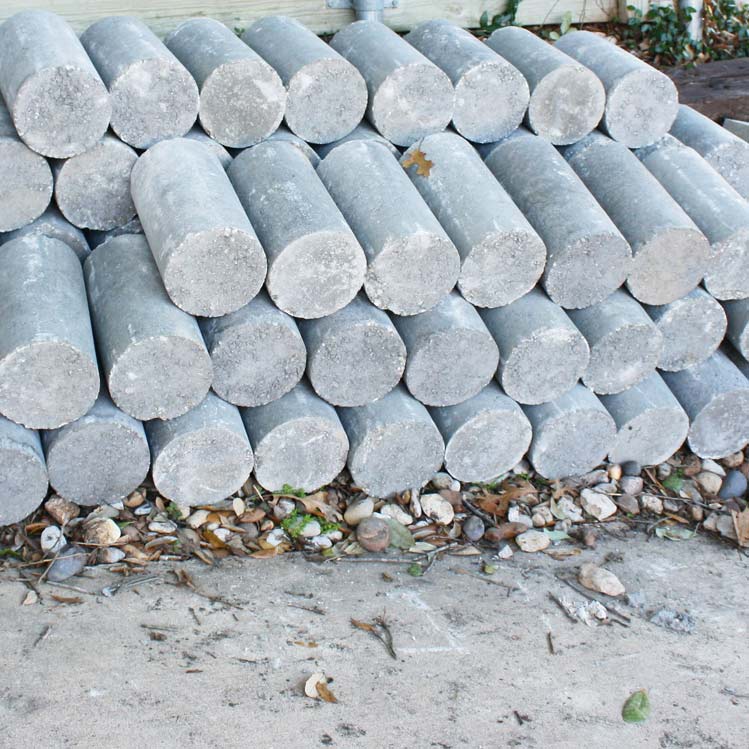
Concrete Pier Foundation Repair Near Me for Homes
If you are seeing cracks, sticking doors, or uneven floors, the foundation may be settling. This guide explains how concrete pier foundation repair works for Dallas homes, what to check before you choose a foundation repair company, and how to talk with contractors about a realistic foundation repair estimate.
After a hot summer and a couple of heavy rain cycles, you notice it first in the little things: a door that suddenly needs extra force, a hallway that feels slightly sloped, or a hairline crack that seems wider than it was last year. In Dallas, TX, these clues often point to foundation settling and the soil movement that causes it.
If you have already searched “foundation repair near me” and feel overwhelmed by the options, you are not alone. The goal of this article is to help you connect the symptoms you see to the foundation repair services that may address them, so you can ask better questions and choose a plan that fits your house foundation repair needs.
- Quick answer
- What to check first
- Main things customers should understand
- Why this matters in Dallas, TX
- Common mistakes to avoid
- Customer checklist
- Frequently asked questions
Quick Answer
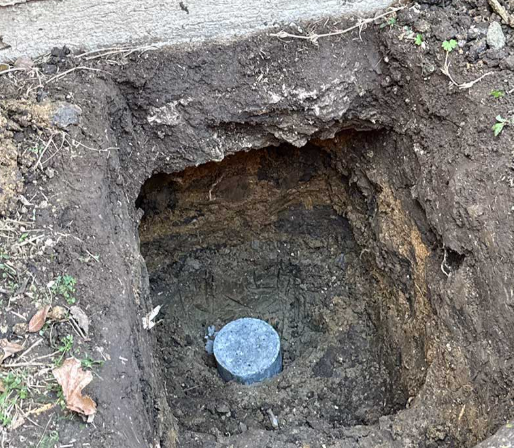
Concrete pier foundation repair is often used when a house foundation is settling due to soil movement and the foundation needs additional support. The most practical next step is to schedule an inspection so the contractor can identify where the movement is coming from and whether drainage correction should be part of the plan. For most homeowners, the best approach is to focus on structural foundation repair needs first, then address foundation drainage correction so water is not working against the repair. If you are comparing foundation repair contractors, ask what system will be installed and how it targets the specific areas showing movement.
What to Check First
Before you call every foundation repair specialist in your area, gather a few details that will help the inspection go faster and make the discussion more specific. Start with the obvious interior signs, then look outside for clues about drainage problems around the foundation. Concrete pier foundation repair can be part of the solution, but the right plan depends on what is actually happening under your home.
Document the symptoms
Take photos of cracks, uneven tile, and any door or window issues. Note whether the problem seems concentrated in one area of the house.
Check exterior water patterns
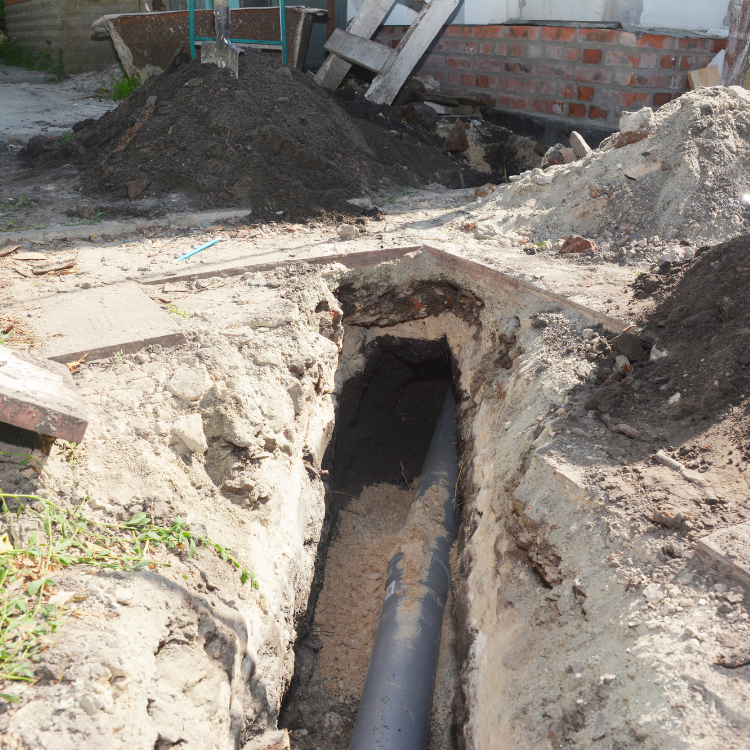
Look for downspouts discharging near the foundation, yard drainage that directs water toward the house, or pooling after rain.
List what changed
Consider whether the issue started after landscaping changes, new gutters, added hardscape, or a long period of dry weather followed by heavy rain.
Main Things Customers Should Understand
When homeowners ask about concrete pier foundation repair, they usually want to know what “pier installation” will actually do. In practice, concrete pier foundation installation is designed to provide stable support to portions of the foundation that have shifted. The plan should be based on how the structure is moving, not just on the presence of cracks alone.
Professional observation: In Dallas-area homes, water behavior often drives the timeline. Even if piers are installed, ongoing yard drainage correction or foundation drainage correction can be the difference between stabilizing the problem and watching it reappear after the next wet season.
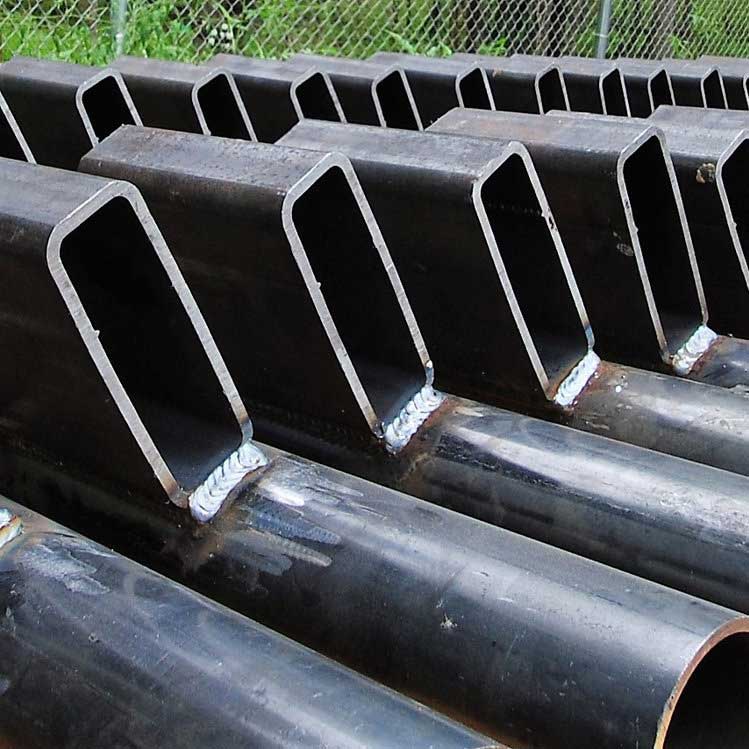
If you are comparing foundation repair services, it helps to understand the main categories of systems contractors may discuss. Concrete piers are one option, but the right choice depends on the foundation layout and the conditions found during evaluation. For example, some homes are better suited to steel pier foundation repair or other pier-beam approaches, depending on how the load paths and movement patterns line up.
| Decision point | Concrete pier foundation repair | Related options you may hear about |
|---|---|---|
| Primary goal | Support areas of a settling foundation by installing concrete piers where needed. | Steel pier foundation repair, pier-beam methods, or hybrid pier systems may be considered depending on conditions. |
| What drives the plan | Observed movement pattern and the foundation’s need for additional support. | Same idea, but the chosen material/system varies by the contractor’s evaluation of the site and structure. |
| Common companion work | Foundation drainage correction to reduce water issues around the foundation. | Drainage correction services can be paired with many foundation repair contractors’ methods. |
| Questions to ask | Where piers will be installed, how the plan addresses the affected areas, and what drainage work is recommended. | What system will be used, why it fits your house foundation repair situation, and how the contractor will confirm the problem is stabilized. |
To learn more about the specific pier approach being discussed, you can review Dalrock Foundation Repair’s concrete pier foundation repair services and compare it with other system types like pier-beam foundation repair or steel pier foundation repair. Having those references in mind makes your foundation repair estimate conversation more grounded.
Why This Matters in Dallas, TX
In Dallas, TX, homeowners often notice foundation issues after seasonal swings and changing moisture conditions. That matters because piers and steel pier underpinning solutions can only do their job if the surrounding environment stops pushing the foundation around. When drainage problems around the foundation are left unresolved, it can contribute to recurring foundation settling repair concerns.
One common scenario we see is a yard that looks fine most of the year, but after heavy rainfall, water flows toward low spots near the home. Over time, that movement can increase soil variability under the slab or crawl space foundation. If you are dealing with symptoms that match foundation settling, it is worth asking whether drainage correction should be part of the plan, especially if you have downspouts, grading, or surface water patterns that bring moisture toward your foundation.
Local homeowner tip: If you have yard areas that stay damp longer than the rest of the property, ask your contractor how they would address water drainage correction as part of the overall structural foundation repair plan.
For more on the drainage portion of the work, you can read drainage correction services to understand how yard drainage correction and foundation water drainage solutions are typically evaluated alongside concrete pier foundation repair.
Need help figuring out the right pier foundation repair approach?
Talk with Dalrock Foundation Repair about what you are seeing at your Dallas, TX home. A clear conversation about movement, drainage correction, and concrete pier foundation installation can help you choose a plan that matches your situation.
Contact Dalrock Foundation RepairCommon Mistakes to Avoid
Homeowners trying to reduce the cost of foundation repair sometimes make decisions that can extend the problem. A structural foundation repair plan should start with understanding what is causing the movement, then selecting the right foundation repair services to stabilize it. Here are a few common mistakes to avoid.
- Only treating visible cracks without addressing foundation settling repair causes.
- Assuming a single contractor recommendation is the only option without asking about drainage correction and how it affects long-term performance.
- Comparing foundation repair estimate numbers without understanding what system is being installed and where.
- Choosing a foundation repair company based on marketing language instead of the specific plan for your house foundation repair.
- Skipping documentation. Without photos and notes, it is harder to confirm where movement is occurring and how it changes over time.
Customer Checklist
Before you approve any concrete pier foundation repair work, use this checklist to keep the conversation practical. It is designed for homeowners in Dallas, TX who want to understand the scope and avoid surprises. Bring these questions to the inspection or reference them when you discuss your foundation repair estimate.
- Identify where movement shows up most: floors, door gaps, cracks, or crawl space/sill area changes.
- Ask whether drainage problems around the foundation are contributing and what foundation water drainage solutions are recommended.
- Confirm what foundation repair system is proposed (concrete pier foundation installation, pier-beam approach, or another method) and why it fits your structure.
- Request a clear explanation of how the plan addresses structural foundation repair needs in the specific areas that are moving.
- Discuss how the contractor will document findings during the evaluation so you can understand the basis for the plan.
- Review the scope with an eye toward foundation repair cost factors, including site conditions and the work tied to stabilization and drainage correction.
Representative scenario: A homeowner in Dallas, TX notices a crack near an exterior corner and a bedroom doorway that starts sticking after rain. During evaluation, the contractor maps the movement and checks water patterns around the home. The recommended plan includes concrete pier foundation repair focused on the affected area, paired with drainage correction to reduce water flow toward the foundation. Instead of addressing only the crack, the work targets the cause behind the settlement pattern.
Frequently Asked Questions
How do I know if I need concrete pier foundation repair?
Most homeowners first notice signs like cracked foundation areas, uneven floors, or doors and windows that do not operate smoothly. Those symptoms can indicate foundation settling, but the right next step is an inspection that ties the visible issues to the movement pattern. A contractor should be able to explain where the structure needs additional support and what role drainage correction may play. If you are in Dallas, TX, water behavior after rain cycles is a common factor, so the evaluation should consider both structural support and foundation water drainage solutions.
What should be included in a foundation repair estimate conversation?
A solid foundation repair estimate discussion focuses on the proposed scope and why it matches your home’s conditions. Ask what system will be installed and where, how the plan addresses the areas showing movement, and whether drainage correction is recommended. If you are comparing foundation repair contractors, it helps to understand what work is structural versus what work is drainage related. You can also review resources like foundation repair cost guidance to help you ask more specific questions.
Can drainage correction affect foundation settling repair?
Yes. Even when a house foundation repair plan includes concrete pier foundation installation, ongoing water problems around the foundation can keep soil moisture conditions changing. That can contribute to foundation settling repair concerns over time. Drainage correction services typically aim to manage how water leaves the yard and how it behaves near the foundation. If you notice pooling, persistent damp areas, or surface water flowing toward the home after rain, it is reasonable to ask whether drainage correction should be part of the overall structural foundation repair plan.
What is the difference between concrete pier and steel pier foundation repair?
The core idea is similar: the goal is to stabilize structural movement by adding support where the foundation needs it. The difference is the material system used for the underpinning approach. Concrete pier foundation repair relies on concrete piers, while steel pier foundation installation uses steel components. The best choice depends on your evaluation findings, your foundation layout, and how the contractor recommends addressing the specific movement pattern. If you want to compare approaches, you can review concrete pier services and steel pier services.
Will cracked foundation repair fix all the problems at once?
Cracked foundation repair typically addresses the symptoms and the structural cause behind them, but homeowners should think in terms of stabilization. If movement is still happening because of drainage issues or ongoing soil variability, cracks can continue to change. That is why a good plan often includes both structural work and drainage correction. After repairs, you should expect the goal is to stop or reduce further movement. The best results come from choosing foundation repair services based on the actual movement pattern, not only patching visible cracks.
Ready to talk through your home’s foundation repair needs?
If you are searching for foundation repair contractors in Dallas, TX, start with a clear inspection conversation. Dalrock Foundation Repair can help you understand whether concrete pier foundation repair and drainage correction are appropriate for your house foundation repair situation.
Call (972) 578-8800
About Dalrock Foundation Repair
Dalrock Foundation Repair provides residential foundation repair solutions for homeowners in Dallas, TX and surrounding areas. Their focus is on identifying the underlying cause of foundation settling and recommending foundation repair services designed to stabilize the structure and address contributing factors like drainage. If you are comparing concrete pier foundation repair, steel pier foundation repair, or related underpinning options, you can review their service pages and discuss your situation with a team that helps translate foundation symptoms into an actionable plan.