
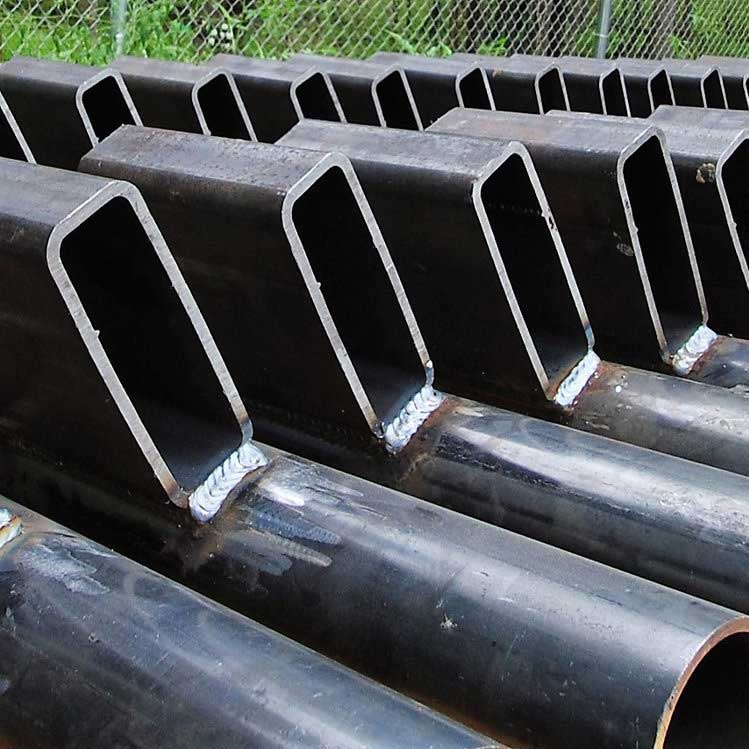
If your floors feel uneven, doors stick, or you see cracks near corners and along seams, steel pier foundation repair may be part of the solution. This guide explains what steel piers do, what to check first, and how to compare repair approaches for homes in Dallas, TX and surrounding areas.
After a heavy rain or a stretch of hot weather, you notice it. A hallway that used to feel level now has a slight slope, tile grout lines look “stretched,” and a door that once closed smoothly suddenly drags at the bottom.
For many homeowners in Dallas, TX, those symptoms point to foundation movement, not normal settling. This guide will help you understand when sagging floors may be tied to pier support, what evidence to look for before you schedule a foundation repair estimate, and how to ask the right questions about steel pier foundation repair.
- Quick Answer
- What to Check First
- Main Things Customers Should Understand
- Why This Matters in Dallas, TX
- Common Mistakes to Avoid
- Customer Checklist
- Frequently Asked Questions
Quick Answer
Steel pier foundation repair is often considered when a home’s support system has to be strengthened to address sagging floors and uneven settling. The practical first step is to document what you’re seeing: cracks (where they appear), door and window behavior, and which areas of the floor feel low. Then request a foundation inspection and a repair plan tied to your home’s condition. If drainage is contributing to movement, pairing pier work with drainage correction can be essential for long-term stability. For help, contact Dalrock Foundation Repair at (972) 578-8800.
What to Check First
Before you decide on steel piers, focus on gathering clear, homeowner-friendly evidence. Start with the “pattern” of the problem: do the floors sag near one corner, along a beam line, or across multiple rooms? Note where cracks show up, especially around doorways, along interior wall seams, or near exterior edges. Also check whether doors and windows bind more at certain times, which can suggest ongoing movement.
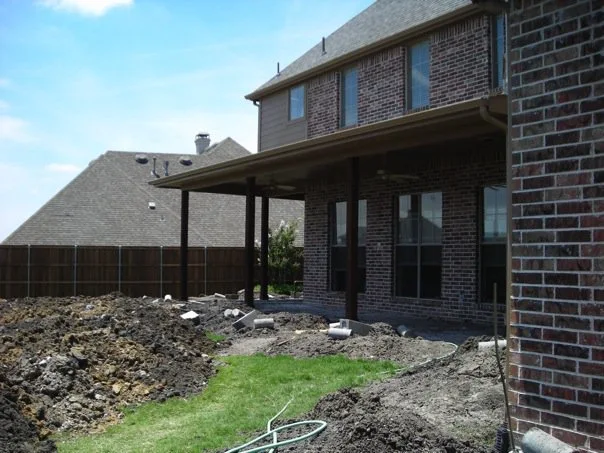
Next, look for clues that the issue may involve the support system under the structure. Sagging floors can be related to pier performance, settlement at specific locations, or a mismatch between the foundation’s current support and what the soil and loads require. If you suspect slab or pier-related movement, you can also review steel pier foundation repair services to understand how repair approaches are commonly matched to observed conditions.
Uneven floors
Spot low areas, especially near beams, corners, or room transitions.
Doors and windows
Track sticking points and whether the problem changes seasonally.
Cracks near seams
Write down crack locations and whether they widen or shift.
Main Things Customers Should Understand
Steel pier foundation repair is designed to transfer and stabilize the load by installing steel supports that can be integrated into the home’s foundation system. In practical terms, the goal is to address uneven settlement by improving how the structure is supported where movement has occurred.
Professional observation: Sagging floors are rarely a “one-size-fits-all” symptom. The right repair plan depends on where the movement is occurring and what is driving it, including whether drainage issues are adding stress to the foundation over time.
Here are the main factors that typically guide whether steel piers are a fit for your situation:
- Location of movement: Some homes settle more in one area, which can point to targeted pier placement rather than broad correction.
- Support needs: If the structure has lost effective support at certain points, steel pier foundation work can be part of restoring stability.
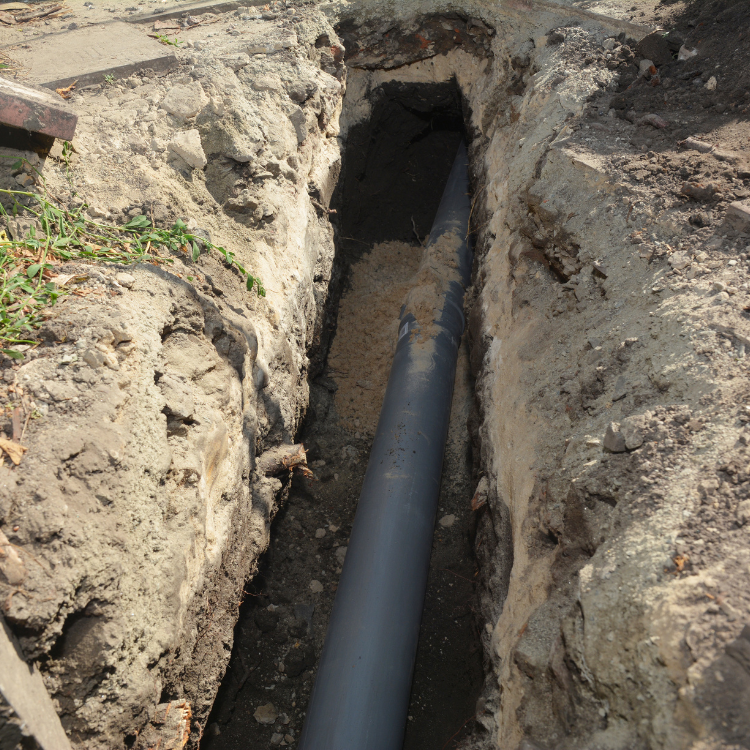
- Coordination with other repairs: In many cases, successful foundation performance also depends on moisture and water management around the home. If water pathways are contributing to movement, you may need drainage correction services alongside structural support.
- Compatibility with your foundation type: Steel piers are often discussed alongside other support systems, so it’s important to match the method to what’s present at your property.
How steel piers compare to other pier approaches
If you’re researching foundation repair contractors, you may see different pier and underpinning terms. Here’s a homeowner-friendly comparison of how these approaches are commonly evaluated during planning.
| Repair approach | What it’s typically used for | Key homeowner questions to ask |
|---|---|---|
| Steel pier foundation repair | Address localized or uneven settlement that contributes to sagging floors and structural misalignment. | Where are the piers placed, and how does the plan match the observed low areas? |
| Concrete pier foundation repair | Support stabilization where pier-based reinforcement is needed; often evaluated based on site conditions. | How is the design matched to your foundation details and movement pattern? |
| Hybrid pier systems | Combines support elements to fit the home’s conditions, sometimes when different areas require different solutions. | Which parts of the structure use which support method, and why? |
To narrow the options quickly, a good next step is to compare the pier strategy to your home’s symptoms. If the movement appears concentrated and consistent with support loss, steel pier underpinning may be considered. If you’re dealing with other foundation elements like slab movement, you can also explore slab foundation repair to understand how repair goals differ.
Why This Matters in Dallas, TX
In Dallas, TX, homeowners often experience foundation-related symptoms that show up or change with seasonal weather patterns and moisture behavior around the home. Even when the visible issue is sagging floors, water management can influence how stable the ground remains and how foundation movement progresses.
That’s why many foundation repair plans in Dallas, TX focus on more than just lifting or stabilizing. If yard drainage is pushing water toward the foundation, it can increase stress on the soil around the structure. Addressing water pathways is frequently part of a complete solution, especially when the problem involves movement over time rather than a single event.
Local homeowner tip: If you’ve noticed pooling water near the foundation, soggy yard edges, or downspouts that discharge close to the home, ask about foundation water drainage solutions during your inspection. The goal is to reduce ongoing moisture impact while the support system is corrected.
Need help matching steel pier repair to your sagging floors?
Call Dalrock Foundation Repair for a foundation inspection in Dallas, TX and surrounding areas. A clear plan starts with understanding where the movement is happening and what else may be contributing.
(972) 578-8800Common Mistakes to Avoid
When floors start to sag, it’s tempting to jump straight to cosmetic fixes like patching cracks or using floor leveling products without addressing the underlying cause. That can leave the structural issue still active, which may cause cracks to return or doors to continue sticking.
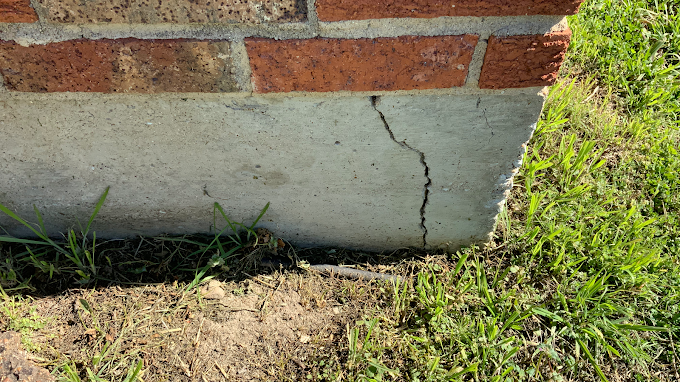
- Ignoring the crack pattern: Cracks near doorways, along wall seams, or at specific corners can indicate movement that needs structural attention.
- Assuming settling is “normal”: Some settling happens over time, but ongoing sagging floors and changing door alignment are signs to evaluate the foundation support system.
- Choosing a repair without matching the foundation type: Steel pier foundation repair is not the only approach. A plan should align with your home’s conditions and observed movement.
- Overlooking drainage contribution: If water pathways aren’t addressed, the ground can keep reacting. This is where drainage correction services often comes into the conversation.
- Waiting too long: The longer uneven settlement continues, the more likely interior finishes, door hardware, and alignment issues will compound.
Customer Checklist
Use this checklist to get organized before you request a foundation repair estimate. It helps you communicate clearly and reduces guesswork during the inspection.
- Write down when you first noticed sagging floors, sticking doors, or crack changes.
- List the rooms and areas where floors feel uneven, including any corners or beam lines.
- Mark crack locations on a simple sketch (interior walls, door frames, exterior edges).
- Check doors and windows: note which ones stick and whether it worsens during certain weather.
- Look for water pathways: pooling near the foundation, downspouts discharging too close, or yard drainage issues.
- Bring photos taken from the same angles over time, especially for cracks and misaligned trim.
- Ask what support approach is being considered (steel piers, concrete piers, or a hybrid plan) and how it matches your observed movement.
Representative Scenario: Sagging floors near a single corner
Consider a Dallas, TX homeowner with a two-story home who notices a gradual slope in a living room and a door that begins to rub along the frame. The cracks appear most clearly near a corner where the floor feels lowest. After documenting the pattern, the inspection focuses on identifying where support has become less effective and whether moisture around the foundation is contributing to ongoing movement. Based on the home’s observed conditions, the repair plan may include steel pier foundation repair to stabilize the affected area while also addressing drainage behavior around the property.
Frequently Asked Questions
How do I know if my sagging floors are related to foundation settling?
Sagging floors can be connected to foundation movement when you also see additional signs like doors and windows sticking, crack locations that follow seams or corners, or uneven floor transitions that seem consistent over time. A single cosmetic crack is different from multiple symptoms that appear together in the same areas. The most practical approach is to document where the floor is low and where the structural changes show up, then request a foundation inspection so the cause can be evaluated rather than guessed.
What should I ask about steel pier foundation repair during an inspection?
Ask how the repair plan matches the movement pattern in your home. Specifically: where the piers would be placed, how the work targets the lowest areas, and what evidence supports that design. It’s also reasonable to ask whether drainage correction is part of the plan, since water behavior can affect ongoing stability. If you’re comparing contractor options, focus on clarity: you want to understand the “why” behind the method, not just the general type of pier being used.
Can drainage correction help even if I’m getting steel piers?
Often, yes. Steel piers are intended to improve structural support, but moisture around the foundation can still influence how the soil behaves. If yard drainage pushes water toward the home, the ground may continue to react, which can complicate long-term performance. A practical plan in Dallas, TX frequently looks at both the support system and water management. If you’ve noticed pooling water, downspouts discharging near the foundation, or consistently damp soil areas, bring those observations to your inspection.
How can I estimate foundation repair cost for steel pier work?
Foundation repair cost depends on site conditions and how much correction is needed, so the most accurate approach is to request a foundation repair estimate after an inspection. Before you ask for pricing, gather your photos and notes so the scope can be discussed clearly. You can also review foundation repair cost to understand the factors that commonly affect total project cost, including the support strategy and any related work that may be required for stability.
What’s the difference between steel piers and other pier systems?
Different pier systems are evaluated based on the foundation’s condition and the movement pattern. Steel piers are typically considered when the goal is to stabilize uneven settlement by improving support where the home has shifted. Other approaches, like concrete piers or hybrid pier systems, may be considered depending on what’s present under the structure and how the repair needs to be designed. The best comparison comes from asking how each method would address the specific areas showing sagging floors and misalignment.
Should I repair cracks myself before getting foundation help?
In most sagging-floor situations, DIY crack repair is a temporary fix at best. If the underlying movement is still active, patched cracks can reopen or new cracks can appear elsewhere as the structure continues to shift. A more practical approach is to document the cracks, identify whether there are signs of movement like sticking doors, and schedule an inspection to determine the cause. Once the foundation issue is addressed, finishing work is often more straightforward.
Ready to talk through steel pier foundation repair?
If you’re searching for “foundation repair near me” due to sagging floors, Dalrock Foundation Repair can help you understand what your home is showing and what repair strategy best matches it in Dallas, TX.
Visit Dalrock Foundation Repair
Dalrock Foundation Repair
Dalrock Foundation Repair provides foundation repair services for homeowners and property owners in Dallas, TX and surrounding areas. If you’re dealing with foundation settling repair concerns like sagging floors, cracked foundation repair symptoms, or structural foundation repair needs, our team focuses on matching the repair approach to what your home is experiencing. For questions about steel pier foundation repair or other support options, call (972) 578-8800 or explore our services at https://www.dalrockfoundation.com/.