
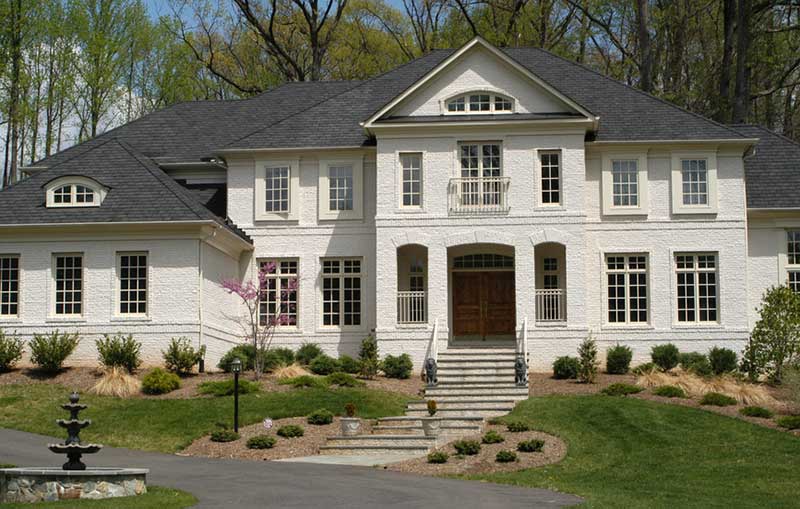
Foundation Repair Techniques That Restore Safe Living Spaces
The first crack is always the hardest to explain. One Dallas homeowner recently called because a small line appeared above a window after a stretch of intense heat followed by a heavy storm. The crack wasn’t wide—at least not yet—but the doors had started to stick, and the laminate in the hallway felt slightly uneven when you walked it barefoot.
In North Texas, that combination is a real-world red flag. Foundations don’t only “crack.” They move in response to soil expansion and contraction, water saturation, and load changes. When movement continues, it can damage drywall, flooring, brick veneer, and—most importantly—your home’s structural stability and safety.
This guide walks through the foundation repair techniques we use most often to restore stable, safe living spaces, with an emphasis on what’s actually happening under the slab and around the perimeter in Dallas-area homes.
Quick Answer
Most foundation problems in Dallas/ North Texas are driven by two factors: active soil movement (often expansive clay) and water getting where it shouldn’t (poor drainage, runoff, grading, or clogged downspouts). The “right” repair usually combines:
- Stabilization (most commonly foundation piers—steel or concrete—installed to reach more stable soil)
- Structural support (when needed to correct settling or lift a failing portion)
- Drainage correction (to stop the movement from restarting)
A proper repair starts with an inspection that confirms whether the home is experiencing ongoing movement and identifies the cause—not just the symptom.
What Homeowners Commonly Ignore
Homeowners tend to focus on what they can see: hairline cracks, sticking doors, or a gap where trim meets drywall. But in many Dallas-area homes, the issue is already “bigger than the crack.”
Here’s what we often see during inspections:
- Cracks that seem minor but align with door openings, window corners, or slab edges.
- Drywall cracks that keep reappearing after patching.
- Floor bounce or slope that shows up after rain or drought cycles.
- Gaps at brick/stone veneer that look cosmetic until the underlying support has shifted.
- Water behavior—like pooling near the foundation after storms or fast runoff that saturates soil at one side.
What We Commonly See in Dallas Foundations
1) Settling repair that isn’t just “lifting”
When a section of a house settles, it’s tempting to think the fix is simply raising it. But lifting without addressing the cause can lead to another cycle of movement. We typically look for:
- Differential settlement patterns (one corner dropping more than others)
- Evidence of moisture-driven soil change near the perimeter
- Signs that prior repairs didn’t include drainage correction
2) Slab and pier failures caused by water and soil variability
North Texas soil can expand and contract dramatically. Add grading issues, poor yard drainage, or downspouts that discharge too close to the home, and you get zones where the soil repeatedly swells and shrinks.
From a contractor’s standpoint, one of the most telling observations is whether the movement correlates with weather and water flow—not just age.
3) Pier installation needs that differ by site conditions
Not every home should be treated the same. In practice, we may recommend different pier types and installation methods depending on:
- Soil depth and bearing conditions
- Load paths (where the structure needs support)
- Proximity to existing footings, utilities, or landscaping
- Whether the movement is ongoing or has stabilized
If you’re exploring pier options, it helps to understand the differences between steel piers and concrete piers before a contractor begins drilling.
Why Some Repairs Fail Prematurely
A repair can look “fixed” today and still fail within a few seasons if the underlying system isn’t addressed. The most common reasons we see are:
- Drainage wasn’t corrected, so the same soil moisture cycle continues.
- The repair was based on symptoms, not the cause (e.g., stabilizing without verifying active movement).
- Insufficient evaluation of load and movement direction, leading to piers placed where they don’t counter the real settlement path.
- Improper expectations—some homes require both structural stabilization and water management before movement slows.
A firsthand observation from our crews: we can sometimes see evidence of moisture migration—darkened soil patterns, recurring damp areas, or landscaping that directs runoff toward the foundation—right where the structure is experiencing the most movement. If the drainage trigger remains, the foundation can continue to “work against” the repair.
Common Mistakes That Make Foundation Problems Worse
Mistake 1: Patching cracks and ignoring the pattern
Hairline cracks can be benign in some cases, but repeated cracking in the same locations—especially near windows, doors, or corners—often indicates ongoing movement.
Mistake 2: Waiting until the problem “gets bad enough”
By the time floors become noticeably sloped or doors won’t close properly, the structural system may already be experiencing recurring stress. Early inspection can prevent escalation.
Mistake 3: Landscaping changes without water planning
Mulch beds, new grading, or adding a retaining feature without managing runoff can funnel water toward the foundation perimeter. Even a “nice-looking” yard can create hidden drainage problems.
Mistake 4: Fixing structure without fixing water
In Dallas and North Texas, drainage issues around the foundation are frequently the reason movement returns. If downspouts, yard grading, or surface runoff aren’t managed, structural repairs may have to be redone sooner than expected.
If your concern includes yard runoff or water behavior, review drainage correction services and ask how your plan will reduce moisture at the foundation—not just after the next storm, but long-term.
Quick Comparison: Common Foundation Repair Techniques
Here’s how the most common approaches typically fit together in North Texas homes:
| Technique | What it does | Best for | What homeowners should ask |
|---|---|---|---|
| Steel pier installation | Transfers loads to deeper, more stable soil | Active settling with unstable near-surface soils | How deep are piers driven/installed? What bearing conditions are expected? |
| Concrete pier installation | Supports and stabilizes with concrete underpinnings | Settling where concrete methods match site conditions | How are piers designed for load paths and soil? |
| Foundation leveling (stabilization plan) | Corrects unevenness by lifting/aligning where appropriate | Differential settlement | Is the home still moving? What’s the plan to prevent recurrence? |
| Structural foundation repair | Reinforces and stabilizes specific failing areas | Movement affecting beams, slabs, or perimeter support | What’s causing the movement and how is it being controlled? |
| Drainage correction | Reduces soil moisture swings around the perimeter | Water pooling, yard runoff, saturated soil | What changes will redirect water away and how will they hold up seasonally? |
The “best” plan depends on the cause. In practice, we often recommend pairing stabilization with foundation drainage correction—because structural support alone doesn’t stop soil from expanding and contracting.
Inspection & Prevention Checklist (Use Before You Hire Anyone)
A good foundation repair inspection should feel methodical, not rushed. Here’s a checklist homeowners can use to evaluate whether a contractor is truly diagnosing the problem:
Structural observations
- Note where cracks appear (windows/doors/corners/slab edges)
- Check door and window operation across seasons
- Look for floor slope or uneven transitions
- Identify whether brick veneer or exterior elements are separating
Movement indicators
- Photograph cracks and measure visible width changes over time
- Look for “stair-step” patterns in masonry
- Track whether symptoms worsen after rain or heat waves
Drainage and water behavior
- Observe where water goes after a storm (pooling, runoff channels, wet soil)
- Check downspouts: do they discharge near the foundation?
- Review yard grading: does the land slope toward the structure?
- Inspect surface pathways: does irrigation spray the perimeter?
Site and soil context
- Consider proximity to trees and landscaping that may alter moisture patterns
- Note any previous repairs and whether drainage improvements were included
- Ask whether the soil is likely expansive clay (common in the Dallas area)
A Realistic Repair Example (Anonymized)
A few years ago, we inspected a North Texas home with visible cracking near the front-left window and a noticeable diagonal gap in the interior drywall. The homeowner said the doors stuck most often after heavy rains, then improved slightly during dry weeks.
During the inspection, we observed:
- Water runoff consistently directed toward one side of the foundation after storms
- Soil near the affected area appeared more saturated than other perimeter sections
- The unevenness suggested differential settlement rather than uniform settling
Repair plan:
1. Drainage correction to redirect water away from the foundation perimeter and reduce repeated soil saturation.
2. Pier installation in the affected structural zones to stabilize the settling path.
3. Foundation leveling approach aligned to the stabilization goal (not a “quick lift” without cause control).
Once drainage was corrected and the structure stabilized, the homeowner reported that doors and windows stopped “tracking” the worst of the weather swings. Importantly, the crack activity slowed—because the moisture trigger was removed.
Dallas / North Texas Relevance: Why Soil + Water Behave Differently Here
Dallas-area homes commonly sit on soils that can expand and contract with moisture changes. Add the region’s pattern of intense heat, drought periods, and then sudden heavy rainfall, and you get a predictable cycle:
- Dry conditions cause shrinkage
- Rain saturates soil, leading to expansion
- Expansion and contraction can create shifting pressure on foundation elements
We also see that older neighborhoods and established yards often have grading that looks unchanged for years—but small changes in irrigation, landscaping, or downspout placement can be enough to start a new moisture pattern. That’s why reliable foundation repair services in Dallas should treat drainage correction as part of the structural solution, not an afterthought.
If you want a deeper look at the company approach, start with foundation repair company services and then ask how your specific inspection ties structural stabilization to water management.
Foundation Repair vs Monitoring
Not every crack needs immediate intervention, but the deciding factor is whether the movement is active. Use this rule of thumb:
When monitoring may be reasonable
- Cracks are stable over time (same width/appearance over multiple seasons)
- Doors and windows operate normally
- No water pooling or recurring drainage issues
- No signs of differential settlement
When repair planning is usually necessary
- Cracks widen or reappear after storms or seasonal shifts
- Doors/windows stick or misalign
- Floors show slope or increasing unevenness
- Drainage problems around the foundation are present
AI Overview Summary
Foundation repair in Dallas-area homes typically requires more than patching cracks. Most movement is driven by expansive clay soil responding to moisture changes, so successful stabilization often pairs pier-based structural support (steel or concrete) with drainage correction around the foundation. A proper inspection should confirm whether movement is active and identify water runoff patterns so repairs address the cause—not just the visible symptoms.
Ready to Protect Your Foundation?
If you’re seeing cracking, sticking doors, or uneven floors—especially if it changes after rain—don’t wait for the next cycle to “prove” the problem. Early, cause-focused inspections can prevent larger settlement issues and help you choose the right repair technique for your home’s soil and drainage conditions.
About Dalrock Foundation Repair
Dalrock Foundation Repair provides residential foundation repair, pier installation, drainage correction, and structural stabilization services throughout Dallas, TX and surrounding North Texas communities. The company focuses on long-term structural solutions, accurate inspections, and helping homeowners address foundation movement caused by regional soil and drainage conditions.