
How much is your home’s stability really worth, and what would happen if the ground beneath it started to shift without you noticing? For many homeowners in Dallas, TX, foundation problems begin quietly—hairline cracks, sticky doors, a slight slope in the floor—and then, over time, they turn into serious structural issues that threaten comfort, safety, and property value. Improving home stability with foundation repair is not just about fixing what’s broken; it’s about protecting the entire structure of your house from the bottom up.
In North Texas, the clay-rich soil expands when wet and shrinks when dry, placing constant pressure on home foundations. This movement can twist, tilt, or fracture your foundation, even if your home looks solid on the surface. That’s why working with a specialized local company like Dalrock Foundation Repair in Dallas is so important. They understand how the soil behaves here, what common construction practices have been used in different neighborhoods, and which repair methods deliver long-term stability instead of temporary cosmetic fixes.
When homeowners think about repairs, they often imagine patching cracks or repainting walls. But true stability starts where you can’t easily see it—under the slab or around the perimeter of your home. Foundation repair, when done correctly, redistributes structural loads, reinforces weak points, and creates a more stable connection between your house and the shifting Texas soil. The result is not only a safer home but also a more predictable future for your biggest investment.
Understanding Foundation Movement
Before you can improve home stability, it helps to understand why foundations move in the first place. In the Dallas area, the primary culprit is expansive clay soil. When it soaks up moisture after heavy rains, it swells and exerts upward pressure on your foundation. During hot, dry spells, it contracts, leaving voids and gaps where the foundation can settle or sink. This cycle repeats year after year, gradually stressing the concrete and the structure it supports.
Weather patterns intensify this movement. Prolonged droughts followed by intense storms create dramatic moisture swings that force the soil to expand and contract more aggressively. Homes without proper drainage, guttering, or grading are particularly vulnerable, because water can pool near the foundation instead of being carried away. Over time, that uneven moisture distribution causes one side of the home to move differently than the other, resulting in cracks, tilting, and misalignment.
Construction practices also play a role. Some homes were built with minimal foundation reinforcement or shallow footings that don’t adequately handle soil movement. Others sit on lots that were poorly compacted before construction. Dalrock Foundation Repair has seen these patterns across Dallas, from older neighborhoods with aging slabs to newer developments built on highly reactive soil. Understanding how your specific home was built and how the soil behaves beneath it is the first step toward choosing the right foundation repair strategy.
Early Warning Signs Inside The Home
Many homeowners first notice foundation issues inside their living spaces rather than outside. One of the most common early signs is cracks in interior walls, particularly around doors, windows, or at the corners of rooms. These cracks may start small and hairline-thin but can widen over time as the foundation shifts. When the structure beneath your home moves, the rigid drywall and framing above respond by flexing, twisting, and eventually cracking.
Doors and windows that suddenly become difficult to open or close are another red flag. If a door no longer latches properly, scrapes the floor, or has an uneven gap at the top or side, it can indicate that the frame is out of square due to foundation movement. Similarly, windows that stick, won’t lock correctly, or have cracked caulking around the frame may be reacting to subtle shifts in the underlying structure.
Floors can also tell a story. Sloping, sagging, or uneven floors suggest that part of the foundation is settling more than the rest. In some Dallas homes, you might notice tiles popping loose, grout cracking, or wood floors separating along seams. These signs should not be ignored or dismissed as simple aging. When Dalrock Foundation Repair evaluates a home, they look at all these interior symptoms collectively to determine whether they are cosmetic issues or indicators of deeper structural problems.
Exterior Clues And Structural Risks
While interior symptoms often get the most attention, the exterior of your home may reveal even clearer evidence of foundation distress. Large cracks in brick veneer, especially stair-step patterns along mortar joints, are a classic sign that the foundation is moving unevenly. Separation between bricks and window frames, or gaps between siding and corners, can also indicate that the structure is pulling apart as the foundation shifts.
Another telltale sign is visible separation between the foundation and other structural elements. For example, you might see gaps between the bottom of exterior walls and the top of the foundation, or between the garage slab and the main house slab. In some cases, the chimney may lean away from the house or develop its own set of cracks because it is settling differently than the main structure. These are not just cosmetic issues; they are structural warnings that the home’s stability is compromised.
Beyond the obvious cracks and gaps, the surrounding property can offer clues. Soil erosion near the foundation, pooling water after rain, or downspouts that discharge too close to the house all contribute to instability. Over time, these conditions can wash away supporting soil or create saturated zones that cause one part of the foundation to heave. Dalrock Foundation Repair considers these site conditions during inspections, because long-term stability depends not only on repairing the foundation but also on managing the environment around it.
How Professional Foundation Repair Stabilizes Your Home
When foundation issues are confirmed, the focus turns to how to restore and improve stability. Professional foundation repair is not a one-size-fits-all process; it involves selecting methods tailored to your home’s construction, the extent of damage, and the soil conditions beneath it. In Dallas, common solutions include installing concrete or steel piers, helical piers, or other deep support systems that transfer the weight of the home from unstable surface soil to deeper, more stable layers.
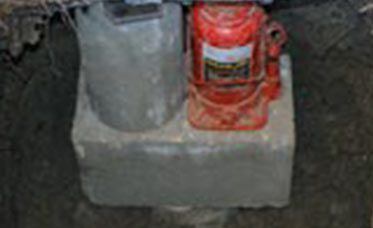
One widely used approach is installing piers along the perimeter and sometimes beneath interior load-bearing walls. Technicians excavate access points, drive or pour piers down to a stable depth, and then carefully lift and level the structure using hydraulic jacks. This process not only halts further settlement but can often reverse some of the movement, closing cracks and realigning doors and windows. The goal is to create a more uniform, supportive base that resists the seasonal expansion and contraction of North Texas soils.
Stabilization sometimes goes beyond lifting. In areas where the soil is particularly volatile, additional measures like soil injection, improved drainage systems, or root barriers near large trees may be recommended. Dalrock Foundation Repair evaluates the whole picture: the foundation type, the soil profile, and the patterns of movement. By combining structural supports with site improvements, they aim to provide long-term stability rather than a quick fix that will fail the next time the weather changes dramatically.
Long-Term Benefits Of Repairing Now
Delaying foundation repair can be tempting, especially when the signs seem minor or life is busy. However, the longer a foundation problem goes unaddressed, the more expensive and invasive the repair can become. Early intervention often means fewer piers, less lifting, and reduced collateral damage to plumbing, walls, and finishes. Addressing issues promptly helps stabilize your home before cracks widen, floors sag further, or structural components become severely misaligned.
There is also a clear financial upside to timely foundation repair. In the Dallas real estate market, buyers and inspectors are highly alert to foundation issues. A documented repair by a reputable company like Dalrock Foundation Repair can actually make a home more attractive to buyers than a similar property with visible, unresolved problems. Lenders and insurers may also look more favorably on homes with known and corrected structural issues rather than lingering, undocumented concerns.
Beyond cost and resale value, there is the day-to-day experience of living in a stable home. Doors that shut smoothly, floors that feel solid and level, and walls free of widening cracks all contribute to a sense of comfort and security. Proper foundation repair also helps protect other systems in your home, such as plumbing lines that can break when the slab shifts or roofing that can be stressed by structural distortion. Stability at the foundation level supports the health of the entire building.
Choosing The Right Partner In Dallas
Improving home stability with foundation repair is as much about who does the work as it is about the methods they use. In a region like Dallas, where foundation issues are common, it is crucial to work with a company that focuses specifically on these problems and understands local soil behavior. Dalrock Foundation Repair brings that local expertise, along with experience across different neighborhoods, home ages, and foundation types.
When evaluating a foundation repair contractor, homeowners should look for clear, detailed inspections rather than quick, one-size-fits-all quotes. A thorough evaluation includes interior and exterior observations, elevation measurements, and an assessment of drainage and landscaping. The repair plan should explain which areas of the home need support, what type of piers or systems will be used, and how the work will be staged to protect your property during the process.
Transparency about costs, timelines, and expectations is equally important. Foundation repair is a significant investment, and homeowners deserve honest communication about what is necessary for lasting stability versus what might be optional or cosmetic. Reputable companies in Dallas will explain the reasoning behind their recommendations, answer questions about options like steel versus concrete piers, and provide information about warranties. If you are researching options and wondering about pricing, you may come across resources such as concrete pier foundation cost to better understand potential budget ranges.
Frequently Asked Questions
How do I know if my home really needs foundation repair? The only definitive way to know is through a professional inspection, but certain signs strongly suggest the need for evaluation. These include cracks in walls or brick, doors or windows that stick, uneven floors, gaps around frames, and visible separation between the foundation and other parts of the structure. In Dallas, where soil movement is common, even a combination of small symptoms can point to an underlying issue. Dalrock Foundation Repair can assess whether what you are seeing is normal settling or a problem that requires structural intervention.
Is foundation repair going to damage my yard or landscaping? Any structural repair that involves excavation will have some impact on your yard, but experienced contractors work to minimize disruption. Typically, soil is removed in targeted areas where piers are installed, and landscaping such as shrubs or small plants may be temporarily moved. After the work is complete, the soil is backfilled and graded, and many homeowners are able to restore their landscaping over time. Dalrock Foundation Repair plans access points carefully and communicates what to expect so you can prepare and protect any valuable plants or features.
Will foundation repair stop all future movement of my home? No repair can completely eliminate natural soil movement, especially in a climate like North Texas. However, properly installed foundation supports significantly reduce harmful settlement and heaving by transferring the home’s weight to more stable strata. The goal is to stabilize the structure so that any remaining movement is minimal and does not cause ongoing damage. Combined with good drainage and moisture management, professional repairs greatly improve long-term stability.
How long does a typical foundation repair project take? The timeline depends on the size of the home, the number of piers required, and site conditions. Many residential projects in the Dallas area can be completed in a few days to a week, though more complex jobs may take longer. The process includes excavation, pier installation, lifting and leveling, and final cleanup. Dalrock Foundation Repair provides a project schedule in advance so you know what will happen each day and how it may affect access to your home or driveway.
Is foundation repair worth the cost if I plan to sell my home? In most cases, yes. Buyers in Dallas are accustomed to seeing foundation reports and will often require repairs or price reductions if issues are discovered during inspection. Completing foundation repair before listing your home can strengthen your negotiating position, reduce the chance of surprises during the sale process, and broaden the pool of interested buyers. A documented repair with a transferable warranty from a trusted company like Dalrock Foundation Repair can add confidence and value to your property.