
The first sign was a faint crack running at an angle from the corner of the living room window. A few months later, doors started sticking after a rainy week, and the dining room floor no longer felt completely level. For many Dallas homeowners, this story is familiar: shifting clay soil, periods of intense drought followed by heavy storms, and years of normal settling start to show up in the most important part of the home you rarely see – the foundation. When repairs are finally made, it can feel like the problem is solved for good. But without the right maintenance after foundation work, those same issues can creep back in, sometimes faster than before.
Essential maintenance for proper foundation repair is not just about protecting the money you invested in piers, pilings, or slab adjustments. It is about keeping your entire home stable, preventing new structural damage, and giving your repair system the best chance to perform as designed for decades. Companies like Dalrock Foundation Repair in Dallas, TX can restore a failing foundation, but the long-term success of that repair depends heavily on what happens afterward: how you manage moisture, landscaping, drainage, and everyday conditions around your home.
In North Texas, where expansive clay soils swell and shrink dramatically with weather changes, maintenance is not optional; it is part of responsible homeownership. Understanding what your foundation needs after repair, and building simple habits to meet those needs, can mean the difference between a one-time fix and a recurring, costly problem. The goal is not perfection, but consistency: consistent moisture, consistent drainage, and consistent monitoring.
Understanding Your Repaired Foundation
Before you can maintain a repaired foundation properly, you need to understand what was done and why. Foundation repair in Dallas often involves installing support systems such as concrete or steel piers, drilled piers, or other structural elements under your slab or beam-and-pier foundation. These are designed to transfer the weight of your home to more stable soil or bedrock, reduce movement, and bring the structure back toward level. Dalrock Foundation Repair typically provides a clear explanation of the repair design, including where supports were placed and what kind of performance you should expect over time.
Even after repair, it is important to remember that your home is still sitting on expansive North Texas clay. The piers or supports help control movement, but they do not eliminate the natural tendency of the surrounding soil to swell and shrink with moisture changes. This means that your maintenance focus should be on keeping the environment around the foundation as stable as possible, so the soil is not constantly fighting the repair system. A repaired foundation is stronger and more resilient, but it is not immune to neglect.
Another key point is that some minor adjustments in the months after repair can be normal. As the structure settles onto its new supports and the soil responds to recent changes, very small movements may occur. Regular observation allows you to distinguish between normal post-repair behavior and signs that something is going wrong. Keeping your documentation from Dalrock, including repair diagrams and warranties, helps you track what was done and provides a reference if you need to call with questions later.
Moisture Management Around The Home
In Dallas, moisture control is the single most critical aspect of maintaining a repaired foundation. Expansive clay soils react dramatically to changes in moisture content: they swell when wet and shrink when dry. This constant expansion and contraction exerts pressure on your slab or pier-and-beam system, even if it has been professionally repaired. The objective of good maintenance is not to keep the soil perfectly dry or saturated, but to keep moisture levels as consistent as possible throughout the year.
One effective strategy is using a controlled watering plan around the perimeter of your home. Many Dallas homeowners install soaker hoses placed 12–18 inches away from the foundation, running them at low pressure to avoid pooling water. The idea is to gently add moisture during extended dry spells so the soil does not pull away from the foundation or shrink excessively. This is especially important after a foundation repair, when the system is calibrated based on existing soil conditions. Sudden, extreme drying can disturb that balance.
Equally important is avoiding overwatering. Sprinkler systems that saturate the soil directly against the foundation can cause the opposite problem: the soil swells, pushes against the slab, and can lead to differential movement between areas. Adjust sprinkler heads so they water the lawn and beds, not the foundation wall itself. Check for broken sprinkler lines or leaks, especially in older systems, since hidden leaks can create localized soft spots that undermine your repair.
Drainage, Gutters, And Grading
Water that does not drain properly away from your home is one of the fastest ways to compromise a repaired foundation. In heavy North Texas storms, thousands of gallons of water can fall on your roof and yard within hours. If that water collects near the base of your house instead of being directed away, it can saturate the soil, erode support, and create uneven conditions around the foundation. Dalrock Foundation Repair often recommends evaluating drainage as part of a comprehensive repair plan, but homeowners must maintain and improve those systems over time.
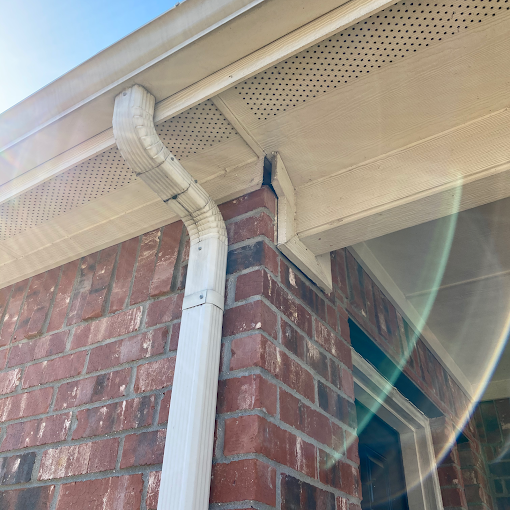
Gutters and downspouts are your first line of defense. Clean gutters at least twice a year, and more often if trees overhang the roof. Clogged gutters overflow, dumping water right next to the foundation. Downspouts should discharge several feet away from the home, ideally on a slope that carries water farther downhill. Extension pipes or splash blocks are inexpensive but extremely effective in keeping water from pooling at the base of your walls. After every major storm, take a walk around your property to see where water is actually going; ponding near the house is a sign that adjustments are needed.
Grading, or the slope of the soil around your home, is equally important. The ground should gently slope away from the foundation on all sides so gravity naturally moves water away. Over time, mulch, landscaping changes, soil erosion, and even pets can alter this slope, creating low spots where water collects. Periodically check the grade and add soil where necessary to restore a positive slope away from the structure. Be mindful of how added soil affects siding, brick, and weep holes; you want to raise low areas without burying parts of the exterior that are designed to remain exposed.
Landscaping Choices And Tree Management
Landscaping can either support your foundation maintenance or quietly undermine it. Large trees and thirsty shrubs planted too close to the home can draw significant moisture out of the soil, especially during Dallas summers when rainfall is limited. As roots pull water from the ground, the soil shrinks, potentially causing one side of the house to settle differently than another. After a foundation repair, this kind of uneven moisture withdrawal can work against the stabilization you just paid for.
Ideally, large trees should be planted far enough from the home that their mature root systems do not extend heavily under the foundation. For existing trees that are already near the structure, maintenance becomes a balance: you do not want to remove all vegetation and leave bare soil, but you do want to manage water demands. Regular, deep watering of trees during drought can reduce their need to pull moisture aggressively from the soil under your slab. In some cases, a root barrier installed by professionals can help redirect roots away from the foundation zone.
Smaller landscaping choices matter too. Dense plantings or beds that require frequent watering directly against the foundation can create chronically wet conditions. Consider using drought-tolerant plants a few feet away from the home and installing drip irrigation systems that deliver water precisely, rather than soaking the entire area. Mulch can help moderate soil temperature and moisture loss, but it should not be piled high against the foundation wall, as this can trap moisture and invite pests. Thoughtful landscaping is part of a long-term strategy to keep the soil around your home stable and predictable.
Interior Habits And Ongoing Monitoring
Maintenance for a repaired foundation is not limited to the exterior. What happens inside the home can also influence how the structure behaves over time. For example, significant plumbing leaks under the slab or inside walls can saturate the soil in one area and destabilize it. Regularly checking your water bill for unexpected spikes, listening for running water when fixtures are off, and having periodic plumbing inspections can help catch issues early. In older Dallas homes, under-slab plumbing lines are especially important to monitor after foundation work.
Indoor humidity control also plays a role. Extreme indoor humidity fluctuations can affect wooden framing, flooring, and doors, exaggerating the appearance of movement even when the foundation is relatively stable. Using dehumidifiers in damp seasons, maintaining your HVAC system, and ensuring proper ventilation in crawl spaces under pier-and-beam homes can all contribute to a more stable environment. For homes with crawl spaces, routine inspections for standing water, damaged vents, or inadequate vapor barriers are essential.
Most importantly, adopt the habit of simple, consistent monitoring. Walk the perimeter of your home every few months and look for new cracks in brick, gaps between windows and walls, or changes in the way doors and windows operate. Inside, pay attention to diagonal cracks above doors, new separations in crown molding, or floors that feel more uneven than before. Keep a small notebook or digital log of what you notice and when. If you see patterns or rapid changes, contact a professional like Dalrock Foundation Repair to evaluate whether the issue is cosmetic or structural.
Working With Your Repair Partner Over Time
When you hire a specialist such as Dalrock Foundation Repair in Dallas, TX, you are not just purchasing a one-time service; you are starting an ongoing relationship with a company that understands your home’s soil conditions and structural history. Many reputable foundation repair firms offer warranties on their work, and those warranties often depend on reasonable homeowner maintenance. Following the guidance given at the completion of your repair protects both your investment and your warranty coverage.
Do not hesitate to ask detailed questions when the work is done. Request a clear explanation of which areas were lifted or stabilized, what type of support system was used, and what signs you should watch for in the future. Ask specifically about moisture management, tree placement, and drainage improvements that might be beneficial for your particular lot. Having this conversation while the work is fresh in everyone’s mind makes it easier to tailor your maintenance plan to your home rather than relying on generic advice.
Over the years, re-engage your foundation repair partner if you plan major changes that could affect the structure. Projects such as adding a room, installing a pool, regrading the yard, or removing large trees can all impact the way your foundation interacts with the soil. A quick consultation before you make big changes can prevent unintended consequences. Combining professional structural support with homeowner-led maintenance and informed planning is the most reliable way to keep your home level, safe, and comfortable for the long term, whether you are concerned about cracks now or planning proactive foundation leveling in the future.
Frequently Asked Questions
How soon after foundation repair should I start maintenance? Maintenance should begin immediately after the repair is complete. As soon as Dalrock Foundation Repair finishes work on your Dallas home, you should verify that gutters are clear, downspouts are extended, and soil slopes away from the house. Within the first few weeks, establish a consistent watering routine appropriate for the season, especially during dry periods. Early attention helps the soil adjust more gently to the new support system and reduces the risk of sudden, uneven movement.
Do I really need to water around my foundation in Dallas? In North Texas, controlled watering around the foundation is often necessary, particularly during long stretches of hot, dry weather. The goal is not to keep the soil wet, but to prevent it from shrinking excessively and pulling away from the foundation. Using soaker hoses or drip systems at low pressure, a foot or more away from the foundation, can help maintain more even moisture levels. Always adjust watering based on rainfall and be cautious not to create standing water against the house.
Can trees near my home damage a repaired foundation? Yes, large trees planted too close to the house can stress even a repaired foundation. Their root systems draw moisture from the soil, which can cause localized drying and shrinkage under parts of the slab or piers. If you already have mature trees near your Dallas home, work with a professional to manage watering and consider root barriers if recommended. Removing trees is not always necessary, but ignoring their impact on soil moisture can undermine your foundation maintenance efforts.
What signs should I watch for after foundation repair? After repair, monitor for new or widening cracks in walls or brick, doors or windows that suddenly begin sticking, separations at trim or baseboards, and noticeable changes in floor level. Some very minor cosmetic shifts can occur as the house adjusts to its new supports, but rapid or significant changes should be evaluated. Keep a record of what you see and when, and contact Dalrock Foundation Repair if you are unsure whether a change is normal or a sign of a problem.
How often should my foundation be re-checked by a professional? In most cases, a full professional evaluation is not needed every year, but having a foundation specialist re-check your home every few years, or any time you notice concerning changes, is wise. If you plan major landscaping, grading, or structural projects, schedule a consultation beforehand. Regular homeowner inspections paired with periodic professional assessments create a strong maintenance plan that protects your repaired foundation and helps you address issues early, before they become costly.