
Most homeowners do not wake up thinking about their foundation, yet it silently supports everything you care about inside your house. When something goes wrong beneath the surface, the earliest warnings rarely look dramatic. They show up as hairline cracks, sticky doors, or a floor that “just feels off” when you walk across it. In a fast-growing, soil-sensitive area like Dallas, TX, recognizing the top signs of foundation problems early can be the difference between a manageable repair and a major structural overhaul.
North Texas is notorious for its expansive clay soils, dramatic temperature swings, and periods of intense drought followed by heavy rains. All of these conditions cause the ground under your home to swell, shrink, and shift. As that movement transfers to your foundation, subtle clues begin to appear inside and outside your home. Learning what to watch for – and what cannot be ignored – empowers you to act quickly and protect your investment. Dalrock Foundation Repair has seen every stage of foundation distress in the Dallas area, and the pattern is consistent: the earlier homeowners spot warning signs, the more options they have and the less it costs to fix.
This guide walks through the most common red flags of foundation trouble, explains why they matter, and helps you separate mild cosmetic issues from problems that signal deeper structural movement. Whether you own a historic Dallas bungalow or a newer slab-on-grade home in the suburbs, understanding these signs now can save you from expensive surprises later.
Cracks That Tell A Story
Cracks are often the first thing people associate with foundation problems, but not every crack is a cause for panic. Homes naturally settle over time, and minor hairline cracks can appear in drywall or brick without indicating serious damage. The key is to pay attention to the size, pattern, and location of the cracks. In the Dallas area, where shifting clay soil is common, recurring or widening cracks deserve a closer look because they may reflect ongoing movement beneath the foundation.
Inside your home, keep an eye on cracks that form above doorways, around window frames, and where walls meet ceilings. Diagonal cracks that run at a 45-degree angle from the corners of doors and windows are especially suspicious. These often signal that one part of the foundation is moving differently than another, placing stress on the frame of the house. If you notice a crack that keeps returning after you patch and paint, or one that grows wider than the thickness of a nickel, it is time to have a professional evaluation.
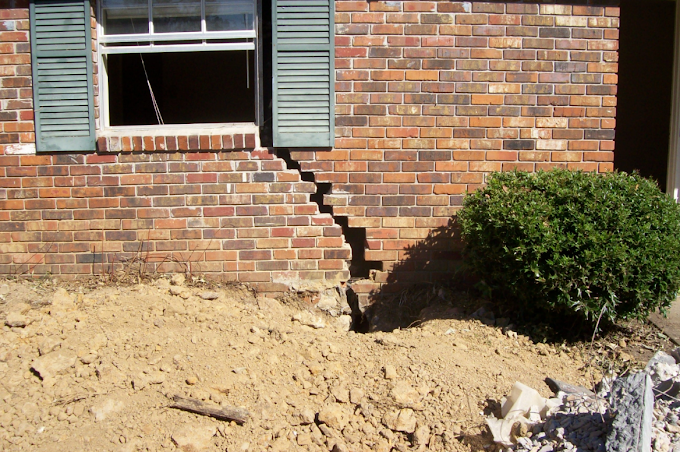
On the exterior, inspect your brick or stone veneer. Stair-step cracks along the mortar joints, or long horizontal cracks in the brickwork, can indicate foundation movement. You might also see separation between bricks and window frames, or gaps opening where walls meet the foundation. While a single hairline mortar crack might be harmless, multiple stair-step cracks or large gaps are classic signs that the structure is shifting. Dalrock Foundation Repair technicians routinely use these exterior clues, combined with elevation measurements, to map out how the foundation is moving and where stabilization is needed.
Doors, Windows, And Sticking Frames
When a foundation begins to move, the frame of the house twists ever so slightly, and doors and windows are usually the first to complain. A door that once opened smoothly may begin rubbing against the frame or dragging on the floor. You might find yourself forcing it closed or noticing that the latch no longer lines up. While humidity can cause wood to swell seasonally, persistent sticking, especially in specific areas of the home, is often a sign that the underlying structure is out of alignment.
Windows tell a similar story. If your windows become difficult to open or close, or if you see gaps between the window frame and the wall, the foundation may be shifting unevenly. In some Dallas homes, homeowners notice daylight peeking through the top or bottom corners of window frames, or feel drafts where the frame has pulled away from the wall. Over time, this can not only indicate structural issues but also impact energy efficiency and indoor comfort.
Another subtle but important clue is misaligned hardware. Door latches that no longer catch, deadbolts that no longer line up, or locks that suddenly require extra force can reflect small changes in the building’s geometry. When Dalrock Foundation Repair inspects a property, technicians often walk room to room testing doors and windows, because these everyday items act like gauges for how the structure is moving. If several doors or windows in one area of your home are sticking or misaligned, it is a strong signal that the foundation beneath that section is experiencing stress.
Uneven Floors And Sloping Surfaces
Most people expect their floors to feel solid and level, so when a slope or dip appears, it quickly raises concern. However, changes in the floor are not always obvious to the eye. You may first notice it when a chair rolls in one direction on its own, or when a marble placed on the floor refuses to stay put. In slab-on-grade homes common around Dallas, a foundation that settles or heaves can cause parts of the slab to tilt, translating into uneven flooring throughout the house.
Pay attention to how the floor feels as you walk. Do you sense a gentle slope from one side of a room to another, or does one area feel like a low spot? In pier-and-beam homes, you might notice bouncy or springy floors, which can indicate that piers are shifting or beams are no longer fully supported. In slab homes, tile or wood flooring may begin to separate, buckle, or crack along lines where the underlying concrete has moved. These changes often happen slowly over time, which is why homeowners sometimes dismiss them as quirks of an older house.
Dalrock Foundation Repair uses specialized equipment to measure floor elevations throughout a property, creating a detailed map of high and low points. This data reveals whether the floor variations are minor and cosmetic or part of a larger pattern of foundation settlement or upheaval. If you suspect your floors are no longer level, it is wise to document when you first noticed the issue and whether it seems to be getting worse. Early intervention can prevent more serious structural strain and costly interior repairs down the line.
Gaps, Separations, And Space Where It Shouldn’t Be
One of the most revealing signs of foundation movement is the appearance of gaps in places that used to fit tightly together. These separations can show up around the exterior of your home as well as inside. Outside, look for spaces between the foundation and the soil, gaps between the siding or brick and the foundation, or a visible separation between attached structures such as garages or porches and the main house. In the shifting soils of Dallas, it is not unusual for a porch slab or driveway to settle differently from the main foundation, but significant separation should not be ignored.
Inside the home, you might notice trim pulling away from walls, baseboards separating from the floor, or crown molding developing cracks at the corners. Doors and window casings may show visible gaps at the top while remaining tight at the bottom, or vice versa. In some cases, you can even see daylight at the bottom of exterior doors because the frame has become distorted. These changes do not happen overnight; they develop as the foundation shifts and the structure above struggles to adapt.
Another area to watch is where walls meet ceilings. If you see a gap forming along that joint, especially in one section of the home, it can indicate that part of the house is moving independently. Dalrock Foundation Repair often finds that homeowners first notice these separations when repainting or doing minor renovations, only to realize that the gaps have grown since the last time they worked on the space. When multiple separations appear together, they form a pattern that points strongly toward foundation movement rather than simple cosmetic aging.
Moisture, Drainage, And The Soil Around Your Home
In North Texas, water is one of the biggest influences on foundation health. Extended dry spells cause expansive clay soils to shrink and pull away from the foundation, while sudden heavy rains make that same soil swell and push against it. Over time, these cycles of expansion and contraction can create significant stress. That is why some of the top signs of foundation problems are actually found in your yard and around the base of your house rather than inside.
Walk around your home after a rainstorm and observe how water behaves. Do you see standing puddles against the foundation? Does water flow toward the house instead of away from it? Poor drainage can saturate the soil, leading to erosion, settlement, or heaving. Conversely, wide gaps between the soil and the foundation during dry periods can signal that the ground is shrinking excessively. Both extremes can destabilize the foundation. Addressing these issues with grading improvements, gutters, and water drainage correction is often an important part of a comprehensive foundation solution.
Inside the home, look for signs of moisture intrusion that may be associated with foundation movement. Cracks in the slab can allow water to seep into basements or crawl spaces. You might find dampness, musty odors, or visible mold growth in lower levels or along baseboards. In some cases, plumbing lines embedded in the slab can break due to shifting, leading to hidden leaks that further soften the soil beneath the foundation. Dalrock Foundation Repair frequently coordinates with plumbers and drainage specialists in Dallas, TX to ensure that both structural and moisture issues are addressed together, giving the foundation a more stable environment for the long term.
When To Call A Professional
Not every crack, squeak, or sticky door means your home is in structural trouble. Houses are complex systems, and many minor issues are simply part of normal aging. However, when you start to see several of the signs discussed above appearing together – cracks, sticking doors, uneven floors, separations, and drainage problems – it is wise to get an expert opinion. Waiting to “see if it gets worse” can allow relatively small foundation issues to grow into major structural problems that are more disruptive and expensive to repair.
A professional foundation evaluation in Dallas typically includes a visual inspection, elevation readings, and an assessment of drainage and soil conditions. Dalrock Foundation Repair uses these tools to determine whether the foundation is stable, settling, or heaving, and to identify which areas are most affected. In many cases, homeowners are relieved to learn that their issues are minor and can be monitored over time. In others, early detection allows for targeted repairs that stabilize the foundation before more extensive damage occurs.
Most importantly, a trusted foundation specialist will explain the findings in plain language and outline your options, from simple maintenance steps to more substantial structural repairs. Whether you need pier installation, leveling, or drainage improvements, understanding the situation clearly helps you make informed decisions. In a region like Dallas, TX where soil movement is a fact of life, partnering with an experienced company like Dalrock Foundation Repair gives you a long-term ally in protecting your home’s structural health.
Frequently Asked Questions
How can I tell if a crack is serious or just cosmetic? The size, pattern, and behavior of a crack are more important than the fact that it exists. Hairline cracks that do not change over time and run straight along drywall seams are often cosmetic. Cracks that are wider than a nickel, run diagonally from door and window corners, or that keep reopening after repairs may indicate ongoing foundation movement. Exterior stair-step cracks in brick or mortar, especially when combined with other signs like sticking doors or sloping floors, are strong reasons to call a foundation professional.
Are foundation issues common in Dallas, TX? Yes, foundation problems are relatively common in Dallas and the surrounding North Texas region due to the prevalence of expansive clay soils and variable weather patterns. Long dry spells, heavy rains, and temperature swings cause the soil to expand and contract, which puts stress on foundations. While not every home will experience serious issues, many will show some signs of movement over time. Regularly checking for the warning signs outlined in this article and addressing drainage and moisture control can greatly reduce your risk.
Will foundation repair damage my yard or landscaping? Any structural repair that involves accessing the perimeter of your foundation will require some excavation, which can temporarily disturb landscaping. However, reputable companies like Dalrock Foundation Repair take care to minimize disruption and restore the work area as much as possible once repairs are complete. In many cases, shrubs or small plants can be temporarily removed and replanted. The long-term stability of your home typically outweighs the short-term inconvenience to landscaping, and thoughtful planning can keep the impact manageable.
How long can I wait after noticing signs of foundation problems? The safest approach is not to wait at all once you notice multiple warning signs or see rapid changes, such as cracks that widen over a few months or doors that suddenly stop closing properly. Foundation issues rarely fix themselves and often worsen over time as soil conditions and moisture levels continue to fluctuate. An early inspection does not obligate you to immediate repairs, but it does give you a clear picture of what is happening and whether action is needed soon. Delaying can limit your options and increase costs.
What should I expect during a foundation inspection? During a typical inspection, a foundation specialist will walk through the interior and exterior of your home, noting visible signs such as cracks, separations, and sticking doors or windows. They will usually take elevation readings across the floors to identify high and low points, and they will evaluate drainage, gutter systems, and soil conditions around the property. After gathering this information, they will explain their findings, discuss whether the foundation is stable or moving, and recommend any needed repairs or monitoring. With Dalrock Foundation Repair in Dallas, TX, homeowners can expect a clear, honest assessment and time to ask questions about options and next steps.