
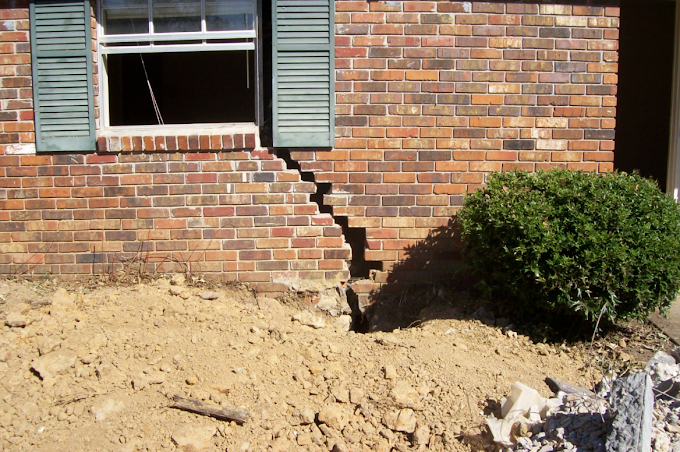
Revive Your Foundation: Foundation Repair with Steel Piers
North Texas soil is tough on homes. In the Dallas area, expansive clay shrinks during our long dry spells and swells again after heavy rains. That constant movement puts enormous stress on concrete slabs and pier-and-beam foundations. It’s why so many homeowners here notice doors sticking, cracks creeping across walls, or patios pulling away from the house long before they think about calling a foundation repair company.
The reality is sobering: engineers estimate that more than half of homes in North Texas will experience some form of foundation movement during their lifetime. Left alone, that movement can lead to costly structural damage, plumbing breaks, and a real hit to your home’s value.
This guide explains how steel piers can permanently stabilize your home, how they compare to concrete piers, and how proper drainage correction keeps those repairs working for the long haul. You’ll see what to watch for, what realistic foundation repair cost looks like in Dallas, and how experienced contractors approach long-lasting repairs.
Key Insight: In Dallas’ expansive clay soils, steel pier underpinning offers one of the most stable, long-term solutions for homes experiencing significant settlement—especially when paired with smart drainage correction.
Why Dallas Homes Settle – And Why Steel Piers Are Different
Dallas sits on highly expansive clay soils that swell with moisture and shrink in drought. That constant volume change causes uneven support under your slab, and over time the home can tilt, bow, or drop in sections. This is what we call differential settlement, and it’s the main driver behind the need for residential foundation repair.
Common signs include:
- Diagonal cracks above doors and windows
- Gaps between brick and window frames
- Floors that feel uneven or “sloped”
- Doors that won’t latch or rub the frame
Traditional concrete pier foundation repair relies on shallow piers that rest in the upper layers of soil—the same layers that are constantly expanding and contracting. Steel piers, by contrast, are driven deep into stable strata well below the active clay zone. That depth is what makes them so reliable in our region.
“Deep steel piers are designed to bypass the problem soil and transfer the load to competent bearing strata.” — Local Structural Engineer
A Dallas homeowner in Richardson, for example, noticed a 1.5-inch drop along the back of his house. After a structural assessment, the decision was made to install steel piers along the rear and side walls. The piers were driven more than 25 feet until they reached load-bearing resistance. Once in place, technicians lifted the structure carefully, restoring doors, windows, and interior finishes to near-original alignment.
Steel piers aren’t just “stronger” materials—they fundamentally change where your home gets its support. That’s a critical difference in North Texas soils.
How Steel Pier Foundation Repair Works, Step by Step
Understanding the process behind steel pier foundation repair helps you evaluate bids and ask the right questions. While each home is different, reputable foundation repair contractors in Dallas follow a similar methodology.
Typical Steel Pier Installation Process
1. Assessment and Elevation Survey
A technician or engineer documents signs of movement and takes elevation readings across the home to map how far and where the structure has settled.
2. Pier Layout and Planning
Based on load paths and problem areas, the team designs a pier layout along the exterior—and sometimes interior—beam lines.
3. Excavation and Bracket Placement
Small access holes are dug along the foundation beam. Steel brackets are attached to the footing to transfer the home’s weight to the pier system.
4. Driving Steel Piers
Interlocking steel segments are hydraulically driven into the ground until they reach a predetermined resistance, indicating competent bearing soil or bedrock.
5. Lift and Level
Using synchronized hydraulic jacks, the crew gradually lifts the structure, monitoring cracks, doors, and windows as they go. This is the heart of foundation leveling.
6. Lock-Off and Cleanup
Once the desired lift is achieved, the piers are locked in place and the excavations backfilled. Landscaping is restored as closely as possible.
A recent project in Plano involved a 1970s slab home with a 2-inch drop along the front. The homeowner had already patched drywall several times. After installing 14 steel piers and performing a controlled lift, the crew closed many of the cracks naturally—no cosmetic work required. Doors that hadn’t latched in years began working properly again.
“Proper pier placement and controlled lifting are just as important as the pier material itself.” — Senior Foundation Specialist, Dalrock Foundation Repair
Steel Piers vs. Concrete Piers: What’s Best for Your Dallas Home?
Both steel and concrete piers are common underpinning methods in North Texas. The right choice depends on your soil conditions, the extent of settlement, budget, and how long you plan to be in the home. Here’s a side-by-side look tailored to our local conditions.
Comparison: Steel Piers vs. Concrete Piers in Dallas
| Feature / Factor | Steel Piers | Concrete Piers |
|---|---|---|
| Typical Depth in Dallas Soils | 20–40+ feet (into stable strata) | 8–12 feet (within active clay zone) |
| Load Transfer | Deep, end-bearing or friction-bearing | Shallow, friction-bearing |
| Best For | Significant settlement, long-term stability | Moderate settlement, budget-conscious repairs |
| Typical Steel Pier Foundation Cost | Higher per pier, fewer piers often needed | Lower per pier, may need more piers |
| Installation Time | Often 1–3 days for average home | Similar timeline, sometimes faster on small jobs |
| Long-Term Performance in Expansive Clay | Excellent when properly installed | More variation due to soil movement |
| Structural Impact | Strong, adjustable, excellent for precision leveling | Good, but less precise on deeper movement |
\Actual steel pier foundation cost or concrete pier foundation cost depends on pier count, access, and structural requirements.
For a Dallas homeowner in Garland with a 40-year-old brick home, the front corner had dropped nearly 3 inches. After reviewing the soil report and long-term plans, the owner chose steel piers along the front and concrete piers in less-affected side areas to optimize both performance and budget.
Many concrete pier foundation contractors still provide excellent results for mild settlement or where depth requirements are limited. However, when a home shows ongoing movement or sits on particularly problematic clay, deep steel pier underpinning often provides better long-term value.
“Think of steel piers as a long-term investment in your home’s structural health, especially in high-movement soils like we see across Dallas and Collin counties.” — Foundation Repair Specialist
The Hidden Partner: Drainage Correction and Foundation Stability
Even the best pier system can be undermined—literally—by poor drainage. In Dallas, heavy thunderstorms followed by long dry periods create extreme moisture swings in the soil. That’s why experienced contractors often recommend drainage correction alongside structural foundation repair.
How Poor Drainage Damages Your Foundation
When water collects near your foundation:
- Clay soils swell, pushing against the slab or beams
- Erosion can wash out support under specific areas
- Standing water increases hydrostatic pressure on walls
- Repeated wet/dry cycles accelerate differential settlement
A Lake Highlands homeowner called about recurring cracked foundation repair needs. Every few years, new cracks appeared in the same part of the house. The root cause? A backyard slope that funneled roof runoff directly to one corner of the home. After installing surface drains, regrading, and adding a French drain system, the movement slowed dramatically—and a limited set of piers finally held stable.
Common drainage problems around foundation include:
- Downspouts discharging too close to the slab
- Negative grading (soil sloping toward the house)
- Planter beds trapping water against brick or siding
- Poorly installed French drains that clog or back up
Effective yard drainage correction might involve surface drains, swales, extended downspouts, or subsurface drain lines. The goal is simple: keep moisture levels as consistent as possible around your foundation so your piers and structure aren’t constantly fighting soil movement.
Real-World Results: Case Studies from Around Dallas
Seeing how repairs play out in real homes can make the process less abstract. Here are a few examples of house foundation repair projects using steel piers and related services in the Dallas area.
Case Study 1: East Dallas Slab with Severe Front Settlement
- Problem: 1960s home with a 3-inch front drop, large stair-step cracks in brick, and multiple misaligned doors.
- Solution: Installation of 18 steel piers along the front and partial sides, plus targeted drainage correction services to redirect roof runoff.
- Outcome: Elevations improved within tolerance, cracks closed significantly, and interior doors began operating normally. Follow-up checks showed stable readings across multiple seasons.
“After the lift, our front door finally closed without slamming, and the cracks above the windows almost disappeared.” — East Dallas Homeowner
Case Study 2: Plano Home Combining Concrete and Steel Piers
- Problem: Moderate settlement on one corner and mild movement along the side, primarily driven by tree roots and soil shrinkage.
- Solution: Mix of concrete pier foundation installation on the less-affected side and steel piers at the severely settled corner.
- Outcome: The hybrid approach balanced cost and performance, preserving long-term stability where it mattered most while keeping the cost of foundation repair manageable.
Case Study 3: Garland Home with Chronic Drainage Issues
- Problem: Repeated interior cracking and uneven floors despite previous cosmetic repairs. Standing water near the rear patio after storms.
- Solution: Comprehensive water drainage correction plan—surface drains, gutter extensions, and regrading—combined with strategic pier installation.
- Outcome: Structural movement slowed dramatically. After one full wet/dry cycle, no new cracking was observed.
These stories share a common thread: successful foundation settling repair in Dallas rarely relies on a single tactic. It’s usually a tailored combination of pier type, layout, and drainage improvements based on the home’s unique conditions.
What Goes Into a Quality Foundation Repair Estimate?
If you’ve started searching for foundation repair near me, you’ve probably already seen how widely prices and recommendations can vary. Understanding what goes into a solid foundation repair estimate can help you separate quick fixes from long-term solutions.
Key Elements of a Professional Estimate
- Detailed Elevation Readings
Measurements across the home, not just a “walk-around” opinion.
- Clear Pier Layout
A diagram or description showing how many piers and where they will be installed.
- Pier Type and Depth Expectations
Whether the plan calls for steel piers, concrete piers, or both—and target depths or refusal criteria.
- Scope of Work
Notes on any necessary drainage repair near me, plumbing tests, or cosmetic repairs.
- Warranty Terms
What is covered, for how long, and whether it’s transferable if you sell the home.
In Dallas, typical foundation repair services for a moderate single-story home can range from a few thousand dollars for limited pier work to significantly more for large homes with major settlement. Steel piers generally cost more per unit than concrete piers, but their performance in deep clay can mean fewer repairs over the life of the home.
“Homeowners should be comparing scope and methodology, not just bottom-line price.” — Project Manager, Dalrock Foundation Repair
Long-Term Protection: Maintenance, Monitoring, and When to Call for Help
Even after a high-quality steel pier foundation installation, your home still lives in Dallas clay. The goal is to minimize new movement and catch small changes before they become major problems.
Smart Maintenance Practices
- Monitor Cracks and Doors
Take photos of existing cracks and note door operation after repairs. If you see sudden changes, call your contractor.
- Maintain Gutters and Downspouts
Keep them clear and ensure downspouts discharge well away from the foundation.
- Watch Landscaping
Large trees close to the slab can pull moisture from the soil. Work with a professional to manage root systems if needed.
- Preserve Grading
Soil should slope gently away from the home. Avoid creating low spots or dams with new patios, walkways, or beds.
For a homeowner in Carrollton, a simple gutter cleaning and regrading project prevented the need for additional piers after an initial repair. By keeping water away from the previously affected corner, the soil stayed more consistent and the structure remained stable.
“Think of your foundation repair as the foundation of a plan, not a one-time event. Good habits and drainage management protect that investment.” — Foundation Inspector
If you notice new or worsening signs—fresh cracks, changes in floor slope, or doors that suddenly stick—reach out to your original contractor first. Reputable foundation repair specialists will review the situation, check pier performance, and determine whether warranty work or additional measures are needed.
What This Means for Homeowners in Dallas, TX
Living and owning property in Dallas means living with expansive clay. That doesn’t have to mean living with constant worry about your foundation, but it does mean you need to be proactive and informed.
Steel piers offer a powerful tool for stabilizing homes that have already experienced significant movement, especially in neighborhoods with older housing stock and maturing trees. When combined with thoughtful land drainage correction and routine maintenance, they can dramatically reduce the risk of recurring structural issues.
For many Dallas homeowners, the decision isn’t whether the foundation will move—it’s whether to address it early while the problem is manageable. Early intervention often means:
- Fewer piers
- Lower overall costs
- Less interior damage to finishes and flooring
- Stronger resale value and smoother inspections
In a competitive real estate market like DFW, a documented, professionally executed foundation repair can actually become a selling point, especially when backed by a strong warranty from a trusted local company.
If you’re seeing warning signs, the next logical step is a professional evaluation—not guesswork. An experienced local team that understands Dallas soils, building practices, and drainage patterns can help you decide whether steel piers, concrete piers, drainage correction, or a combination is right for your home.
Frequently Asked Questions
Q: How do I know if my Dallas home really needs foundation repair or just cosmetic fixes?
A: Hairline cracks alone don’t always signal structural problems, but patterns matter. Diagonal cracks above doors or windows, gaps between brick and window frames, sloping floors, and doors that suddenly start sticking can indicate foundation movement. A professional house foundation repair evaluation in Dallas will include elevation readings across your home to quantify settlement, not just a visual inspection. If the measurements show uneven movement beyond normal tolerances, structural repairs such as steel or concrete piers may be recommended. If the structure is stable, you may only need cosmetic work and better drainage.
Q: Are steel piers always better than concrete piers in Dallas?
A: Not always. Steel piers excel when a home has significant settlement or sits on highly variable soils, because they’re driven deeper into stable layers. However, concrete pier foundation repair can still be effective for mild to moderate movement, especially when budget is a major factor. Many foundation repair specialists design hybrid systems that use steel piers in the worst areas and concrete piers where movement is less severe. The best solution depends on your specific soil profile, structure, and long-term plans for the property.
Q: What affects the cost of foundation repair for my home?
A: Several factors drive the cost of foundation repair in Dallas: the number of piers needed, type of pier (steel vs. concrete), access around the home, whether interior piers are required, and any additional services like plumbing tests or drainage correction services. Homes with extensive settlement or complex layouts will typically require more piers and more labor. A thorough foundation repair estimate should clearly break down pier count, type, and any related work so you can see where each cost comes from and compare bids fairly.
Q: How long does steel pier foundation repair take, and will I need to move out?
A: Most steel pier foundation contractors can complete repairs on a typical single-story Dallas home in one to three days, depending on pier count and access. In most cases, you can stay in your home during the work. The crew will need access around the exterior and sometimes inside for interior piers, but reputable foundation repair contractors work to minimize disruption. You may notice some noise and vibration during the driving and lifting stages, but utilities typically remain in service throughout the project.
Q: Why is drainage correction often recommended with foundation repair?
A: In Dallas’ expansive clay soils, unstable moisture levels are a primary driver of settlement. If water continues to pool near the slab or erode soil under parts of your home, even the best pier system can be stressed over time. That’s why many structural engineers strongly recommend foundation water drainage solutions alongside pier work. Effective poor drainage solutions—like surface drains, swales, and gutter extensions—help keep moisture levels around your home more consistent, protecting your investment in structural foundation repair and reducing the risk of future movement.
Q: Are there signs that my drainage is causing foundation problems?
A: Yes. Persistent standing water near your home after storms, soft or spongy soil along the foundation, mildew or musty odors near exterior walls, and visible erosion channels near downspouts can all signal trouble. Over time, these conditions can contribute to settlement and the need for foundation settling repair. An experienced contractor can assess your property and recommend targeted yard drainage correction or water drainage correction measures to redirect runoff and stabilize moisture around your foundation.
Q: How do I choose the right foundation repair company in Dallas?
A: Look for a locally established firm with strong reviews, clear warranties, and experience with both steel and concrete systems. Ask how long they’ve been operating in North Texas, whether they work with engineers, and if they can provide references from recent jobs. A reputable foundation repair company will offer a detailed written scope of work, explain why they recommend a particular pier type, and discuss drainage repair near me if they see water-related issues. Avoid high-pressure sales tactics and bids that can’t clearly explain how and why they’ll stabilize your home.
Ready to Get Started?
Foundation issues rarely improve on their own in Dallas’ clay soils. The sooner you address them, the more options you have and the more likely you are to control costs. Early intervention with the right combination of steel piers, concrete piers, and drainage correction can prevent minor settlement from evolving into major structural and plumbing problems.
If you’re noticing cracks, uneven floors, or doors that no longer behave like they used to, schedule a professional evaluation. A thorough inspection and clear foundation repair estimate will give you a realistic picture of your home’s condition and the best path forward—whether that’s immediate steel pier underpinning, targeted drainage problems around foundation fixes, or simple monitoring.
Dalrock Foundation Repair has been helping Dallas-area homeowners revive and protect their foundations for years, using proven systems tailored to our unique soils and weather. Reach out today to discuss your concerns, compare options, and put a plan in place that fits your home and your budget.
About Dalrock Foundation Repair
Dalrock Foundation Repair is a locally owned and operated foundation specialist serving Dallas, TX and surrounding communities. With decades of experience in North Texas soils, our team designs and installs both steel and concrete pier systems, as well as comprehensive drainage correction services, for long-term stability. We’re known for honest assessments, detailed scopes of work, and warranties that stand behind our repairs. Learn more about our services and history at Dalrock Foundation Repair’s website.