
Steel Pier Foundation Repair for Stable, Safer Homes
On a hot summer afternoon in Dallas, a homeowner in Plano noticed her doors sticking and new cracks zig-zagging up the dining room wall. Within six months, one side of her home had settled more than an inch. Stories like this are common across North Texas, where expansive clay soils and extreme weather swings make foundations move more than in most parts of the country.
Engineers estimate that over 60% of homes in the Dallas–Fort Worth area will experience some degree of foundation distress during their lifetime. Pair that with the fact that DFW is one of the fastest-growing metro areas in the country, and you get a serious concern for homeowners: structural stability and long-term safety.
This article explains how steel pier foundation repair creates a deeper, more reliable support system under your home. You’ll learn how steel piers work, how they compare to concrete systems, what affects the cost, and how drainage plays into long-term stability. You’ll also see real-world examples from right here in North Texas and get practical guidance on choosing the right solution for your property.
Key Insight: In North Texas soils, properly designed and installed steel pier systems can move the active soil zone out of the equation, offering a more stable and longer-lasting repair than many traditional methods.
Why North Texas Homes Need Deeper, Stronger Support
Dallas–Fort Worth sits on highly expansive clay soils that swell when wet and shrink when dry. The result is constant movement under shallow foundations, especially on slab-on-grade homes. Over time, that movement shows up as cracks, sloping floors, and misaligned doors and windows.
For many homeowners searching for residential foundation repair, the problem isn’t just cosmetic. It’s structural.
“Expansive soils are responsible for more home damage in the U.S. each year than floods, tornadoes, and hurricanes combined.” — American Society of Civil Engineers
In the Metroplex, several factors make this worse:
- Long hot summers that dry out the soil
- Periodic heavy rains that quickly re-saturate the ground
- Irrigation patterns that keep some areas moist while others stay dry
- Ongoing construction and changes in neighborhood drainage patterns
A homeowner in Richardson recently called Dalrock after noticing a ¾” drop along the back wall of her house. An inspection showed classic signs of differential settlement: interior cracks, a sloping kitchen floor, and gaps at the baseboards. Our assessment confirmed that the home’s original shallow footing was bearing on clay that had shrunk away during drought years.
For homes like this, surface-level fixes such as patching cracks or adjusting doors do nothing to address the underlying problem. The structure needs to be supported by something that bypasses the volatile upper soil layers and transfers the load to deeper, more stable strata.
That’s where steel pier foundation repair becomes a powerful, long-term solution.
How Steel Pier Foundation Repair Works Under Dallas Soils
Steel pier systems are engineered to extend far below the shifting clay layer and anchor your home into stronger, more stable soil or bedrock. This makes them especially effective in the Dallas area, where the active zone of soil can be several feet deep.
The Basic Concept
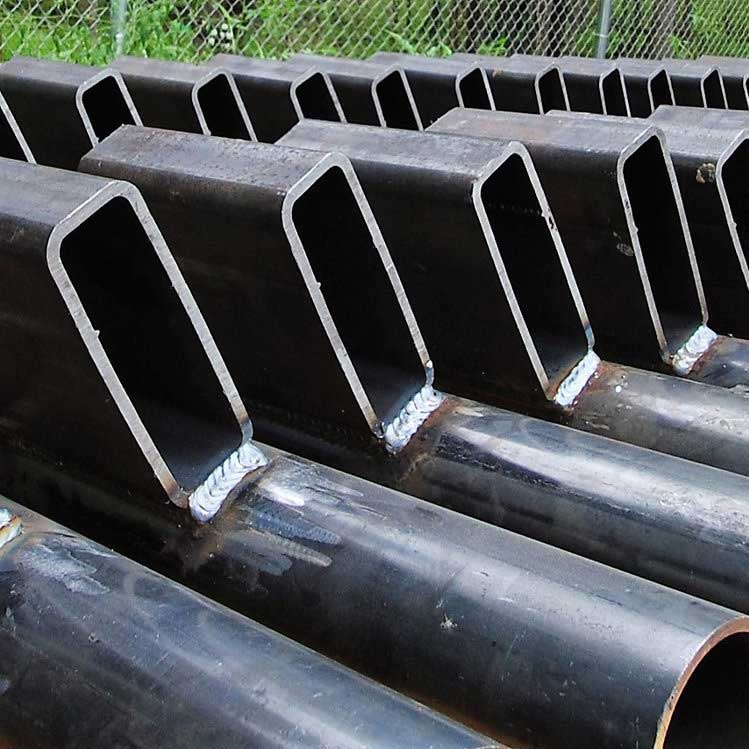
With steel pier foundation repair, high-strength steel sections are driven into the ground, usually hydraulically, until they reach a depth where:
- The soil is dense and stable enough to support the home’s load, or
- Bedrock or a very firm stratum provides a reliable bearing surface
Brackets are then attached to the home’s footing or slab, transferring the weight from the compromised soil to the steel piers. Once the system is in place, technicians can carefully lift and re-level the structure where feasible.
“Think of steel piers as installing new legs under your house that stand on solid ground instead of shifting clay.” — Senior Project Manager, Dalrock Foundation Repair
A Real Dallas Case Study
A homeowner in Lake Highlands had a 1½” drop along the front of his home. He’d already tried patching drywall and adjusting doors, but the issues kept returning. Our team recommended a steel pier foundation installation along the front and side walls.
During installation:
- Steel piers were driven more than 20 feet until they reached competent strata
- Heavy-duty brackets were attached to the footing
- The front of the home was slowly lifted and brought within ¼” of its original elevation
The homeowner immediately noticed doors closing properly again, and follow-up measurements over time showed stable readings.
Steel piers are particularly well-suited to neighborhoods like Frisco, McKinney, and Allen, where newer homes can be heavy and the clay soils are notoriously active. By transferring weight to deeper layers, these systems reduce the impact of seasonal moisture changes that cause so many foundation problems across North Texas.
Steel Piers vs. Concrete Piers: Which Is Right for Your Home?
Many Dallas homeowners hear competing recommendations: some contractors promote steel piers, others prefer concrete piers. Both can be effective when properly designed and installed, but they behave differently in our local soils and at different price points.
Comparing the Two Systems
Here’s a simplified side-by-side look for North Texas conditions:
| Feature / Factor | Steel Piers | Concrete Piers |
|---|---|---|
| Typical Depth in DFW | 15–30+ feet (to load-bearing strata) | 8–12 feet (often within active clay zone) |
| Material | High-strength steel segments | Poured or precast concrete cylinders |
| Installation Method | Hydraulically driven under constant load | Drilled or pressed into soil |
| Performance in Expansive Clay | Excellent – bypasses active zone | Moderate – can still move with soil |
| Adjustability / Future Lifts | High – easier to re-engage if needed | Limited – more difficult to adjust |
| Typical Upfront Cost | Higher per pier | Lower per pier |
| Long-Term Stability | Very high with proper design | Varies with depth and soil conditions |
Dalrock also offers concrete pier foundation repair, and there are situations where concrete piers are a viable and cost-effective choice. For example, lighter structures, interior supports, or areas with less extreme soil movement may not require deep steel systems.
Real-World Example: Choosing the Right System
A homeowner in Garland had moderate settlement around a single corner of a 1970s home. The structure was relatively light, and our elevation readings showed less than ¾” of variation. In this case, a targeted concrete pier foundation installation provided a practical balance between cost and performance.
Contrast that with a two-story brick home in Prosper with up to 2″ of settlement and very active soils. For that property, we recommended a steel pier system tied into the grade beams, because the risk of continued movement in the shallow clay was too high.
CALLOUT: The “right” solution is not one-size-fits-all. A reputable contractor will evaluate soil conditions, structure type, and long-term performance—not just offer the same system to every homeowner.
For many Dallas-area homes with significant movement, steel piers offer a more robust long-term solution, especially when you consider the lifecycle cost rather than just the initial price.
Understanding the Cost of Steel Pier Foundation Repair in Dallas
Homeowners often ask about steel pier foundation cost or the overall cost of foundation repair. The honest answer: it depends on your home, soil conditions, and how extensive the settlement is. But there are some clear patterns in the Dallas market.
What Drives the Cost?
Several factors influence your foundation repair estimate:
- Number of piers required – Based on the length and load of the affected walls
- Depth to load-bearing strata – Deeper installations require more material and time
- Accessibility – Tight spaces, porches, and landscaping can affect labor
- Structural complexity – Two-story homes or heavy masonry may need closer pier spacing
- Additional work – Such as interior piers, plumbing checks, or drainage correction
A typical steel pier project in the Dallas area might involve 10–25 piers. While we avoid quoting generic numbers because each home is different, many homeowners find that steel systems cost more per pier than concrete, yet offer a lower risk of future rework.
Cost vs. Value in North Texas
Consider two scenarios from recent Dalrock projects:
- A homeowner in Mesquite chose a lower-cost option from another contractor using shallow pressed concrete cylinders. Within three years, new cracks appeared as the soil continued to move.
- Another homeowner in Carrollton invested in a steel pier underpinning system along two sides of the home. The initial cost was higher, but post-repair monitoring showed stable readings across multiple seasons.
“Foundation repair is one of those areas where the cheapest bid is rarely the best value.” — Dalrock Field Supervisor
When you compare bids, look beyond the number on the bottom line. Ask:
- What depth are they designing for?
- What are the pier spacing and load assumptions?
- Is the system engineered to reach beyond the active clay zone?
In a region like Dallas where soil movement is aggressive and ongoing, paying for a deeper, more stable solution can save you significant money and stress in the long run.
Why Drainage Correction Is Critical to Any Foundation Repair
Even the best steel pier system can be undermined if water is not managed properly around your home. Poor drainage is one of the most common and preventable contributors to foundation movement in North Texas.
How Water Affects Your Foundation
When water collects near your foundation:
- Clay soils swell, pushing upward or inward on the structure
- Prolonged saturation weakens bearing capacity under footings
- Uneven moisture (wet on one side, dry on the other) causes differential movement
Homeowners looking for foundation drainage correction or drainage correction services often report symptoms such as standing water near the slab, mulch washing away, or damp crawl spaces.
A homeowner in North Dallas called Dalrock after noticing both ponding water and new cracks along the back of the house. Our inspection found that the downspouts were dumping water directly at the foundation, and the backyard grading pitched toward the home. In this case, we recommended a combination of steel pier underpinning and targeted yard drainage correction:
- Regrading to slope water away from the home
- Extensions on downspouts to discharge further out
- A surface drain system to handle heavy rainfall events
Long-Term Stability Requires Both Support and Drainage
Dalrock often pairs structural work with drainage problems around foundation solutions to protect your investment:
- French drains or surface drains where runoff collects
- Regrading low spots that funnel water toward the home
- Adjusting irrigation systems to reduce overwatering near the slab
Addressing water issues doesn’t just protect your piers; it also reduces the ongoing expansion and contraction cycles that damage slabs, driveways, and landscaping across Dallas neighborhoods.
What to Expect During a Steel Pier Installation
Many homeowners feel anxious about what steel pier underpinning actually involves. Understanding the process can make it much less stressful and help you evaluate the professionalism of your contractor.
Step-by-Step Overview
A typical steel pier project around Dallas follows these steps:
1. Engineering & Layout
- A detailed elevation survey identifies where the foundation has moved.
- Pier locations are marked based on structural needs and engineering guidelines.
2. Excavation at Pier Points
- Small access holes are dug along the foundation beam.
- Landscaping is carefully removed and set aside when possible.
3. Driving Steel Piers
- Steel segments are hydraulically driven into the ground.
- Each pier is driven under constant load until refusal or design depth is reached.
4. Bracket Installation & Load Transfer
- Steel brackets connect the piers to the foundation beam.
- The home’s weight is gradually transferred to the piers.
5. Precision Lifting & Leveling
- Controlled hydraulic jacks lift the structure where feasible.
- Technicians monitor both structural response and interior finishes.
6. Backfilling & Clean-Up
- Excavations are backfilled and compacted.
- Landscaping is replaced as closely as possible to original condition.
A recent project in Plano involved 18 piers along two sides of a brick home. The crew arrived in the morning, completed the installation and lift over two days, and left the site tidy enough that the homeowner’s neighbors were surprised by how little disruption they saw.
CALLOUT: A professional steel pier foundation contractors team should be willing to walk you through each step before work begins and provide daily updates during the project.
Homeowners should expect some minor cosmetic touch-ups afterward (such as drywall or tile adjustments), but the structural support and improved elevations deliver a long-term benefit that far outweighs the short-term inconvenience.
Long-Term Results: Protecting Your Home and Its Value
Structural issues can be emotionally draining. Cracks, sloping floors, and sticking doors aren’t just annoyances; they’re daily reminders that something is wrong with your home. Properly designed and installed structural foundation repair helps restore both stability and peace of mind.
What Stable Support Really Delivers
With a quality steel pier system and appropriate water drainage correction, homeowners across Dallas see benefits such as:
- Reduced risk of future settlement in repaired areas
- Improved door and window operation
- Fewer new cracks in walls and ceilings
- Better protection for brick, stone, and exterior finishes
- Increased buyer confidence if you decide to sell
A family in McKinney was preparing to put their home on the market when an inspection flagged foundation concerns. Dalrock installed steel piers along the affected perimeter and provided documentation of the repairs and elevation readings. The home sold quickly afterward, and the buyers felt reassured by the professional repair records.
“Proper documentation of foundation repairs can actually help a home sell in North Texas, where buyers expect some history of movement.” — Local Real Estate Broker
What This Means for Homeowners in Dallas
For homeowners in Dallas, Plano, Frisco, Garland, and surrounding communities, foundation stability is not a luxury—it’s a practical necessity. The combination of expansive clay soils, weather extremes, and ongoing development puts constant pressure on residential structures.
Investing in a well-designed steel pier system, supported by appropriate drainage improvements, is one of the most effective ways to:
- Safeguard your largest asset
- Reduce long-term maintenance surprises
- Improve comfort and usability inside your home
If you’ve noticed cracks, doors that don’t close, or uneven floors, addressing the issue early can often reduce both the scope and cost of the solution. Waiting typically allows more movement, which can lead to more extensive repairs down the road.
What This Means for Businesses in Dallas, TX
While this article has focused on homes, the same soil conditions affect offices, retail spaces, and other commercial buildings across Dallas. For business owners, foundation stability can directly impact operations, safety, and liability.
- Uneven floors and shifting slabs can create trip hazards for employees and customers.
- Structural movement can damage storefronts, glass, and interior finishes.
- Ongoing settlement can affect doors, roll-up bays, and equipment alignment.
Businesses searching for foundation repair services or a trusted foundation repair company in Dallas face similar decisions: steel vs. concrete systems, drainage improvements, and long-term performance expectations.
Many commercial properties have higher structural loads and more critical alignment requirements (for example, in warehouses or medical facilities). For these buildings, steel pier underpinning and robust poor drainage solutions are often the most appropriate choices to minimize disruption and protect operations.
Whether you manage a small office near Downtown Dallas or a retail center in Richardson, partnering with experienced foundation repair specialists who understand local soils and building types is essential. The goal isn’t just to stop cracks—it’s to protect your business, your staff, and your customers over the long term.
Frequently Asked Questions
Q: How do I know if my home really needs steel piers instead of concrete piers?
A: The choice between steel pier underpinning and concrete pier underpinning depends on how your home is moving and what the soils are doing beneath it. In many Dallas neighborhoods, the active clay layer extends deeper than typical concrete pier depths, making steel piers a better fit for significant or ongoing settlement. An experienced inspector will take elevation readings, evaluate the type and extent of damage, and consider your home’s weight and layout. If the structure shows larger drops (often 1″ or more), or if past shallow repairs have failed, a deeper steel system is usually recommended for long-term stability.
Q: What does a foundation inspection include, and does it cost anything?
A: A professional inspection for house foundation repair typically includes a visual assessment of the interior and exterior, elevation measurements with specialized equipment, and a review of drainage and site conditions. The inspector looks for signs of foundation settling repair needs, such as stair-step cracks in brick, gaps at windows and doors, and floor slope. Many reputable foundation repair contractors in Dallas offer free or low-cost inspections and then provide a written report and foundation repair estimate. That estimate should clearly explain the recommended pier type, locations, and any additional work like drainage correction or plumbing checks.
Q: Will foundation repair fix all of my interior cracks and cosmetic issues?
A: Structural repairs like cracked foundation repair and underpinning are designed to stabilize and, where feasible, re-level the structure—not to serve as cosmetic remodeling. Lifting the home can close some cracks and improve door and window operation, but existing drywall or tile cracks may still need separate cosmetic repair. In some cases, lifting can even reveal hidden stress points that need finishing work. A good foundation repair company will explain what to expect and may recommend waiting a short period after lifting before doing major cosmetic work, to allow the structure to settle into its new, more stable position.
Q: How much disruption should I expect during a steel pier project?
A: Most homeowners are surprised by how contained a steel pier project is. For exterior work, crews excavate small access areas at pier locations and use hydraulic equipment to install the piers. You can usually remain in your home during the process, though you’ll notice some noise and vibration while piers are driven. Driveway access is important for equipment and materials. A typical residential steel pier foundation repair near me project in Dallas takes 1–3 days, depending on the number of piers and site complexity. Reputable steel pier underpinning contractors will protect landscaping as much as possible and clean up thoroughly after work is complete.
Q: How does drainage correction tie into the overall foundation strategy?
A: Drainage is a critical piece of any long-term foundation water drainage solutions plan. Even with deep piers, allowing water to pond near your foundation can cause ongoing issues with slabs, flatwork, and landscaping. Drainage correction services may include regrading, installing surface drains or French drains, adjusting gutters and downspouts, and fine-tuning irrigation systems. In Dallas, where heavy storms can dump large amounts of water quickly, these measures help prevent soil from repeatedly swelling and shrinking around your foundation. Many drainage repair near me projects are completed in conjunction with structural work to protect your investment.
Q: Are steel pier repairs permanent, and is there a warranty?
A: While no contractor can control future soil or weather conditions, steel piers are designed as a long-term solution and often come with strong warranties. Because they reach deeper, more stable strata, their performance is less affected by seasonal moisture changes that impact shallow systems. Dalrock typically offers transferable warranties on structural foundation leveling work, which can be a valuable selling point if you move. Be sure to ask any foundation repair specialists you’re considering what their warranty covers, how long it lasts, and whether it transfers to new owners.
Q: How soon should I address minor cracks or sloping floors?
A: It’s wise to get an evaluation sooner rather than later. Small issues—hairline cracks, slight door misalignment, or subtle slopes—can be early signs of movement. In North Texas, these symptoms often worsen over time as soils continue to expand and contract. An early assessment may reveal that only monitoring or minor concrete pier foundation repair near me is needed. Waiting until you see major movement can increase both the scope and cost of repairs. A reputable foundation repair near me provider will tell you honestly whether action is needed now or if your home simply needs periodic monitoring.
Ready to Get Started?
Foundation issues rarely get better on their own in Dallas’s challenging soil and climate. If you’re seeing cracks, sticking doors, or uneven floors, now is the time to get a professional opinion—not after another summer of drought or a season of heavy storms.
Dalrock Foundation Repair has helped homeowners across the Metroplex stabilize and protect their properties with engineered steel and concrete pier foundation contractors solutions, combined with smart land drainage correction. A thorough inspection and clear foundation repair estimate will show you exactly what’s happening under your home and what it will take to correct it.
Next steps are straightforward:
- Schedule an on-site inspection at a time convenient for you
- Review a detailed plan outlining pier locations, methods, and costs
- Decide on a repair schedule that fits your timeline and budget
Dalrock’s local team understands Dallas soils, neighborhoods, and building styles, and we stand behind our work with strong warranties and ongoing support. The sooner you address the problem, the more options you’ll have—and the better you can protect your home’s safety, comfort, and value.
About Dalrock Foundation Repair
Dalrock Foundation Repair is a locally owned and operated company serving Dallas, TX and the surrounding Metroplex. For years, our team has specialized in foundation repair, steel pier foundation contractors, concrete pier foundation cost solutions, and comprehensive drainage correction services tailored to North Texas soils. We combine field experience with engineering best practices to deliver reliable, long-term results for homeowners and businesses alike. Learn more about our services and history at Dalrock Foundation Repair’s website.