
Concrete Pier Foundation Repair Restores Strong Basement Floors
North Texas clay soils are tough on homes. In the Dallas area, it’s common to see cracks in basement floors, doors that don’t close right, or sloping rooms after a stretch of drought or heavy rain. Many homeowners assume these are just “cosmetic” issues—until they worsen and repairs become more complex and expensive.
According to engineering studies, expansive clay soils like those in Dallas can move several inches between wet and dry seasons. That amount of movement is more than enough to cause foundation settling, slab cracks, and uneven basement floors. Left untreated, these issues can affect the structure of the entire home.
This article explains how concrete pier foundation repair and related solutions restore strong, level basement floors—and protect your biggest investment. You’ll learn why Dallas homes are so vulnerable, how concrete and steel piers work, what drives the cost of foundation repair, and how drainage correction can prevent problems from coming back.
Key Insight: The right combination of concrete or steel piers and proper drainage correction doesn’t just fix a sagging basement floor—it stabilizes your entire home for the long term.
Why Dallas Homes Struggle With Foundation Movement
Dallas sits on highly expansive clay soils that shrink during dry spells and swell after heavy rains. That constant movement puts enormous stress on concrete slabs and pier-and-beam foundations, especially in basements and lower levels.
Engineers call this “differential movement”—parts of the foundation move more than others. The result is:
- Cracks in basement floors and walls
- Gaps between baseboards and floors
- Doors that stick or won’t latch
- Sloping or “spongy” areas of flooring
“Most structural issues we see in Dallas are directly tied to soil movement and poor drainage, not bad concrete.” — Local Structural Engineer
One North Dallas homeowner noticed a slight slope in their basement game room. Within two years, that slope turned into clear trip hazards, with tiles cracking along a diagonal line. The root cause? A combination of poor grading that directed water toward the house and foundation settling on one side.
As the soil shifts, the concrete slab loses uniform support. That’s where deep support systems like concrete or steel piers come in—transferring the weight of your home down to more stable soil or bedrock and restoring level support to your basement floors.
How Concrete Piers Restore Strength and Level to Basement Floors
Concrete pier foundation repair is a proven method to stabilize and lift settled foundations. For many homes in Dallas, it strikes the right balance between strength, longevity, and value.
What Concrete Piers Are and How They Work
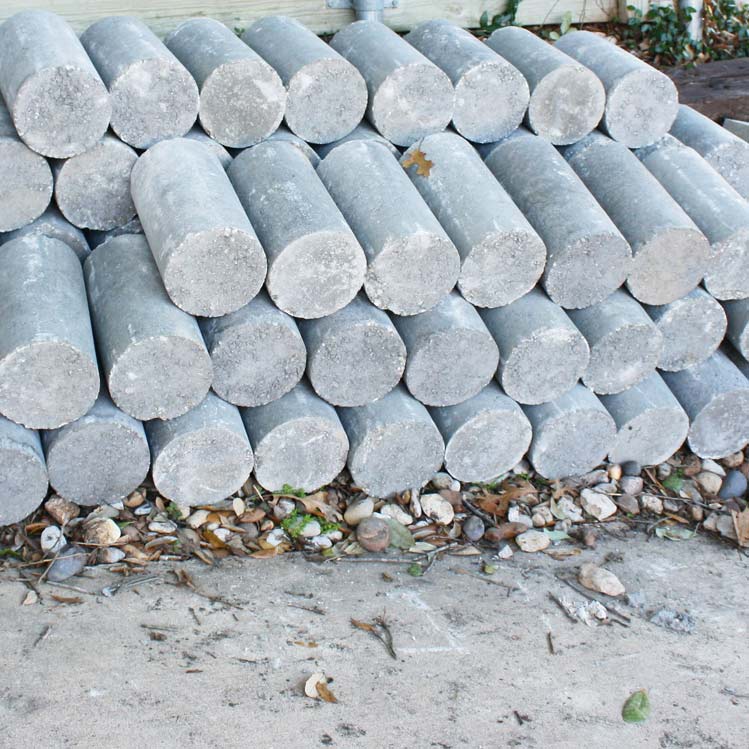
Concrete piers are vertical columns of reinforced concrete installed beneath the existing foundation. During concrete pier foundation installation, technicians:
- Excavate small access holes around the perimeter or inside the basement
- Install concrete piers at strategic intervals beneath the footing or slab
- Allow the piers to cure, then carefully lift and level the structure
- Secure the foundation to the piers for long-term support
This process effectively creates a new, deeper “footing system” under your home, reducing the impact of seasonal soil movement at the surface.
“Concrete piers are like adding new legs under a sagging table—once they’re in the right places and properly secured, the top becomes stable again.” — Foundation Repair Specialist
Real-World Example: East Dallas Basement
A homeowner near White Rock Lake noticed widening cracks across their finished basement floor and separation at the bottom of the stairs. A structural assessment showed the rear portion of the slab had settled nearly 1.25 inches.
Dalrock installed a series of concrete pier underpinning supports along the affected perimeter and a few interior locations. After carefully lifting and stabilizing the slab:
- The basement floor was brought back to level
- Cracks were closed significantly, allowing for cosmetic repair
- Doors and trim realigned without further adjustment
CALLOUT: For many Dallas homes with moderate settlement and accessible soil conditions, concrete pier foundation repair provides an excellent balance of performance and affordability.
Concrete piers aren’t the only option, however. For deeper, more challenging soil conditions or heavier structures, steel piers may be a better fit.
Concrete Piers vs. Steel Piers: Which Is Right for Your Basement?
Both concrete and steel piers are used across Dallas for residential foundation repair, but they serve slightly different needs. Understanding the differences helps homeowners make better decisions about their foundation repair services.
Key Differences at a Glance
| Feature / Factor | Concrete Piers | Steel Piers |
|---|---|---|
| Typical Depth in Dallas | 8–12 feet (varies by soil) | 20+ feet, often to bedrock or dense strata |
| Installation Speed | Moderate | Often faster per pier |
| Load Capacity | High for typical residential loads | Very high, ideal for heavy or multi-story homes |
| Typical Use | Standard homes, moderate settlement | Severe settlement, poor soils, heavy structures |
| Local Approximate Cost Range | Lower per pier | Higher per pier |
| Long-Term Performance | Strong when soils are adequate | Excellent in variable or deep clay soils |
\Actual concrete pier foundation cost and steel pier foundation cost depend on site conditions, access, and structural requirements.
When Steel Piers Make Sense
Steel pier foundation repair uses high-strength steel segments driven deep into stable strata. This approach provides more consistent support in areas with deep clay layers or highly variable soil profiles.
Example: A two-story home in Plano had significant settlement on the garage and front corner, with cracks radiating into the basement. Soil testing showed very deep clay deposits. Dalrock’s team recommended steel pier underpinning for that section:
- Steel piers were driven to refusal at depths over 25 feet
- The foundation was lifted and re-leveled with precise hydraulic controls
- The homeowner gained confidence the home was supported well below the active clay layer
Both solutions can be part of a comprehensive structural foundation repair plan. The right choice depends on soil conditions, structure weight, accessibility, and budget.
The Role of Drainage Correction in Protecting Basement Floors
Even the best pier system can’t fully protect a home if water management around the foundation is poor. In Dallas, drainage problems around foundation walls are one of the top contributors to ongoing movement and damage.
Why Drainage Matters So Much Here
Heavy North Texas storms followed by long dry periods cause the soil to cycle between extreme wet and dry states. When water is allowed to pond near the foundation:
- Clay soils swell unevenly, pushing on foundation walls and slabs
- Hydrostatic pressure builds up, leading to leaks and cracks
- Repeated wet/dry cycles worsen settlement and heaving
“Correcting drainage is often as important as installing piers. If you don’t control the water, you’re inviting repeat problems.” — Senior Foundation Repair Contractor
Practical Drainage Correction Solutions
Drainage correction services may include:
- Regrading soil to slope away from the house
- Installing surface drains, French drains, or sump systems
- Extending downspouts and rerouting roof runoff
- Addressing low spots and standing water in yards
Real example: A Lake Highlands homeowner had recurring moisture in the basement and new cracks every couple of years, despite previous house foundation repair. Dalrock evaluated the property and found water from neighboring lots was funneling toward their back wall.
By implementing yard drainage correction—including a swale and French drain system—along with limited pier work, the basement remained dry and stable. No new structural cracks formed in the following rainy seasons.
Drainage correction doesn’t replace piers when structural movement has already occurred, but it is critical to preserving the results of any cracked foundation repair or leveling work.
Understanding Costs, Estimates, and Long-Term Value
Many Dallas homeowners worry most about the cost of foundation repair—and for good reason. Foundation work is a significant investment. Clear expectations and transparent communication matter.
What Drives Foundation Repair Cost?
Several factors influence your foundation repair estimate:
- Type and number of piers needed (concrete vs. steel)
- Depth to stable soil or rock
- Accessibility (interior vs. exterior, landscaping, hardscape)
- Extent of damage and required lift
- Additional work like drainage correction or structural framing repairs
“Homeowners often expect one simple number, but a quality estimate is really a custom plan based on your home’s specific conditions.” — Project Manager, Dalrock Foundation Repair
Local Cost Considerations
Dallas-area pricing is influenced by:
- Local labor and material costs
- Prevalence of expansive clay soils (often requiring more piers)
- Age and design of homes (older homes may need more careful staging)
While it’s tempting to choose the lowest bid, that can be risky. Under-piering—installing fewer supports than needed—might reduce upfront cost but can lead to recurring issues and more expensive repairs later.
Value Beyond the Price Tag
Well-designed foundation leveling and repair:
- Protects home value and marketability
- Reduces risk of future structural issues
- Creates safer, more comfortable living spaces (especially in basements)
Thoughtful residential foundation repair focuses not just on today’s problem, but on preventing tomorrow’s.
What Strong Basement Floors Mean for Your Whole Home
A basement floor that’s level, solid, and crack-free is more than a cosmetic win. It’s a sign your home’s structure is properly supported and protected from ongoing soil movement.
Structural and Lifestyle Benefits
When concrete or steel piers and drainage solutions work together:
- Load paths through walls and beams become more uniform
- Cracks in drywall, ceilings, and tile are less likely to reappear
- Doors and windows operate more reliably
- Finished basements become more usable, safe spaces for family activities
A family in Far North Dallas had converted their basement into a home theater. Over time, seats began to wobble, and doors rubbed on the floor. After a combination of concrete pier foundation repair near me and targeted drainage upgrades, their basement floor was returned to level, and the room became a comfortable, long-term living space again.
“Foundation repair isn’t just about concrete. It’s about making sure your home feels solid and secure in every room.” — Dalrock Field Supervisor
Long-Term Peace of Mind
When you address both structural support and water management, you’re not just reacting to cracks—you’re investing in the long-term health of your property. That’s especially important in a climate and soil environment as demanding as Dallas.
What This Means for Homeowners in Dallas, TX
Dallas homeowners face a unique combination of expansive clay soils, intense summer heat, and periodic heavy storms. These conditions make foundation settling repair and ongoing maintenance more critical here than in many other parts of the country.
Ignoring early warning signs—subtle floor slopes, minor cracks, doors that stick—can allow relatively small issues to evolve into major structural challenges. Timely intervention with the right mix of piers and poor drainage solutions can:
- Reduce the total number of piers needed
- Limit disruption to landscaping and finished spaces
- Keep overall foundation repair cost more manageable
Local experience matters. A contractor who understands Dallas neighborhoods—from older homes near downtown to newer builds in the suburbs—knows how different soil profiles and construction styles respond to movement. That insight leads to better decisions about whether steel pier foundation installation or concrete pier foundation installation is the more appropriate choice.
For many Dallas properties, the ideal solution is a tailored combination: concrete piers where soil conditions allow, steel piers for deeper problem areas, and strategic water drainage correction that keeps moisture away from the foundation. The result is a stable, level basement floor—and a home that’s better prepared for the next Texas storm or drought cycle.
Frequently Asked Questions
Q: How do I know if I need concrete pier foundation repair or steel piers for my basement?
A: The choice between concrete pier foundation repair and steel pier foundation repair depends on soil conditions, depth to stable strata, and the weight and design of your home. In many Dallas neighborhoods, concrete piers perform very well for typical single-family homes with moderate settlement. If soil investigations show deep clay layers or if the home is particularly heavy or tall, steel pier underpinning may be recommended. An experienced team of foundation repair specialists will evaluate your structure, measure settlement, and sometimes review soil data before suggesting a specific pier type and layout.
Q: Will foundation repair fix all the cracks in my basement floor and walls?
A: Structural repair such as foundation leveling and pier installation will stabilize your home and often close many cracks significantly. However, cosmetic repairs are usually a separate step. Once the structure is stabilized, a contractor or finishing tradesperson can patch, resurface, or re-tile as needed. The key is to complete structural foundation repair first so cosmetic work isn’t wasted on a moving foundation. In Dallas, where soil movement is ongoing, pairing pier work with foundation water drainage solutions also reduces the likelihood of new cracks forming over time.
Q: How much does foundation repair typically cost in the Dallas area?
A: The cost of foundation repair in Dallas varies widely based on the number and type of piers, accessibility, and any additional work like drainage correction services. A small project with a few concrete piers may be on the lower end, while a large home needing extensive steel pier foundation installation will be higher. Because every property and soil profile is different, a detailed on-site evaluation is essential. Reputable foundation repair contractors will provide a written foundation repair estimate outlining pier locations, methods, and any optional drainage or structural enhancements.
Q: Can poor drainage really cause my basement floor to crack and settle?
A: Yes. In Dallas, poor drainage is one of the most common contributors to foundation issues. When water accumulates near your foundation, the clay soils swell and soften, reducing their ability to support the slab uniformly. Over time, this can lead to differential settlement, heaving, and cracking. Effective land drainage correction—including grading, drains, and managing roof runoff—helps maintain more consistent soil moisture levels. Many successful repair plans combine piers for structural support with drainage repair near me to protect the foundation from future movement.
Q: How long does concrete pier or steel pier foundation repair take, and will I need to move out?
A: Most house foundation repair projects in Dallas are completed in a few days to a week, depending on scope. Exterior pier work usually allows you to stay in your home throughout the process. Interior piers, especially in finished basements, may require temporary removal of flooring and furniture in affected areas, but not an extended move-out. Experienced steel pier foundation contractors and concrete pier crews plan work to minimize disruption. Your contractor should explain the schedule, access needs, and any short-term impacts before the project begins.
Q: Is it safe to wait and “watch” foundation cracks for a while before repairing them?
A: Monitoring small, stable cracks can be reasonable, but waiting too long when you see clear signs of movement can increase both risk and cost. In Dallas, seasonal soil changes can turn a minor issue into a significant one within a couple of years. If you notice new or widening cracks, sloping floors, or doors that suddenly stick, it’s wise to contact a local foundation repair company for a professional assessment. Early intervention may limit the number of piers required and reduce the total concrete pier foundation cost or steel pier investment.
Q: How do I choose the right foundation repair company in Dallas?
A: Look for established foundation repair contractors with deep experience in North Texas soils, strong local references, and clear, written repair plans. Ask whether they offer both concrete pier foundation repair near me and steel pier foundation repair near me, as well as drainage correction. Companies that understand both structural support and water management can design more comprehensive, long-lasting solutions. Verify insurance, check reviews, and make sure they’re willing to explain why each pier and drainage component is recommended for your specific home.
Ready to Get Started?
Dallas soils won’t stop moving, but you can stop that movement from damaging your home. If you’re seeing cracks in your basement floor, uneven rooms, or sticking doors, this is the time to act—before another wet season or summer drought makes things worse. Concrete and steel piers, combined with thoughtful foundation drainage correction, can restore stability, protect your investment, and bring back confidence in your home’s structure.
Dalrock Foundation Repair offers thorough inspections, clear explanations, and customized repair plans for Dallas-area homeowners. Whether you need targeted concrete pier underpinning, deeper steel pier underpinning contractors support, or comprehensive water drainage correction, our team focuses on long-term performance, not quick fixes.
Schedule a consultation to understand your options, compare solutions, and get a detailed foundation repair estimate tailored to your property. Strong, level basement floors—and a more secure home—start with the right plan.
About Dalrock Foundation Repair
Dalrock Foundation Repair has been serving Dallas, TX and surrounding communities for years, focusing exclusively on residential foundation repair and drainage solutions tailored to North Texas soils. Our experienced crews are trained in both concrete pier foundation contractors and steel pier foundation contractors methods, as well as advanced drainage correction services. Homeowners trust Dalrock for honest assessments, detailed repair plans, and work that stands up to the demands of the Dallas climate. Learn more about our services and history at our website.