
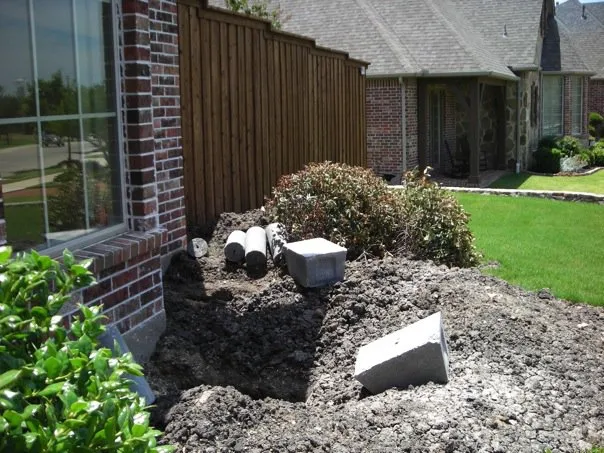
Foundation Repair Meets Drainage Correction for Lasting Results
A North Dallas homeowner once called Dalrock Foundation Repair after noticing a hairline crack in her living room wall. By the time we arrived, that “small” issue had turned into doors sticking, floors sloping, and gaps at the ceiling. The root cause? Not just a settling foundation, but years of poor drainage pushing water toward the house instead of away from it.
In the Dallas–Fort Worth area, expansive clay soils and intense rain events create a perfect storm for foundation movement. Studies show that Texas accounts for a significant portion of all U.S. foundation claims, and in North Texas, seasonal soil movement can be measured in inches, not millimeters. That kind of movement puts serious stress on concrete slabs and pier-and-beam homes.
This is why pairing foundation repair with strategic drainage correction is so critical. Addressing one without the other can leave you right back where you started a few years down the road.
Key Insight: Long‑lasting structural stability in Dallas doesn’t come from piers or drainage alone—it comes from a coordinated plan that stabilizes the foundation and controls water around it.
Why Dallas Foundations Fail: The Soil and Water Connection
Dallas sits on highly expansive clay soils that shrink when dry and swell when wet. This constant expansion and contraction is the number-one enemy of residential foundations in the region.
When water is not properly managed, you see:
- Soil heaving under parts of the slab
- Voids forming under other areas as soil dries and pulls away
- Uneven support that leads to cracks, settlement, and misaligned framing
“Water is the single most important factor in soil movement under a foundation.” — ASCE Texas Section (summarizing residential foundation guidance)
In one North Dallas case, a homeowner had frequent ponding along the back wall of the house after every storm. Over time, that standing water softened the soil and caused a portion of the slab to sink nearly two inches. The visible symptoms—cracked brick, interior drywall fractures, and a dipping floor—were all tied back to drainage.
Many people search for foundation repair near me only after they see cracks, but the underlying issue often started years earlier with subtle grading or gutter problems. If those water issues remain, even a well-executed repair can be stressed prematurely.
CALLOUT: The combination of expansive clay and poor drainage doesn’t just cause cracks—it accelerates structural wear and shortens the life of your foundation.
Structural Repair and Drainage: Two Halves of One Solution
A stable, long-lasting foundation repair strategy should always consider how water moves across your property. Treating structural work and drainage as separate projects is one of the costliest mistakes homeowners can make.
At Dalrock Foundation Repair, we frequently see homes where previous foundation repair contractors installed piers but left the drainage untouched. The result? The foundation was temporarily lifted and leveled, but the same water patterns continued to wash out or swell the soils, and new movement appeared within a few years.
A coordinated plan typically includes:
- Structural stabilization (piers or underpinning)
- Surface drainage improvements (grading, swales, gutters, downspout extensions)
- Subsurface solutions where necessary (French drains, area drains)
For example, a Plano homeowner had noticeable settling on one side of the house. Dalrock installed piers along the affected perimeter and then designed a drainage correction system to redirect roof runoff away from that same area. Years later, that foundation remains stable because soil moisture is far more consistent.
CALLOUT: Structural work stops the current movement; drainage correction helps prevent the next one.
Choosing the Right Pier System: Steel vs. Concrete in North Texas Soils
Not all foundations fail in the same way, and not all repair methods are equally effective in Dallas clay. The two most common underpinning systems for residential foundation repair are steel piers and concrete piers, each with its strengths.
Dalrock installs both steel pier foundation repair systems and concrete pier foundation repair, tailoring the solution to the structure and soil conditions.
Steel Piers
Steel piers are driven deep into the ground—often to bedrock or very stable strata. They’re ideal where:
- Soils are highly variable with depth
- Loads are heavy (two-story homes, brick exteriors)
- Long-term stability is the priority
Steel pier foundation installation can reach depths concrete piers cannot, which often translates to superior performance in areas of significant soil movement.
Concrete Piers
Concrete piers are poured or pressed piers that rely on friction and bearing capacity in shallower soils. They can be a solid choice where:
- Soils are somewhat more uniform
- Loads are moderate
- Budget is a significant factor
A homeowner in Richardson chose steel piers on the most distressed side of the house and concrete piers on a less critical area to balance performance and cost. Coupled with grading improvements and downspout extensions, this hybrid approach stabilized the structure and controlled water intrusion.
Steel vs. Concrete Piers in Dallas: Cost and Performance Snapshot
| Factor | Steel Piers | Concrete Piers |
|---|---|---|
| Typical Depth in DFW | Deeper, often to rock or dense strata | Shallower, within active soil zone |
| Relative foundation repair cost | Higher upfront | Lower upfront |
| Long-Term Stability | Excellent in expansive clays | Good, more dependent on soil consistency |
| Ideal Use | Heavy structures, severe movement | Moderate issues, budget-conscious repairs |
| Installation Disruption | Moderate | Moderate |
Note: Actual steel pier foundation cost and concrete pier foundation cost vary by structure, access, and number of piers.
CALLOUT: The “cheapest” pier type is the one that doesn’t require you to do the job twice.
How Drainage Correction Protects Your Investment
Once your foundation is stabilized, the next question is: how do you keep it that way? That’s where thoughtful foundation drainage correction comes in.
Effective drainage correction focuses on three main goals:
- Move roof water away from the foundation quickly
- Prevent ponding near the slab or piers
- Maintain more consistent soil moisture around the home
Common drainage correction services include:
- Re-grading soil to create positive slope away from the house
- Installing surface drains in low spots
- Adding French drains along problem areas
- Extending downspouts and adding splash blocks
We recently worked on a home near White Rock Lake that had a beautifully landscaped backyard—but all the beds sloped toward the house. Water collected along the back wall, saturating the soil and undermining the slab. After installing piers, Dalrock added a shallow swale, area drains, and extended downspouts. The homeowner not only saw improved foundation performance but also a drier, healthier yard.
“Controlling surface water is the most cost-effective way to reduce differential foundation movement.” — Residential Foundation Engineering Guideline, Texas
Modern Integrated Approach vs. “Patch and Pray” Repairs
Homeowners in Dallas have no shortage of options when they search for a foundation repair company. The real difference lies in whether a contractor is offering a quick patch or a comprehensive, engineered solution.
Traditional “Patch and Pray” Approach
- Installs minimal piers only where symptoms show
- Ignores drainage, gutters, and grading
- Provides limited diagnostics on soil and structure
- Relies on cosmetic fixes to hide ongoing movement
Modern Integrated Approach
- Evaluates the entire structure and site, not just cracks
- Combines underpinning with yard drainage correction
- Uses elevation readings, soil knowledge, and structural assessment
- Plans for long-term stability, not short-term cosmetics
Traditional vs. Modern Foundation Strategy in Dallas
| Aspect | Traditional Approach | Modern Integrated Approach |
|---|---|---|
| Focus | Visible cracks only | Structure + soil + water management |
| Long-Term Performance | Unpredictable | Significantly improved |
| Upfront Cost | Often lower | Moderate, tailored to risk |
| Likelihood of Repeat Repairs | Higher | Lower when water issues are resolved |
| Typical Customer Experience | “Fix it and hope” | Clear plan, monitored results |
A North Dallas homeowner once called Dalrock after having “repairs” done twice in ten years by two different companies. Both times, piers were added under the same area—without addressing a chronic drainage problem at the side yard. Dalrock designed a combined underpinning and water drainage correction plan. Several years later, that side of the house has remained stable.
CALLOUT: A true solution doesn’t just lift a sinking house—it changes the conditions that caused it to sink.
What This Means for Businesses in Dallas, TX
For property owners, managers, and investors in Dallas, ignoring foundation and drainage issues can quickly become a costly mistake. Commercial buildings, retail centers, and multifamily properties sit on the same expansive soils as single-family homes—and often face even more concentrated roof runoff and pavement drainage.
Local building codes and lenders are increasingly attentive to structural health. Unaddressed foundation problems can:
- Lower appraised values
- Complicate sales or refinancing
- Increase insurance scrutiny
By partnering with foundation repair specialists who also understand drainage, Dallas businesses can protect their assets and reduce long-term maintenance costs.
Imagine a small office building near LBJ Freeway with visible slab cracks and doors that won’t close. A short-term fix might be limited pier installation. A smarter strategy evaluates how roof drains, parking lot grading, and landscaping all influence soil moisture around the foundation. Correcting those issues along with structural work reduces liability, protects tenant comfort, and helps avoid repeat disruptions.
For local landlords and HOAs, a proactive inspection and foundation repair estimate combined with drainage evaluation can be the difference between a planned maintenance project and an emergency capital expense. In a climate as volatile as North Texas, planning ahead is not a luxury—it’s part of responsible property stewardship.
Frequently Asked Questions
Q: How do I know if I need both foundation repair and drainage correction?
A: Signs like interior cracks, sticking doors, and sloping floors indicate structural movement, while standing water, erosion, or muddy areas near the house point to drainage issues. In Dallas, these often go hand in hand. A reputable foundation repair company will inspect both the structure and the site, take elevation readings, and observe how water flows during or after rain. If your foundation has already begun settling and you also see poor drainage patterns, an integrated repair and drainage correction plan will typically provide the most reliable long-term results.
Q: What does a typical foundation repair cost in the Dallas area?
A: The cost of foundation repair varies widely based on the size of the home, severity of movement, number and type of piers, and site conditions. A minor house foundation repair might involve a handful of piers and modest drainage work, while a more extensive project can require dozens of piers and significant grading improvements. Dalrock provides a detailed foundation repair estimate after a thorough inspection, outlining both structural and drainage recommendations so you understand the full picture before committing.
Q: Are steel piers worth the higher price compared to concrete piers?
A: In many North Texas situations, yes. Steel pier underpinning can reach deeper, more stable layers below the active clay zone, offering excellent long-term stability. While steel pier foundation cost is usually higher than concrete, the performance benefits often justify the investment, especially for heavier homes or severe movement. That said, well-designed concrete pier foundation repair can be appropriate in certain soil and loading conditions. Dalrock evaluates each structure individually and may recommend one type or a combination to balance performance and budget.
Q: Can I just fix the drainage now and wait on foundation repairs?
A: Improving drainage is always beneficial, but if you already have significant structural movement—such as large cracks, substantial sloping, or evidence of ongoing settlement—delaying structural foundation repair can allow more damage to occur. In Dallas, once a slab has moved beyond a certain point, it rarely “self-corrects” just because water is better managed. The best approach is to have a specialist assess whether immediate underpinning is needed along with poor drainage solutions, or if you can reasonably stage the work over time.
Q: What are the most common drainage problems around foundations in Dallas?
A: We frequently see negative grading (soil sloping toward the house), short or clogged downspouts, missing gutters, and low spots that trap water near the slab. Decorative landscaping that raises soil above brick ledges is another problem. These issues create chronic moisture imbalances that lead to foundation settling repair needs. Dalrock’s drainage correction services focus on reshaping the yard, adding drains where needed, and improving roof water management to protect the foundation.
Q: Will foundation repair damage my yard or landscaping?
A: Any substantial foundation leveling or pier installation requires some excavation along the perimeter, which can temporarily disturb landscaping. However, experienced foundation repair contractors like Dalrock plan access routes carefully, protect key plants when possible, and restore soil and sod after work is complete. When we pair structural work with land drainage correction, we often use the same trenches for both piers and drains to minimize disruption. Most lawns recover quickly with proper backfilling and watering.
Q: How long should a quality foundation repair last in North Texas?
A: Properly designed and installed systems, especially when combined with smart foundation water drainage solutions, are intended to be long-term, often lifetime solutions for the areas treated. However, other parts of the home that were not underpinned can still move if drainage remains poor or new water patterns develop. That’s why Dalrock emphasizes both structural support (piers) and drainage problems around foundation as part of a holistic repair plan. Regularly maintaining gutters, grading, and drainage will help extend the life of any repair.
Ready to Get Started?
North Texas weather isn’t getting any gentler on our foundations. Intense storms followed by long dry spells mean more dramatic soil movement and more risk for structural damage. Waiting rarely makes foundation or drainage issues cheaper; it usually makes them more complex.
If you’ve noticed cracks, sticking doors, sloping floors, or persistent water pooling near your home or building, now is the time to act. Dalrock Foundation Repair can inspect your property, evaluate both structural and drainage conditions, and provide a clear, detailed plan—whether that involves concrete pier foundation installation, steel pier foundation installation, targeted drainage repair near me, or a combination.
With decades of experience in Dallas-area soils, proven repair systems, and a reputation for honest assessments, Dalrock helps homeowners and businesses protect what’s often their largest investment. Schedule an inspection, review your options, and move forward with confidence knowing your foundation and drainage are working together—not against each other.
About Dalrock Foundation Repair
Dalrock Foundation Repair is a locally owned company serving Dallas and the surrounding North Texas communities for over two decades. Specializing in structural foundation repair, steel pier underpinning contractors, concrete pier foundation contractors, and comprehensive drainage correction, Dalrock combines engineering best practices with deep local soil expertise. Our team has helped thousands of homeowners and businesses stabilize their properties and prevent future damage through integrated solutions tailored to Dallas’ unique conditions. Learn more about our services at https://www.dalrockfoundation.com/.