
Signs You Need Foundation Repair Before Damage Worsens
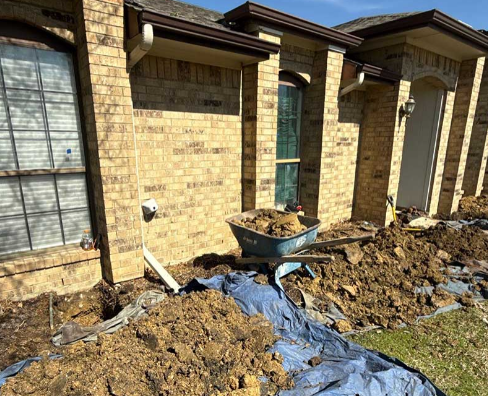
If you have noticed new cracks, doors that stick, or uneven floors in your Dallas home, you are not imagining things. This guide explains the most common warning signs of foundation settling and structural foundation issues, what to check first, and how to prepare for a foundation repair estimate.
Last month, you may have chalked it up to normal wear when a bedroom door started catching on the frame. Then you noticed a hairline crack near a window, followed by a slight change in how the floor feels underfoot. In Dallas, those small shifts can become bigger problems when the underlying structure keeps moving.
If you are deciding whether to get a structural foundation repair inspection or wait it out, this article helps you sort the signals. You will learn which signs typically point to foundation settling repair needs, what to check before calling, and how to talk with foundation repair contractors about the right foundation repair services for your house.
- Quick answer
- What to check first
- Main things customers should understand
- Why this matters in Dallas, TX
- Common mistakes to avoid
- Customer checklist
- Frequently asked questions
Quick Answer
If you see new or widening cracks, doors or windows that suddenly start sticking, or uneven floors that are getting worse, it is a strong sign you should schedule a foundation repair inspection sooner rather than later. Not every crack means structural foundation repair is needed, but consistent movement indicators are worth addressing. A practical next step is to document the changes (photos and dates), then request a foundation repair estimate and ask what type of foundation leveling or settling repair approach fits your home. Dalrock Foundation Repair can help you understand what is happening before cosmetic repairs make the problem harder to diagnose.
What to Check First
Start with observations you can verify without tools. These checks help you separate “settling repair” concerns from surface-level issues that do not involve the load-bearing structure. Focus on patterns: where the problem appears, whether it is spreading, and if it lines up with doors, windows, or corners.
Cracks that matter
Look for cracks that are widening, running diagonally, or appearing in multiple areas around the same wall or corner. Small, stable hairline cracks can be different from cracks that keep changing after weather shifts.
Doors and windows
Pay attention to doors that start sticking near the latch, windows that do not open smoothly, or frames that seem out of square. These issues often correlate with house foundation repair needs when movement affects the structure.
Floors and gaps
Check for uneven floors, new gaps under baseboards, or separations between drywall and trim. If the floor feels noticeably different in the same spot over time, that is a practical reason to investigate.
Professional observation: If several signs show up together (for example, diagonal cracking plus sticking doors), it is more likely that structural movement is involved. A proper inspection can confirm whether you need residential foundation repair and what foundation repair services will address the root cause.
Main Things Customers Should Understand
Foundation repair is not one-size-fits-all, and the “right” solution depends on what is driving the movement. In Dallas homes, customers often run into combinations of soil-related settling, drainage problems around foundation areas, and foundation system wear over time. Understanding the categories below helps you ask better questions and avoid delays.
Key idea: Cosmetic fixes (like patching cracks) can hide symptoms. The goal is to identify what is causing the movement so foundation leveling and foundation settling repair can be done for the correct issue.
1) Cracked foundation surfaces and shifting wall geometry
Cracked foundation repair is often discussed as “cracks,” but the geometry matters. If you see cracks that align with corners, stair-step patterns, or shifting wall sections, that can indicate movement in the foundation system. When foundation settling continues, the same crack can reappear or grow after patching.
2) Uneven floors and noticeable slope
Uneven floors are one of the most practical indicators because they affect daily use. If you notice a consistent slope in one area, doors repeatedly catching, or baseboards that separate more than before, it can point to a structural foundation issue that needs evaluation.
3) Drainage correction concerns near the foundation
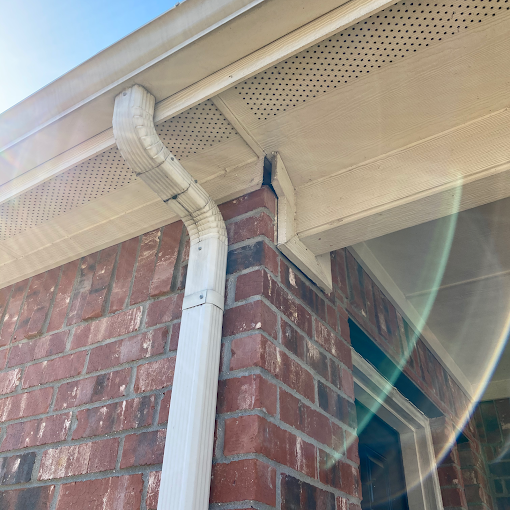
Water is a common contributor to foundation movement. If you have yard drainage correction concerns, standing water near the house, or gutters that discharge too close to the foundation, addressing drainage repair near me issues can be part of a complete plan. For more context on how drainage relates to movement, review drainage correction services.
4) Foundation type signals you might see in Dallas homes
Different foundation systems respond differently. For example, slab foundation repair is not the same as pier and beam solutions. If you are trying to describe your situation, these service pages can help you frame the conversation with contractors:
- slab foundation repair when movement involves slab performance
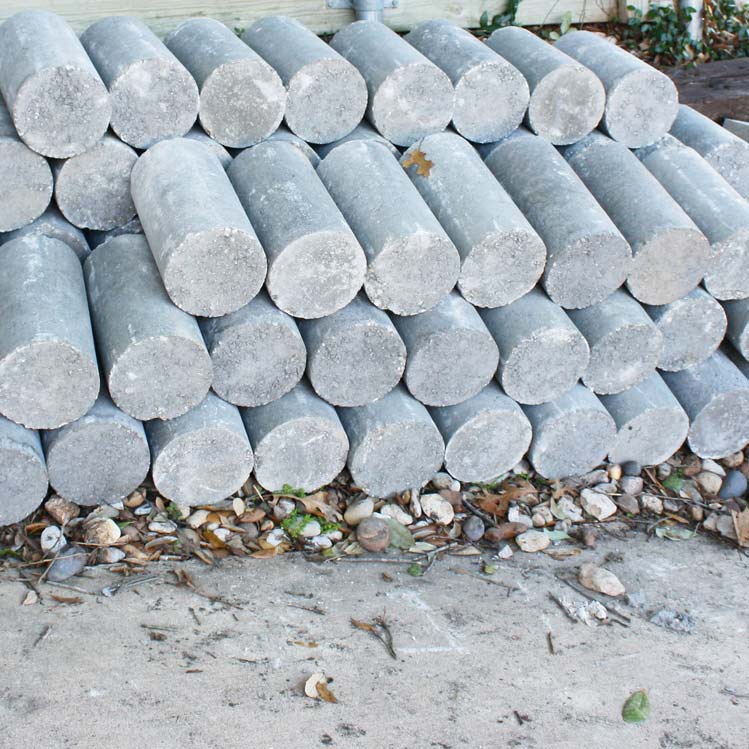
- pier and beam when the structure has beam support issues
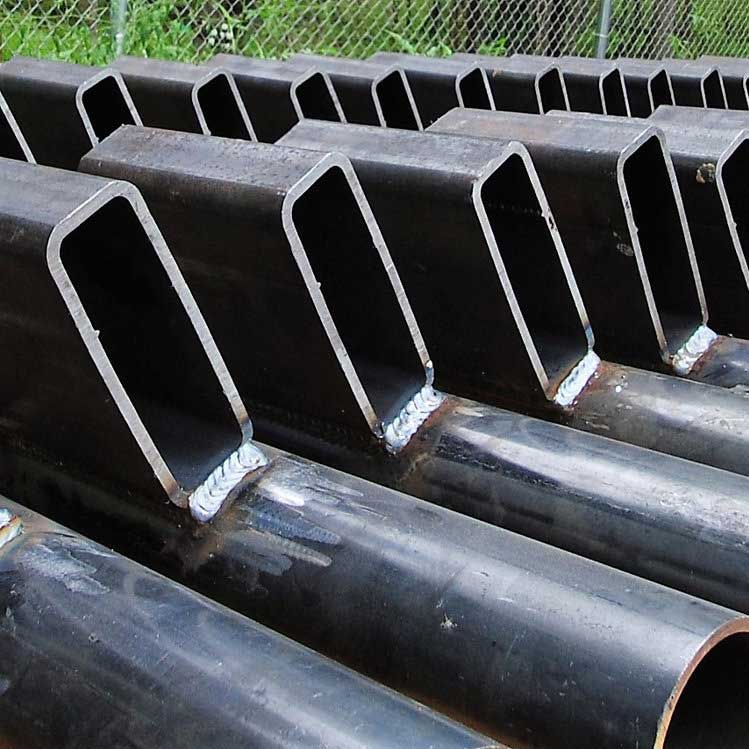
- steel pier foundation repair when pier stabilization is part of the solution
| What you notice | Why it can be a signal | What to ask in an inspection |
|---|---|---|
| Cracks that widen over time | Ongoing movement may be continuing under the surface | Whether the pattern suggests structural foundation repair needs |
| Doors and windows stick or misalign | House geometry may be shifting due to foundation settling repair | Which areas show movement and what foundation leveling approach fits |
| Uneven floors or gaps increasing | Load-bearing movement can change how finishes sit | How the foundation system will be stabilized and monitored |
| Water pooling near exterior walls | Moisture changes can contribute to foundation settling | Whether drainage correction should be included in the plan |
Why This Matters in Dallas, TX
In Dallas, many homeowners notice foundation symptoms after stretches of heavy rain, rapid temperature swings, or seasonal changes that affect how moisture moves through the soil and around the home. Even when cracks start small, the combination of water behavior and structural movement can make the issue progress. Acting early can reduce the chance that you are dealing with a larger, more complicated foundation repair situation later.
One firsthand-style observation from the field: homeowners often bring up foundation issues only after interior finishes start to fail, but by then the movement path is usually clearer. During a foundation inspection, we commonly see that the “real story” is visible at structural stress points first, then shows up as drywall cracking, door misalignment, or floor unevenness as the house continues to shift. Catching those early signals gives you a better chance to address the underlying cause rather than just the appearance.
Get clarity on what your home is signaling
If you are searching for foundation repair near me in Dallas, TX and want a practical next step, contact Dalrock Foundation Repair to discuss your observations and learn what foundation repair services may be appropriate for your situation.
Contact Dalrock Foundation RepairOr call (972) 578-8800
Common Mistakes to Avoid
Homeowners in Dallas often take reasonable steps that still end up creating problems later. The goal is not to second-guess yourself, but to avoid actions that can delay diagnosis or complicate foundation repair contractors’ ability to understand what is happening.
- Only patching cracks without investigating whether foundation settling repair is active.
- Assuming doors sticking is “just humidity” when the issue is becoming more frequent.
- Waiting for major damage before scheduling a structural foundation repair inspection.
- Ignoring drainage concerns like water pooling near foundation areas.
- Comparing foundation repair cost expectations without details about your foundation type and the cause of movement.
For homeowners who are preparing questions in advance, the foundation repair cost topic is often easier to discuss when you understand the specific foundation system and the underlying drivers. You can also review foundation repair cost to help you frame what to expect during planning and how costs can vary based on conditions.
Customer Checklist
Use this quick checklist before you contact a foundation repair company. It helps you communicate accurately and can reduce back-and-forth when discussing a foundation repair estimate. Bring these notes to your inspection call or consultation.
Customer checklist (before your inspection):
- Take clear photos of each crack, including close-ups and wider shots showing where it appears.
- Write down when you first noticed symptoms (doors, floors, gaps) and whether they have worsened.
- Check for signs of drainage problems around foundation areas, including standing water or downspout discharge.
- Note which rooms or exterior sections are affected most.
- Measure rough changes like how far a door sticks or where the floor feels uneven (no special tools needed).
- List any recent work you did to interior finishes so you do not lose the timeline.
Representative scenario: when early signs get missed
A Dallas homeowner noticed a diagonal crack near a window and one corner of the room felt slightly “off” when walking. Instead of scheduling a structural foundation repair inspection, they filled and painted the crack. Over the next few months, the door to that room started sticking more often, and the gap along the baseboard widened. After contacting a foundation repair specialist, the inspection focused on how the house geometry had changed and whether drainage correction should be included to address the movement path. The homeowner avoided repeating cosmetic repairs and got a clearer plan for foundation leveling and stabilization.
Frequently Asked Questions
How can I tell if I need foundation repair or just a cosmetic fix?
Cosmetic fixes are usually enough when cracks stay stable, doors and windows operate normally, and the floor feels level over time. If you notice cracks that widen, repeating issues in the same corners, or sticking doors and uneven floors that progress, that is more consistent with house foundation repair needs. In practice, the pattern matters: movement indicators together often justify a foundation repair estimate and a focused inspection so the underlying cause can be evaluated rather than covered.
What should I ask a foundation repair company in Dallas?
Ask what they believe is driving the movement you are seeing and how they plan to address it. You can also ask whether drainage correction should be part of the solution, especially if you have water pooling or downspout discharge near foundation areas. If you know your foundation type, ask which system approach applies best, such as slab foundation repair, pier and beam options, or steel pier foundation repair. Finally, request clarity on what the next steps involve after the inspection.
Can drainage correction help with foundation settling repair?
Water behavior around a home can contribute to foundation movement, so drainage correction may be part of a complete plan. If you have yard drainage correction concerns, standing water, or poor water drainage correction near exterior walls, addressing those conditions can reduce ongoing moisture-related movement. A foundation repair inspection can help determine whether drainage issues are related to the symptoms you are seeing. If you want a starting point, review drainage correction services and then discuss your site conditions during your consultation.
What is involved in a foundation repair estimate?
A foundation repair estimate typically follows an inspection where the contractor reviews the foundation symptoms, the affected areas, and the likely cause of movement. The goal is to connect your observations to an appropriate foundation repair services plan, whether that involves foundation leveling, stabilization with piers, or other structural foundation repair steps. If you have questions about foundation repair cost expectations, you can review foundation repair cost to understand why costs can vary based on conditions and the work required.
How do I prevent the problem from coming back?
Prevention usually starts with addressing the cause, not just the symptom. Once repairs are planned, follow through on site conditions that influence movement, such as keeping water away from foundation areas and maintaining proper drainage. You can also use a maintenance mindset after repairs by staying alert to early signs like new cracks, doors that start sticking again, or recurring gaps. For practical upkeep guidance, review foundation maintenance from Dalrock Foundation Repair.
Ready to get a grounded plan for your home?
If you are seeing the signs described above and want a foundation repair company that can help you sort symptoms from causes, contact Dalrock Foundation Repair today. We serve Dallas, TX and surrounding areas and can help you understand the most appropriate next steps based on your observations.
(972) 578-8800Or visit dalrockfoundation.com

Dalrock Foundation Repair
Dalrock Foundation Repair provides foundation repair services for homeowners and property owners in Dallas, TX and surrounding areas. From foundation settling repair concerns to structural foundation repair needs, the focus is on helping you identify what is driving movement and choose an approach that fits your home, whether you are dealing with slab foundation repair, pier and beam issues, or steel pier foundation repair options.
Learn more about concrete pier foundation repair or browse other service solutions on the site.