
If your home is settling unevenly, steel pier foundation repair is often part of the conversation. This guide helps you recognize common warning signs, understand what “underpinning” is trying to correct, and know what to document before you request a foundation repair estimate.
One of the first things homeowners in Dallas notice is how doors and windows “feel” a little different. A latch that used to close smoothly starts catching. A corner of the living room looks slightly lower than the rest. Sometimes the floors do not look dramatic, but the pattern keeps showing up.
When that settling is linked to foundation support, steel pier foundation installation is one of the tools used to stabilize and level structures. This article will help you sort the difference between surface issues and structural foundation repair needs, so you can ask better questions when you call a foundation repair company.
- Quick answer
- What to check first
- Main things customers should understand
- Why this matters in Dallas, TX
- Common mistakes to avoid
- Customer checklist
- Frequently asked questions
Quick Answer
Steel pier foundation repair is typically worth investigating when you see signs of uneven settling, such as sticking doors, cracked interior walls, sloped floors, or exterior cracks that suggest movement over time. If the pattern is consistent in one area, piers (often steel pier underpinning) may be used to transfer load to more stable soil and bring the structure back toward level. Start by documenting the specific locations and timing of the changes, then request a foundation repair estimate focused on structural foundation repair, not just cosmetic fixes.
What to Check First
Before you assume you need steel pier foundation repair, focus on repeatable evidence. Movement that involves the foundation usually shows up as a consistent “spot” or “line” across rooms, rather than random minor cracking that changes with temperature or humidity.
Look for movement, not just cracks
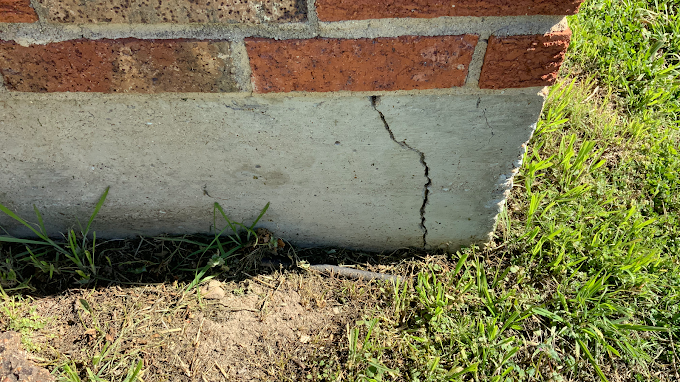
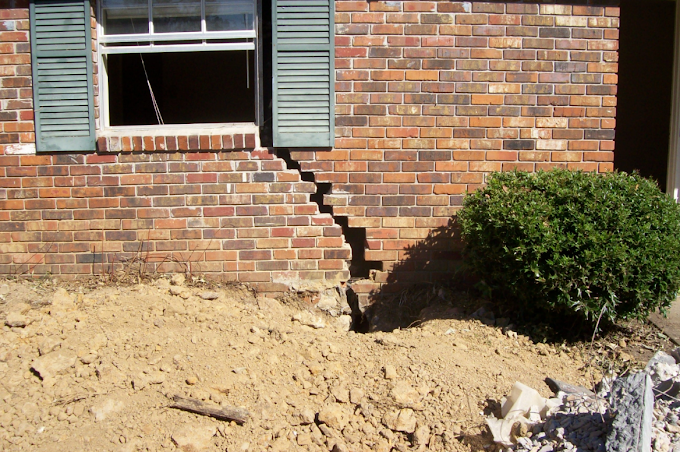
Check whether cracks widen, whether stair-step cracks on brick show displacement, and whether interior drywall cracks match the same angles over time.
Test doors and windows
Note which doors stick first, whether the gap changes when you push on the frame, and if the same side of the house is affected.
Watch floor “tilt” clues
Look for gaps along baseboards, uneven transitions between rooms, or water pooling that suggests a slope where you would not expect it.
Main Things Customers Should Understand
Steel piers are commonly used when a foundation needs deeper support due to soil conditions, ongoing settlement, or areas that have lost support. In practice, the goal is to stabilize the structure by transferring load to more competent bearing zones and correcting uneven alignment, which is why steel pier underpinning often comes up in discussions of house foundation repair.
Professional observation: When the settling is uneven, the foundation typically does not “fix itself” by patching cracks. The more useful question is what is causing the movement in the first place, and whether support is needed at specific locations. That is where a targeted evaluation helps.
What “steel pier underpinning” is trying to accomplish
Underpinning is a stabilization approach. Instead of relying only on the original foundation depth, steel pier foundation installation aims to provide additional support where settlement has occurred. You can often see the results indirectly through improved alignment: doors operate more normally, baseboard gaps become more consistent, and stress patterns in finishes reduce as the movement stops.
Customer-focused tip: If you are also dealing with drainage problems around foundation, address that alongside structural repair. Water management and foundation stability are closely connected, especially when the yard grading or downspouts contribute to moisture changes.
How the scope may connect to other foundation issues
Depending on what is happening under your home, the repair strategy might also include related work. For example, if you are seeing movement patterns near exterior slabs or walkways, you may need a look at sidewalk and driveway settling. If drainage is part of the story, drainage correction services can help reduce ongoing stress on the foundation.
| Situation you notice | Why it may point toward steel piers | What to ask in a foundation repair estimate |
|---|---|---|
| One side of the house shows more sticking doors | Uneven load support can cause localized settling that shows up as alignment changes | Which areas need underpinning and what is the plan to address the uneven pattern? |
| Interior drywall cracks stay in the same zones | Persistent stress patterns can indicate the structure is still moving | How will the repair stop the movement, not just fill cracks? |
| Sloped floors or gaps that do not improve | Supporting the foundation at specific points may help restore more consistent level | What structural foundation repair method is recommended and why? |
| New cracks appear after a period of heavy rain or moisture issues | Water can worsen settlement behavior if drainage is not corrected | Will the scope include water drainage correction or yard drainage correction? |
Why This Matters in Dallas, TX
In Dallas, foundation concerns often show up as movement that homeowners can spot through daily use. Homes with mature landscaping, changing yard grading, and downspouts that direct water near the home can experience moisture fluctuations. Over time, that can contribute to foundation settling and make structural issues more noticeable.
If you suspect your foundation is moving, it helps to think beyond the visible crack. In the field, a common pattern we see is that the “evidence” is spread across multiple areas at once, such as a corner that is lower, a door frame that is out of square, and baseboard gaps that do not line up room to room. That combination is often what leads to conversations about steel pier foundation repair near me and steel pier foundation contractors who can evaluate the structure methodically.
Get clarity on whether steel piers are the right next step
If you are tracking sticking doors, uneven floors, or consistent crack locations in your Dallas home, schedule a foundation repair evaluation with Dalrock Foundation Repair. We can help you understand what is likely driving the movement and what foundation repair services may be needed.
Contact Dalrock Foundation RepairCommon Mistakes to Avoid
Homeowners often try to solve foundation-related symptoms with the wrong sequence. That can waste time and make it harder to identify what is actually happening structurally.
Focusing on cosmetic fixes first
Filling cracks or repainting can hide early warning signs. If the structure is still moving, cracks can reappear in the same places.
Ignoring drainage problems around foundation
Even a strong structural repair can be undermined if water keeps changing the conditions around the foundation. Yard drainage correction is often part of a complete plan.
Assuming one symptom tells the whole story
A single stuck door can have multiple causes. The pattern across rooms, the timing, and the direction of movement matter.
Customer Checklist
Use this checklist to prepare for a foundation repair estimate. Bringing clear observations helps reduce back-and-forth and supports better decision-making for house foundation repair.
- List the rooms and exterior areas where you notice movement (start with one side or corner if it is consistent).
- Record when symptoms began and whether they worsen after rain or seasonal changes.
- Take measurements for crack width changes over time (you can use a simple ruler and note dates).
- Note which doors and windows stick, and where the gap appears most.
- Check for baseboard gaps and floor transitions that suggest a slope.
- Inspect gutters/downspouts and where runoff goes during storms.
- Document any past work, including prior steel pier installations or other foundation repair attempts.
Representative scenario: what it looks like before repair
A Dallas homeowner notices that the front-left corner of the house feels “off.” Over several months, a bedroom closet door starts catching, and a hairline crack appears in the drywall along the same wall. After heavier rain, they also see water pooling near the exterior edge of that corner. When they walk the rooms, they find the baseboards have slightly uneven gaps, and the issue seems to concentrate in one section rather than across the entire home.
Instead of only patching the crack, the homeowner gathers photos and notes the timing, then requests a structural foundation repair evaluation. If deeper support is needed, steel pier underpinning becomes part of the plan, while drainage correction helps address the moisture source that can contribute to ongoing movement.
Frequently Asked Questions
How do I know if my issue is foundation settling or something cosmetic?
Cosmetic issues usually do not follow a consistent pattern across rooms. Foundation settling often shows up as repeated evidence: doors or windows that start sticking, baseboard gaps that do not align, and cracks that remain in the same locations over time. If the symptoms change with the seasons or after rain, that also points to a movement driver that can be structural. Document what you see and note when it started, then ask for a foundation repair estimate that evaluates the structure, not just the visible finishes.
What is the difference between steel pier foundation repair and other pier options?
Steel pier foundation repair focuses on stabilizing the structure using steel piers as part of the underpinning approach. Other options may use different pier types or systems depending on site conditions and the movement pattern. For example, some homes require concrete pier foundation repair or hybrid pier systems when that better matches the needs of the structure. The most accurate way to choose is to evaluate which areas need support and how load transfer should be addressed.
Will steel piers fix cracked foundation walls and interior drywall?
Steel piers are designed to stabilize the foundation movement, which is the underlying reason cracks often keep returning. Cracks in drywall and other finishes may improve as the structure stops shifting, but repair of the cosmetic surfaces typically happens after the stabilization work. The key is to match the structural solution to the movement pattern, so you are not just patching symptoms while the foundation continues to settle.
Do I need drainage correction along with steel pier underpinning?
Not every home needs additional drainage work, but it is common for moisture management to be part of a complete foundation repair plan. If you see water directing toward the home, pooling near exterior edges, or drainage problems around foundation, correcting that can help reduce ongoing stress on the structure. A thorough evaluation can help determine whether yard drainage correction or foundation water drainage solutions should be included.
What should I ask for when requesting a foundation repair estimate?
Ask how the evaluation connects your symptoms to structural foundation repair needs. It is helpful to request an explanation of which areas are being addressed and whether the plan involves steel pier foundation installation or other pier solutions. Also ask how drainage correction fits into the scope if water is contributing to settlement behavior. Finally, make sure the estimate clarifies what is structural stabilization versus cosmetic repair, so you understand the sequence.
Ready to confirm what your home needs?
Dalrock Foundation Repair serves Dallas, TX and surrounding areas. If you suspect steel pier foundation repair is needed, contact us to discuss your observations and get an informed next step for residential foundation repair.
(972) 578-8800
About Dalrock Foundation Repair
Dalrock Foundation Repair provides foundation repair services for homeowners and property owners across Dallas, TX and surrounding areas. Our team helps evaluate settlement concerns and recommends structural foundation repair options that fit the movement pattern, including steel pier foundation repair, concrete pier solutions, and related work such as drainage correction when it is part of the cause.
For questions about foundation leveling, cracked foundation repair, or foundation repair estimate next steps, contact Dalrock Foundation Repair at (972) 578-8800 or visit https://www.dalrockfoundation.com/.