
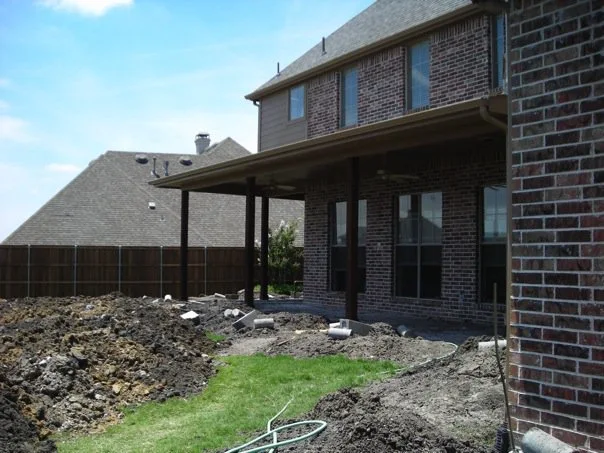
Warning Signs Your Concrete Pier Foundation Repair Needed
If your home’s floors feel uneven, doors don’t latch the way they used to, or you’re seeing cracks that seem to grow after storms, your pier foundation may need attention. This guide walks you through the most common warning signs, what to check on your own, and how concrete pier foundation repair is typically approached in the Dallas area.
Last spring, a Dallas homeowner noticed a slight “bounce” when walking across the family room. Then the front door started sticking during humid weather, and a crack in the exterior brick line seemed wider after heavy rain.
Because foundation issues can be slow and intermittent, it’s easy to miss what’s changing until it affects daily use. This guide helps you recognize warning signs that point to pier-related foundation settling, understand what those signs can mean, and decide when it’s time to schedule a foundation repair estimate with a local foundation repair company.
- Quick answer
- What to check first
- Main things customers should understand
- Why this matters in Dallas, TX
- Common mistakes to avoid
- Customer checklist
- Frequently asked questions
Quick Answer
Concrete pier foundation repair may be needed when you see signs of uneven support, such as doors that stick, floors that slope, repeating crack patterns, or evidence that moisture is affecting the area around the foundation. Start by documenting where the cracking and sticking occurs and whether it changes after rain. If the problem is getting worse, schedule a foundation repair evaluation before attempting cosmetic fixes. Dalrock Foundation Repair can help you understand whether your situation aligns with concrete pier foundation repair or a related solution, and what to plan for next.
What to Check First
Before you call anyone, you can narrow down what you’re seeing. The goal is to identify patterns that suggest settlement or shifting, then note whether moisture or drainage issues appear to be involved.
1) Interior doors & floors
Check whether doors stick at the top or bottom and whether they shift seasonally. Walk rooms in the same direction and notice any “tilt” or unevenness.
2) Crack locations
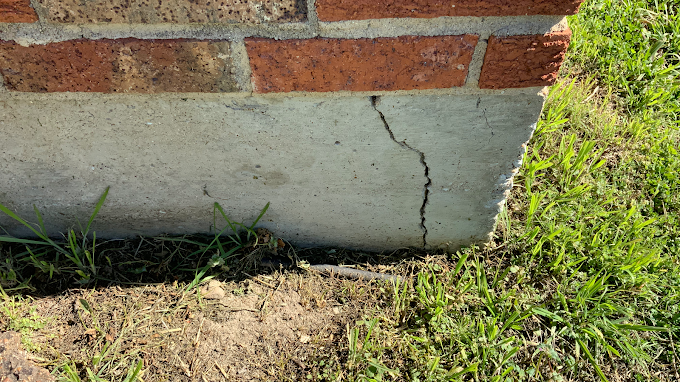
Look for cracks in mortar joints, drywall seams, or near window and door openings. Note if cracks repeat in the same line or widen over time.
3) Exterior clues
Observe porch steps, garage slabs, sidewalks, and driveway edges. If one area lifts or sinks compared to the rest, the support system may be out of balance.
If you want a faster way to connect the dots between symptoms and repair options, compare your situation to common pier foundation categories. For example, you can review concrete pier foundation repair to understand what contractors typically look for when concrete piers are part of the solution.
Main Things Customers Should Understand
Concrete piers are designed to transfer building loads to more stable soil below. When that load path is disrupted or when the pier system needs adjustment, the home can settle unevenly. That’s why the “warning signs” are often tied to movement, not just visible cracks.
Professional observation: In many Dallas-area homes, pier-related problems show up as a combination of structural and moisture symptoms. Cracks alone can be misleading, but cracks plus door sticking or repeating floor slope patterns usually carry more weight.
Common pier-related indicators
These are the signs most homeowners notice before they’re ready to schedule foundation repair services:
- Cracks that “track” along the same lines, especially near corners, window openings, or along exterior masonry joints.
- Uneven floors that feel different from room to room or change after heavy rain.
- Door and window misalignment, including doors that scrape, won’t close smoothly, or latch only with extra force.
- Settlement-related exterior misalignment, such as uneven porch steps, garage slab edges, or sidewalk and driveway transitions.
Concrete pier vs. other pier systems
Not every pier foundation situation is identical. Some homes need concrete pier underpinning, while others may be better served by different pier approaches depending on soil conditions, load requirements, and site constraints. If you’re comparing options, you may also want to review concrete pier foundation repair and steel pier foundation repair so you can ask better questions during your evaluation.
| What you notice | What it can indicate | Why it matters for pier foundation repair |
|---|---|---|
| Door sticking or uneven closing | Possible settlement or shifting | Movement can suggest support adjustments are needed, not just surface patching. |
| Cracks near openings (windows/doors) | Stress from uneven support | Crack patterns can help identify where the structure is moving. |
| Cracks that widen after storms | Moisture influence on support | Drainage correction may need to be part of the plan alongside pier adjustments. |
| Uneven sidewalks, driveway edges, or porch steps | Localized settlement | Those areas can reveal where the foundation support is out of balance. |
Customer-focused tip: If you can, take dated photos of the same cracks and door gaps after dry periods and after rain. That timeline helps a foundation repair contractor evaluate whether the issue is active or stabilizing.
Why This Matters in Dallas, TX
In Dallas, foundation concerns often show up as moisture-sensitive movement. Heavy rain events can change soil conditions around the foundation perimeter, and yard grading or downspout discharge can add or reduce water exposure. When moisture influences the area around piers or the soil they rely on, homeowners may notice symptoms that seem tied to weather patterns.
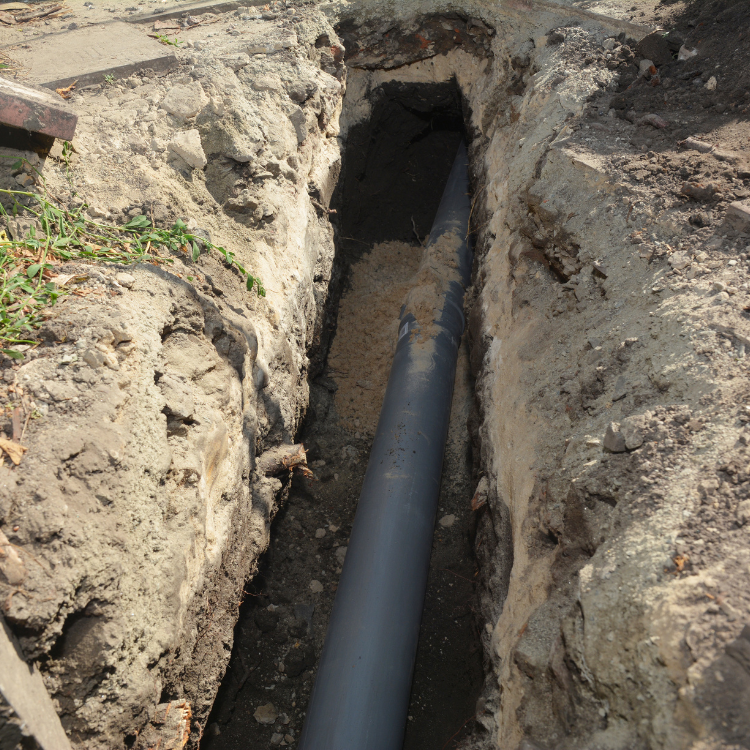
That is one reason drainage correction is frequently part of a complete plan. If you suspect water is pooling near the foundation, explore drainage correction services to understand how contractors approach water management around the home.
A firsthand-style observation from the field
During many concrete pier foundation evaluations in the Dallas area, the most useful clue is not a single crack. It’s the combination: where the crack is located, whether doors line up differently, and whether exterior flatwork or transitions show the same “direction” of change. When those patterns match, the repair plan often targets the load path and the moisture conditions that can affect it.
Need help identifying pier foundation repair signs?
If you’re seeing uneven floors, sticking doors, or crack patterns that seem to change, schedule a foundation repair estimate with Dalrock Foundation Repair. We serve Dallas, TX and the surrounding areas.
Contact Dalrock Foundation RepairCommon Mistakes to Avoid
Homeowners often try to “manage” foundation symptoms the same way they would manage cosmetic issues. The problem is that structural movement usually keeps returning if the underlying cause is still active.

- Only patching cracks without identifying whether the structure is still moving.
- Ignoring door and window misalignment because it feels like a “hardware” problem.
- Assuming settlement is limited to the room with the crack, since movement can show up elsewhere (for example, at transitions like the garage or porch).
- Overlooking drainage clues, such as water pooling near exterior corners after storms.
- Waiting too long to document changes, which can make it harder to confirm whether the issue is active.
Representative scenario (anonymized)
A homeowner in Dallas noticed a hairline crack in a brick veneer after several weeks of warm weather. After a heavy rain, the crack looked more noticeable and the front door began to drag slightly. They replaced the weather stripping and adjusted the strike plate, but the door continued to stick intermittently. An inspection focused on how the crack pattern aligned with interior floor feel and exterior flatwork transitions. The findings supported planning for pier foundation repair, along with drainage-focused steps to reduce water exposure around the foundation.
Customer Checklist
Use this checklist to get ready for your foundation repair estimate and to help you communicate what you’re seeing clearly.
- Write down when you first noticed symptoms (doors sticking, uneven floors, cracking).
- Take photos of the same crack locations before and after rain events.
- Measure and note door gap changes (top vs. bottom) when the door sticks.
- Walk the home and note which rooms feel most uneven or sloped.
- Check exterior transitions: porch steps, garage slab edges, sidewalks, and driveway corners.
- Look for yard drainage problems around the foundation, including water pooling near exterior walls.
If you want to understand how foundation settling repair connects to ongoing performance, you can also review causes of foundation settlement to help you ask the right questions during your evaluation.
Frequently Asked Questions
These are common questions homeowners in Dallas, TX ask when they suspect pier foundation repair may be needed.
What are the most common warning signs of concrete pier foundation repair?
The most common signs include doors that stick or don’t close smoothly, uneven floors that feel noticeably different from room to room, and crack patterns that repeat along the same lines. Exterior misalignment, such as uneven porch steps or transitions at sidewalks and driveways, can also be a clue. If symptoms seem to change after rain, that often points to a combined structural and moisture influence, which is important to address during evaluation.
How do I know if my foundation issue is getting worse?
Look for changes over time, not just the presence of a crack. Document where cracks appear and whether they widen after heavy rain or during seasonal shifts. Also pay attention to whether doors and windows become harder to align. If you notice more frequent sticking, expanding cracks, or new uneven areas, the issue may be active. That’s a good time to request a foundation repair estimate so you can plan based on the current condition.
Can drainage correction help with pier foundation problems?
Often, yes. Water exposure can affect soil conditions around foundation supports, which may contribute to movement. If you see pooling near exterior corners, downspouts discharging toward the foundation, or yard grading that directs water at the home, drainage correction services may be part of the overall approach. The best plan depends on what an inspection finds, so it’s worth discussing drainage alongside pier-related signs during your evaluation.
Is concrete pier underpinning the same as foundation leveling?
Foundation leveling is the broader goal of correcting uneven support. Concrete pier underpinning is one method that may be used to help achieve that goal by adjusting or adding piers to improve load support. The right approach depends on what’s causing the movement and how the structure responds. During a foundation repair estimate, a contractor can help connect the warning signs to the repair strategy that fits your home.
Should I hire foundation repair contractors or a general contractor?
For structural concerns, working with foundation repair specialists is usually the safer route. Foundation repair services focus on identifying the cause of settlement and selecting an appropriate repair method for the foundation system. A general contractor may address surface issues, but they may not evaluate pier-related movement and moisture factors in the same way. If you’re searching for foundation repair near me in Dallas, TX, choosing a foundation repair company that handles pier systems and drainage correction can help you plan effectively.
Get clarity before the problem spreads
If you suspect house foundation repair is needed, the best next step is an inspection focused on pier-related warning signs and the conditions around your home. Dalrock Foundation Repair serves Dallas, TX and surrounding areas.
Call (972) 578-8800
About Dalrock Foundation Repair
Dalrock Foundation Repair provides foundation repair services for homeowners and property owners in Dallas, TX and surrounding areas. Their team focuses on identifying the cause of foundation settling and supporting structural stability with repair solutions that match your foundation type, including pier-based systems and drainage correction where needed.
You can explore related services such as pier and beam foundation repair or foundation maintenance to help you plan for long-term performance.