
When you picture foundation repair, do you imagine a never-ending construction project, torn-up landscaping, and a huge bill that still leaves you wondering if your home is truly secure? For many Dallas-area homeowners, that fear is very real. That’s exactly why steel pier foundation repair has become such a powerful solution: it delivers strength, precision, and long-term stability in a way that older methods often can’t match. Instead of “patching” symptoms, steel piers go straight to the root of the problem by transferring the weight of your home down to stable soil or bedrock.
In the Dallas–Fort Worth region, where clay soils expand when wet and shrink when dry, foundations are constantly moving. Over time, that movement shows up as cracks in walls, sticky doors, sloping floors, and gaps around windows. Homeowners want a fix that is not only effective today but will still be working years from now. By using engineered steel components, precise hydraulic equipment, and proven installation techniques, companies like Dalrock Foundation Repair give homeowners a repair option that is strong, predictable, and designed to last through North Texas’ extreme soil cycles.
Understanding the advantages of steel pier foundation repair helps you make a smarter decision when your home starts showing signs of distress. Rather than simply choosing the cheapest or quickest option, you can look at how each method performs over time, how it affects your property, and what it means for your home’s value. Steel piers often stand out because they combine engineering reliability with practical benefits such as faster installation, less disruption, and better long-term peace of mind.
Why Steel Piers Stand Out
Steel piers are built around a straightforward engineering principle: your home should rest on soil that doesn’t move. In North Texas, the shallow clay soils are notorious for expanding and contracting dramatically with moisture changes. Steel piers bypass this unstable layer by driving high-strength steel sections deep into the ground until they reach dense, load-bearing strata. Instead of relying on the top few feet of soil, your foundation is supported by deeper, more stable ground that is far less affected by weather and seasonal moisture swings.
Another reason steel piers stand out is precision. During installation, hydraulic equipment is used to drive each pier and measure resistance in real time. This allows the crew to confirm that each pier is bearing on solid material and capable of supporting the required load. Once the piers are installed, the foundation can be carefully lifted and leveled, often bringing doors, windows, and interior finishes back into alignment. This controlled process helps reduce the risk of over-lifting or uneven lifting, which can create new structural stresses.
Compared to older repair methods, such as shallow concrete piers or “spot” patching, steel piers offer a much more predictable performance profile. Concrete piers depend heavily on the condition of the surrounding soil, which in Dallas can change significantly from year to year. Steel systems are engineered to penetrate through those problematic layers. This difference in design is why many homeowners and real estate professionals now favor steel pier solutions when they want a repair that will satisfy both structural needs and long-term resale concerns.
Long-Term Stability In Dallas Soils
The swelling clay soils found across Dallas, Plano, Garland, and surrounding communities are some of the most challenging in the country. During wet periods, they expand and push upward on foundations; during droughts, they contract and allow structures to settle. This constant cycling makes it difficult for any shallow repair system to hold a home in place. Steel piers are specifically advantageous because they are designed to reach depths where these seasonal changes have minimal effect.
Dalrock Foundation Repair understands that long-term stability is not just about today’s measurements, but about how the home will perform through many seasons. When steel piers are installed, they are driven until they reach “refusal,” meaning the pier will not go deeper without excessive force, a clear sign that it has encountered a strong, load-bearing layer. This depth can vary from home to home, but the concept is the same: the structure is effectively anchored to a more reliable subsurface, not the shifting clay near the surface.
Over the years, homeowners with properly installed steel pier systems typically notice fewer recurring issues. While no system can completely eliminate the effects of extreme soil movement, steel piers dramatically reduce the risk of renewed settlement along the supported areas. That means fewer new cracks, fewer adjustments, and less worry every time the weather pattern swings from flood to drought. The stability provided by steel piers is one of the key reasons they are widely considered a premium, long-lasting solution in the Dallas area.
Cost, Value, And Return On Investment
Many homeowners initially focus on the upfront cost of foundation repair, which is understandable. However, the true measure of a repair method is how it performs over the life of the home. Steel pier foundation repair can sometimes have a higher initial price than basic concrete piers, but the value is in the durability and reduced likelihood of future corrective work. When you factor in the cost of repeated repairs, cosmetic fixes, and ongoing structural concerns, steel piers often prove to be more economical in the long run.
Another financial advantage is how a professionally engineered steel pier system can affect your home’s marketability. In Dallas, inspectors, appraisers, and buyers are very familiar with foundation issues. When they see documentation from a reputable contractor like Dalrock Foundation Repair showing that steel piers have been installed, it can give them greater confidence in the property. That confidence can make it easier to sell the home and may help protect its value compared to a similar property with unresolved or minimally addressed foundation movement.
Additionally, steel piers can help minimize ongoing cosmetic damage that would otherwise require repeated repairs. Each time a foundation shifts, drywall cracks, tile can pop loose, trim separates, and exterior masonry may open up. When the foundation is stabilized with steel piers, those movements are controlled, so the interior and exterior finishes tend to last longer after they are repaired. This translates into savings on painting, patching, and cosmetic upgrades that would otherwise be repeated every few years.
Less Disruption And Faster Installation
Homeowners often put off foundation repair because they imagine a major, drawn-out construction project. One of the practical advantages of steel pier systems is that they are typically installed more efficiently and with less disruption than many people expect. While every project is different, a well-planned steel pier installation by an experienced team can often be completed in days rather than weeks, depending on the number of piers and the level of damage.
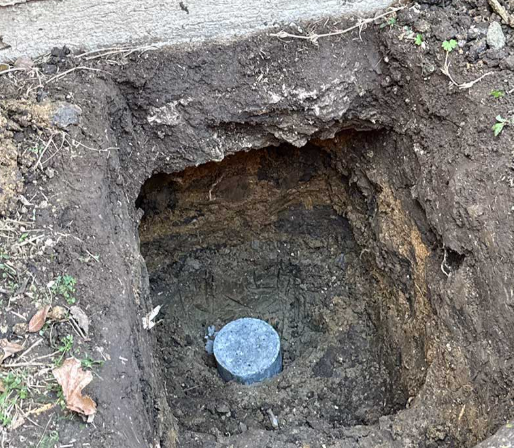
The process usually involves excavating small access holes at strategic points around the foundation perimeter, rather than tearing up large sections of the yard. Steel pier sections are driven hydraulically within these limited work areas, and once the piers are installed, the soil is replaced and the surface is restored as much as possible. For homeowners in established Dallas neighborhoods with mature landscaping or tight lot lines, this more targeted approach is a major benefit over more invasive methods.
Inside the home, disruption is also kept to a minimum. While some projects may require interior piers or temporary access to certain areas, most of the work with exterior steel piers is performed outside the living areas. This means you can often remain in your home throughout the repair, with only modest interruptions. For busy families or homeowners working from home, that faster, more contained installation process is an important quality-of-life advantage.
Structural Confidence And Peace Of Mind
Beyond the technical details, one of the greatest advantages of steel pier foundation repair is the peace of mind it brings. Living in a home where doors stick, floors feel uneven, and cracks seem to grow each season can be stressful. When Dalrock Foundation Repair completes a steel pier project, homeowners often report an immediate sense of relief knowing that the structure has been stabilized with a method designed to stand up to North Texas conditions.
Steel piers are typically installed according to engineering guidelines and load calculations, which means the repair is not guesswork. The lifting and stabilization process is measured and verified, and reputable contractors provide documentation of the work performed. This record is valuable for your own sense of security and also if you decide to refinance or sell the property in the future. Knowing that your home is supported by a system designed for long-term performance reduces the anxiety that often accompanies foundation problems.
That confidence extends to everyday living. Once the foundation has been properly underpinned with steel piers, you can address cosmetic repairs with greater assurance that they will last. You can plan renovations, remodel kitchens or bathrooms, and invest in other improvements without constantly worrying that ongoing settlement will undo your efforts. The structural reliability offered by steel piers creates a stronger foundation—literally and figuratively—for every other investment you make in your home.
Choosing The Right Contractor In Dallas
Even the best steel pier system will only perform as well as the team that designs and installs it. In the Dallas area, choosing a contractor with extensive experience in local soil conditions is critical. Dalrock Foundation Repair has worked on homes across a wide range of neighborhoods, soil profiles, and foundation types, which means they understand how to customize a steel pier solution to each specific property rather than relying on a one-size-fits-all approach.
When evaluating a contractor, homeowners should look for clear explanations of the repair plan, including how many piers are recommended, where they will be placed, and what depth criteria will be used. A trustworthy company will walk you through the process, answer questions about equipment, access, and timelines, and provide a written proposal. They should also be willing to discuss why steel piers are being recommended over other methods and how the chosen system addresses the particular issues in your home.
Warranty and follow-up support are also key considerations. Reputable companies stand behind their steel pier installations with strong warranties and are available if questions arise later. In the dynamic soils of Dallas, that ongoing relationship matters. You are not just buying hardware driven into the ground; you are investing in professional expertise, long-term reliability, and a partner who understands how to protect your home from the unique challenges of the region.
Frequently Asked Questions
How deep do steel piers go under a typical Dallas home? The depth of steel piers varies from property to property because it depends on where stable, load-bearing soil or rock is found. In some Dallas neighborhoods, piers may reach 15–20 feet; in others, they can extend much deeper. During installation, hydraulic equipment measures resistance as each pier is driven. When the pier reaches a point where it will not advance without significant additional force, the crew knows it has encountered a suitable bearing layer. This depth-based approach helps ensure that your foundation is supported by soil that is far less affected by seasonal moisture changes.
Are steel piers better than concrete piers for my home? In many North Texas situations, steel piers offer clear advantages over shallow concrete piers. Steel systems are typically driven deeper and can reach more stable strata, whereas concrete piers often rely on the upper soil layers, which are highly active in our expansive clays. That said, the best solution depends on your specific home, soil conditions, and budget. A company like Dalrock Foundation Repair will evaluate your property, review the pros and cons of each option, and explain why a particular method is recommended so you can make an informed choice.
Will installing steel piers damage my yard or landscaping? Any foundation repair will involve some level of disturbance, but steel pier installation is generally more targeted than many homeowners expect. Technicians excavate localized access holes rather than large trenches, and they work to protect and restore landscaping as much as possible after the piers are installed. While some plants or small sections of lawn near the foundation may need to be temporarily removed, a careful contractor will discuss these areas with you in advance and plan the work to minimize long-term impact on your yard.
How long does steel pier foundation repair usually take? The timeline depends on the size of your home, the number of piers required, and site conditions, but many residential projects in the Dallas area can be completed in a few days. The process typically includes site preparation, excavation of access points, driving the steel piers, lifting and leveling the structure, and then backfilling and cleanup. More complex projects or those involving interior piers may take longer, but your contractor should be able to give you a realistic schedule after evaluating your property.
Will steel piers completely stop all future movement? Steel piers significantly reduce the risk of settlement in the supported areas by transferring the home’s weight to more stable ground, but no system can absolutely guarantee zero movement under every possible condition. Extreme droughts, plumbing leaks, or drainage issues can still affect soils around or between piers. However, when properly designed and installed, steel piers provide a robust, long-term stabilization solution that greatly improves the foundation’s performance. Pairing the repair with good drainage and moisture management around your home will further enhance results and help protect your investment in steel pier underpinning.