
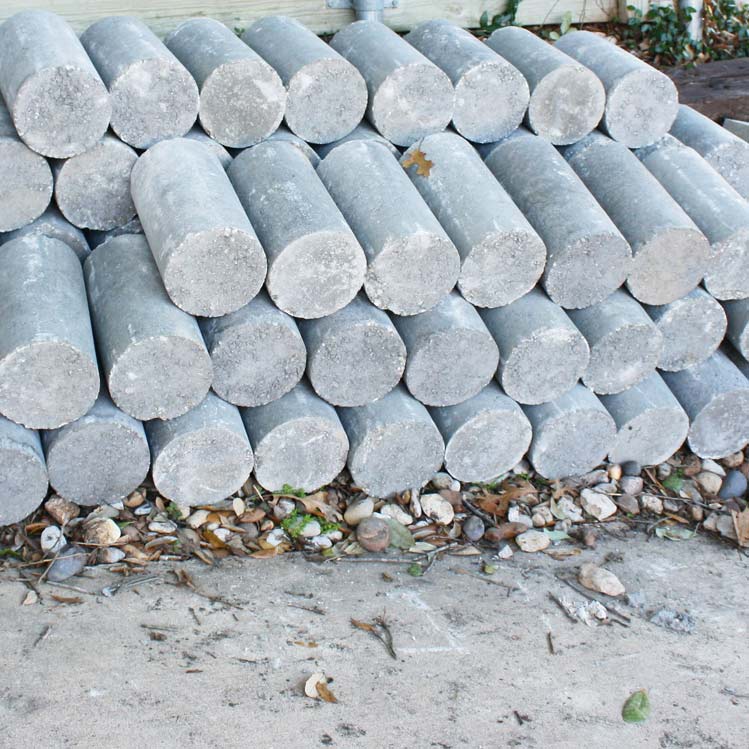
Concrete Pier Foundation Repair Restores Confident Settling
A few weeks after a heavy Dallas rain, one of our homeowners noticed a new “hollow” feel in the dining room—then a closet door that had always closed easily started rubbing on the frame. A hairline crack showed up along a nearby interior wall, and the tile floor developed a slight slope toward the exterior wall.
That pattern is common in North Texas: visible movement shows up after the ground’s moisture changes, but the real problem often starts underneath—when unstable soil and uneven support allow a section of the foundation to settle more than the rest. When the settling is consistent, doors stick, floors un-level, and cracks can widen.
If you’re seeing signs like these, you’re not overreacting. The earlier you address the cause—rather than only patching what’s visible—the better your odds of restoring a stable, confident home.
Quick Answer
Concrete pier foundation repair typically stabilizes a settling or uneven foundation by transferring the home’s load to competent soil deeper underground. In many Dallas-area homes, the biggest driver of ongoing movement isn’t the pier itself—it’s the combination of expansive clay soil behavior and drainage problems that keep the soil too wet or unevenly pressured.
A proper repair starts with an inspection, load path understanding, and a plan that may include pier installation, concrete pier underpinning, and drainage correction.
Signs Your Foundation May Be Moving
Homeowners don’t always notice foundation movement the same way. Here are indicators we see frequently in Dallas and surrounding North Texas neighborhoods:
- Doors or windows that suddenly stick or don’t latch evenly
- Cracks that grow or “step” along corners, window frames, or interior walls
- Floors that feel uneven underfoot or show new separation from walls
- Gaps appearing around baseboards, brick veneer, or exterior trim
- Noticeable slopes in tile, laminate, or hardwood
- Water pooling near the foundation after storms or during prolonged wet weather
What We Commonly See in Dallas Foundations
In North Texas, many homes sit on soils that expand and contract with moisture cycles. After drought conditions, the ground can shrink; after a heavy rain, it can swell. That movement isn’t uniform, especially where water runoff concentrates or where landscaping changes the way water soaks into the soil.
During inspections, we often see:
- Interior slabs or perimeter areas that settled relative to the rest of the structure
- Localized movement near exterior corners or along a wall line where drainage is poor
- Soil that appears “relaxed” in one area (too wet) and “tight” in another (too dry)
- Evidence that previous repairs didn’t address the moisture imbalance
A firsthand observation that guides our approach: the “worst” crack is not always the cause. Sometimes it’s a symptom of support loss deeper in the foundation system. That’s why we focus on stability, load paths, and soil conditions—not just the crack width.
How Concrete Pier Foundation Repair Works (and Why It Restores Settling)
Concrete piers are designed to transfer loads from the foundation down to more stable soil strata. When the existing support is compromised—because the soil can’t consistently support the weight—piers help stop differential settlement.
In a typical concrete pier installation, the process includes:
1. Inspection and mapping movement
We identify where the foundation is high/low, how the structure is behaving, and which areas need direct support.
2. Pier layout based on load paths
Piers aren’t placed randomly. The goal is to support the foundation where it’s actually experiencing loss of support.
3. Concrete pier underpinning
We install piers to the required depth and configuration so they can stabilize the foundation system.
4. Leveling and stabilization
Depending on the movement pattern, the repair may include adjustments that reduce unevenness and relieve stress on walls, floors, and openings.
5. Ongoing protection with drainage correction
Without managing water around the foundation, the soil can keep moving—reducing the long-term effectiveness of structural repairs.
If you want a deeper look at how this service is handled, you can review concrete pier foundation repair and foundation repair company practices we use to plan repairs correctly.
A Realistic Repair Case (Anonymized)
We worked with a homeowner in a North Texas neighborhood where the issue began after repeated wet weather. They reported:
- A staircase area where the landing felt noticeably lower
- New interior cracks near a hallway that ran toward an exterior corner
- Exterior brick veneer showing minor separation around a window area
During inspection, we found the movement wasn’t uniform across the home. One perimeter segment was settling more than adjacent sections, consistent with uneven soil moisture. The soil around that corner had been staying wetter than the rest due to runoff patterns and how the yard drained after storms.
Our repair plan included:
- Concrete pier underpinning for the affected load path
- Targeted stabilization to reduce uneven settling
- Drainage correction to reduce ongoing moisture imbalance near the foundation
After installation, the homeowner noticed doors and interior alignments improving over time as stresses were reduced. The biggest difference they reported wasn’t just the structural stabilization—it was finally having water managed the way the site demanded.
Why Some Repairs Fail Prematurely
The most common reason concrete pier foundation repairs don’t hold up is that the underlying cause keeps working against the structure.
Even a well-installed pier can’t “outlast” an ongoing moisture problem. If water continues to pool, run toward the foundation, or saturate one side of the home repeatedly, the soil environment will continue to change—and movement can return.
In practice, we often see failures when:
- Drainage around the home wasn’t addressed
- Soil was allowed to remain consistently wet (or alternately dry and re-wet)
- Repairs were based only on visible cracks without mapping movement patterns
- Piers were installed without a clear understanding of load paths
For homeowners focusing on the full picture, it helps to pair structural work with drainage correction so the foundation isn’t fighting your yard every season.
Common Mistakes Homeowners Make
1) Assuming all cracks are the same
Hairline cracks can be harmless in some materials or due to normal shrinkage. But cracks that grow, travel along corners, or appear after major moisture shifts are a different story. We treat “crack behavior over time” as a key diagnostic tool.
2) Waiting too long—then trying to patch the symptom
When foundations settle differentially, the wall and floor systems get stressed. Cosmetic patching may hide the damage, but it doesn’t restore support. Eventually, you can end up with more widespread separation.
3) Improving landscaping without rethinking water flow
A new slope, fresh mulch, or regraded yard might look good—but if it redirects runoff toward the foundation, it can worsen soil expansion and contraction.
4) Choosing repair based on price alone
Foundation repair is technical. Pier type, depth, spacing, and drainage strategy all matter. The lowest bid is often the wrong bid when the plan doesn’t match the movement mechanism.
5) Treating drainage like an afterthought
A structural repair can stabilize the home today. Drainage correction helps prevent the soil from reintroducing the same movement tomorrow. This is especially true on expansive clay soils common in North Texas.
Inspection and Prevention Checklist (What to Look For)
If you’re deciding whether to get a professional evaluation, here’s a practical checklist you can use before an inspection—and to help you understand what the crew will be looking at.
Foundation & structure observations
- Measure and photograph cracks (width and length) over time
- Note whether doors/windows stick more at certain times of year
- Watch for new gaps at baseboards, trim, or exterior brick veneer
- Check for floor slope changes (tile grout lines are often a good indicator)
Site and drainage observations
- Look for water pooling after rain (even 24–48 hours later)
- Identify downspout discharge points and where runoff travels
- Check yard grade: does water naturally flow away from the foundation?
- Review any recent landscaping or regrading changes
- Note irrigation schedules—especially if they wet one side of the home more than the other
Quick “risk” indicators in North Texas
- Cracks that correlate with drought-to-rain cycles
- Movement concentrated near exterior corners or wall lines
- Evidence of consistently wet soil near the foundation perimeter
Foundation Repair vs Monitoring
Not every foundation issue requires immediate pier installation. Some cases can be monitored—especially when movement stops and cracks stabilize.
Here’s a simple way to think about it:
| Situation | Monitoring may be enough | Repair is usually recommended |
|---|---|---|
| Cracks are old, stable, and not changing | ✅ | |
| Doors/windows function normally | ✅ | |
| No noticeable floor slope changes | ✅ | |
| Water pooling or recurring drainage problems exist | ✅ | |
| Cracks grow, doors stick, floors slope over months | ✅ | |
| Uneven settlement is visible or repeatable | ✅ |
A key point: monitoring is only useful when the underlying cause is addressed or absent. If moisture is actively driving soil movement, the “wait and see” approach often costs more later.
Dallas / North Texas Relevance: Why Local Soil and Water Matter
Dallas-area geology and weather cycles play a major role in foundation settling behavior. Expansive clay soils can shift significantly as moisture changes—shrinking during drought and swelling during wet periods. That movement becomes more intense when drainage is inconsistent, because the soil around the foundation perimeter can experience different wetting patterns on each side.
We typically see the strongest movement effects when:
- runoff concentrates toward one wall line
- downspouts discharge too close to the foundation
- yard grading or irrigation creates a wet zone
- heavy rain cycles alternate with dry spells
If your home is showing signs after these conditions, it’s a strong indicator that structural support and drainage correction need to be planned together. For homeowners exploring pier options, you may also want to compare approaches through steel pier foundation repair—because the right choice depends on the soil environment and the specific movement mechanism.
Cost Reality: What Often Drives Foundation Repair Estimates
Many homeowners ask about concrete pier foundation installation and steel pier foundation installation costs. While pricing varies by site, the estimate is usually driven by:
- number of piers required and their placement
- pier depth needed to reach stable soil
- access conditions around the home
- whether drainage correction is included
- the extent of existing movement and how much stabilization is needed
A careful inspection is what turns “foundation repair cost” into a real plan you can trust. If you’d like, we can provide a foundation repair estimate after evaluating your movement pattern and site drainage.
References (Useful Context)
- The U.S. Department of Housing and Urban Development (HUD) notes that building movement can be influenced by soil moisture changes and expansive soils, which is a key driver of foundation performance in many regions.
- The Federal Emergency Management Agency (FEMA) emphasizes the importance of understanding how soil, drainage, and water management affect building stability.
- ASTM standards are commonly referenced in geotechnical and construction contexts for testing and evaluation methods related to soil behavior (used by engineers and contractors to characterize site conditions).
- Industry guidance generally recognizes that expansive soil and poor drainage are leading contributors to ongoing settlement and foundation distress in moisture-sensitive regions.
Frequently Asked Questions
How do I know if my foundation cracks are serious?
Cracks are more concerning when they grow over time, appear after moisture swings (drought to heavy rain), travel along corners or window openings, or come with doors sticking and floor slope changes. Hairline cracks that remain unchanged may be less urgent, but they still deserve an evaluation if you notice related structural symptoms.
What causes foundation settling in Dallas, TX?
In Dallas-area homes, foundation settling is often driven by expansive clay soil reacting to moisture changes. Poor drainage, downspout placement, irrigation patterns, and yard grading can create uneven wet/dry zones that cause differential settlement.
Can drainage correction fix foundation settling by itself?
Sometimes drainage helps stabilize a home if the structural system isn’t already suffering significant loss of support. But when movement has already caused uneven settling or stress in walls and floors, drainage correction is usually part of a combined plan—not the only fix.
Are concrete piers better than steel piers?
Neither is universally “better.” The right choice depends on soil conditions, depth requirements, load paths, access, and the specific movement mechanism. An inspection should guide whether concrete pier underpinning or steel pier foundation repair best fits your situation.
Ready to Protect Your Foundation?
If you’re seeing doors stick, cracks progress, or floors develop new slopes—don’t treat it as a cosmetic problem. A targeted foundation repair plan paired with drainage correction can restore stability and help prevent the same movement cycle from returning.
About Dalrock Foundation Repair
Dalrock Foundation Repair provides residential foundation repair, pier installation, and drainage correction services throughout Dallas, TX and surrounding North Texas communities. Our team focuses on accurate inspections, stable structural solutions, and long-term prevention—so homeowners can protect their homes against moisture-driven soil movement.