
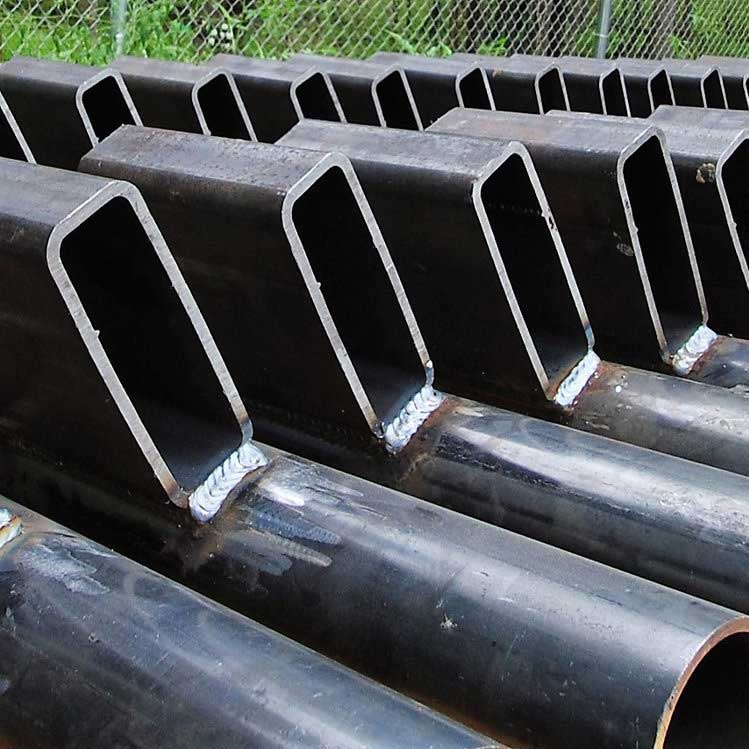
Steel Pier Foundation Repair for Stronger Home Support
A homeowner in North Texas recently called after noticing two things at once: a bedroom door that started sticking in the evenings, and a stair-step crack that slowly widened near a window. They’d also had a few weeks of heavy rain followed by a stretch of hot, dry weather—exactly the kind of cycle that makes Dallas-area soils change volume. The frustrating part? The crack wasn’t “getting worse every day,” so it was easy for the family to assume it would eventually stop.
In our experience, movement often doesn’t happen like a movie where the wall suddenly collapses. It’s usually more subtle: small shifts repeat over time, and the real problem is the foundation losing support in spots—especially when water and soil expansion pull unevenly under the slab or piers.
Steel pier foundation repair is one of the most reliable ways to restore that support when a home has settled, tilted, or is experiencing ongoing movement tied to soil conditions. Below, we’ll explain what steel piers do, when they’re the right choice, and how to avoid the common mistakes that lead to premature failure.
Quick Answer
Steel pier foundation repair uses sturdy steel posts driven or installed to transfer your home’s load to deeper, more stable soil layers. In Dallas and surrounding areas with expansive clay soils and dramatic wet/dry cycles, steel piers can stabilize homes that are settling, showing uneven floors, or developing cracks linked to structural movement.
If you’re seeing sticking doors, uneven floors, or cracks that change after rain/drought, it’s worth getting an inspection. A proper plan focuses on both structural stabilization and drainage correction, because piers can’t fully compensate for persistent water problems.
What Steel Piers Actually Do for Home Support
Most slab-on-grade or pier-and-beam foundations in North Texas rely on soil that doesn’t behave consistently year-round. Expansive clay expands when it gets moisture and shrinks when it dries out. When that happens unevenly, one side of a home can settle more than another.
Steel piers help by:
- Restoring load path: They transfer the weight of the home from the moving, shallow soil to deeper, more competent bearing zones.
- Reducing ongoing settlement: Properly designed pier spacing and embedment helps stop new movement.
- Supporting targeted areas: We often place piers under beams, columns, or at specific interior/exterior locations based on where the structure is actually losing support.
A key detail we look for during site evaluation: Is the foundation issue primarily “settling that needs stabilization,” or is it “settling that’s being repeatedly triggered by water and soil movement”? The best repairs address both.
If you want to compare approaches, you can also review our overview on foundation repair company services and our pier-focused options like steel piers and concrete pier solutions.
Signs Your Foundation May Be Moving
Steel piers are typically considered when you see structural symptoms tied to settlement or tilt. Common indicators include:
- Sticking doors or windows (especially after seasonal moisture changes)
- Uneven floors or bouncing in specific rooms
- Cracks that don’t behave like typical shrinkage
- stair-step cracks near masonry
- cracks that widen over time
- cracks that re-open after heavy rain or drought
- Gaps around exterior doors/windows
- Separating brick veneer or misalignment at corners
- Visible pier/beam stress in crawlspaces (if applicable)
What Homeowners Often Ignore
Many homeowners focus on what they can see—cracks, gaps, and doors. But in Dallas-area homes, one of the biggest drivers of recurring movement is often overlooked:
Water behavior around the foundation.
We frequently find that even after initial stabilization work, movement continues because water keeps pooling or infiltrating the soil under/near the structure. That means piers may be doing their job, but the soil around them is still being repeatedly stressed.
This is why we treat drainage correction as part of the foundation solution—not an optional “extra.” If you’re assessing your situation, our drainage correction services page covers the kinds of improvements we evaluate for long-term stability.
Common Mistakes That Make Foundation Problems Worse
Mistake 1: Assuming cracks are cosmetic
Some cracks are normal, but structural cracks usually come with a broader pattern—misaligned frames, uneven floors, or repeating changes after weather swings.
Mistake 2: Rushing to “patch and paint”
Epoxy and surface repairs can temporarily hide symptoms. If the underlying movement continues, those repairs can fail and cracks may return—sometimes in new locations.
Mistake 3: Ignoring drainage and landscaping
A common Dallas-area scenario: downspouts discharge near walkways, gutters are overwhelmed during storms, or the yard slopes toward the foundation. Even small changes in water flow can create repeated soil expansion and settlement.
Mistake 4: Choosing a repair plan without verified movement causes
A steel pier installation should be designed based on observations and measurements—not just a “standard piers everywhere” approach.
Mistake 5: Delaying inspection until the problem is obvious
By the time doors stick constantly or floors noticeably slope, movement may already have progressed. Early inspection often leads to simpler, more targeted stabilization.
Our Experience With North Texas Soil Conditions
Dallas and much of North Texas sit over soils that can expand and shrink significantly. In practical terms, this means foundation stability can change with:
- Drought periods (shrinkage and void development)
- Heavy rainfall (expansion and loss of bearing consistency near the surface)
- Rapid temperature swings (moisture movement and freeze-thaw effects in some conditions)
- Lateral water migration (water moving sideways through soil toward foundation edges)
One firsthand observation we make during site evaluations: the foundation usually isn’t failing uniformly. The most stressed areas often line up with where water collects, where landscaping interrupts natural runoff, or where the soil profile changes across the site.
That’s also why steel pier foundation repair is often most effective when it’s paired with a drainage plan. It’s not just about bracing the home—it’s about reducing the repeating trigger.
Inspection & Prevention Checklist (What We Look For)
When you schedule an inspection, a good foundation assessment should include more than “looking for cracks.” Here’s a practical checklist homeowners can expect us to cover:
Visual and structural checks
- Measure crack widths and note crack patterns (especially stair-step and corner cracks)
- Check doors/windows for misalignment and binding
- Inspect floor levels for noticeable slope or bounce
- Look for signs of beam/column stress in accessible areas
Site and water behavior checks
- Identify where water flows during heavy rain (downspouts, grading, low spots)
- Check for evidence of persistent moisture near foundation edges
- Evaluate yard slope and how landscaping affects runoff
- Note any irrigation schedules that could be overwatering near the foundation
Documentation and measurements
- Record measurements at key points so changes can be tracked
- Confirm that proposed pier placement aligns with where the structure needs stabilization
Steel Pier Foundation Repair vs. Other Options (When Steel Makes Sense)
Steel piers are commonly chosen when the home needs more robust support and when soil conditions require deeper stabilization. While every case is unique, steel piers are often a strong fit for:
- homes with noticeable settlement or tilt
- structures showing ongoing movement symptoms
- scenarios where the soil profile suggests shallow bearing isn’t reliable
- repairs that require precise load transfer to stable zones
Concrete piers can also be effective in many situations, but selection depends on the specific foundation type, soil conditions, and the engineered repair plan. If you want to compare the options, see concrete pier foundation installation and discuss which approach matches your case.
A quick pros/cons snapshot (general guidance)
| Option | Best for | Common considerations |
|---|---|---|
| Steel piers | Targeted structural stabilization; deeper support needs | Requires correct design/placement and proper drainage control |
| Concrete piers | Many settlement/stabilization scenarios | Same principle applies: water management matters |
A quality contractor will explain why their recommended option matches your home’s movement pattern—not just the foundation’s age or appearance.
A Realistic Repair Case (Anonymized Example)
We worked with a homeowner whose home developed several symptoms after seasonal swings: a widening corner crack near a window, a slight separation at a brick veneer line, and a noticeable change in how floors felt in one side of the house. They weren’t sure whether the crack was “serious” because it wasn’t dramatic.
During the inspection, we found:
- the symptoms weren’t isolated to one cosmetic spot—they lined up with a structural imbalance
- the affected area corresponded with a drainage pattern where water concentrated after storms
- the soil showed signs consistent with moisture-related movement (typical for the area)
The repair plan included steel pier foundation installation to restore the load path, plus drainage improvements to reduce repetitive soil expansion under the problem zones. After stabilization, we also focused on preventing water from returning to the same areas that triggered movement in the first place.
The homeowner’s main takeaway: the pier work addressed the structural support, but the drainage correction helped keep the problem from repeating.
Drainage or Structural Stability? We Recommend Addressing Both
A foundation repair that stops at structural stabilization can still feel “unfinished” if water continues to feed the soil movement. In North Texas, drainage isn’t a separate issue—it’s often the cause behind the recurring cycle.
Our approach typically includes:
- Stabilize the structure with the right pier system and placement
- Correct the water path so the soil under and around the foundation isn’t repeatedly saturated
- Reduce future triggers through grading, downspout management, and yard runoff improvements
You can think of it like this: steel piers restore support; drainage correction restores stability conditions.
If you’re currently dealing with pooling or runoff, we can help evaluate yard drainage correction and foundation water drainage solutions tailored to how your property handles storms.
Quick Dallas / North Texas Relevance: Why This Matters Here
In Dallas and surrounding North Texas neighborhoods, foundation movement is often tied to the region’s expansive clay soils and the wet/dry cycles that come with them. That’s why two homes with the same “type” of crack can have very different root causes depending on:
- how water runs off the roof and yard
- where irrigation hits the soil near foundation edges
- whether the soil profile changes across the site
- how quickly the soil dries after heavy rain
The most reliable repairs are the ones designed around local movement behavior—not just generic foundation troubleshooting.
Key Takeaway
Steel pier foundation repair can provide strong, long-term stabilization when your home is settling due to unstable soil conditions. But for durable results in Dallas-area properties, the repair plan should also address drainage—because recurring water problems are a common reason movement comes back even after structural work.
FAQ
How do I know if I need steel pier foundation repair?
If you’re seeing structural symptoms like sticking doors, uneven floors, or cracks that widen after rain/drought, you likely need a detailed inspection. Steel piers are often recommended when the home requires deeper stabilization and the soil near the surface isn’t providing consistent support. A proper evaluation should map symptoms to specific areas and confirm the repair design based on site conditions.
What’s the difference between foundation leveling and foundation repair?
Foundation leveling usually refers to correcting unevenness by stabilizing and, in some cases, lifting parts of a structure back toward a more level position. Foundation repair is broader—it includes stabilizing the cause of movement (often soil and drainage issues) and addressing structural components that are affected. In many Dallas-area cases, leveling without drainage correction won’t hold long-term.
Can drainage problems damage a foundation?
Yes. Persistent moisture can expand expansive clay soil, weaken nearby bearing, and create uneven movement. Even if the foundation initially looks stable, repeated wetting can lead to new cracks, door/window misalignment, and renewed settlement. That’s why drainage correction is frequently paired with pier installation.
How long does foundation repair usually take?
Timelines vary based on repair scope, site access, and how many pier locations are needed. Many stabilization projects can be completed in stages, with scheduling dependent on soil conditions and design requirements. A contractor should provide a realistic plan after inspection and measurement.
Ready to Protect Your Foundation?
If you’re noticing cracks that seem to change with the weather, doors that stick, or floors that feel uneven, don’t wait for the problem to become obvious. Early inspection helps identify the real movement causes—so your repair plan can stabilize the structure and correct the drainage conditions that keep triggering the issue.
About Dalrock Foundation Repair
Dalrock Foundation Repair provides residential foundation repair, steel pier and concrete pier installation, drainage correction, and structural stabilization services throughout Dallas, TX and surrounding North Texas communities. The company focuses on long-term solutions, accurate inspections, and helping homeowners address foundation movement caused by regional soil and drainage conditions—so repairs hold up through the next wet/dry cycle.