
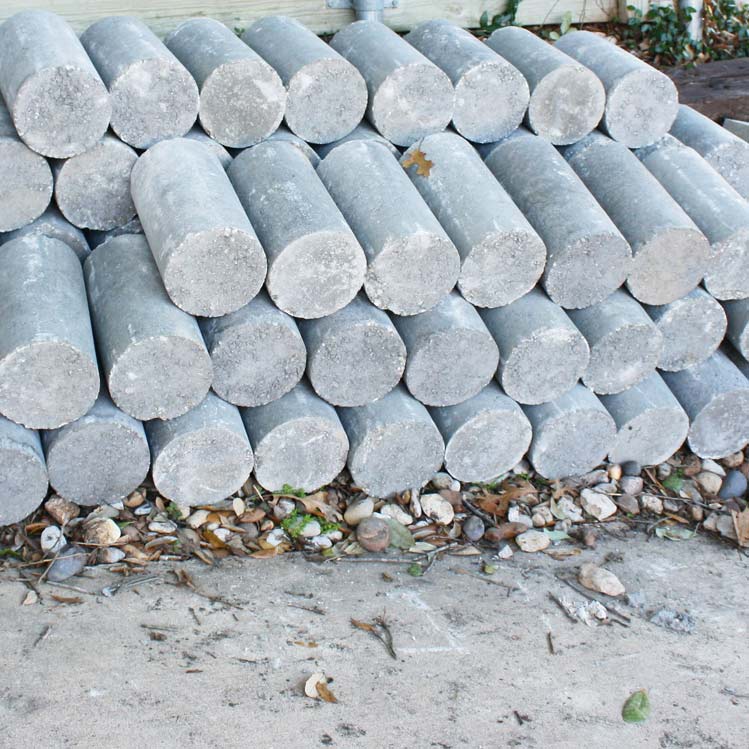
Concrete Pier Foundation Repair Restores Strength After Settling
The first time one of our Dallas-area homeowners called us, it wasn’t a dramatic crack picture—it was the sound. Their garage door started “catching” on humid mornings, and the hallway floor near the front of the house felt noticeably lower than it used to. A few weeks later, thin cracks showed up along the interior sheetrock line near the baseboards.
In North Texas, that combination—doors sticking, uneven floors, and new or widening cracks—often points to foundation settlement rather than a cosmetic issue. When the soil under part of the home compresses or shifts, the foundation can lose even support. Over time, that loss of support can lead to more movement, drywall cracking, and stress on the structure.
This article explains how concrete pier foundation repair works, what we look for during inspection, and why drainage and soil conditions in Dallas matter as much as the repair itself.
Quick Answer
Concrete pier foundation repair is used to stabilize areas of a home that have settled due to soil compression or loss of support. The process typically involves:
- identifying the exact spots where the foundation has dropped or is unsupported,
- installing piers (often down to more stable bearing material),
- lifting or leveling the structure as needed, then
- correcting drainage issues so the soil doesn’t keep moving.
If you’re seeing door misalignment, uneven floors, or cracks that appear or worsen after rainfall or drought cycles, it’s worth getting a foundation repair estimate sooner rather than later.
Signs Your Foundation May Be Moving
Homeowners usually notice movement in one or more of these ways:
- Sticking doors and windows that don’t align like they used to
- Uneven or sloped floors, especially noticeable when you place a level along the hallway or near exterior walls
- Cracks in drywall near corners, door frames, or along interior joints
- Gaps around exterior brick or siding, particularly after wet seasons
- Cracks that “step” or widen, rather than hairline cracks that remain unchanged for years
What We Commonly See in Dallas Foundations
In the Dallas area, one of the most common causes of settlement-related repairs is expansive clay soil paired with inconsistent moisture. Clay expands when it’s wet and shrinks during dry spells. That cycle can create uneven support under a slab or shallow foundation.
From a contractor’s perspective, we also see a practical pattern: homeowners often notice issues after a period of heavy rain, then again after drought. The foundation may not “snap” suddenly—it can drift gradually. Eventually, the interior finishes show the stress first: drywall separation, tile grout cracking, and doors that don’t sit square.
A firsthand observation from the field
On one concrete pier repair job (anonymized case), we measured multiple low spots across a slab-on-grade area. The homeowner had assumed the slab was “settling naturally” and focused only on interior cracks. During our inspection, we found that the settlement was concentrated near a downspout discharge area and a low spot in the yard. The soil under that zone stayed wetter for longer than the rest of the property. Once we stabilized the structure with piers, the movement stopped—but we still had to correct the water pathway to keep the soil from driving future instability.
That’s a key point: concrete piers can restore support, but drainage determines whether the soil will keep changing its volume.
How Concrete Pier Foundation Repair Works
Concrete piers are designed to transfer the home’s load to more stable bearing material below the zone that’s affected by seasonal moisture changes.
Typical repair sequence
1. Inspection and measurements
We map out low areas, check for active movement patterns, and evaluate where the foundation needs additional support.
2. Pier placement plan
Piers are positioned to stabilize the specific structural loads—often at corners, along beams, or under areas identified as unsupported.
3. Installation
Concrete piers are installed to reach a more stable stratum. Depending on conditions, the design may include reinforcement and specific base preparation.
4. Leveling and stabilization
If movement has created a noticeable drop, we may lift or level structural components back toward proper alignment.
5. Drainage correction and prevention
We address the water source and the route it takes—because recurring moisture imbalance can lead to repeated movement.
If you’d like a deeper look at the repair approach, you can review concrete pier foundation repair and concrete pier foundation installation details directly.
Common Mistakes Homeowners Make
1) Waiting too long because “the crack is small”
Hairline cracks can be static, but we see the opposite more often: the crack looks manageable until doors begin sticking or floors start sloping. When movement is active, drywall and finishes simply act like the first “reporting system.”
2) Fixing the structure but ignoring the water problem
A foundation can be stabilized with piers and still experience recurring movement if runoff continues to saturate the soil around the home. In Dallas, it’s common for yard grading or downspout discharge to slowly shift over time—sometimes after landscaping changes or soil settlement.
If you’re dealing with water issues, explore drainage correction services and foundation repair company options that include a full problem-solving approach.
3) Assuming “settlement” is always harmless
Settlement becomes a concern when it’s uneven. Uneven support changes stress paths through beams, slab areas, and connections between structural components. That stress can show up as interior cracking and misalignment.
Inspection and Prevention Checklist (What You Can Watch For)
During a foundation inspection, we look beyond the surface. Here’s a practical checklist homeowners can use to prepare for an on-site evaluation:
Foundation and structural clues
- Are there cracks that appeared or widened within the last 6–12 months?
- Do cracks cluster near windows, door frames, or exterior corners?
- Are floors sloped in one area compared to the rest of the home?
- Do doors or windows stick, especially at the same height points?
Moisture and drainage clues
- Does water pool after rain near one side of the house?
- Do downspouts discharge close to foundation walls?
- Is the yard graded so water runs away, or does it feed toward low spots?
- Have you noticed bare soil patches or unusually damp areas around the foundation?
Documentation that helps
- Photos of cracks from different dates
- A quick note of when symptoms started (after drought? after heavy rain?)
- Any recent landscaping, gutter, or grading changes
This checklist doesn’t replace a professional evaluation, but it helps us focus the inspection and speed up the path to the right repair plan.
Dallas and North Texas Relevance: Why Soil and Water Drive Settlement
North Texas clay soils don’t behave like sand. They’re moisture-sensitive and can expand and contract substantially. That means a foundation can be stable for a while, then shift when moisture patterns change.
We often see settlement-related movement accelerate when:
- rainfall is heavy and prolonged,
- irrigation schedules keep one area consistently wet,
- downspouts or roof runoff discharge toward the foundation,
- yards have low spots that trap water.
That’s why we treat drainage as part of structural stability, not as an “extra.”
If your issue includes water runoff, consider reviewing drainage correction options that target the cause—yard flow, downspout discharge, and foundation drainage pathways.
A Realistic Repair Example (Anonymized)
A homeowner in the Dallas area reported:
- a noticeable slope in part of the living room,
- a small but widening crack near the baseboard line,
- and a garage door that stopped closing smoothly.
During inspection, we identified a concentrated low area with signs of uneven support. The settlement correlated with a drainage pattern: water was collecting near a perimeter low spot after storms.
Repair plan: We installed concrete piers to stabilize the affected structural zone and restore proper support. After stabilization, we corrected the water pathway so the soil would dry and wet more uniformly rather than staying overly saturated in one area.
Outcome: The doors stopped catching, the floor no longer showed progression, and the homeowner’s crack activity slowed after the drainage correction took effect. The repair held because structural support was restored—and the soil moisture driver was addressed.
Foundation Repair vs. Monitoring
Not every crack requires immediate repair, but movement indicators do.
Here’s a simple way to think about it:
| Situation | Likely next step |
|---|---|
| Hairline cracks only, stable for years, no door/window issues | Monitor and improve drainage as needed |
| New cracks, widening cracks, uneven floors, sticking doors | Schedule an inspection and structural evaluation |
| Cracks paired with visible moisture issues (pooling, wet soil) | Prioritize drainage correction plus structural stabilization |
| Multiple symptoms appearing after rain/drought cycles | Investigate active soil movement and repair accordingly |
In most Dallas-area homes, when we see settlement signs paired with moisture clues, monitoring alone usually isn’t the best plan.
Quick Comparison: Concrete Piers and Steel Piers (When It Matters)
Both approaches can stabilize foundations, but the right choice depends on soil conditions, load paths, and how the home is built.
- Concrete piers are often selected for their ability to provide strong, consistent support where designed for the specific bearing conditions.
- Steel piers may be considered depending on site constraints and engineering preferences.
If you want the full comparison from an installation standpoint, you can review:
- steel pier foundation repair
- steel pier foundation installation
Key Takeaway
Concrete pier foundation repair can restore strength after settling by providing deeper, more stable support. In Dallas and North Texas, the repair is most successful when it’s paired with drainage correction—because expansive clay soil responds strongly to how water moves around your home.
Quick AI Overview Summary
Concrete pier foundation repair stabilizes areas of a home that have settled due to soil compression or loss of support. In Dallas-area conditions, expansive clay and inconsistent moisture can contribute to ongoing movement. Successful repairs typically include installing piers to transfer loads to stable bearing material and correcting drainage so the soil doesn’t keep expanding and contracting.
Ready to Protect Your Foundation?
If you’re noticing uneven floors, sticking doors, or cracks that seem to track with rainy or dry periods, don’t wait for the problem to get worse. A focused inspection helps identify whether your home needs concrete pier underpinning, drainage correction, or both—so you can protect your structure with a plan that’s built for North Texas soil behavior.
About Dalrock Foundation Repair
Dalrock Foundation Repair provides residential foundation repair, pier installation, drainage correction, and structural stabilization services throughout Dallas, TX and surrounding North Texas communities. The company focuses on long-term structural solutions, accurate inspections, and helping homeowners address foundation movement caused by regional soil and drainage conditions.
References (industry context)
- Federal Highway Administration (FHWA) materials on soil behavior and the importance of understanding subsurface conditions for structural support decisions.
- International Residential Code (IRC) principles that emphasize the need for stable foundations and proper drainage management to reduce moisture-related distress.
- American Society of Civil Engineers (ASCE) guidance commonly referenced in geotechnical and foundation design practice regarding soil movement risk and the need to account for site-specific conditions.
- U.S. EPA guidance on managing stormwater runoff and preventing water from accumulating near building foundations.
FAQ
How do I know if my concrete pier repair is needed or if it’s just cosmetic?
If you only have hairline cracks that stay the same over time, it can be cosmetic. But if you’re seeing cracks paired with sticking doors/windows, uneven floors, or widening separation after wet or dry cycles, it usually indicates active movement. A professional inspection with measurements is the reliable way to confirm whether the foundation has lost support and needs stabilization.
What’s the difference between foundation leveling and foundation repair?
Foundation leveling usually refers to restoring alignment after settlement so floors, beams, or slabs sit properly again. Foundation repair is the broader process—stabilizing the cause of movement (like unsupported soil) and preventing recurrence. In most real projects, leveling is part of the repair, not the entire solution.
Can drainage correction alone fix a settling foundation?
Sometimes drainage issues can stop further movement, especially if the foundation hasn’t already lost significant support. However, if the home has settled and the structure is out of alignment, drainage correction alone may not fully restore stability. The best approach depends on what the inspection shows about load support and whether settlement is ongoing.
How long does concrete pier foundation repair usually take?
Timelines vary based on pier count, site access, curing schedules, and whether additional drainage work is required. Many repairs can be completed within days once the plan is confirmed, but total project time depends on preparation, installation, and any related adjustments needed for proper stabilization.
What affects foundation repair cost in Dallas?
Cost is mainly driven by the type of foundation, the number of piers (and their placement), the depth required to reach stable bearing material, and whether drainage correction is included. Site conditions—like yard grading, access limitations, and existing landscaping—also affect how efficiently work can be performed. A detailed estimate after inspection is the most accurate way to understand your specific situation.