
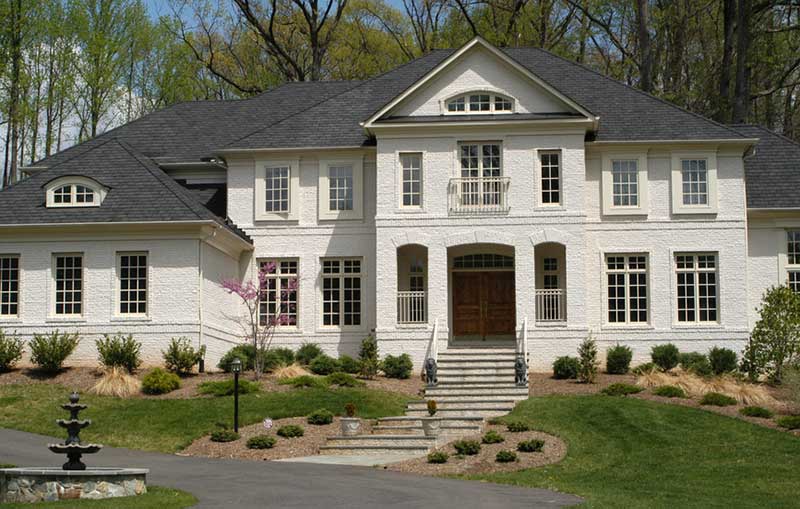
Foundation Repair Plan Featuring Steel Pier Stabilization
A shifting foundation in Dallas rarely happens overnight. It starts with a sticky door in August, a hairline crack above a window, or a section of floor that suddenly feels uneven. In North Texas, where expansive clay soils swell when wet and shrink during drought, those “small” signs can quickly turn into serious structural problems if they’re not addressed with a well-planned repair strategy.
Regional engineers estimate that more than half of homes in the Dallas–Fort Worth area will experience some level of foundation movement during their lifetime. Insurance industry data also shows that Texas consistently ranks among the top states for structural claims related to soil movement. For homeowners and property managers in Dallas, ignoring foundation issues isn’t just risky—it can be very expensive.
This guide walks through how a comprehensive foundation repair plan works, with a special focus on steel pier stabilization. You’ll learn how experienced contractors evaluate foundations, when steel piers are the right choice, how they compare to concrete piers and drainage correction, and what to expect in terms of cost, longevity, and disruption to your property.
Key Insight: A strong foundation repair plan in Dallas is never “one size fits all”—it blends structural solutions like steel piers with drainage and soil management tailored to your property and our unique North Texas conditions.
Why Dallas Foundations Fail: Soil, Weather, and Construction Realities
Dallas sits on highly expansive clay soil. That soil is the root cause behind most residential foundation problems in the area. When it rains, the clay soaks up water and expands. During our long dry spells, it contracts and shrinks. Your foundation rides that movement year after year.
Over time, this cycle can lead to:
- Sloping or uneven floors
- Cracks in drywall, brick, or tile
- Doors and windows sticking or not latching
- Gaps between trim and ceilings or floors
“Expansive clay soils are responsible for more home damage annually than floods, tornadoes, and hurricanes combined.” — American Society of Civil Engineers
In Dallas, that statistic feels very real. Dalrock Foundation Repair regularly inspects homes where seasonal movement has turned into permanent settlement. For example, a homeowner in Richardson noticed a diagonal crack in the brick veneer and a separation at the garage door header. Our detailed evaluation showed the front right corner of the slab had dropped nearly two inches due to chronic drying of the soil under that part of the home.
The key takeaway: these symptoms are not cosmetic. They’re structural clues that your house is moving. A thorough assessment by experienced foundation repair specialists is the first step in deciding whether you need targeted residential foundation repair, full house foundation repair, or simply improved drainage.
As we move into the specifics of steel pier stabilization, it’s important to understand that the soil and water around your foundation are just as critical as the piers under it.
Building a Foundation Repair Plan: Assessment Before Action
A reliable repair starts with a detailed plan. At Dalrock, that plan is built from engineering principles, field experience, and local knowledge of Dallas soils and construction practices.
A typical assessment includes:
- Visual inspection of interior and exterior
- Floor elevation readings to map high and low points
- Review of drainage patterns and gutter/downspout placement
- Evaluation of landscaping and tree placement
- Identification of structural vs. cosmetic cracks
From there, a customized repair plan is developed. That plan might combine structural foundation repair using steel or concrete piers with drainage correction services and ongoing monitoring.
“Any foundation repair plan that doesn’t start with data—elevation readings, crack mapping, and drainage evaluation—is guesswork.” — Senior Project Manager, Dalrock Foundation Repair
A Dallas Case Study: Assessment Changing the Solution
A homeowner near White Rock Lake requested a foundation repair estimate after noticing interior drywall cracks and sloping floors. They had already received a quote elsewhere recommending piers across almost the entire perimeter.
Our assessment showed something different:
- Elevation readings indicated settlement focused primarily on the back-left corner.
- The worst movement aligned with a downspout discharging right next to the foundation.
- The front of the house was within acceptable tolerance and showed no signs of distress.
Instead of installing piers around the entire home, the final plan involved:
- Steel piers at the affected corner for long-term stabilization
- Redirecting gutters and adding surface drains
- Monitoring the front portion of the home with annual checks
This approach reduced the immediate foundation repair cost while still addressing the root causes. It also preserved more of the yard and landscaping.
Steel Pier Stabilization: How It Works and When It’s Best
Steel pier systems are a modern, high-strength solution for homes experiencing significant or ongoing settlement. They’re especially valuable in areas like Dallas where soil conditions can be severe and variable.
How Steel Pier Underpinning Works
With steel pier foundation repair, contractors drive high-strength steel sections down through unstable soils until they reach a load-bearing stratum—often bedrock or very dense material. The piers are then locked to the foundation and used to stabilize and, in many cases, lift the structure.
Key steps in steel pier foundation installation:
- Excavate small access holes along the foundation beam
- Attach steel brackets to the foundation
- Drive steel pipe segments hydraulically to refusal (load-bearing depth)
- Transfer the weight of the structure onto the piers
- Carefully attempt to lift and re-level the structure where appropriate
- Backfill and restore landscaping as much as possible
“Steel pier systems are designed to bypass the problem soils entirely, transferring loads to deeper, more stable layers.” — Structural Engineering Council
Local Example: Deep Support for a North Dallas Home
In North Dallas, Dalrock worked on a home where previous spot repairs using shallow methods had failed. New cracks appeared, and earlier attempts at foundation leveling didn’t hold.
Our team installed a series of deeply driven steel piers along the affected side:
- Piers were driven to depths exceeding 25 feet in some locations
- The structure was carefully lifted, closing many of the existing cracks
- Long-term monitoring showed no measurable movement in subsequent years
This case underscored why steel piers are often the preferred method in parts of Dallas with deeper layers of unstable clay.
Steel Piers vs. Concrete Piers: Choosing the Right System
Both steel and concrete piers are widely used in North Texas, and both can be effective when properly installed. The right choice depends on soil conditions, structural loads, budget, and long-term goals.
Dalrock installs both concrete pier foundation repair systems and steel piers, which allows us to recommend what’s truly best for your property rather than forcing a single solution.
Comparison: Steel Piers vs. Concrete Piers in Dallas
| Feature / Factor | Steel Piers | Concrete Piers |
|---|---|---|
| Typical Depth in Dallas | Deeper, often 20–30+ feet | Shallower, often 8–12 feet |
| Load Transfer | To deeper, more stable strata | To upper clay layers |
| Installation Impact | Smaller excavation, more equipment | Larger holes, more soil displacement |
| Long-Term Performance | Excellent in highly expansive soils | Good in moderate conditions |
| Relative Steel Pier Foundation Cost | Higher upfront | Lower upfront |
| Relative Concrete Pier Foundation Cost | Lower to moderate | Usually lowest initial cost |
| Best Use Cases | Significant settlement, high structural loads | Moderate settlement, lighter structures |
A homeowner in Garland provides a clear example. They requested quotes from several concrete pier foundation contractors and steel pier foundation contractors. The front of the home had dropped nearly three inches, and the property sat on particularly problematic clay.
Our engineering review recommended a combination:
- Steel piers along the heavily loaded front section
- Concrete piers along a lightly loaded side addition
This hybrid approach balanced long-term performance and budget while still providing reliable foundation settling repair.
“Matching the repair system to the structure and soil conditions is more important than choosing the cheapest or trendiest method.” — Dalrock Foundation Repair
The Role of Drainage Correction in Long-Term Stability
Even the best pier system can be undermined by poor drainage. In Dallas, heavy downpours followed by long dry spells put enormous stress on foundations. Correcting water flow around your home is often just as important as installing piers.
Drainage correction focuses on keeping water away from your foundation and managing how it moves across your property. Dalrock regularly integrates foundation drainage correction into repair plans to protect the investment in structural work.
Common poor drainage solutions and upgrades include:
- Regrading soil to create positive slope away from the foundation
- Installing surface drains or French drains to redirect water
- Extending downspouts several feet from the house
- Addressing low spots where water ponds near the slab
“Water is the number one enemy of foundations in expansive soils—control the water, and you control most of the movement.” — Geotechnical Engineering Manual
Real-World Example: Saving a Plano Home from Repeat Problems
A Plano homeowner had previous pier work done by another contractor. Despite that, new cracks kept appearing. Our evaluation showed:
- Gutters dumped water directly beside the foundation
- The backyard sloped toward the house
- Significant soil heave on the wet side, while the dry side was settling
We designed a combined solution:
- Adjusted and extended gutters and downspouts
- Installed area drains to address drainage problems around foundation
- Added a limited number of steel piers in the most affected corner
Within a year, the home’s movement had stabilized, and new cracking stopped. This is a classic example of how yard drainage correction protects both your home and your repair investment.
Understanding Costs, Estimates, and Value in Dallas
Homeowners often ask two big questions: “What will this cost?” and “How long will it last?” While every property is different, understanding how cost of foundation repair is determined can help you evaluate bids fairly.
What Affects Foundation Repair Cost?
- Number and type of piers (steel vs. concrete)
- Required depth to reach load-bearing soil
- Accessibility (landscaping, patios, driveways)
- Need for additional services like drainage repair near me
- Severity and extent of structural damage
A straightforward steel pier underpinning project on a single side of a home will typically cost less than a full-perimeter job requiring driveway removal and replacement. Likewise, a home that needs both piers and extensive drainage work will cost more initially but may avoid repeated repairs later.
Traditional vs. Comprehensive Approach: Cost Comparison
| Approach | Short-Term Cost in Dallas | Long-Term Risk / Cost |
|---|---|---|
| Minimal piers, no drainage improvements | Lowest | Higher risk of future movement |
| Concrete piers only, limited evaluation | Low to moderate | May underperform in worst soils |
| Steel piers only, no water management | Moderate to high | Strong support, but soil still moves |
| Combined piers + drainage correction plan | Higher upfront | Lowest long-term risk, more stable |
A Dallas homeowner who focuses only on the lowest bid may end up paying more over time if the repair doesn’t address underlying causes. That’s why a detailed, transparent foundation repair estimate is so important.
“Value in foundation repair isn’t just about price per pier—it’s about how well the whole plan protects your home over the next 10, 20, or 30 years.” — Dalrock Foundation Repair
What This Means for Homes and Properties in Dallas
Dallas homeowners face a perfect storm of conditions that challenge foundations: expansive clay soils, intense summer heat, occasional hard freezes, and heavy storm events. That combination makes a thoughtful, engineered repair plan essential.
A well-designed plan from experienced foundation repair contractors will:
- Stabilize your home structurally using the right pier system for your soil and load
- Manage water around your property with targeted land drainage correction
- Preserve as much of your landscaping and hardscape as possible
- Provide a realistic view of long-term expectations and maintenance
For property managers and investors, this is also a critical asset-protection strategy. A building with unresolved foundation issues can lose resale value, face higher repair costs in the future, and create headaches with tenants and inspections.
Dalrock Foundation Repair has spent years working on homes near downtown Dallas, in suburbs like Plano, Frisco, and Garland, and in older neighborhoods with pier-and-beam or slab-on-grade construction. That local experience matters. It means we’ve seen how different soils behave across the metroplex and how different repair methods hold up over time.
Ultimately, a strong foundation repair plan is about more than closing cracks—it’s about restoring confidence that your home is safe, stable, and ready for the next Texas storm season.
Frequently Asked Questions
Q: How do I know if I really need steel piers instead of concrete piers?
A: The decision between steel and concrete piers should be based on soil conditions, the amount of settlement, and the structural loads of your home. In many Dallas neighborhoods, deeper, more unstable clay layers make steel pier underpinning a better long-term solution because steel piers can reach more stable strata. A thorough evaluation by qualified foundation repair specialists should include elevation readings, soil considerations, and an explanation of why one system is recommended over another. If you only receive a “one-size-fits-all” solution without supporting data, consider getting a second opinion from a contractor who installs both systems.
Q: What does the foundation repair process look like at my home?
A: For most slab homes in Dallas, the process begins with a detailed inspection followed by a written plan. On installation day, the crew will mark pier locations, remove sections of landscaping or hardscape as needed, and excavate small access holes. Steel pier foundation installation or concrete pier foundation installation then takes place, with piers driven or poured at each location. Once the piers are ready, the structure is carefully lifted where appropriate, and elevations are re-checked. Finally, the crew backfills, compacts the soil, and restores disturbed areas as much as possible. Most projects take a few days, depending on size and complexity.
Q: How much does foundation repair usually cost in Dallas?
A: The cost of foundation repair varies widely based on the number of piers, the type of system used, depth requirements, and whether additional work like drainage correction is needed. Smaller jobs with limited concrete pier underpinning may be on the lower end, while large homes requiring extensive steel pier foundation repair can be significantly more. What matters most is value over time. A slightly higher upfront investment in the right system and proper drainage can prevent repeat repairs and protect your home’s value. A detailed, itemized estimate from a reputable foundation repair company will help you understand exactly what you’re paying for.
Q: Can drainage issues alone cause foundation problems, even if my house is newer?
A: Yes. Poor drainage is a major driver of foundation movement in North Texas, regardless of a home’s age. Concentrated water near the slab can soften soils, cause them to swell, and create differential movement across the foundation. Dalrock frequently sees newer homes in fast-growing Dallas suburbs needing foundation water drainage solutions within just a few years of construction. Corrective measures like yard drainage correction, regrading, and improved gutter systems can often stabilize conditions and reduce the need for extensive structural work later. Addressing drainage problems around foundation early is one of the most cost-effective steps you can take.
Q: Will foundation repair damage my landscaping or hardscape?
A: Some disruption is unavoidable because contractors must access the foundation beam to install piers. This may involve removing and replacing sections of sidewalk, patios, or shrubs. However, experienced foundation repair contractors plan pier placement to minimize impact while still achieving structural goals. At Dalrock, we communicate clearly about what will be affected and how it will be restored. In many cases, landscape beds can be carefully removed and replanted. If you have significant hardscape or mature trees close to the house, discuss those concerns upfront so your repair plan balances structural needs with aesthetics.
Q: How long will my foundation repair last?
A: Properly designed and installed steel pier foundation repair near me or concrete pier foundation repair near me should provide long-term stabilization. Steel piers, in particular, are engineered to reach deeper, more stable layers, making them highly durable in Dallas soils. That said, foundations can still experience minor seasonal movement, and new environmental changes—like major trees being removed or added—can affect soil behavior. Many reputable contractors offer warranties on their structural work, especially for steel pier underpinning contractors systems. Pairing structural repairs with good drainage repair near me and ongoing maintenance gives you the best chance for decades of performance.
Q: What if I’m planning to sell my home—should I repair the foundation first?
A: In most Dallas transactions, visible signs of foundation issues will raise red flags for buyers and their inspectors. Addressing needed cracked foundation repair and stabilizing the structure before listing often makes the sale smoother and can protect your negotiating position. Buyers tend to feel more comfortable when a reputable foundation repair company has already completed the work and provided documentation and warranties. If your budget is tight, a professional evaluation and written plan from qualified foundation repair specialists can still be valuable for negotiations, even if you and the buyer agree to share the cost of repairs.
Ready to Get Started?
Foundation issues rarely improve on their own in Dallas’s expansive clay soils. The longer a problem goes unaddressed, the more likely it is to spread, affecting more of your home and increasing repair costs. Acting now—before another season of heavy rains or extreme drought—can make the difference between a focused repair and a major structural project.
Dalrock Foundation Repair offers detailed evaluations, transparent foundation repair services, and tailored plans that may include steel pier foundation repair, concrete pier foundation repair, and drainage correction services. Our team understands Dallas neighborhoods, soils, and construction practices, and we’re committed to solutions that protect your home for the long term.
Your next steps are simple:
- Schedule a professional assessment of your home
- Review a clear, written repair plan and estimate
- Ask questions until you’re fully comfortable with the approach
With decades of local experience and a reputation for honest guidance, Dalrock is ready to help you restore stability and peace of mind.
About Dalrock Foundation Repair
Dalrock Foundation Repair is a locally owned and operated foundation repair company serving Dallas, TX, and the surrounding metroplex. For years, our team has specialized in house foundation repair, steel pier foundation installation, concrete pier foundation installation, and comprehensive drainage correction. We combine field-tested methods with engineering best practices to deliver reliable, long-lasting results. Homeowners, real estate professionals, and property managers across North Texas trust Dalrock for honest assessments, detailed workmanship, and responsive customer service.