
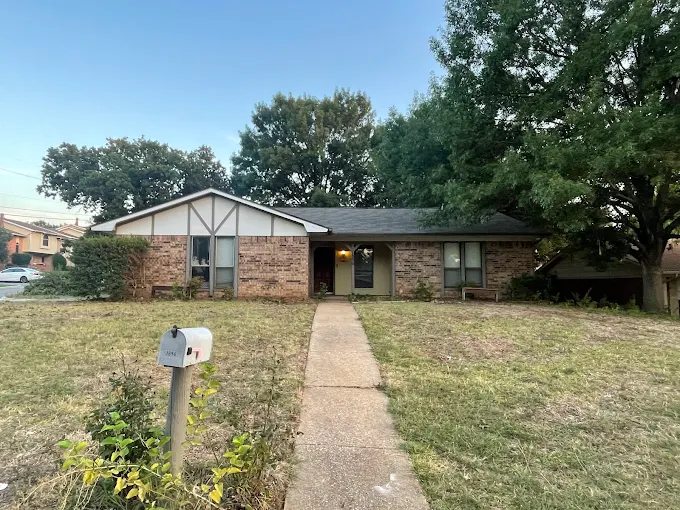
Cracks creeping up plaster walls, doors that suddenly refuse to close, and floors that feel like a slow-motion roller coaster ride – for many owners of older homes, these are everyday annoyances that quietly point to a much bigger issue: foundation problems. In Dallas, where clay soils swell when wet and shrink during dry spells, the foundations under historic and mid-century homes are constantly being pushed and pulled. Over time, that movement can turn a charming older house into a structurally stressed one, and cosmetic fixes alone simply will not hold up.
Foundation repair solutions for older homes are not just about jacking up a sagging corner or filling a few cracks. They involve carefully diagnosing how decades of soil movement, past repairs, plumbing leaks, and changes in drainage have affected the original structure. A thoughtful repair plan aims to stabilize the home for the long term while preserving the character that makes older properties so special. That balance is where experience matters, and why homeowners in Dallas, TX, often turn to specialists like Dalrock Foundation Repair who understand both the local soil and the quirks of aging homes.
When handled correctly, foundation repair can stop further damage, help doors and windows operate more smoothly, reduce interior cracking, and protect the value of the home. When handled poorly, it can cause new cracks, create uneven stress on the structure, or even damage original materials. Understanding the available repair solutions, and how they apply specifically to older homes, helps homeowners make smart decisions instead of quick, risky ones.
Why Older Homes Need Special Care
Older homes in Dallas were often built under very different standards than today’s construction codes. Many used shallower footings, less steel reinforcement, and concrete mixes that do not perform like modern materials. Some homes from the mid-1900s sit on pier-and-beam systems with wood components that can rot or shift over time. These original construction methods influence which foundation repair approaches will be safe and effective, and which might do more harm than good.
On top of that, an older home has lived through decades of environmental stress. North Texas’ expansive clay soils expand during wet seasons and contract in drought, repeatedly lifting and dropping the structure. Trees that started as saplings may now be drawing large amounts of moisture from the soil near the foundation. Previous owners may have altered drainage, added room extensions, or performed partial foundation repairs that changed the way the house responds to soil movement. All of this history must be considered before any new repair solution is designed.
Another factor is the fragility of original finishes and materials. Vintage plaster, old-growth framing lumber, masonry chimneys, and handcrafted trim can react unpredictably to sudden structural adjustments. Lifting an older home too quickly or too far can cause brittle materials to crack or separate. That is why companies like Dalrock Foundation Repair approach older homes with a more measured process, using careful monitoring during elevation to avoid unnecessary damage while still restoring structural integrity.
Recognizing Foundation Problems Early
Many homeowners in Dallas first suspect foundation trouble when they notice a crack in a wall or a door that drags. While these signs can have multiple causes, in older homes they often indicate that the foundation has shifted over time. Horizontal or stair-step cracks in brick, gaps between exterior trim and siding, or separation between walls and ceilings are classic symptoms of movement. In pier-and-beam homes, you might feel “soft spots” in the floor or hear creaking as you walk across certain areas.
Another warning sign is uneven floors. In older houses, some sloping is common simply due to age and original construction, but noticeable changes over a short period, or new dips and humps, suggest active movement. Windows that used to operate smoothly but now stick or no longer latch correctly can also point to shifting in the underlying structure. Outside, you may see gaps between the foundation and the soil, standing water near the perimeter, or visible settling in porches or steps.
Early detection matters because foundation problems tend to worsen over time, especially in Dallas’ climate. The longer a home continues to move, the more stress is placed on framing, plumbing, and finishes. Prompt evaluation by a specialist such as Dalrock Foundation Repair can determine whether the signs you are seeing are minor and cosmetic, or structural issues that require stabilization. A thorough inspection should involve interior and exterior observations, elevation readings, and an assessment of drainage and soil conditions around the home.
Common Repair Solutions For Older Foundations
Foundation repair is not a one-size-fits-all process, especially for older homes. The right solution depends on the type of foundation, the extent and pattern of movement, and the condition of the structure. In Dallas, many older slab-on-grade homes are stabilized using pier systems that extend down to more stable soil. Concrete piers and steel piers are two common options. Concrete piers are often more economical and can be effective in many situations, while steel piers can reach deeper and may be preferred in areas with very active soil movement.
For older homes with pier-and-beam foundations, the repair strategy is often different. Instead of driving piers under a slab, technicians may need to replace deteriorated wooden beams, add or adjust concrete piers beneath existing beams, and re-shim portions of the structure to level and support the floors. This work requires access to the crawlspace and careful handling of older framing members. Because these systems are more “adjustable” than slabs, they can often be fine-tuned over time, but they also need regular monitoring and maintenance.
Some homes require a combination of solutions. For instance, an older house that originally had a pier-and-beam system might have had a slab addition added decades later. Each section of the home can move differently, so the repair plan must account for those differences. Dalrock Foundation Repair may recommend a mix of under-slab piers, beam reinforcement, and targeted leveling to address the specific needs of each portion of the structure. In every case, the goal is not just to push the house back to “perfectly level,” but to stabilize it in a way that minimizes new stress on aging materials.
Soil, Drainage, And Long-Term Stability
In Dallas, the soil itself plays a starring role in nearly every foundation story. Expansive clay swells when it absorbs moisture and shrinks as it dries, exerting constant pressure on foundations. For older homes that have already experienced decades of this cycle, the cumulative effect can be significant. Repairing the foundation without addressing the soil and drainage conditions is like patching a leaky roof without fixing the hole – problems are likely to return.
A comprehensive solution often includes improving drainage around the property. This may involve regrading soil to slope away from the foundation, adding gutters and downspouts, or extending downspout discharge points farther from the house. In some cases, French drains or surface drains are used to redirect water that tends to collect near the foundation. By controlling where water goes, you reduce the amount of swelling and shrinking the soil can do directly under the home, which helps protect recent foundation repairs.
Moisture management also extends to landscaping and irrigation. Large trees planted too close to an older home can draw moisture from the soil, causing localized settlement. Overwatering near the foundation can create soft, unstable soil. Dalrock Foundation Repair often advises homeowners on how to balance watering needs with foundation stability, such as adjusting sprinkler zones, moving heavy planting beds, or using soaker hoses in a controlled manner. Combining structural repair with better soil and water management gives older homes the best chance at long-term stability.
Preserving Character While Repairing Structure
One of the biggest concerns owners of older homes have is preserving the look and feel of their property while fixing serious structural issues. They worry that foundation repair will crack original plaster beyond repair, damage historic brick, or alter the proportions of doors and windows. A thoughtful contractor understands these concerns and plans the work to minimize disruption to the home’s character.
During the lifting and leveling process, technicians monitor interior and exterior conditions, making adjustments gradually rather than forcing the structure into a perfectly level plane in a single step. In many cases, the goal is to reduce excessive slopes and close large gaps without creating new fractures in delicate finishes. Some existing cracks may widen or shift slightly as the structure is adjusted, but careful planning helps keep this within manageable limits, so cosmetic repairs afterward are reasonable.
Communication is critical as well. Dalrock Foundation Repair typically explains to homeowners what to expect visually, which doors and windows might change in operation, and where cosmetic touch-ups may be needed afterward. By understanding the trade-offs and realistic outcomes, homeowners can better plan for follow-up work such as drywall repair, repainting, or trim adjustments. The end result is a home that maintains its charm but stands on a more secure and stable foundation.
Costs, Planning, And Choosing A Contractor
For many owners of older homes, cost is a major factor in deciding when and how to proceed with foundation repair. Pricing depends on the type of foundation, the number and depth of piers needed, accessibility, and any related work such as beam replacement or drainage improvements. Some homeowners start their research by looking into topics like concrete pier foundation cost to get a rough idea of what might be involved. However, only a detailed inspection can provide an accurate estimate tailored to a specific home.
When planning a repair, it is wise to set priorities. Structural stability should come before cosmetic renovations. If you are considering a major remodel of an older home in Dallas, completing foundation repairs first ensures that new finishes and fixtures are not damaged by future movement. Dalrock Foundation Repair often coordinates with homeowners and other contractors to sequence work in a way that protects investments and reduces the need for rework.
Selecting the right foundation repair company is just as important as choosing the right repair method. Look for a contractor with extensive experience in older homes and in the local soil conditions of the Dallas area. Ask about inspection procedures, engineering input when needed, warranties on work, and how they handle communication throughout the job. Reputable companies will explain their recommendations clearly, answer questions directly, and provide references or reviews that reflect consistent performance over time.
Frequently Asked Questions
How do I know if my older home in Dallas really needs foundation repair? The only definitive way to know is to have a professional evaluation, but warning signs include new or worsening cracks in walls and ceilings, doors or windows that stick or no longer latch, uneven or sloping floors, and visible gaps or separation in exterior brick or trim. In older homes, some minor imperfections are normal due to age, but noticeable changes over a short period or multiple symptoms appearing together usually justify a foundation inspection from a specialist like Dalrock Foundation Repair.
Will foundation repair damage the original features of my older home? Some minor cosmetic impact is possible, especially in brittle materials like plaster, but a careful contractor takes steps to minimize damage. Lifting is done gradually, and the goal is to relieve excessive stress without forcing the structure into a perfectly level position that could cause new fractures. Existing cracks may shift slightly, and some touch-up work is usually needed afterward, but with proper planning most original features can be preserved and even function better once the structure is stabilized.
How long do foundation repairs typically last on an older house? When the right repair method is chosen and underlying issues like drainage and soil moisture are addressed, foundation repairs can provide long-term stability for decades. Pier systems designed for North Texas soils are intended to reach more stable layers and resist future movement. However, ongoing maintenance of gutters, grading, and irrigation is essential to protect that investment. Older homes may still experience minor seasonal movement, but major structural shifting should be significantly reduced once repairs are properly completed.
Is it safe to live in my home during foundation repair work? In most cases, homeowners can remain in the house while foundation repairs are performed, though certain areas may be temporarily noisy or off-limits. Work is often done around the perimeter or in the crawlspace, with minimal intrusion into living spaces. Dalrock Foundation Repair typically explains the schedule, access points, and any safety considerations in advance so you can plan accordingly. For particularly extensive projects, or if you are sensitive to noise and vibration, you may choose to be away during the most intensive lifting phases.
Should foundation repair be done before remodeling an older home? Yes. It is strongly recommended to address foundation issues before making major cosmetic or structural changes. If you remodel first and then repair the foundation later, the lifting and leveling process can crack new finishes, misalign freshly installed doors and cabinets, and undo some of your remodeling work. By stabilizing the foundation first, you create a solid base for any future improvements and reduce the risk of needing to redo expensive upgrades.