
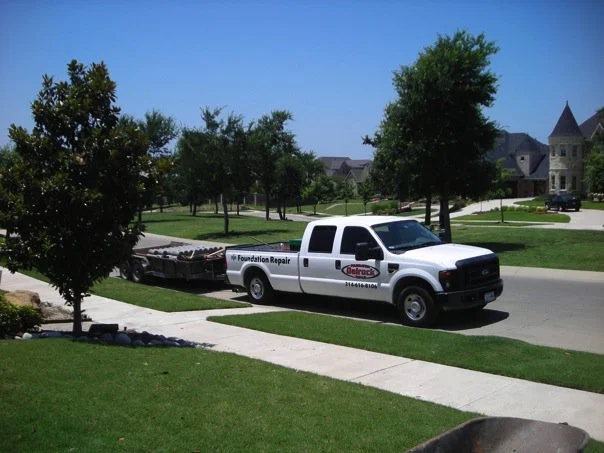
See the Difference: Foundation Repair with Concrete Piers
On a hot August afternoon in Dallas, a homeowner in Lake Highlands noticed a thin crack running up her living room wall. By Thanksgiving, that same crack had widened, doors no longer latched, and her wood floors felt uneven. The culprit wasn’t poor workmanship inside the home—it was foundation movement beneath it.
North Texas sits on highly expansive clay soils that swell when wet and shrink when dry. According to regional engineering studies, this movement can exceed several inches in a single year. That’s why the Dallas–Fort Worth area consistently ranks among the highest in the nation for foundation repair demand and claims.
For property owners across Dallas, choosing the right repair method isn’t just a technical decision; it’s a long-term investment in safety, resale value, and peace of mind. Concrete piers remain one of the most proven, cost-effective options—especially for many residential slab and pier-and-beam homes.
Key Insight: Concrete piers, when properly designed and installed, offer a durable, stable, and often more economical solution for many Dallas foundations—especially when paired with drainage correction and ongoing maintenance.
In this guide, you’ll see how concrete piers work, how they compare to steel piers, what they cost in Dallas, and how to know which solution is right for your home or property.
Why Dallas Homes Are So Vulnerable to Foundation Problems
Dallas homeowners face foundation challenges that many other parts of the country never see. The main reason is right under your feet: the local soil.
Our region’s “black gumbo” clay expands dramatically when it absorbs water and contracts just as aggressively during dry spells. That repeated swelling and shrinking can cause:
- Vertical movement (up and down) of your slab
- Lateral movement (sideways shifting)
- Differential settlement (one part of the house moving more than another)
“Expansive clays in North Texas can exert pressures exceeding 5,000 pounds per square foot on shallow foundations.” — Local geotechnical engineering report
That kind of pressure is more than enough to crack a slab, distort framing, and damage masonry.
Common signs Dallas homeowners notice include:
- Diagonal cracks in brick or sheetrock
- Doors and windows sticking or not latching
- Gaps between trim and ceiling or floor
- Sloping or uneven floors
- Separation at expansion joints or chimney pulls
Because these issues are so prevalent, many residents search for foundation repair near me long before major structural damage occurs. The challenge is knowing which solution truly addresses the underlying cause.
Dalrock Foundation Repair routinely sees this pattern across neighborhoods from Plano to Oak Cliff. A typical scenario: a 1970s slab home on a lot with poor drainage, small existing cracks, and soil pulling away from the foundation during summer. By the time the owner calls, doors are out of square and brick cracks are visible. This is exactly the type of situation where properly designed concrete piers can stabilize and re-level the structure.
How Concrete Piers Actually Stabilize Your Foundation
Concrete piers work by transferring the weight of your home from unstable surface soils down to deeper, more stable layers. Done correctly, this creates a new “support system” under your slab or beam that resists ongoing movement.
The Concrete Pier Process
A typical concrete pier foundation installation in Dallas involves several steps:
- Site evaluation & elevation survey – Measuring current floor levels and identifying where the slab has dropped or heaved.
- Pier layout – Determining spacing and locations for piers (usually around the perimeter and sometimes inside).
- Excavation – Digging access holes or small tunnels to reach pier locations.
- Drilling or forming – Creating shafts down to a depth with more stable soil.
- Reinforcement & pour – Placing rebar (when specified) and pouring concrete to form the pier.
- Cure & lift – After curing, hydraulic jacks lift and level the structure, and the piers are shimmed and locked in place.
A homeowner in Richardson recently contacted Dalrock for house foundation repair after noticing a 1-inch drop along the back of her home. Our team installed a series of concrete piers along the rear wall and interior load line. After lifting, her floor variances were reduced to less than 1/4 inch, doors operated smoothly again, and the brick cracks closed significantly.
“Concrete piers are still one of the most reliable options for many Dallas homes, especially when designed based on actual soil conditions.” — Dalrock Foundation Repair Specialist
Where Concrete Piers Excel
Concrete piers are often ideal for:
- One- and two-story homes on shallow foundations
- Situations where cost-effectiveness matters but long-term stability is still critical
- Areas where drilling to moderate depths reaches firm bearing strata
Concrete piers can be especially effective when combined with foundation leveling and drainage improvements to reduce future soil movement.
CALLOUT: Concrete piers don’t eliminate soil movement; they reduce how much your home is affected by it by anchoring key points to more stable layers below the active clay zone.
Concrete Piers vs. Steel Piers: Which Makes Sense in Dallas?
Both concrete and steel piers are widely used in North Texas. The right choice depends on your soil profile, structural load, budget, and long-term goals.
Here’s a side-by-side comparison to help clarify:
Concrete vs. Steel Piers (Dallas Context)
| Factor | Concrete Piers | Steel Piers |
|---|---|---|
| Typical Depth in Dallas | Moderate (into more stable clay or hardpan) | Deeper, can reach bedrock or very firm strata |
| Load Capacity | High for most residential applications | Very high, ideal for heavier structures |
| Installation Time | Moderate | Often faster per pier after setup |
| Initial Cost | Generally lower | Higher per pier |
| Long-Term Performance | Excellent when soil conditions are suitable | Excellent in highly variable or deep clay soils |
| Best Use Cases | Many slab homes, pier-and-beam structures | Severe settlement, multi-story, heavy loads |
| Access Requirements | Similar; may vary by property layout | Similar; may require more specialized equipment |
For a homeowner in Far North Dallas experiencing significant settlement on one corner, Dalrock recommended steel pier foundation repair due to deeper unstable clays and higher structural loads on that portion of the home. Steel piers allowed us to drive through problematic layers and anchor in competent material at greater depth, providing a more robust long-term solution.
However, for many single-story homes on typical lots, concrete pier foundation repair provides an excellent balance of performance and cost. The key is having an experienced team evaluate your specific soils and structure rather than defaulting to one method.
Understanding Foundation Repair Costs in Dallas
One of the first questions property owners ask is about the cost of foundation repair. While there’s no one-size-fits-all answer, you can understand the main factors that drive pricing—especially for concrete piers.
What Affects Concrete Pier Foundation Cost?
Key variables include:
- Number of piers – More piers mean more material, labor, and time.
- Pier depth – Deeper piers require more drilling and concrete.
- Access – Landscaping, patios, decks, and tight spaces can increase labor.
- Structural complexity – Multi-story homes or heavy masonry increase design requirements.
- Additional work – Drainage correction, root barriers, or plumbing tests may be recommended.
Typical Dallas projects range from smaller jobs with a handful of piers to extensive installations requiring dozens. That’s why a detailed foundation repair estimate from a reputable contractor is essential.
“An accurate estimate should be based on measurements, elevation readings, and a clear plan—not just a quick walk-around.” — Dalrock Foundation Repair Estimator
Approximate Local Cost Comparison
While actual pricing varies, here’s a general comparison framework for Dallas-area residential projects:
| Item | Concrete Piers (Typical Range) | Steel Piers (Typical Range) |
|---|---|---|
| Average Per-Pier Cost | Lower | Higher |
| Typical Total for Small Repair | Lower to moderate | Moderate to high |
| Typical Total for Large Repair | Moderate | Higher |
| Best Value For | Many single-story homes | Severe settlement, heavier structures |
Homeowners in Garland and Mesquite often choose concrete piers for budget-conscious residential foundation repair that still targets long-term performance. In one Garland project, a homeowner compared three bids: two for steel and one for concrete. Dalrock’s concrete pier solution provided the required lift and stability at a more accessible price, with a warranty that met the owner’s expectations.
Why Drainage Correction Is Just as Important as Piers
Even the best-designed piers can’t fully protect a foundation if water is allowed to pond, erode, or saturate soils around the home. In Dallas, where we see intense storms followed by long dry spells, drainage correction is often the difference between a stable foundation and recurring problems.
How Poor Drainage Damages Foundations
Common drainage issues include:
- Negative slope toward the home
- Downspouts dumping water at the foundation
- Low spots where water stands for hours or days
- Over-irrigation near the slab
- Improperly designed French drains or surface drains
These issues can lead to:
- Softening and erosion of supporting soils
- Differential moisture levels around the perimeter
- Increased expansion and contraction of clays
We frequently see homes in East Dallas where one side of the house has lush landscaping with heavy irrigation, while the other side is dry and bare. That moisture imbalance alone can contribute to uneven settlement—sometimes even more than the overall amount of rainfall.
“Our best foundation repairs always include a plan for long-term moisture and drainage management.” — Dalrock Drainage Specialist
Practical Drainage Solutions
Effective foundation drainage correction may involve:
- Regrading soil to slope away from the home
- Extending downspouts and installing splash blocks
- Adding surface drains or French drains in problem areas
- Adjusting sprinkler zones to avoid overwatering near the slab
- Addressing hardscape issues that trap water
A homeowner in Carrollton called Dalrock for drainage correction services after repeated standing water near her back patio and visible foundation cracks. Our team regraded a portion of the yard, installed area drains, and extended downspouts. Combined with a targeted concrete pier installation, her home’s elevation stabilized, and no new cracking appeared over the following rainy season.
What a Professional Concrete Pier Project Looks Like
Understanding the process reduces stress and helps you choose the right foundation repair contractors. A well-managed project should be organized, transparent, and respectful of your property.
Step-by-Step Overview
1. Inspection & Plan
A foundation specialist documents signs of movement, takes elevation readings, and proposes a pier layout and any needed drainage problems around foundation solutions.
2. Proposal & Estimate
You receive a written scope of work, including number and location of piers, expected lift, warranty, and foundation repair cost.
3. City Permits (if required)
For many projects in Dallas and surrounding cities, permits and inspections are part of the process.
4. Installation
Crews excavate, install piers, and perform the lift. Interior piers may require temporary floor removal; exterior piers are accessed via small excavations.
5. Lift & Level
Technicians carefully raise the structure using hydraulic jacks, monitoring interior and exterior conditions and elevation changes.
6. Cleanup & Restoration
Excavations are backfilled, landscaping is restored as much as possible, and concrete patches are finished.
A Dallas homeowner near White Rock Lake recently shared how surprised she was by how organized the process was. She expected chaos during her structural foundation repair, but crews protected her landscaping, communicated each step, and completed the job in the estimated timeframe.
“Professional foundation repair should feel controlled and methodical, not rushed or improvised.” — Senior Crew Lead, Dalrock Foundation Repair
CALLOUT: Ask your contractor who will actually be on-site performing the work and how long their crews have been installing concrete pier systems in North Texas soils.
Long-Term Stability: Maintenance and Monitoring After Repair
Once your concrete piers are in place and your home is leveled, your work isn’t entirely done. To protect your investment, you’ll want to maintain consistent soil moisture and keep an eye on changes over time.
Post-Repair Best Practices
- Moisture management – Avoid extremes of overwatering or drought near the foundation.
- Gutter and drainage upkeep – Keep gutters clean and downspouts directing water away from the slab.
- Landscaping control – Large trees too close to the home can draw moisture from soils; root barriers may be recommended.
- Monitor for changes – Occasional hairline cracks may appear with seasonal movement, but significant or rapidly widening cracks should be evaluated.
Homeowners often ask whether they’ll ever need additional work after concrete pier installation. While a well-designed system significantly reduces the risk of future settlement, soil conditions can change, additions may alter loads, and new drainage issues can develop. Having a relationship with a trusted foundation repair company ensures you know who to call with questions.
A homeowner in Plano had concrete piers installed by Dalrock nearly a decade ago. After a particularly harsh drought year, he noticed a small new crack near a window. Our team returned, confirmed that the structure remained within acceptable tolerances, and recommended minor irrigation adjustments rather than additional piers. That kind of ongoing support can be just as valuable as the initial repair.
What This Means for Businesses in Dallas, TX
While much of the focus is on homeowners, commercial and small business properties across Dallas face the same soil-related risks. Retail spaces, office buildings, and light industrial facilities built on shallow foundations can all experience settlement that disrupts operations and damages interiors.
For business owners, the stakes often feel higher:
- Uneven floors can be a safety and liability concern for customers and employees.
- Door alignment issues can compromise security.
- Visible cracks may hurt customer confidence and brand image.
- Delaying foundation settling repair can increase future repair scope and cost.
In areas like the Design District, Deep Ellum, and older parts of Oak Cliff, many commercial buildings were constructed decades ago on soils that weren’t fully understood at the time. As those structures age, concrete or steel pier underpinning becomes an important tool for protecting long-term asset value.
Dallas businesses also have unique considerations:
- Limited downtime windows for repairs
- Heavy foot traffic or equipment loads
- Parking lot drainage influencing building foundations
- Need for clear documentation for lenders, insurers, and future buyers
Partnering with foundation repair specialists who understand both residential and commercial needs ensures your repair plan accounts for operational realities as well as structural requirements. For some commercial properties, a hybrid approach—using concrete piers in certain areas and steel piers in others—balances performance and budget while maintaining code compliance and safety.
Frequently Asked Questions
Q: How do I know if concrete piers are right for my Dallas home?
A: The choice between concrete pier foundation repair and steel piers depends on your soil profile, structure type, and severity of movement. In many Dallas neighborhoods, concrete piers perform very well for single-story slab homes and pier-and-beam structures, especially when piers can reach more stable clay or hardpan at moderate depths. A qualified contractor should perform elevation readings, inspect visible damage, and, when needed, reference local geotechnical data before recommending a solution. If your home has experienced extreme settlement, sits on a steep slope, or carries heavier loads (such as multiple stories or heavy masonry), steel piers may be advised for deeper support.
Q: What does a typical foundation repair project cost in the Dallas area?
A: Foundation repair cost varies widely based on the number of piers, depth, access challenges, and any additional drainage or plumbing work. Some smaller concrete pier jobs may cost a few thousand dollars, while more extensive projects can be significantly higher. The best approach is to request a detailed foundation repair estimate that outlines pier count, placement, and any recommended poor drainage solutions. In Dallas, many homes can be stabilized with a focused repair plan rather than a full-perimeter system, which can help manage costs without compromising performance.
Q: Will foundation repair damage my yard, landscaping, or interior finishes?
A: Any structural work requires some disruption, but experienced foundation repair contractors work hard to minimize it. Exterior concrete piers involve digging access holes along the perimeter, which are backfilled and compacted after installation. Landscaping in those areas may need to be temporarily removed and then restored. Interior piers may require cutting through flooring, which is then patched. Dalrock’s crews take care to protect your property, communicate where impacts will occur, and restore disturbed areas as much as reasonably possible. Most homeowners find the tradeoff well worth the long-term stability gained.
Q: Do I really need drainage correction if I’m installing piers?
A: In many Dallas cases, yes. Piers address structural support, but unmanaged water can still cause soil movement between piers, contribute to heave, and create new issues elsewhere around the home. Proper yard drainage correction—such as grading, downspout extensions, or surface drains—helps maintain more consistent soil moisture levels. That consistency is critical for long-term performance of both the original slab and the new pier system. Skipping water drainage correction can undermine your investment and lead to future repairs that might have been avoided with a more holistic approach.
Q: How long does a concrete pier foundation repair usually take?
A: Most residential concrete pier foundation repair near me projects in the Dallas area are completed in a few days, depending on the number of piers and site conditions. The process includes excavation, pier installation, curing (as required by the system used), lifting, and cleanup. Larger or more complex properties may take longer, especially if interior piers, extensive tunneling, or coordinated plumbing work is involved. Your contractor should provide a realistic schedule up front, including how weather or city inspections could affect timing.
Q: Are concrete piers a permanent solution, or will I need more work later?
A: Properly installed concrete piers offer long-lasting support and significantly reduce the risk of future settlement in the repaired areas. However, they don’t change the fundamental nature of our expansive clay soils. Adjacent areas of the home that weren’t originally affected can move over time, especially if foundation water drainage solutions aren’t maintained. That’s why ongoing moisture management, gutter upkeep, and periodic visual inspections are so important. Many Dallas homeowners live comfortably for decades after repair with no major additional work, particularly when drainage and landscaping are managed well.
Q: What’s the difference between structural foundation repair and cosmetic fixes?
A: Cracked foundation repair and structural underpinning focus on stabilizing and re-leveling the foundation itself, using methods like concrete or steel piers. Cosmetic fixes—such as patching drywall cracks or re-mortaring brick—only address the visible symptoms. Without stabilizing the underlying structure, cosmetic repairs will usually fail again as movement continues. A reputable foundation repair company will clearly distinguish between structural work and cosmetic touch-ups, and often recommends waiting to make interior cosmetic repairs until after the foundation has been stabilized and allowed to go through at least one full seasonal cycle.
Ready to Get Started?
Dallas weather and soils won’t wait, and foundation issues rarely improve on their own. If you’ve noticed cracks, sticking doors, or uneven floors, now is the right time to schedule an evaluation—not after the next heavy rain or drought cycle increases movement and repair complexity.
Dalrock Foundation Repair has spent years working in Dallas and surrounding communities, installing both concrete and steel pier systems tailored to our unique soil conditions. Our team will evaluate your property, explain whether concrete piers, steel piers, or a combination makes the most sense, and outline any needed drainage repair near me options to protect your investment.
You’ll receive a clear, written plan and a straightforward explanation of your options—no pressure, no gimmicks. Whether you’re a homeowner or a business owner, stabilizing your foundation today helps preserve your property’s value, comfort, and safety for years to come.
Take the first step by scheduling an on-site assessment. A stable foundation starts with a conversation.
About Dalrock Foundation Repair
Dalrock Foundation Repair is a locally owned and operated foundation specialist serving Dallas, TX, and the greater DFW area. With decades of experience in North Texas soils, our team provides expert foundation repair services, including concrete and steel pier underpinning, drainage correction, and long-term maintenance guidance. We’re known for honest evaluations, detailed workmanship, and solutions designed specifically for Dallas homes and businesses. Learn more about our services and history at Dalrock Foundation Repair’s website.